How Do You Build a Cleaning Kit?
Start with four products and a bag of cloths, add the next thing only when a job actually calls for it, and the cupboard never fills with waste.
By Cleaning Guides Team
3 Aug 2026

The short list that cleans an entire house, and what you can stop buying.
Start with four products and a bag of cloths, add the next thing only when a job actually calls for it, and the cupboard never fills with waste.
A caddy exists so that cleaning a room does not involve four trips to a cupboard, which is usually the reason it does not happen.
Most of what fills a cleaning cupboard duplicates something cheaper, and a few widely sold products do very little at all.
They are different processes with different purposes, and doing them in the wrong order means neither works properly.
A single spray cannot be both acidic and alkaline, so it is a compromise by design, and that is fine for most everyday jobs.
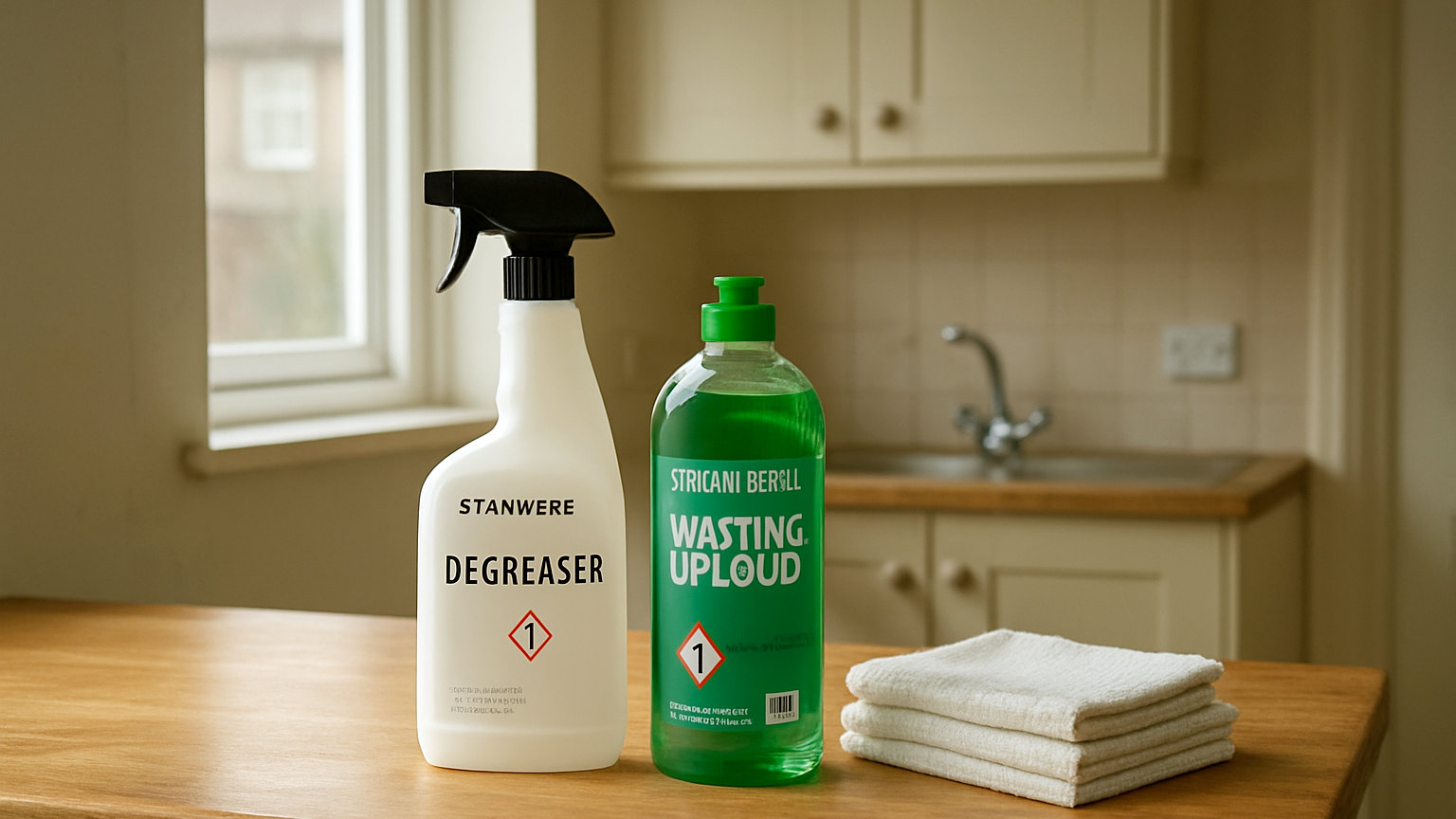
Degreasers work in two quite different ways, and knowing which you have explains why one shifts baked kitchen grease and another does not.
Cleaning removes most bacteria by physically taking them away, which is why disinfecting matters in specific situations rather than everywhere.
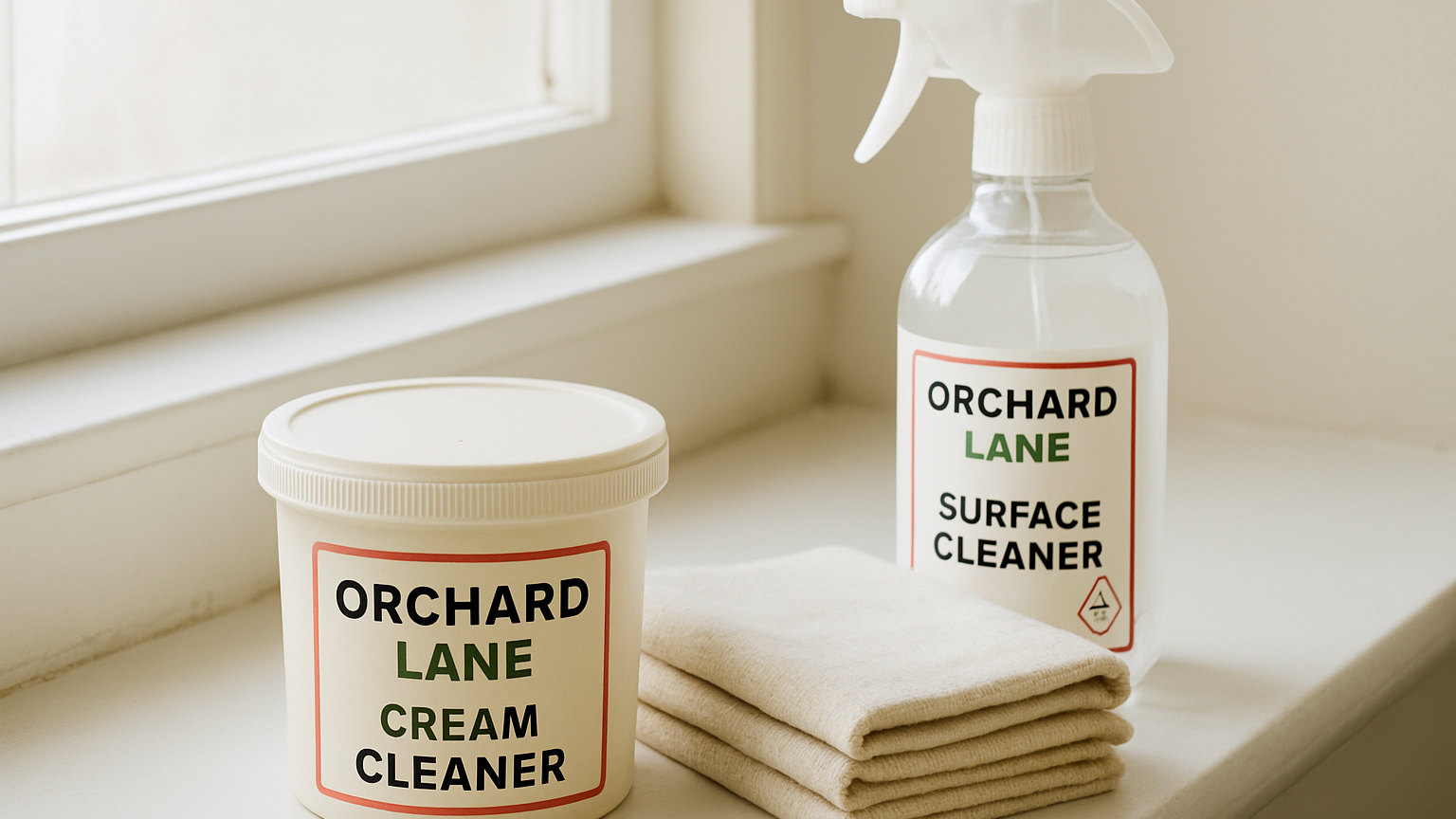
It combines gentle abrasion with detergent, which makes it the right tool for the jobs where a spray does nothing and a scourer does damage.
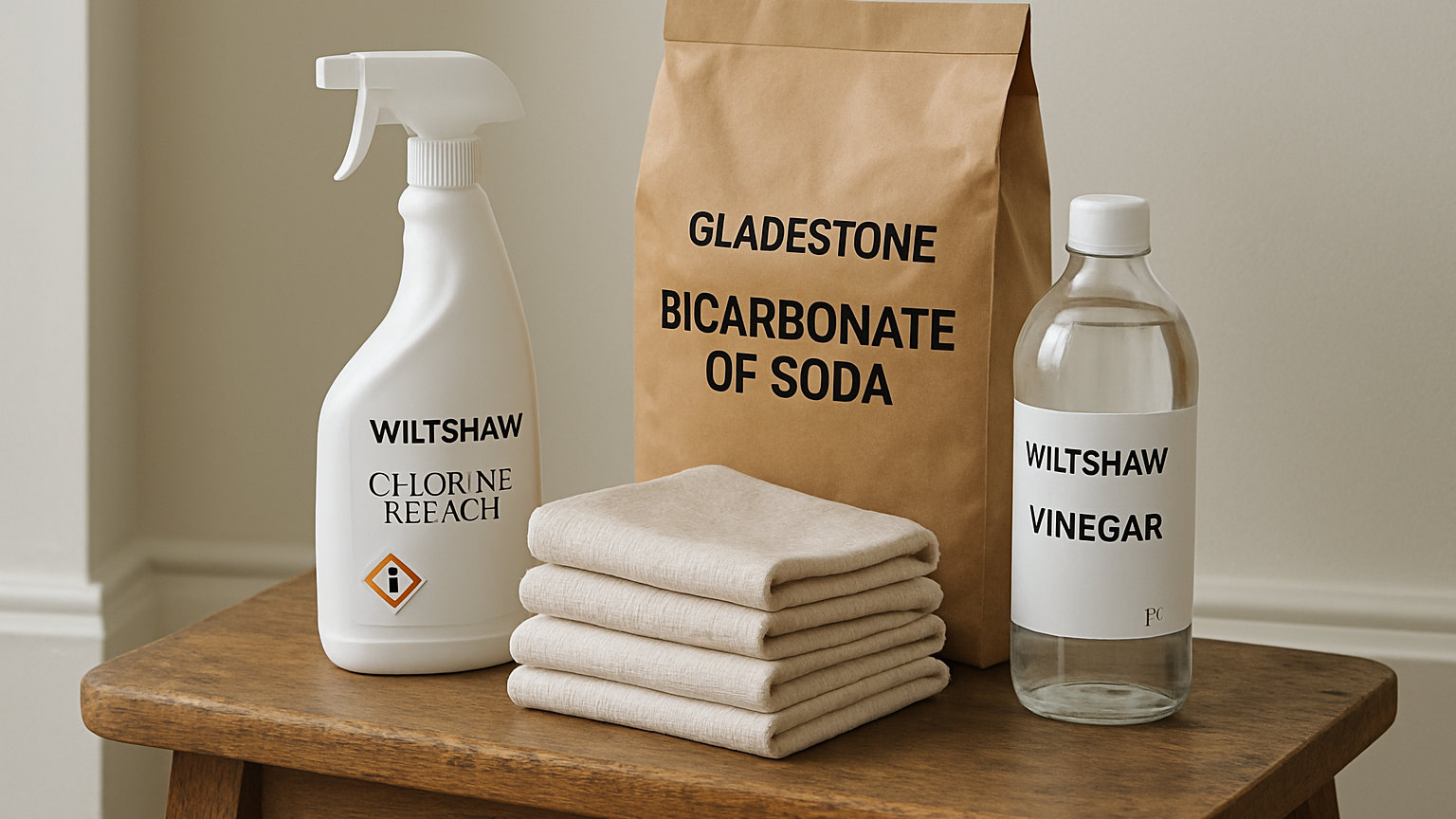
It is genuinely useful in a small number of situations and overused in most households, and the mixing risk is not theoretical.
It destroys the colour in a stain rather than lifting it out, which is why it works on things detergent cannot touch.
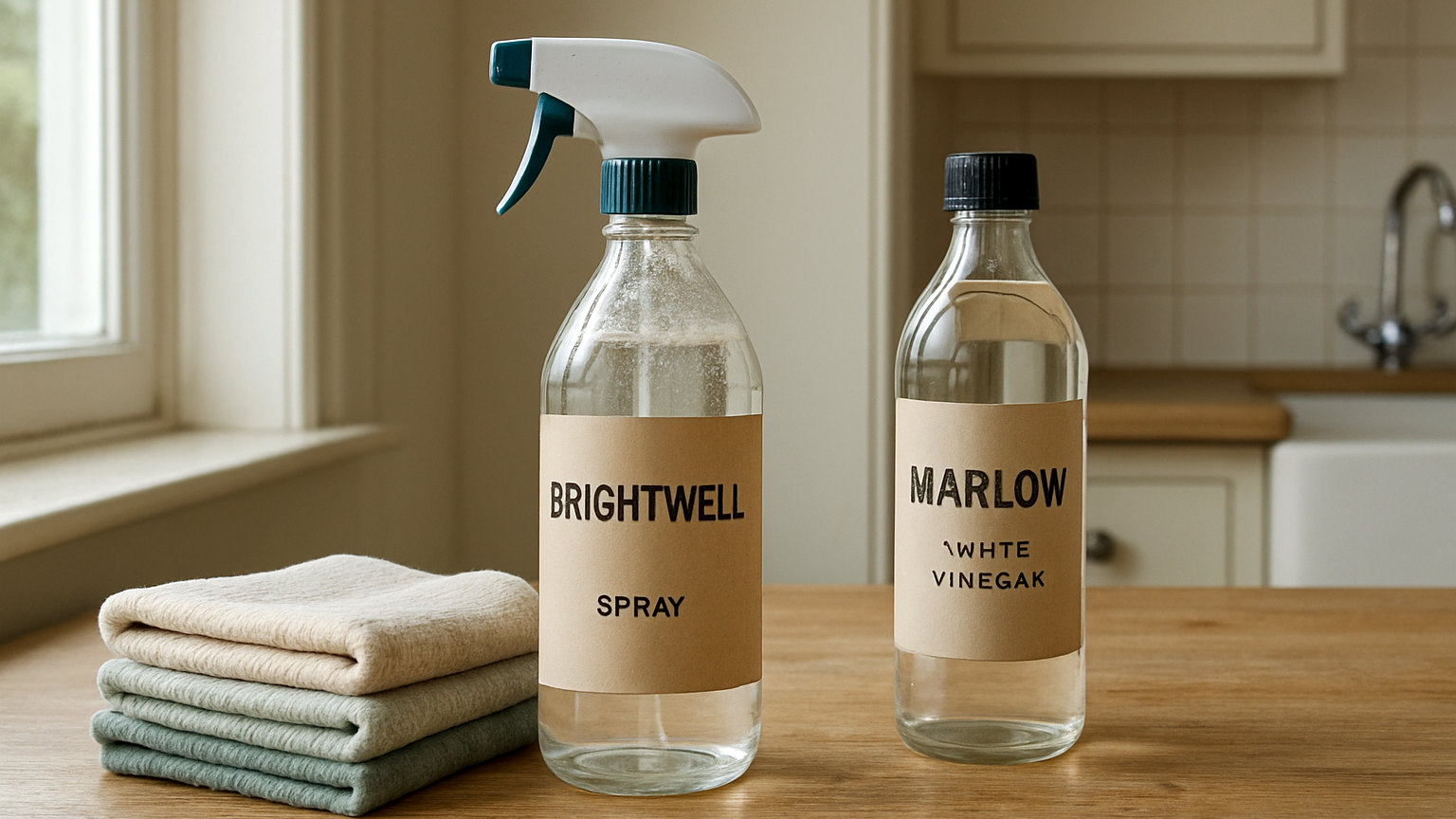
Vinegar is an acid, which makes it excellent on limescale and useless on grease, and the distinction explains most of its reputation.
Soda crystals are the strong alkali that most households do not know they need, and they handle grease better than anything else on the shelf.