How Do You Stop a Bathroom Mirror Steaming Up?
A mirror fogs because its surface is colder than the air around it. Warming the glass or drying the air both work, and wiping it does neither.
Limescale, shower screens, grout, toilets and extractor fans, without ruining the seals.
A mirror fogs because its surface is colder than the air around it. Warming the glass or drying the air both work, and wiping it does neither.
Bathroom dust is mostly skin, hair and fibres from towels, and it collects in a predictable set of places that a normal clean never touches.
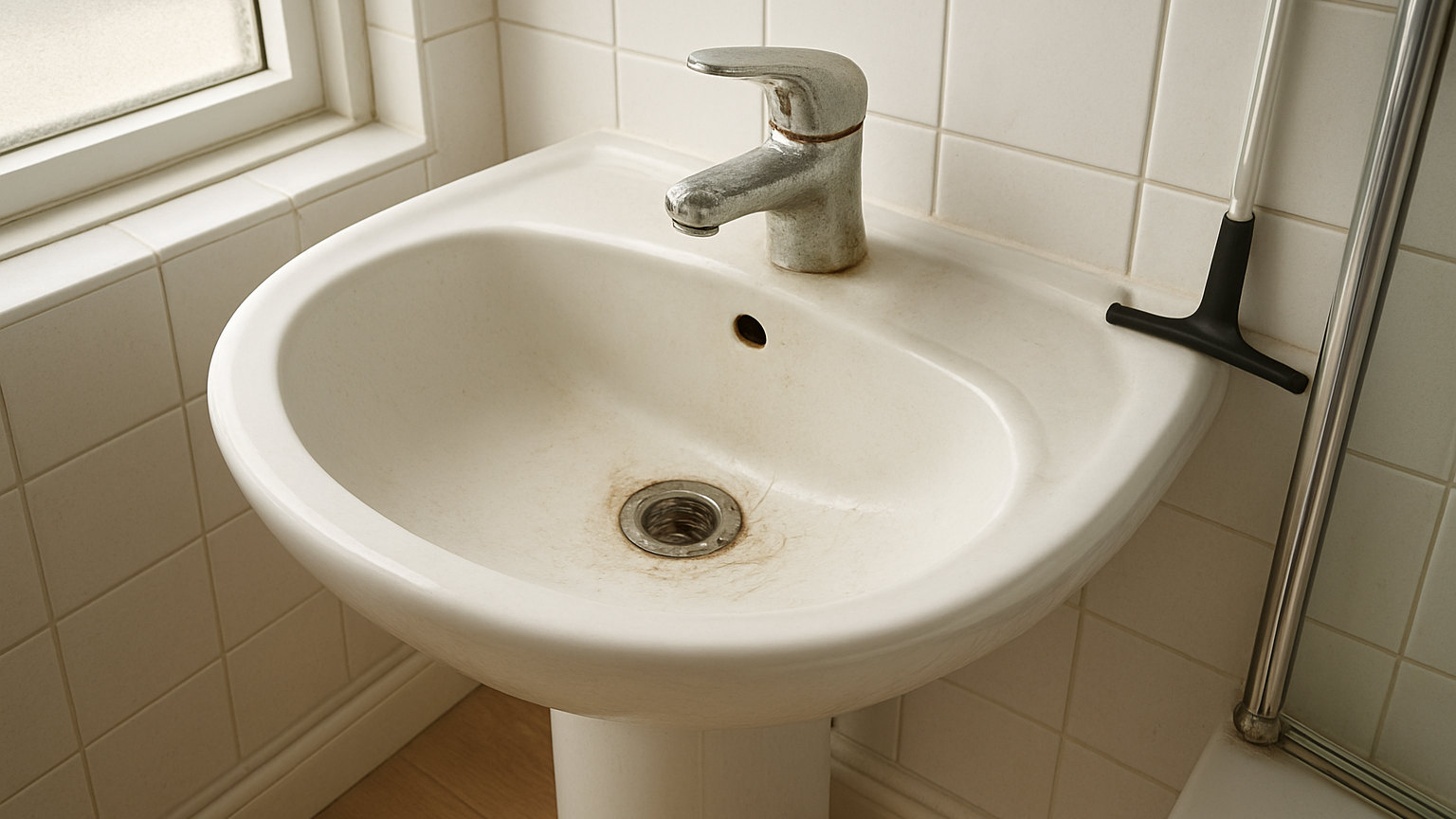
Bathroom basins collect toothpaste, soap and hair, and the slow drain that results is almost always hair caught on the plug mechanism rather than a blockage.
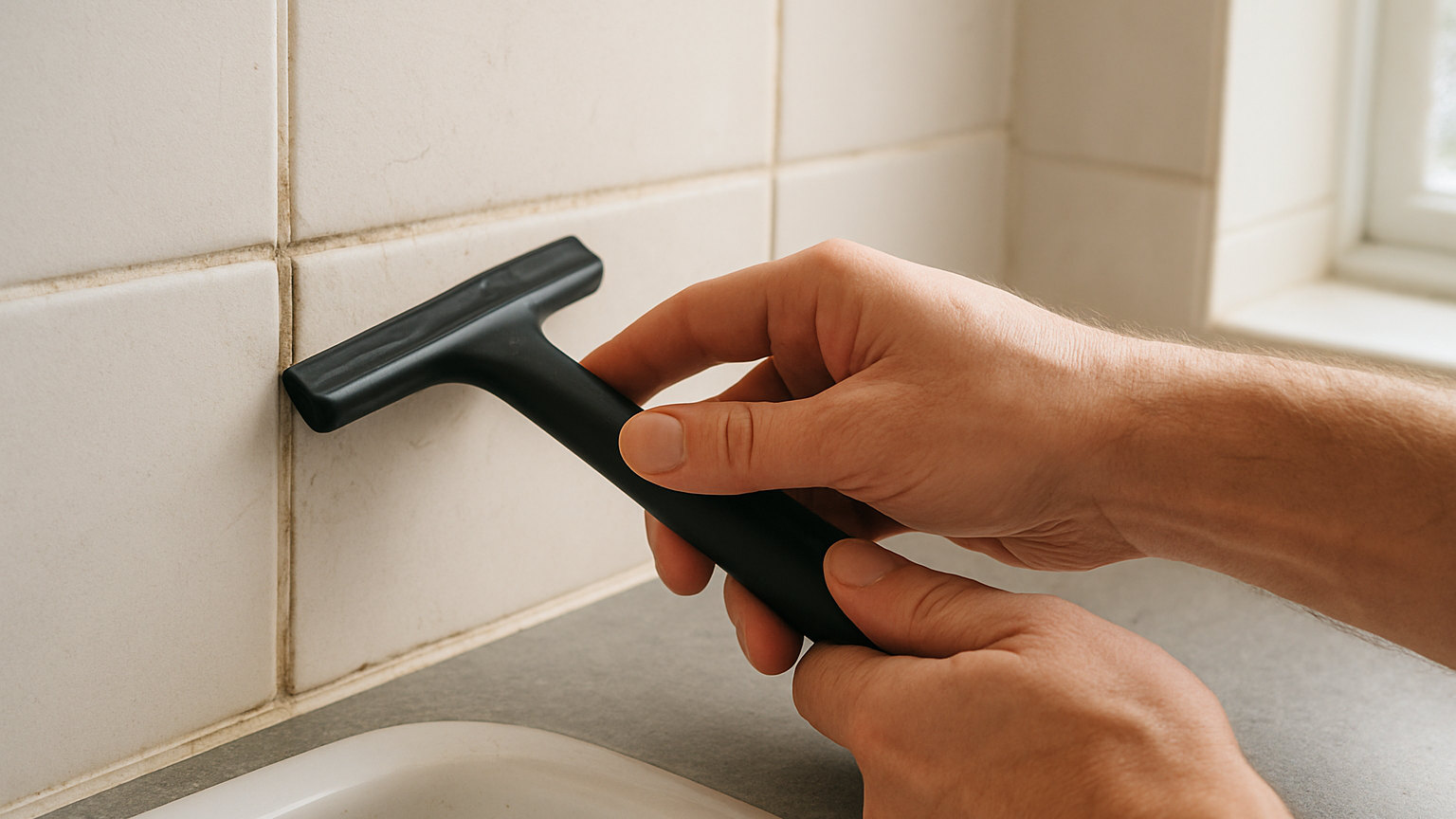
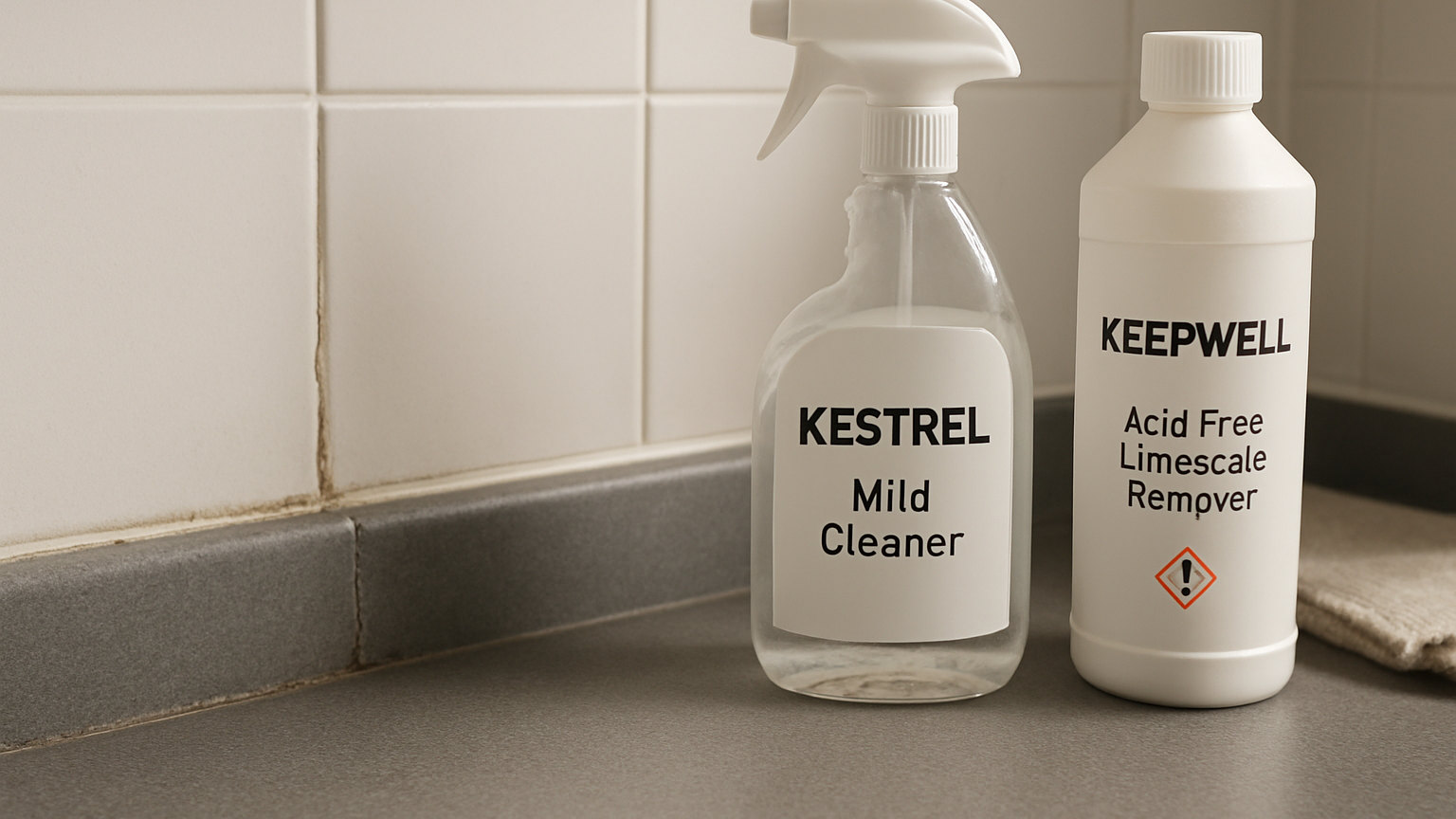
More bathrooms are damaged by the wrong cleaner than by wear. Acid, bleach and abrasives each ruin a different set of surfaces permanently.
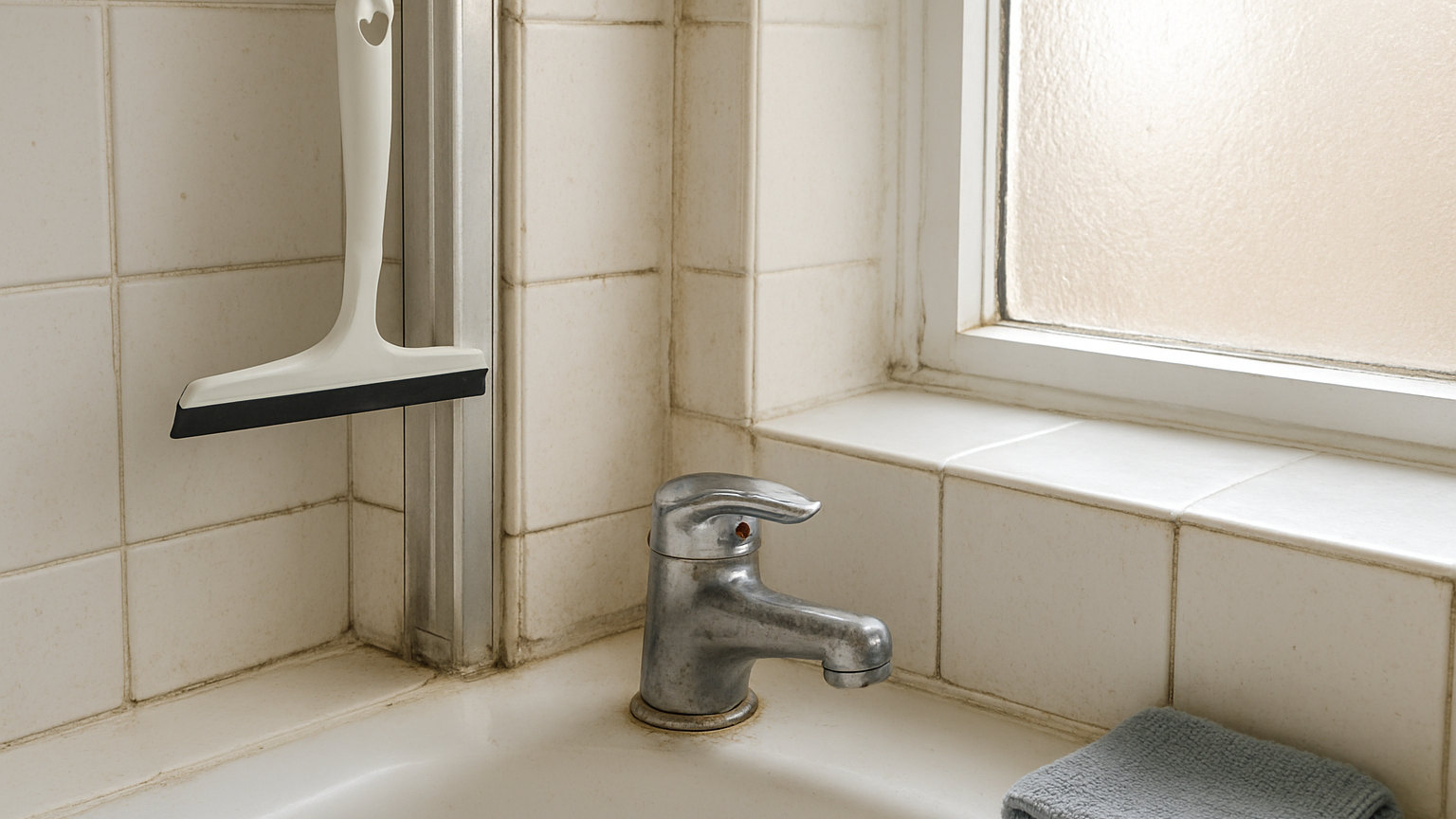
Almost every recurring bathroom problem comes down to surfaces staying wet for hours. Drying the room faster removes the cause rather than the symptom.
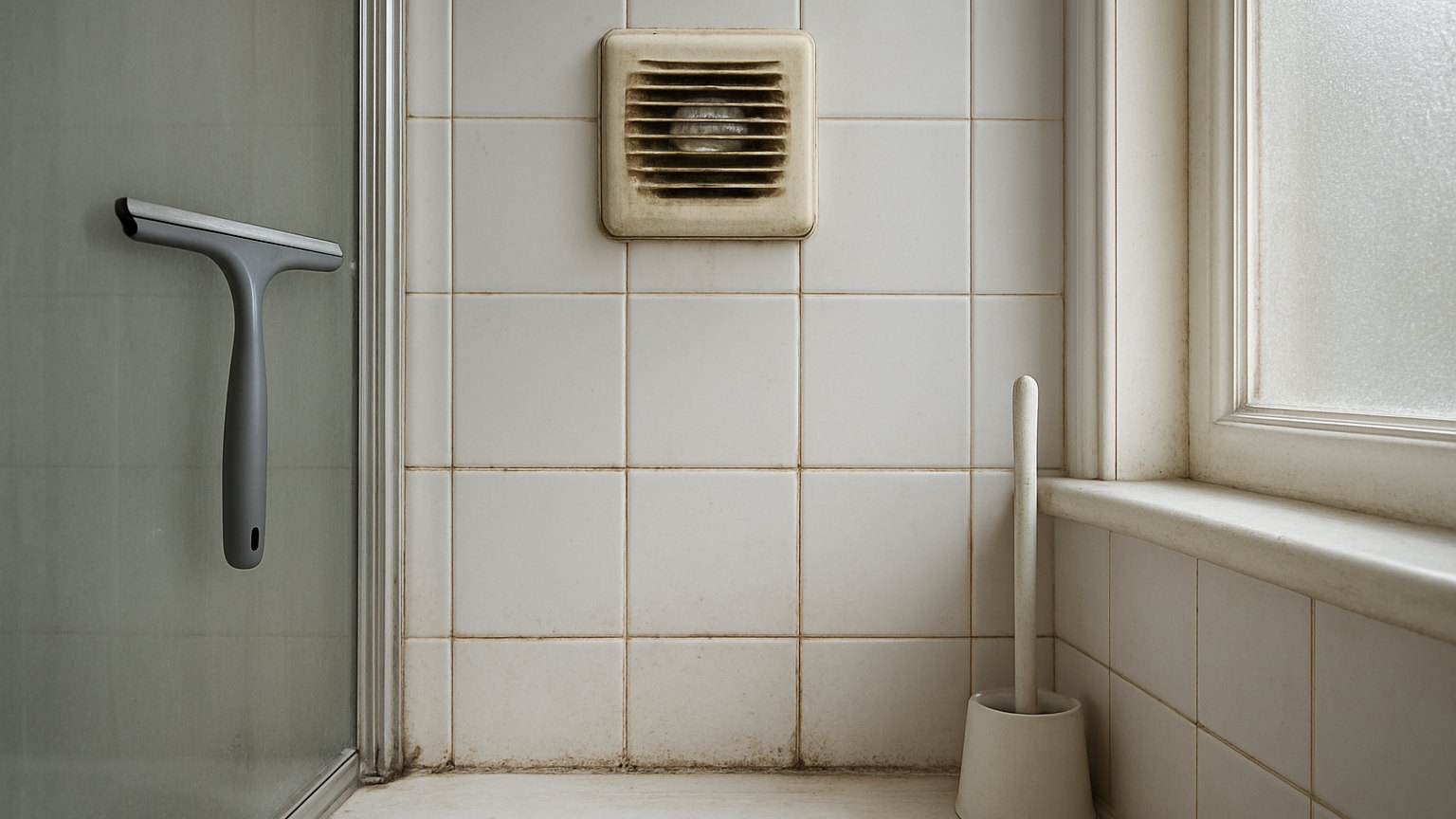
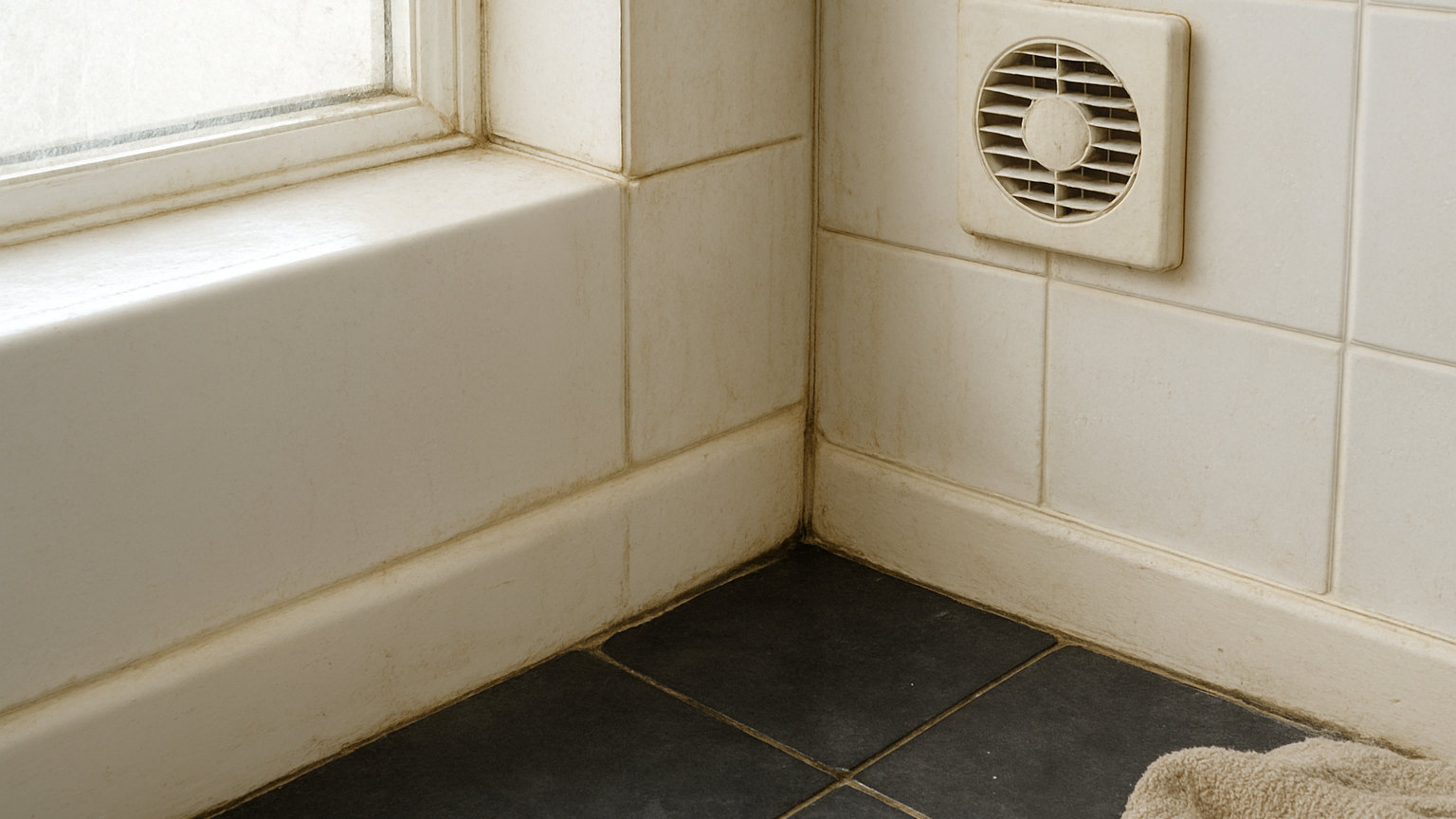
A bathroom fan clogged with dust moves a fraction of the air it should, which is why mould appears in rooms that supposedly have ventilation.
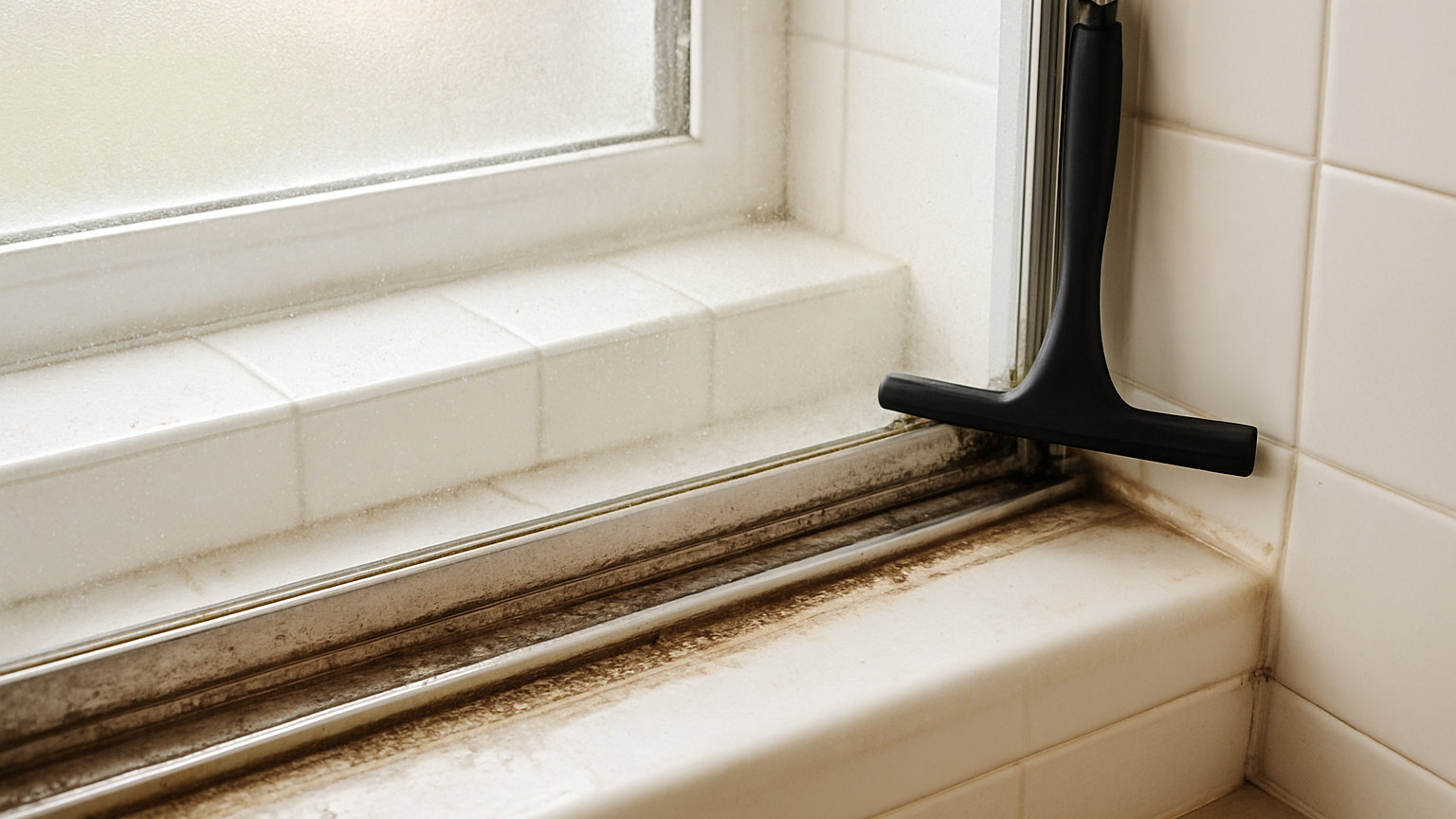
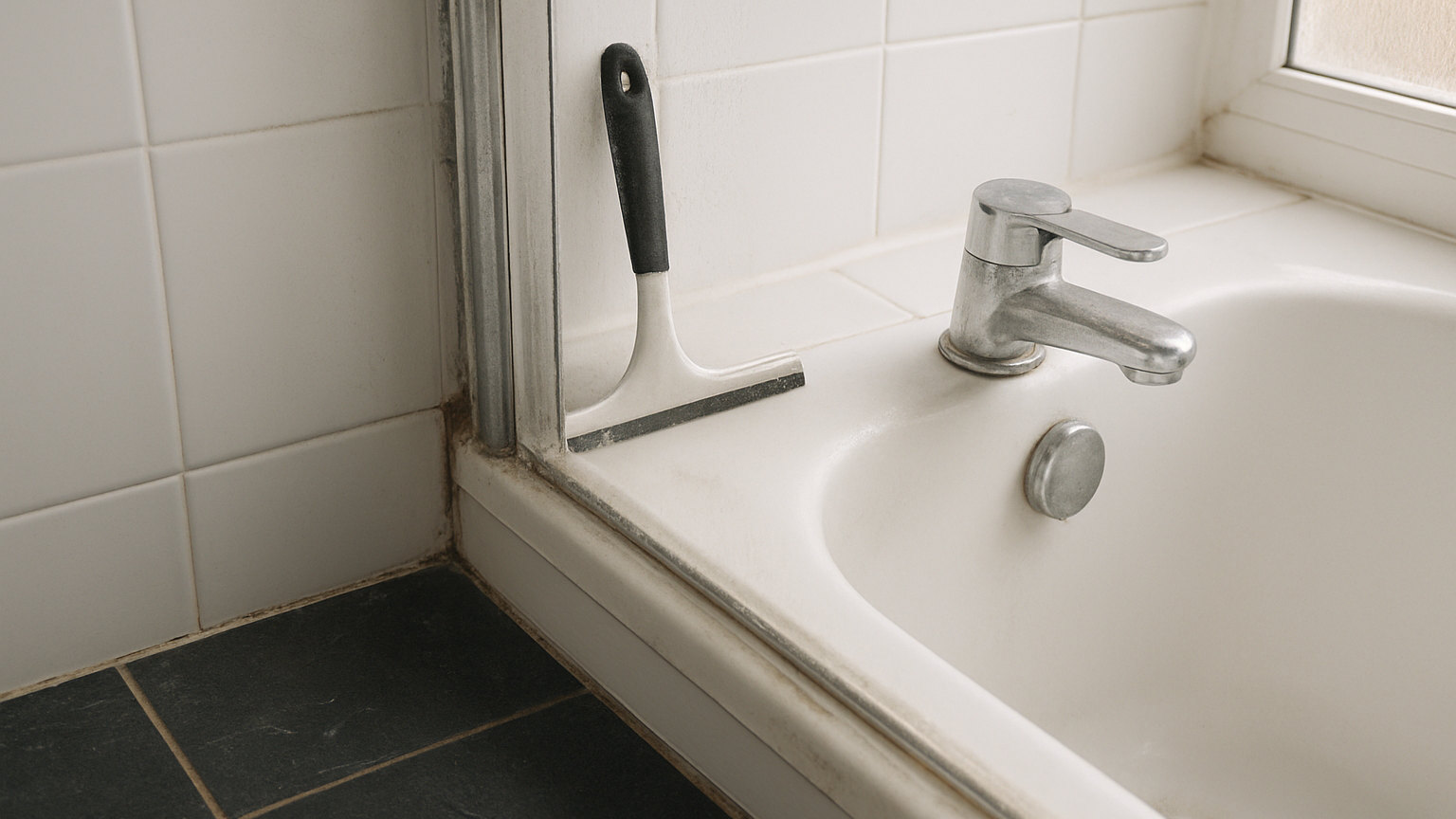
The bottom track of a sliding shower door collects scum, scale and standing water, and it is the part of the enclosure most often ignored entirely.
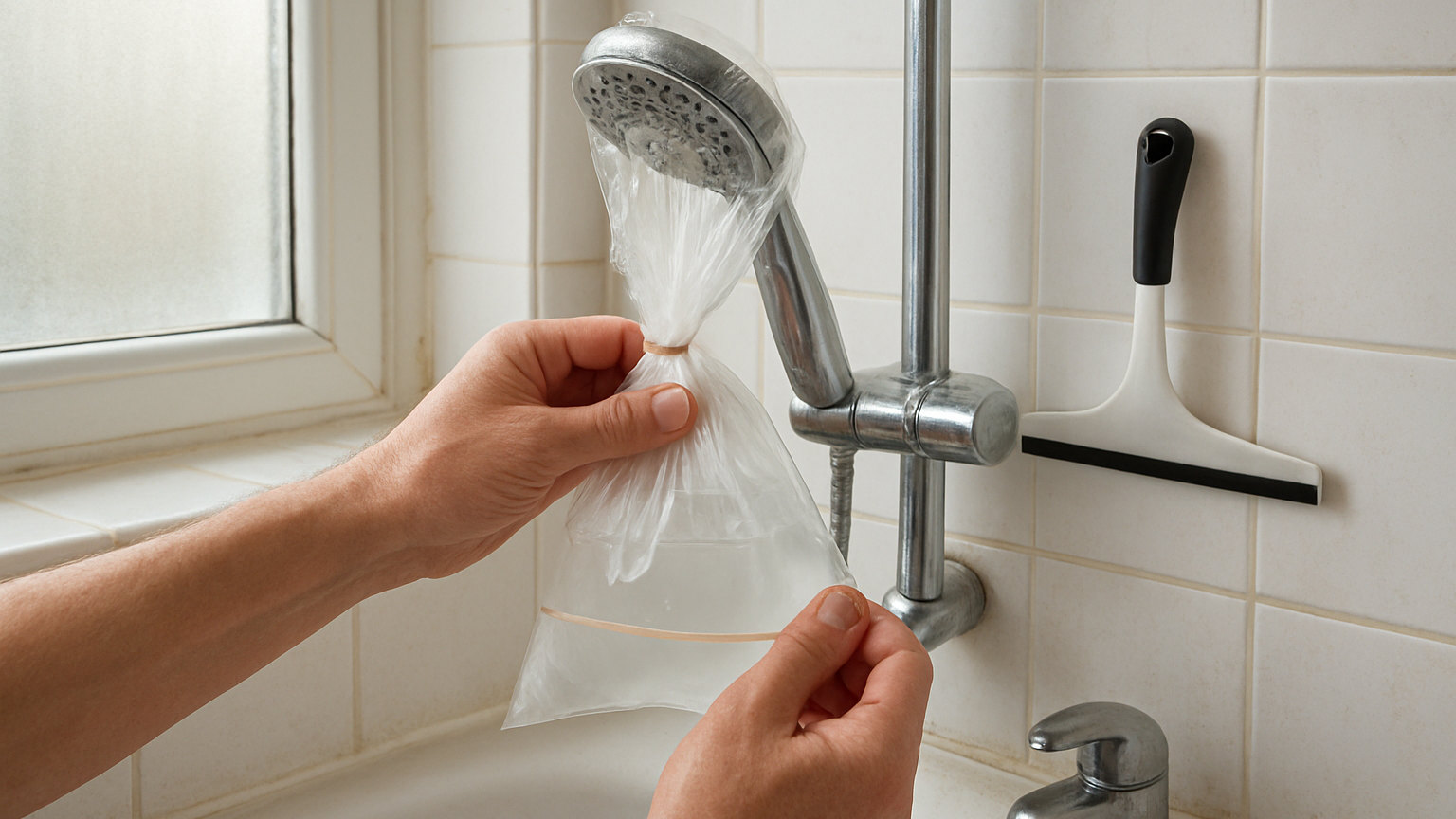
A scaled shower head sprays sideways and loses pressure. Descaling it takes a bag, an elastic band and an hour of doing nothing.
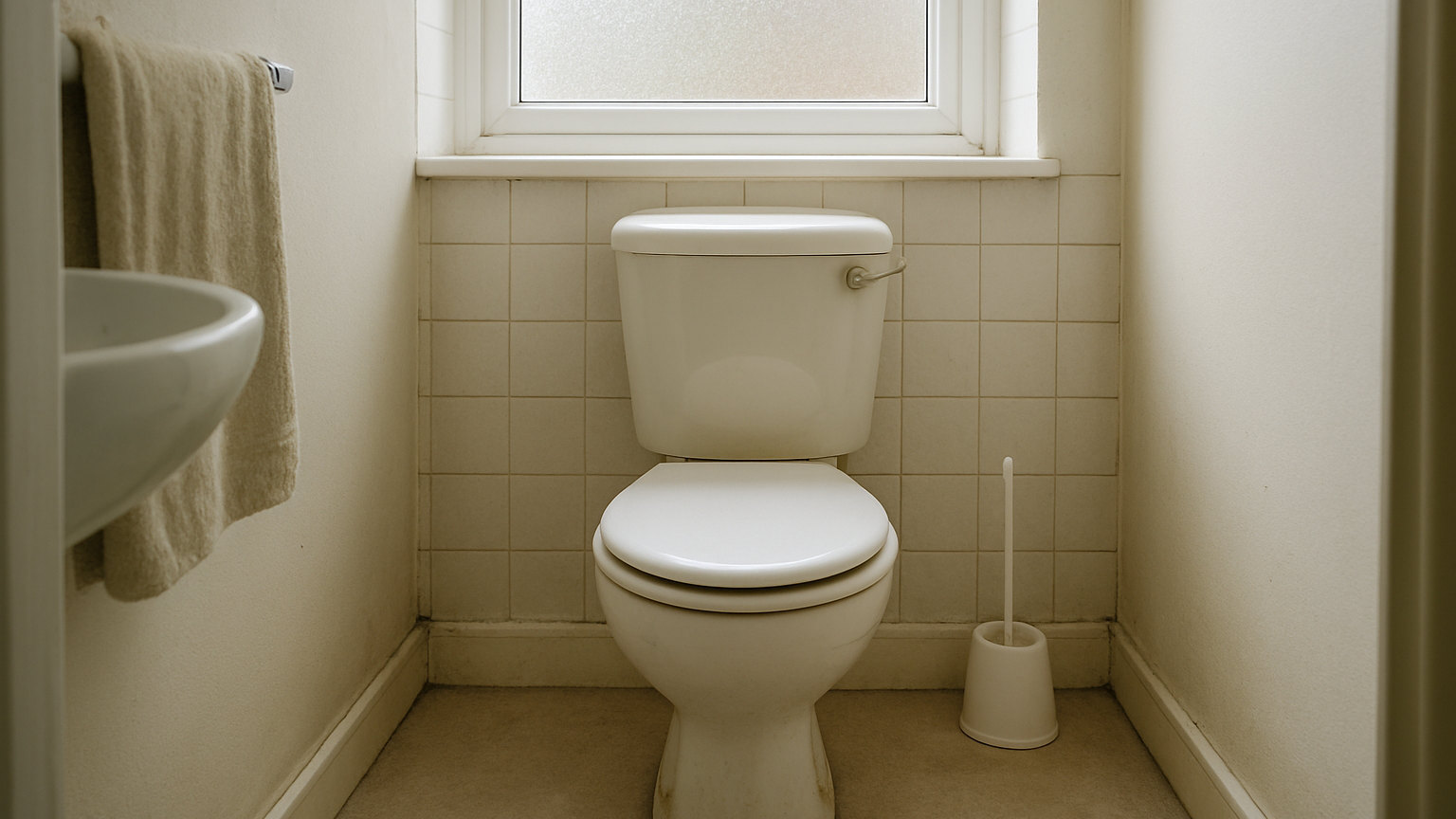
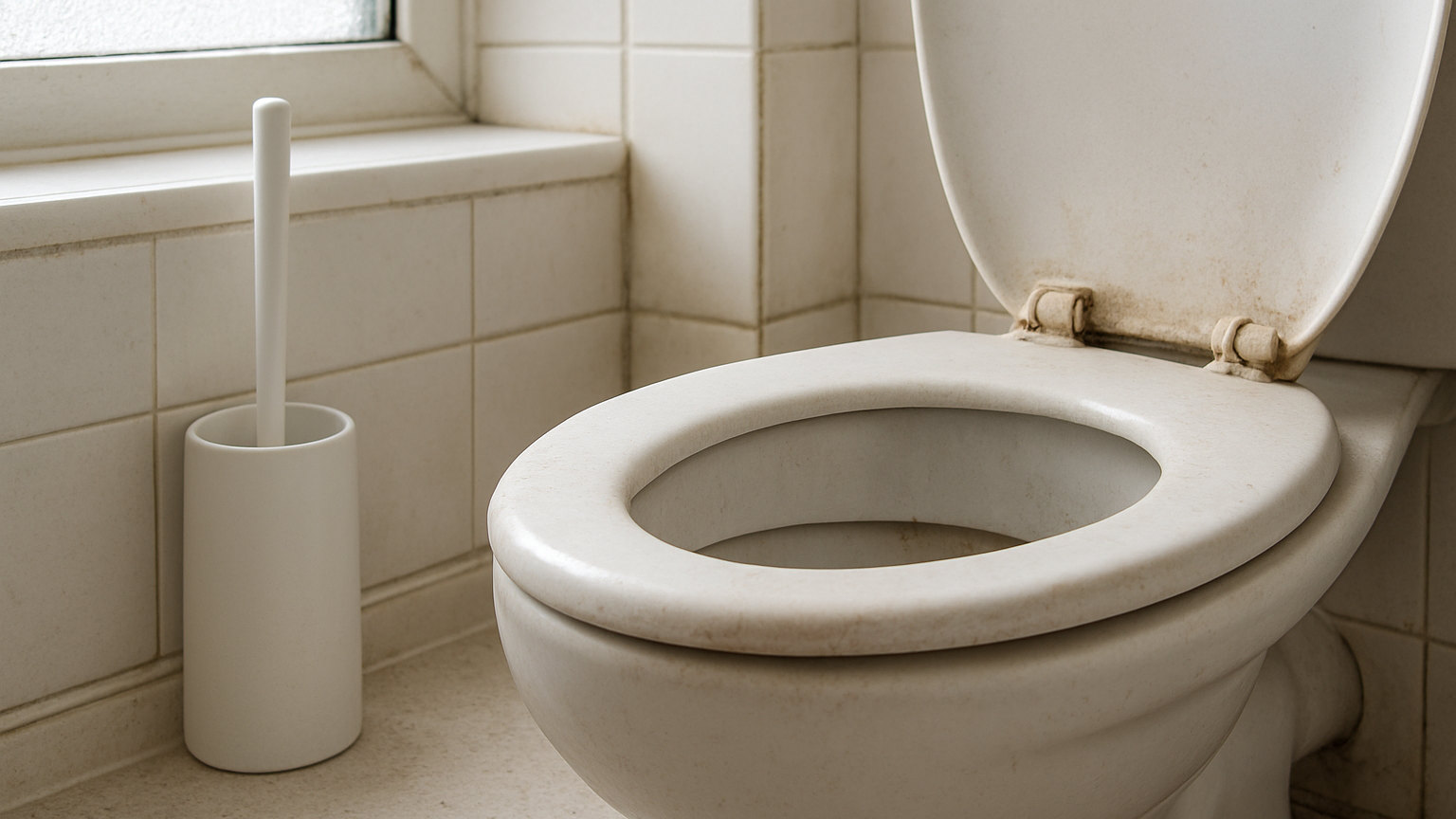
A toilet that smells after being cleaned almost always has the source somewhere else: the floor around it, the hinge recesses, or a failing seal.
Most toilet cleaning covers the inside of the pan, which is rarely the problem. The seat hinges, the flush button and the base are where the issues are.
Soap scum is a reaction between soap and hard water, not dirt. It comes off with a mild alkali or an acid, depending on what has built up.
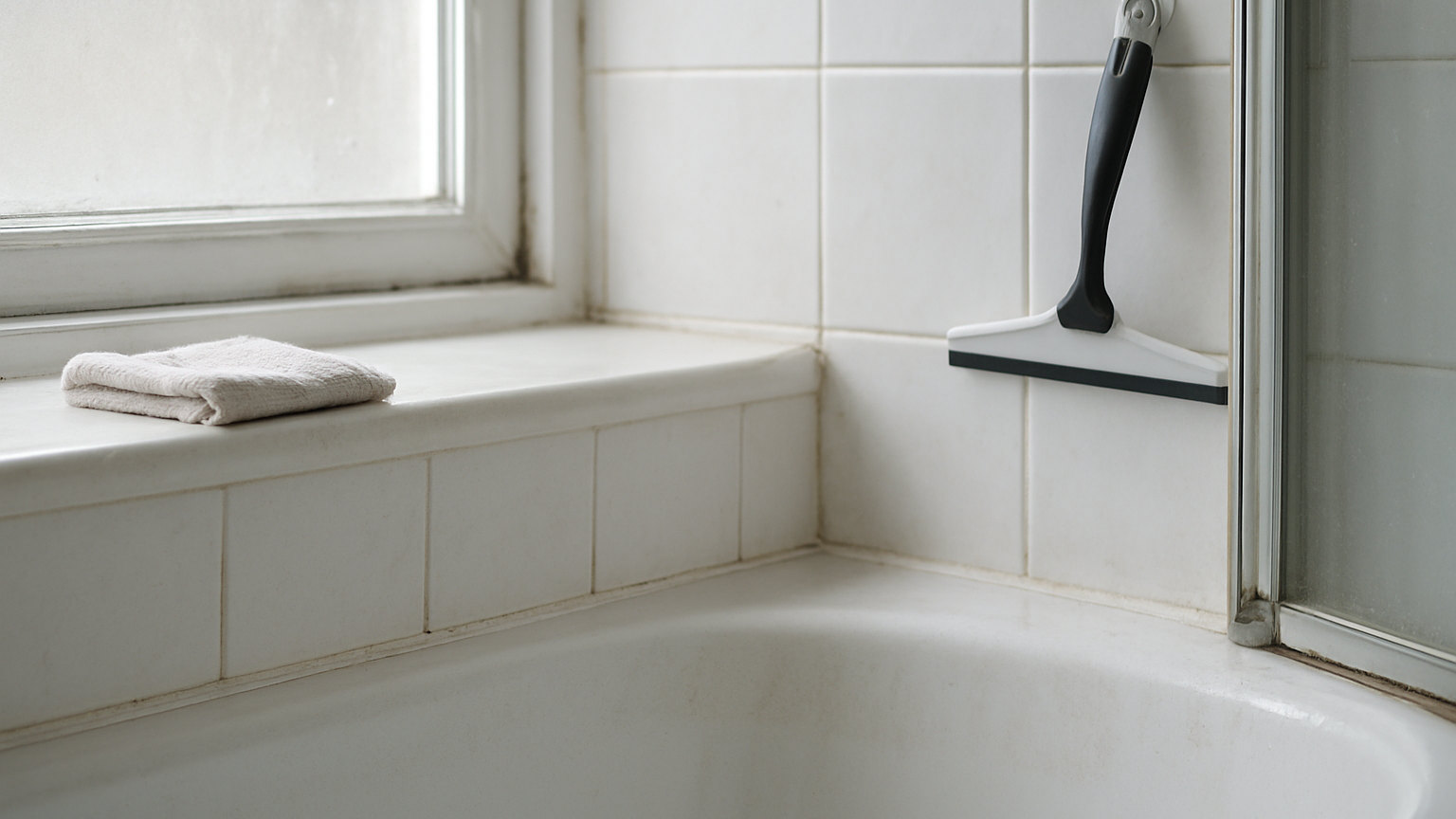
Limescale on glass needs acid and time, not pressure. Scrubbing a cloudy screen with a general cleaner is the most common wasted effort in a bathroom.