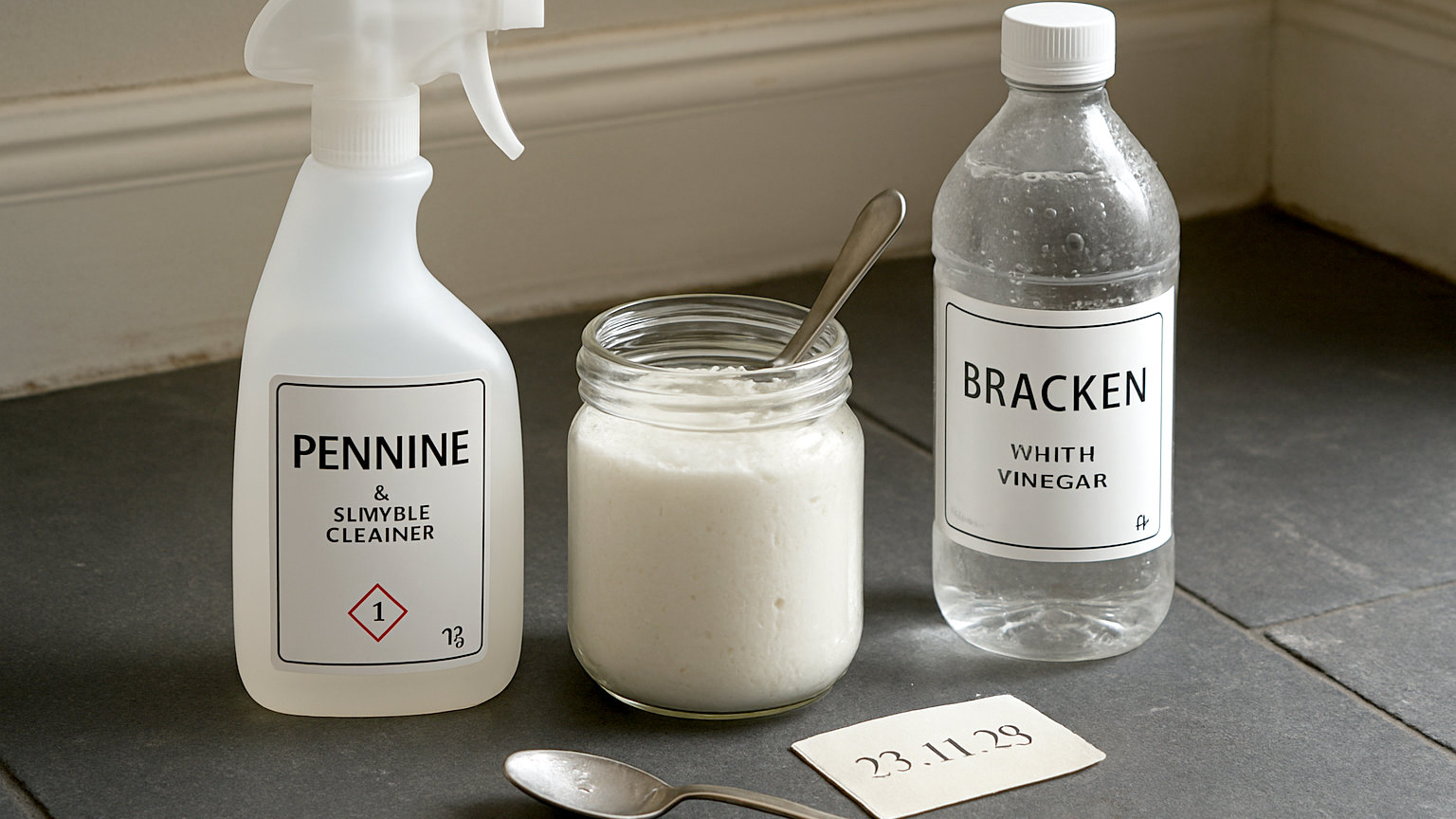
How Should Homemade Cleaners Be Stored?
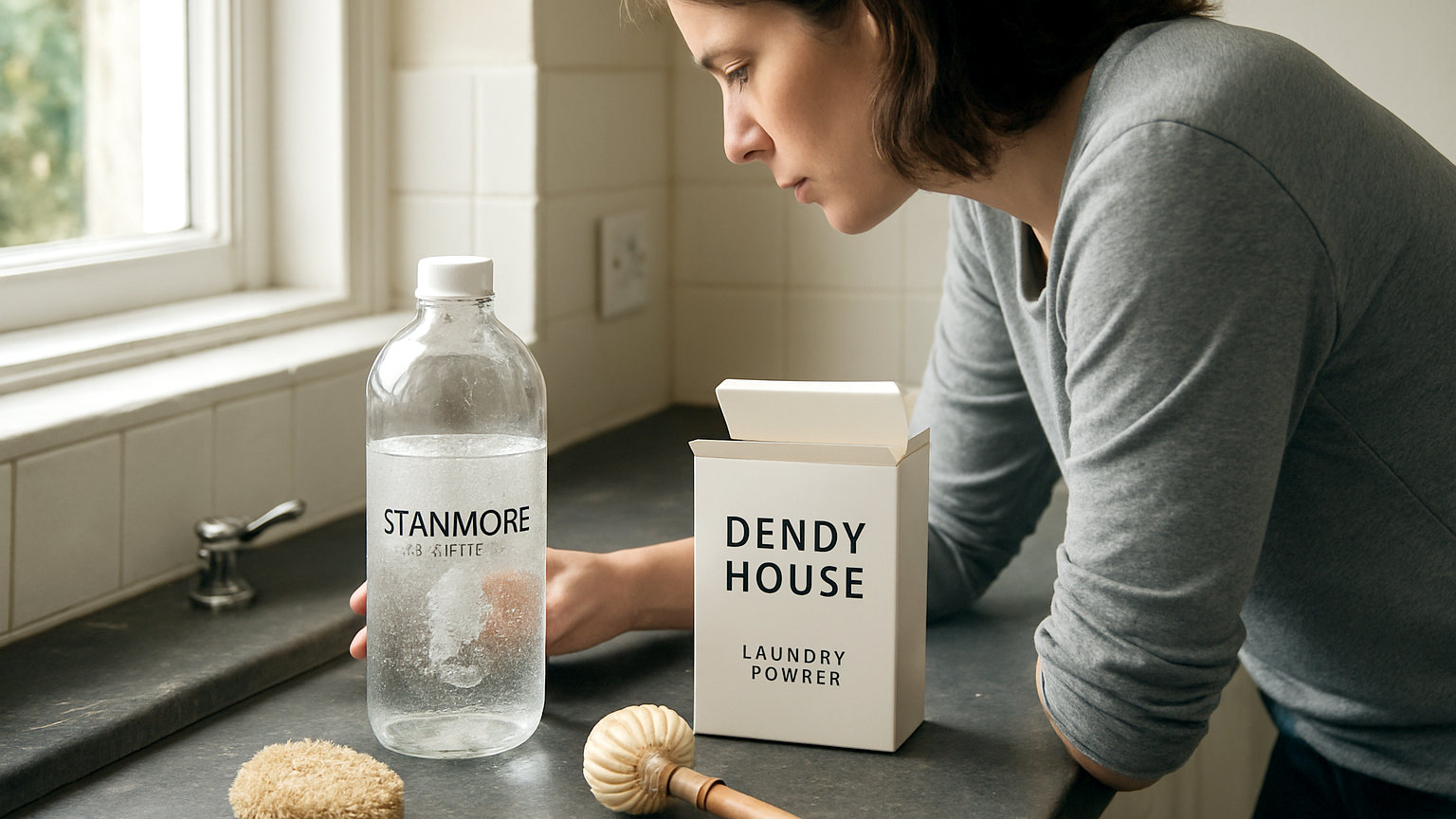
The most important rule in homemade cleaning has nothing to do with chemistry: never put a cleaning product in a drinks bottle.
By Cleaning Guides Team
7 Aug 2026

Most households own three times as many cleaning products as they need, and a good proportion of them do the same job. These guides work out what a genuinely useful cupboard contains, which specialist products are worth the shelf space and which are the same thing in a different bottle, what the homemade recipes actually achieve, and how to store the whole lot safely.
The most important rule in homemade cleaning has nothing to do with chemistry: never put a cleaning product in a drinks bottle.
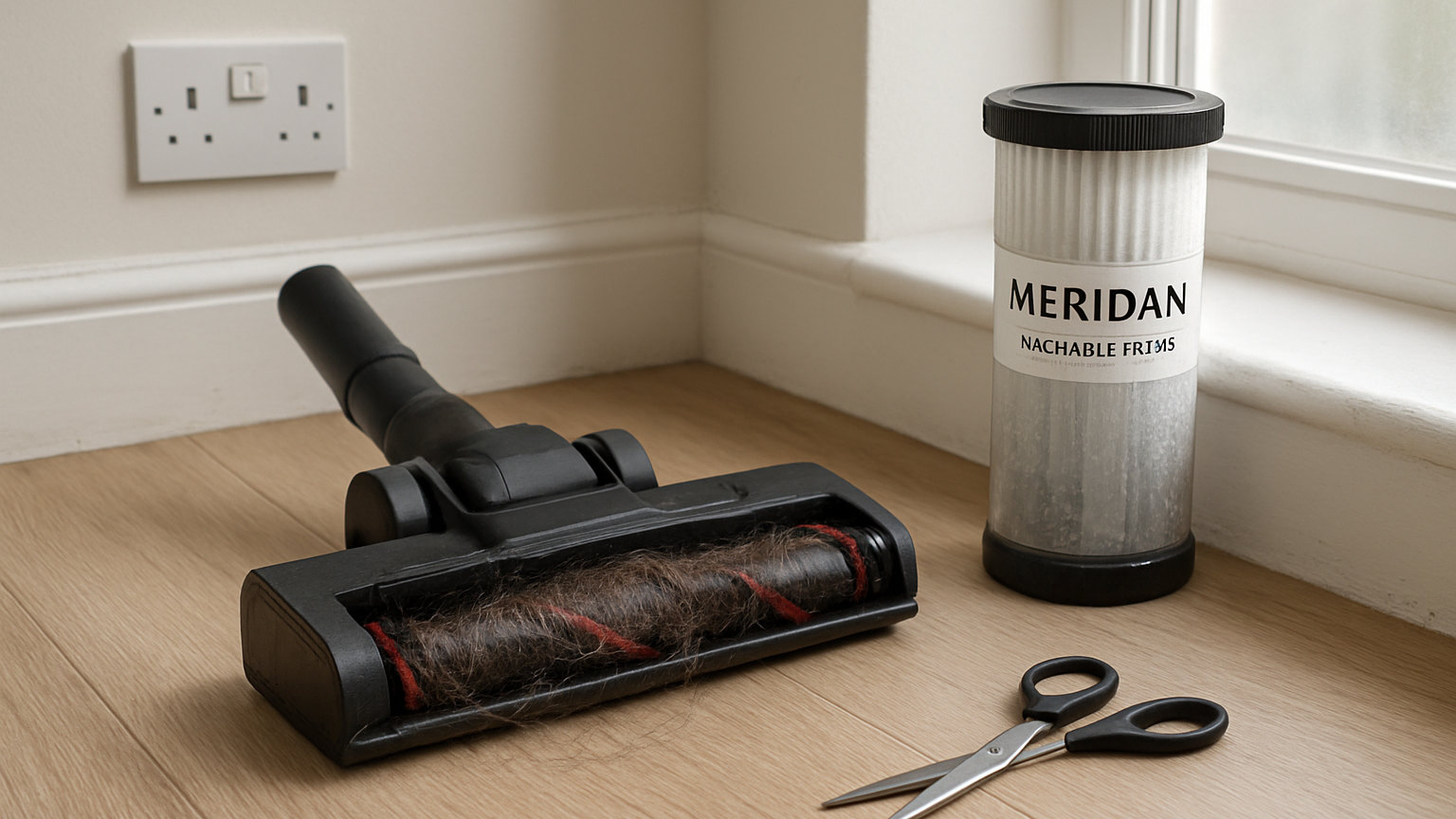
Most vacuums are replaced because of neglect rather than age, and four maintenance habits keep one working for a decade or more.
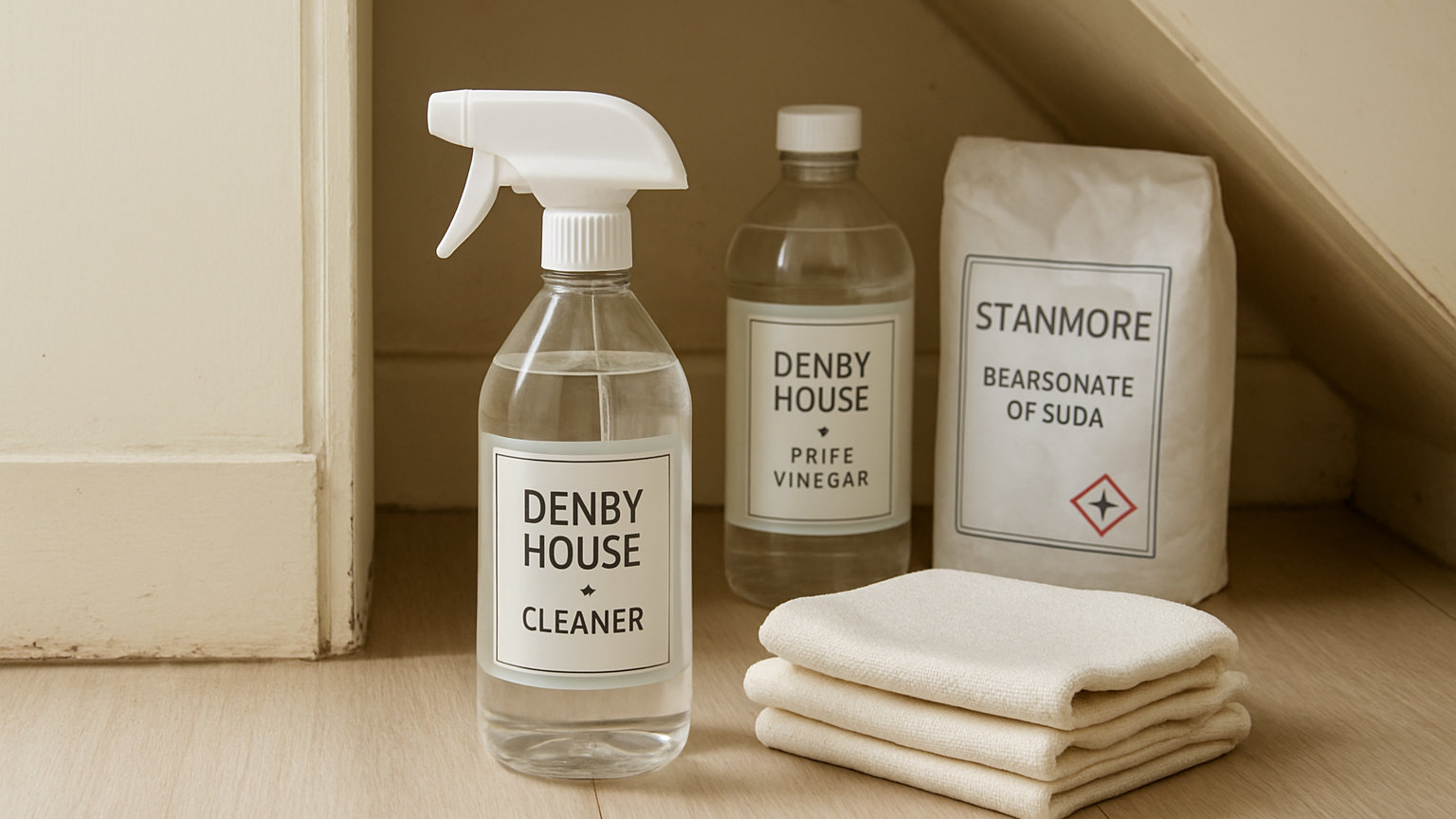
Start with four products and a bag of cloths, add the next thing only when a job actually calls for it, and the cupboard never fills with waste.
A handful of habits prevent almost every realistic household cleaning accident, and none of them takes more than a few seconds.
The changes that matter most are habits rather than purchases, and they can be adopted one at a time without replacing anything.
A few widely shared recipes are genuinely dangerous rather than merely ineffective, and two of them involve combinations that produce harmful gases.
A mattress holds skin cells, dust mites and their debris, and vacuuming is the only practical way to remove any of it.
Four types cover every household job, and the quantity matters more than the variety because running short is what causes the problems.
A caddy exists so that cleaning a room does not involve four trips to a cupboard, which is usually the reason it does not happen.
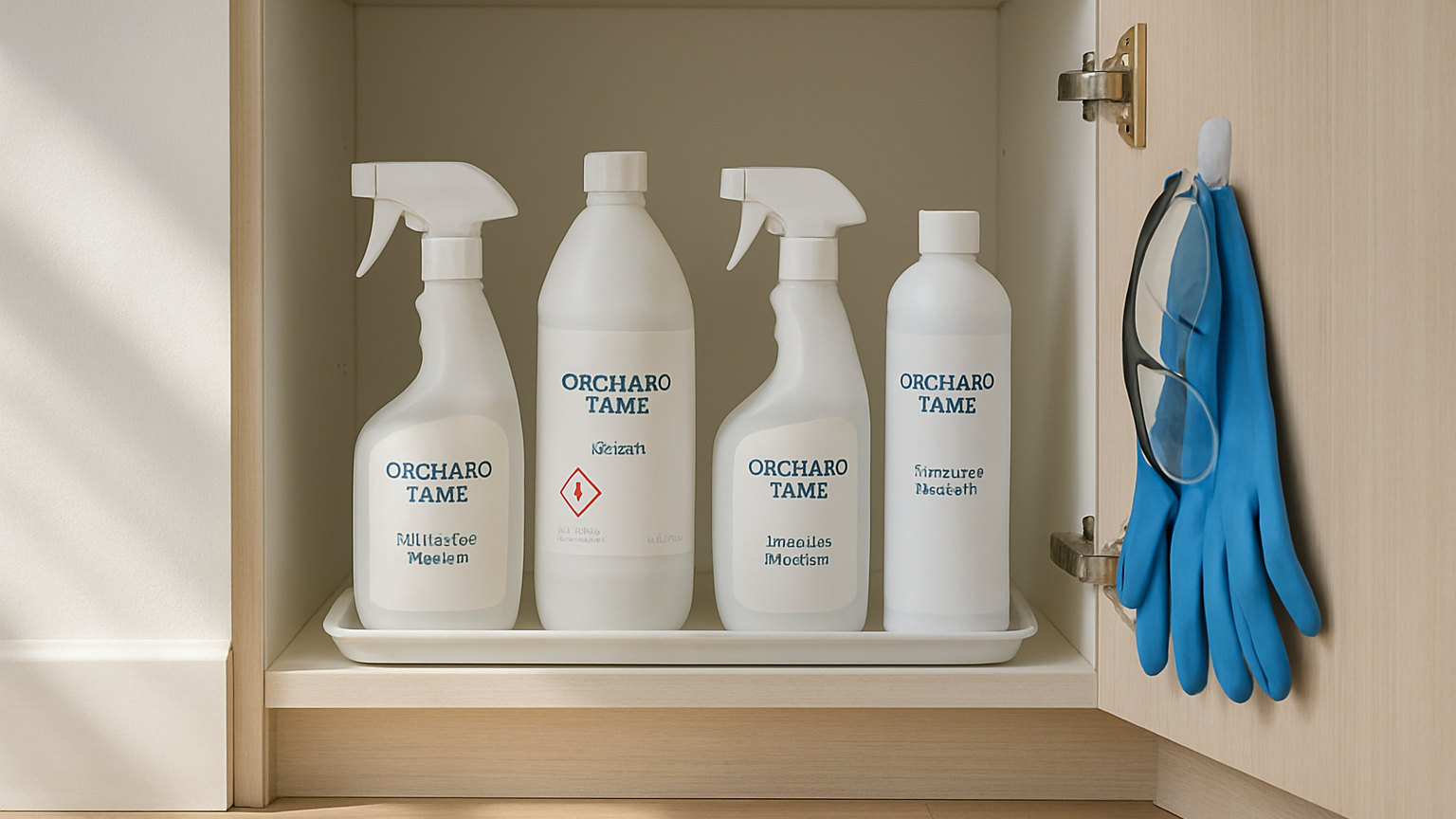
Height, separation and labelling are the three things that matter, and the cupboard under the sink fails on all of them.
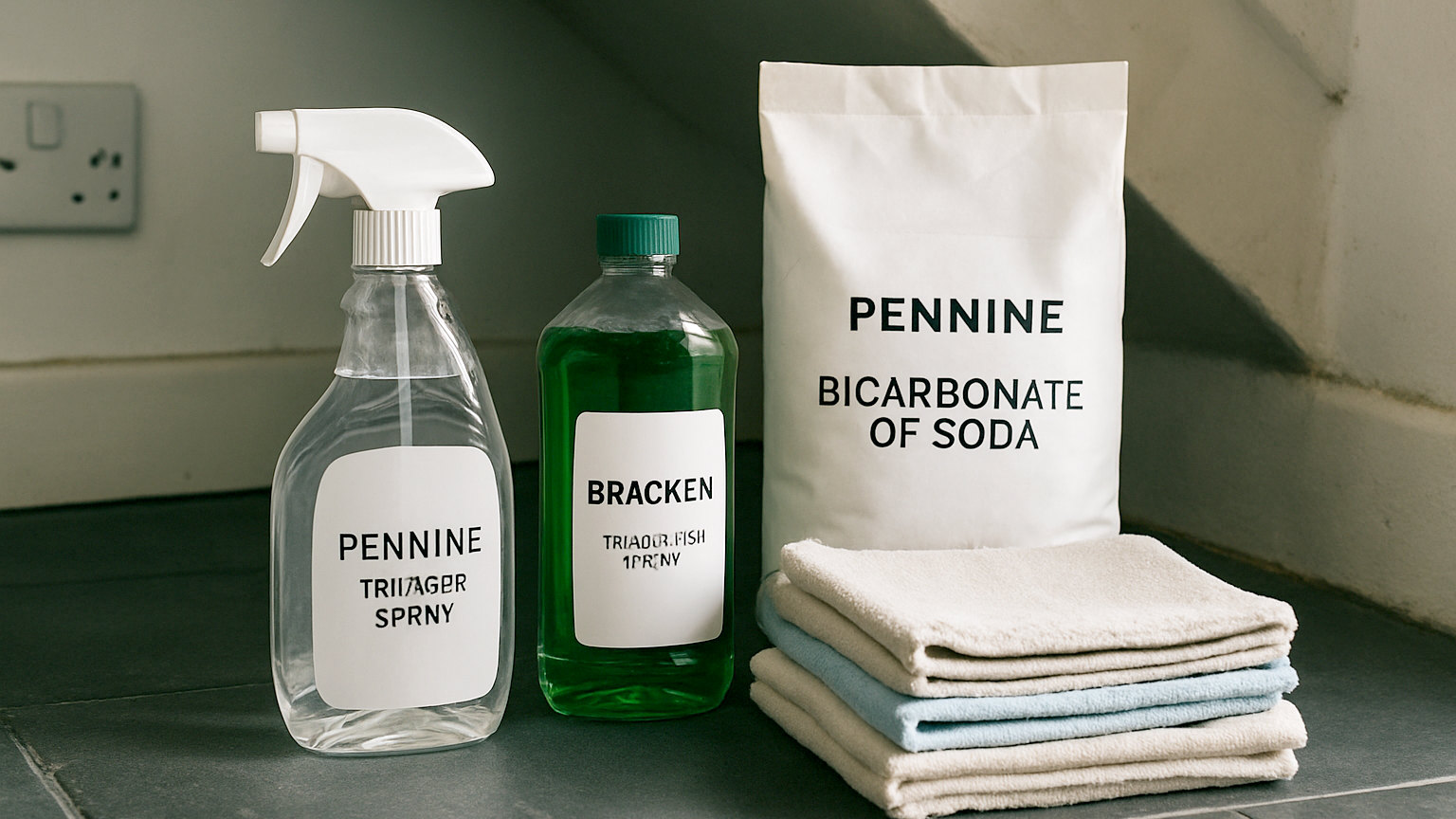
The branded eco products usually cost more and the approach as a whole costs considerably less, which is a distinction worth drawing.
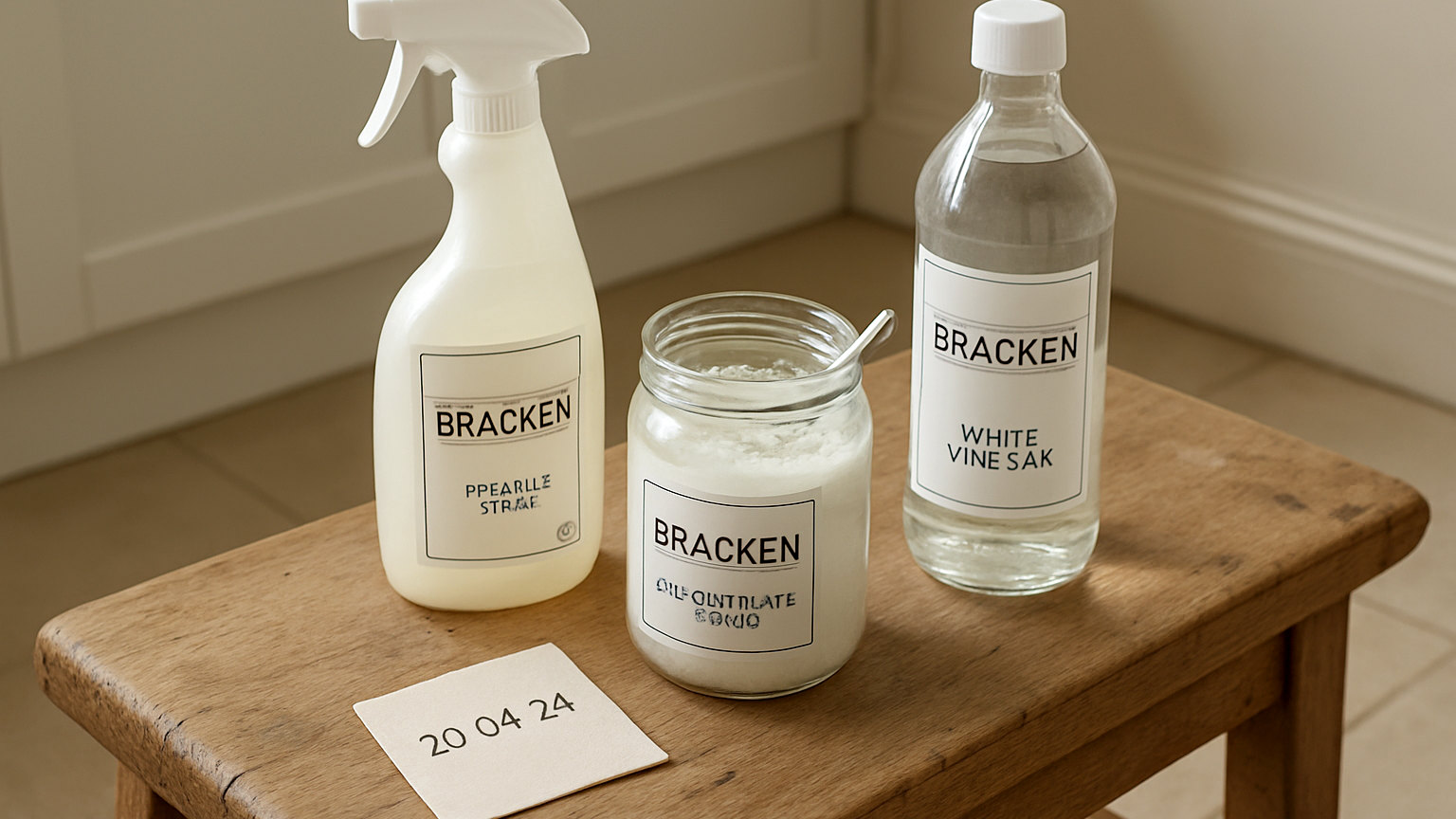
Commercial cleaners contain preservatives and homemade ones do not, which is why a water based spray goes off within weeks.