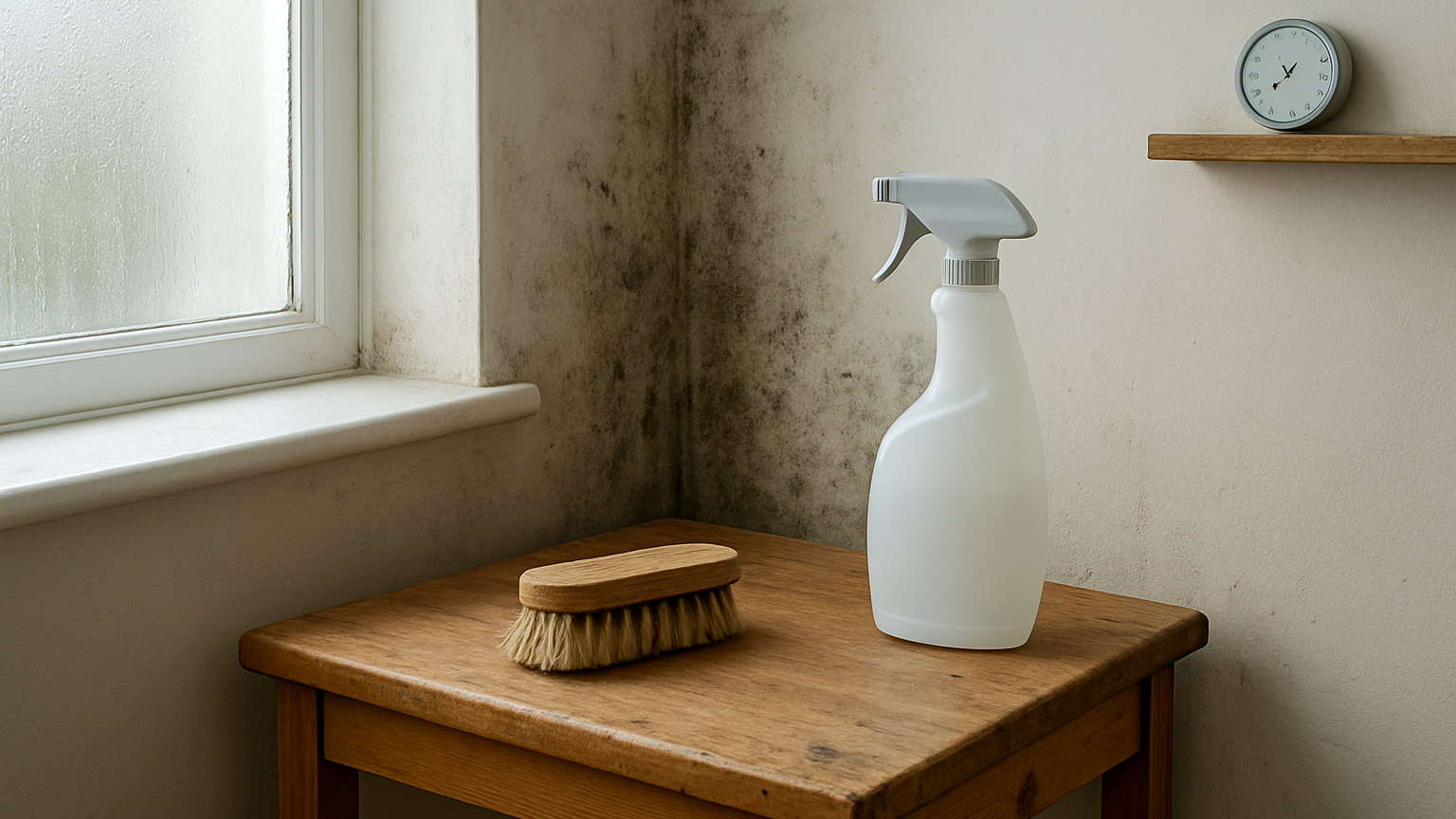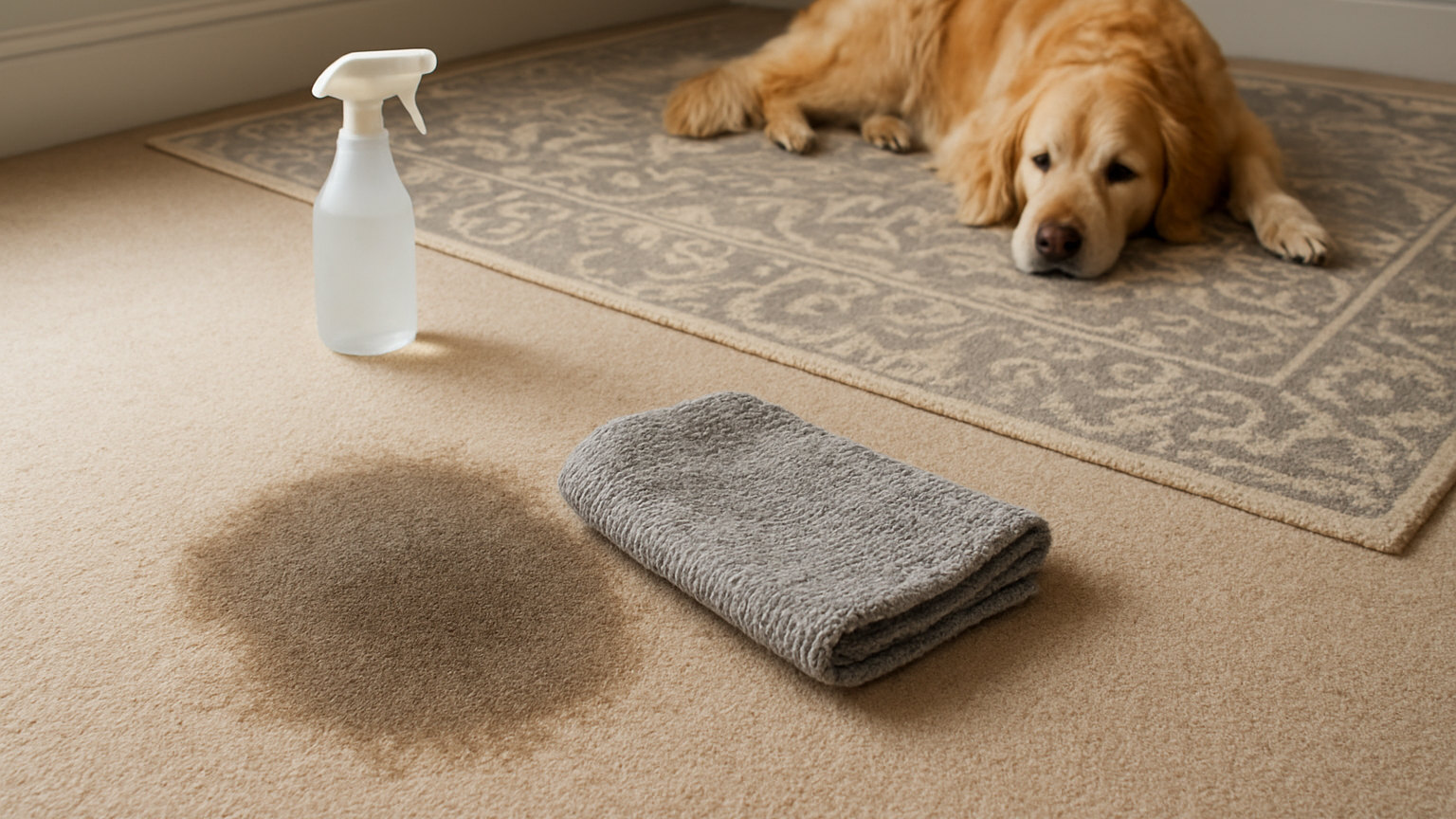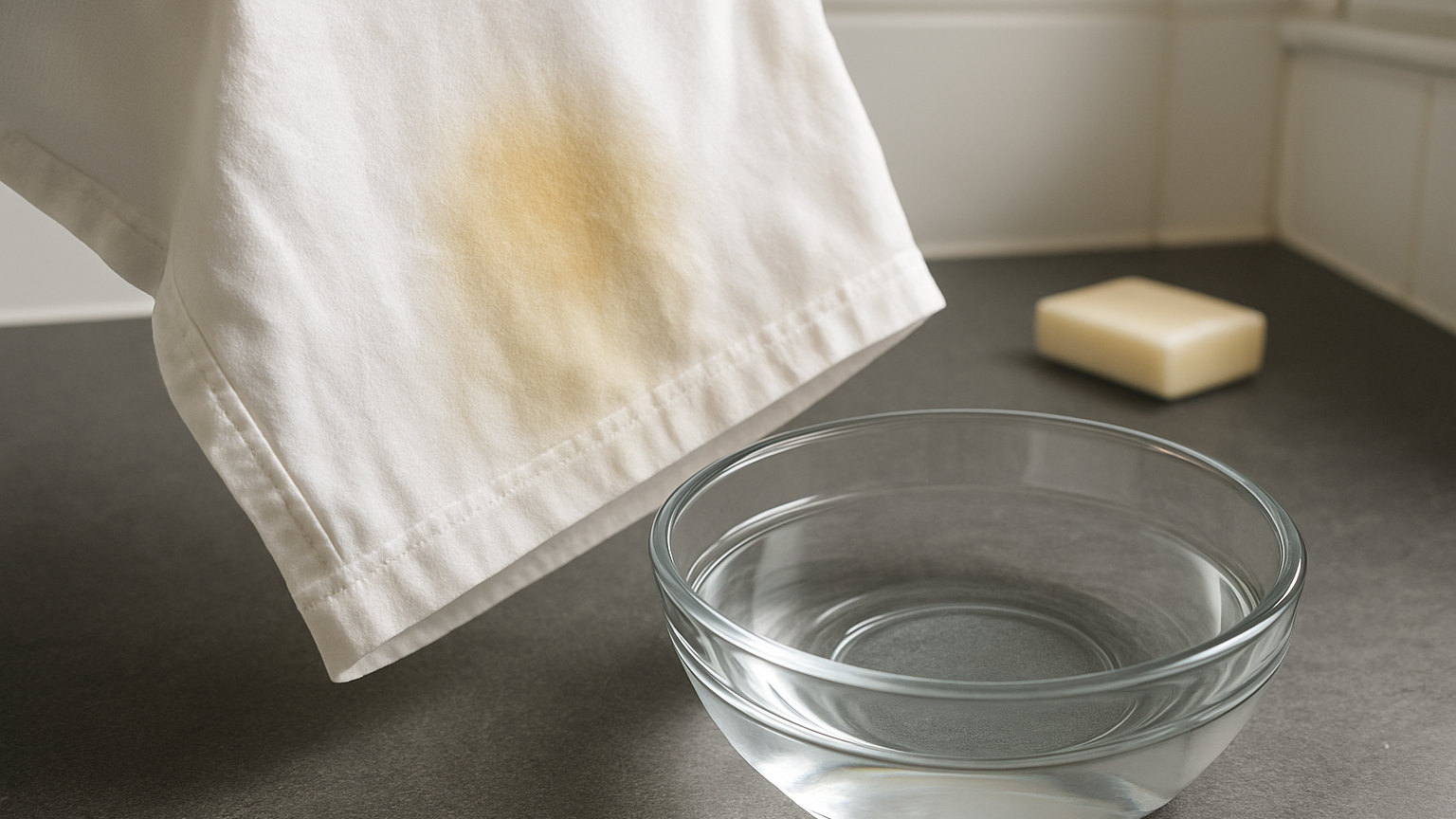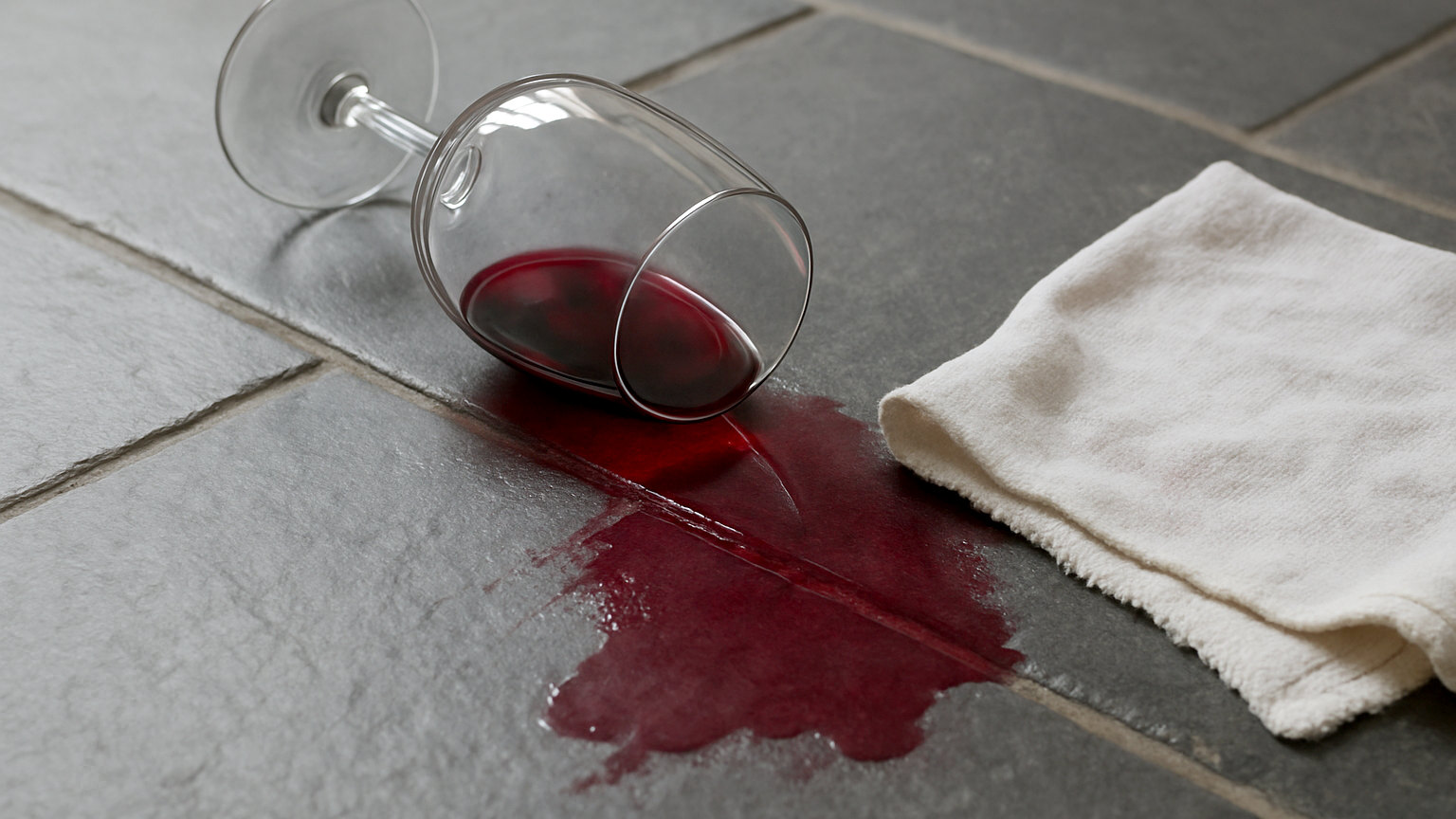
Most wine and coffee accidents happen in a handful of predictable situations: a mug on the arm of a sofa, a glass on the floor beside a chair, a takeaway cup in a car holder that does not fit it. Changing those situations removes far more risk than any product applied to the carpet.
What are the highest risk moments?
- A drink resting on a sofa arm or a cushion, which will be knocked.
- A glass on the floor beside where people walk.
- Refilling a glass over carpet rather than at a table.
- Carrying a full mug up stairs.
- A tall takeaway cup in a shallow car holder.
- Children carrying drinks between rooms.
Each has an obvious fix, and the fixes are more reliable than anything that comes in a bottle.
Do fabric protectors work?
Genuinely, within limits. A fluorochemical or silicone based protector applied to carpet or upholstery makes the surface repel liquid, so a spill beads and sits on top rather than soaking straight into the backing. That buys time, and with wine and coffee time is what decides the outcome.
The limits are worth understanding. It does not make anything stain proof, it wears off in traffic areas within a year or two, and it needs reapplying after a deep clean. It also works best on new or freshly cleaned material, since it cannot bond properly to a soiled surface.
Many carpets and sofas come with a factory applied protector, which is why a new carpet handles a spill better than the same carpet three years later.
How should a spill kit be put together?
A small box kept where drinks are actually consumed, containing white cloths or a roll of kitchen paper, a spray bottle of cold water, washing up liquid, and a clinging wine stain remover for carpet. White cloths specifically, since a coloured one can transfer dye into damp carpet.
The value of a spill kit is entirely in the first two minutes, so it needs to be in the room rather than in a cupboard under the sink.
What changes make the most difference?
- Lidded travel mugs for anything carried between rooms or into a car.
- A side table within reach of every seat, so nothing is put on the floor or on an arm.
- Trays for carrying drinks, which stops the tipping that happens on stairs.
- A washable rug in the area where people sit with drinks.
- Weighted or wide based glasses, which tip far less readily.
- A hard floor with rugs rather than fitted carpet in a dining area.
What about upholstery choices?
Removable, washable covers are worth more than any treatment, since a cover can go in the machine and a fixed cushion cannot. Darker and patterned fabrics hide the inevitable better than pale plain ones.
Check the cleaning code before buying rather than afterwards. An S coded sofa in a household that drinks red wine is a decision that will be regretted, since water cannot be used on it at all.
Is it worth treating a carpet professionally?
After a deep clean, applying a protector is a reasonable addition and costs relatively little on top. It is most worthwhile in a dining area, a hallway or a room used by small children, and least worthwhile in a bedroom.
What about tablecloths?
A washable cotton or linen cloth is the practical choice, since it can be soaked and washed hot. A protective cloth or a wipe clean topper for everyday meals keeps the good linen for occasions.
Whatever is used, never put it away untreated after a meal, since invisible sugar and tannin residue browns over the following months.
What is the single most useful habit?
Dealing with a spill in the first minute rather than finishing a conversation first. Every treatment in this section works better on a wet stain than a dry one, and no product compensates for the ten minutes during which nobody moved.