How Do You Clean a Car After Carrying a Dog?
A car boot is a sealed box with fabric on every surface, which is why a damp dog carried once can leave a smell that lasts a month.
By Cleaning Guides Team
25 Jul 2026

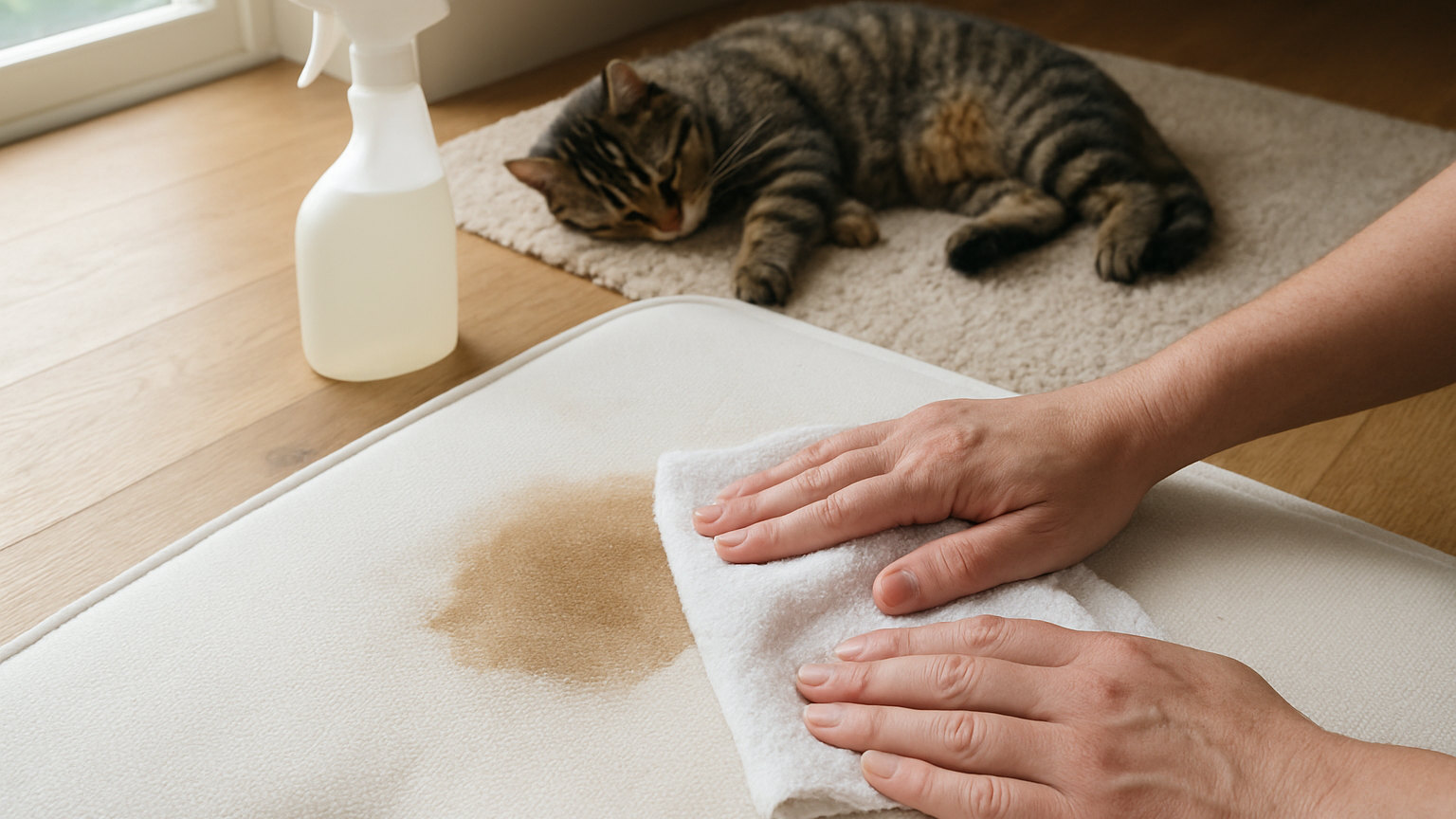
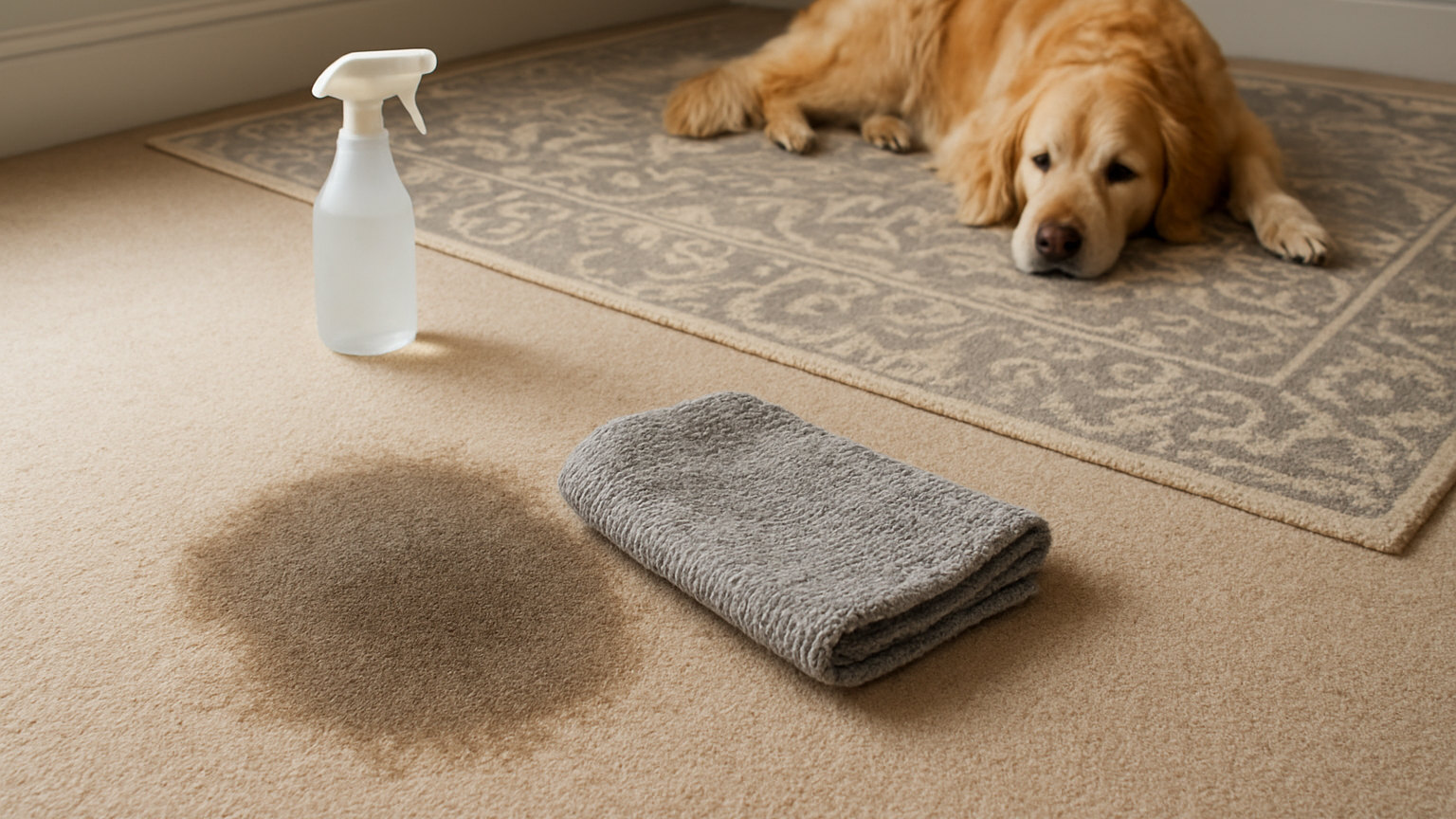
Urine, vomit and mud on carpet, and why enzyme cleaners matter for repeat accidents.
A car boot is a sealed box with fabric on every surface, which is why a damp dog carried once can leave a smell that lasts a month.
Cats in particular cannot metabolise several common cleaning ingredients, and a few widely recommended natural products are among the worst offenders.
A house that smells of pets has the source in soft furnishings and ventilation rather than in the animal, and masking it makes the problem harder to find.
Drool and nose prints are protein and oil, which is why they smear rather than wipe and why glass cleaner alone leaves a haze behind.
Most litter tray smell comes from the tray itself rather than its contents, and plastic that has been scratched holds odour permanently.
A mattress cannot be rinsed and takes days to dry, which makes a pet accident on one the hardest version of an already difficult stain.
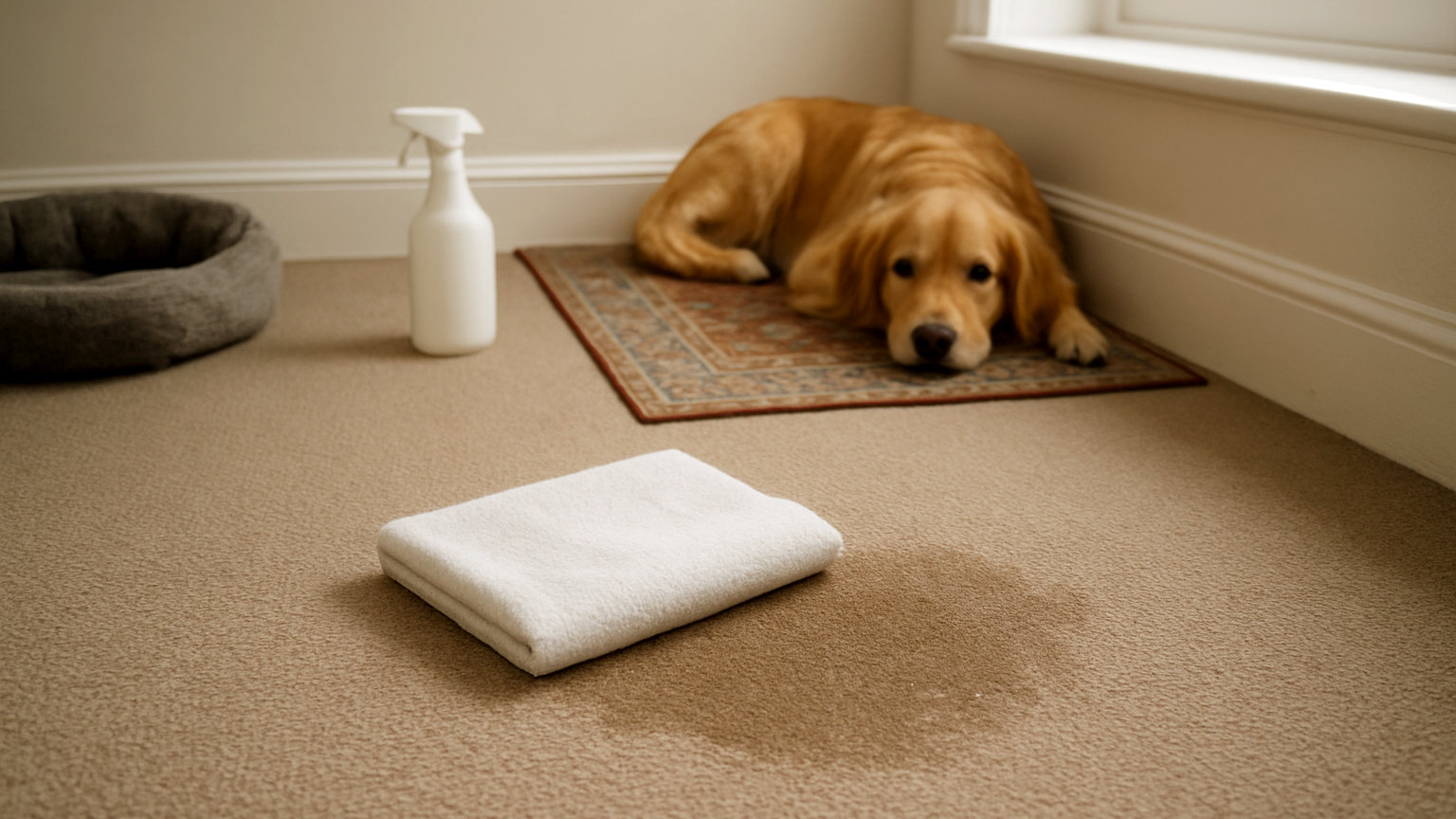
An animal returns to a spot because it can still smell it, so the cleaning and the behaviour are the same problem rather than two.
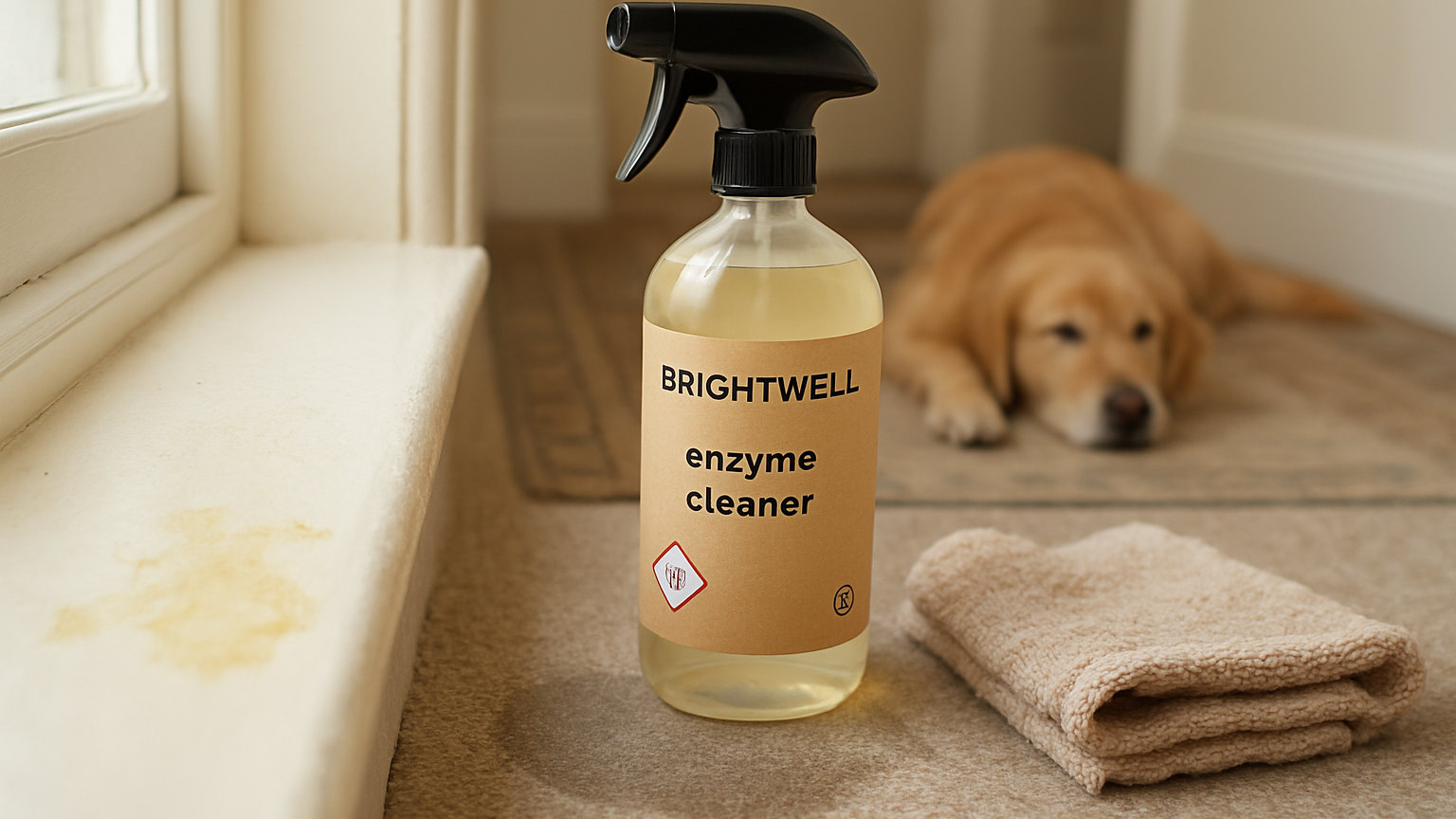
They are the only household product that removes urine residue rather than covering it, and most failures come from how they are used.
Pet bedding carries hair, dander, saliva and outdoor soil, and washing it alongside household laundry transfers all of it into everything else.
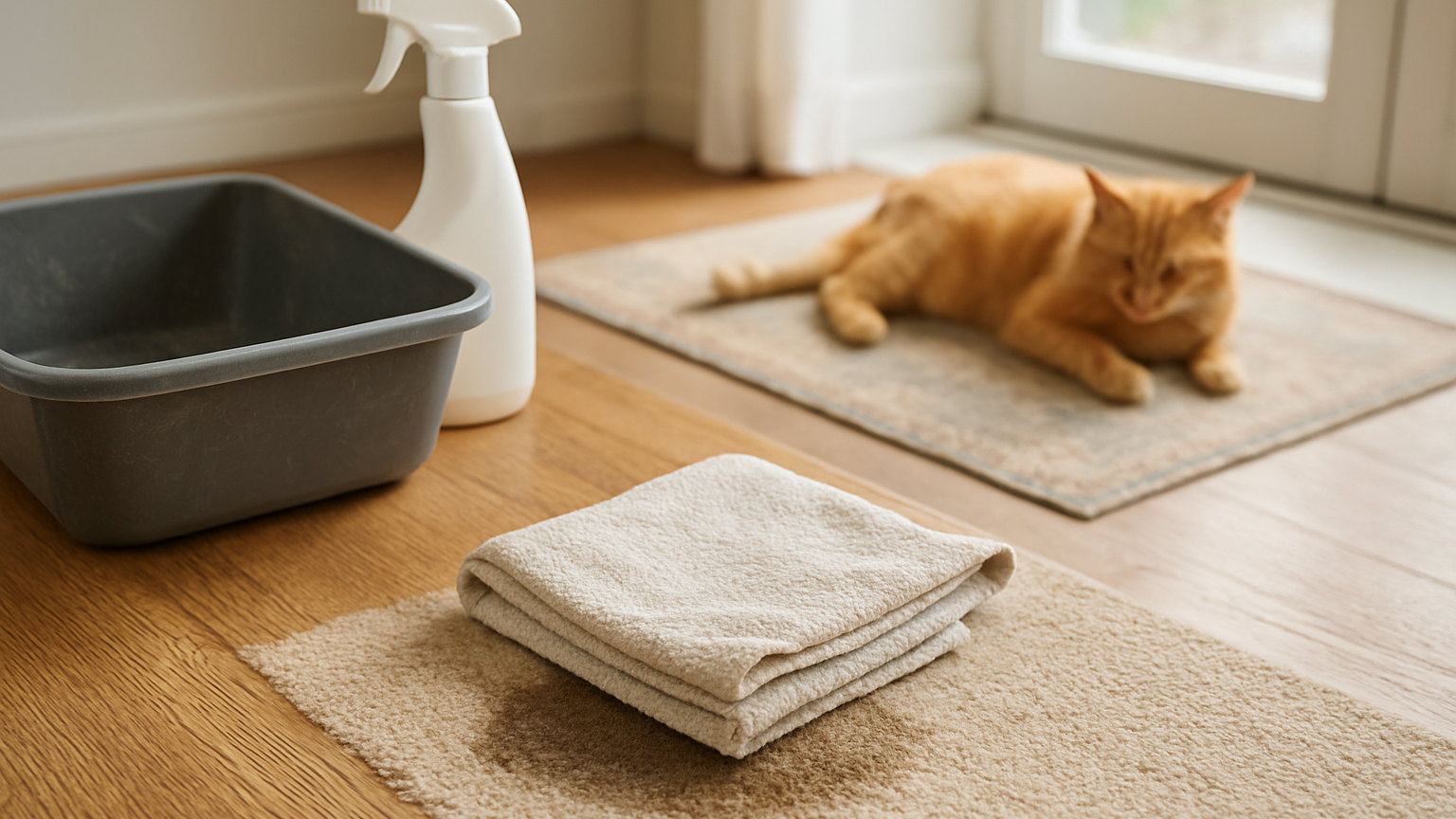
On a sealed floor cat urine wipes away, and the problem is almost always what has run into the joints where nothing can reach it.
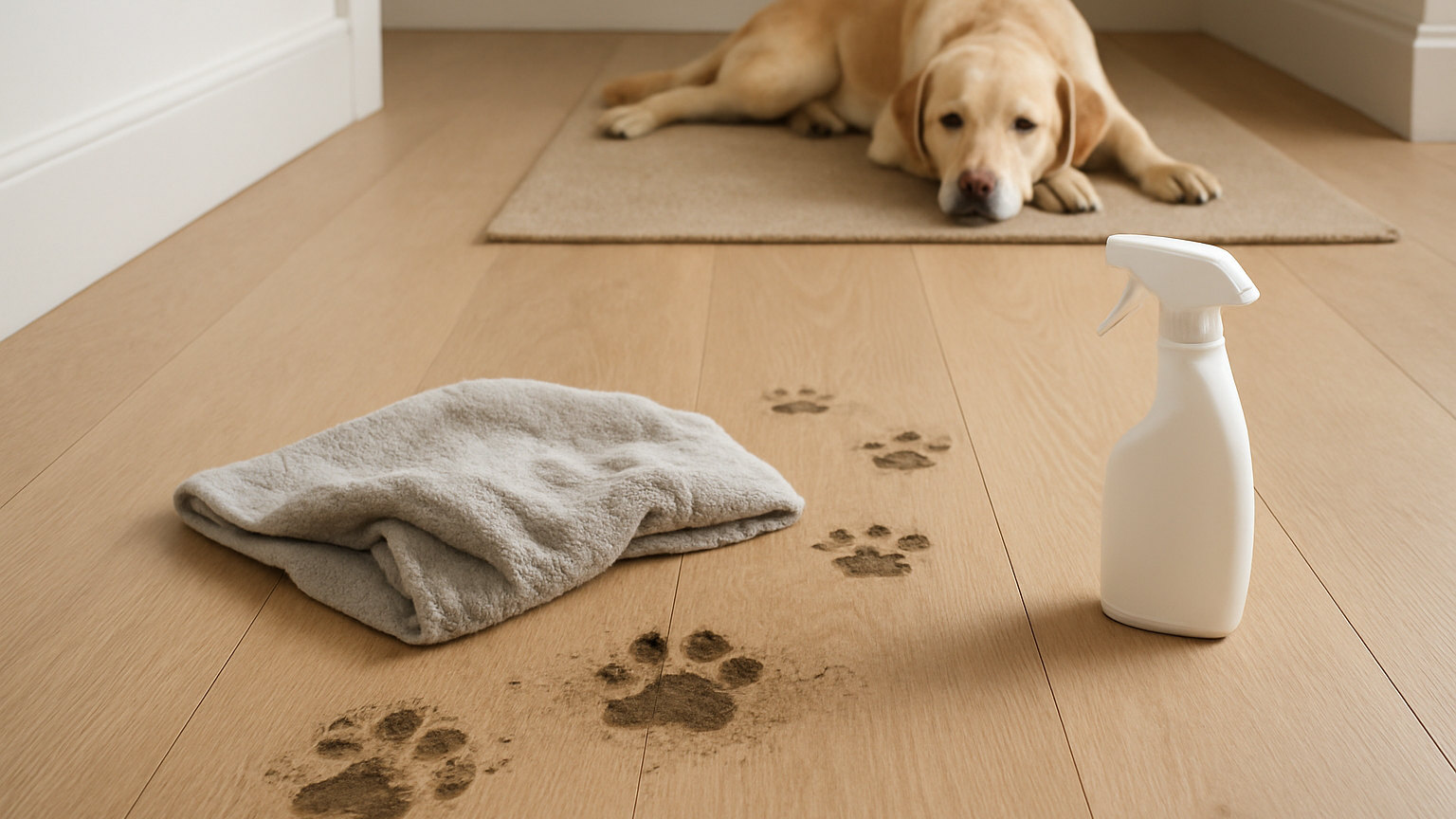
Wet mud spreads into three times the area it started in, so the useful answer is to intercept the dog at the door and let the mud dry.
Pet vomit is acidic as well as protein based, which means it can bleach carpet colour permanently if it is left for more than a few minutes.