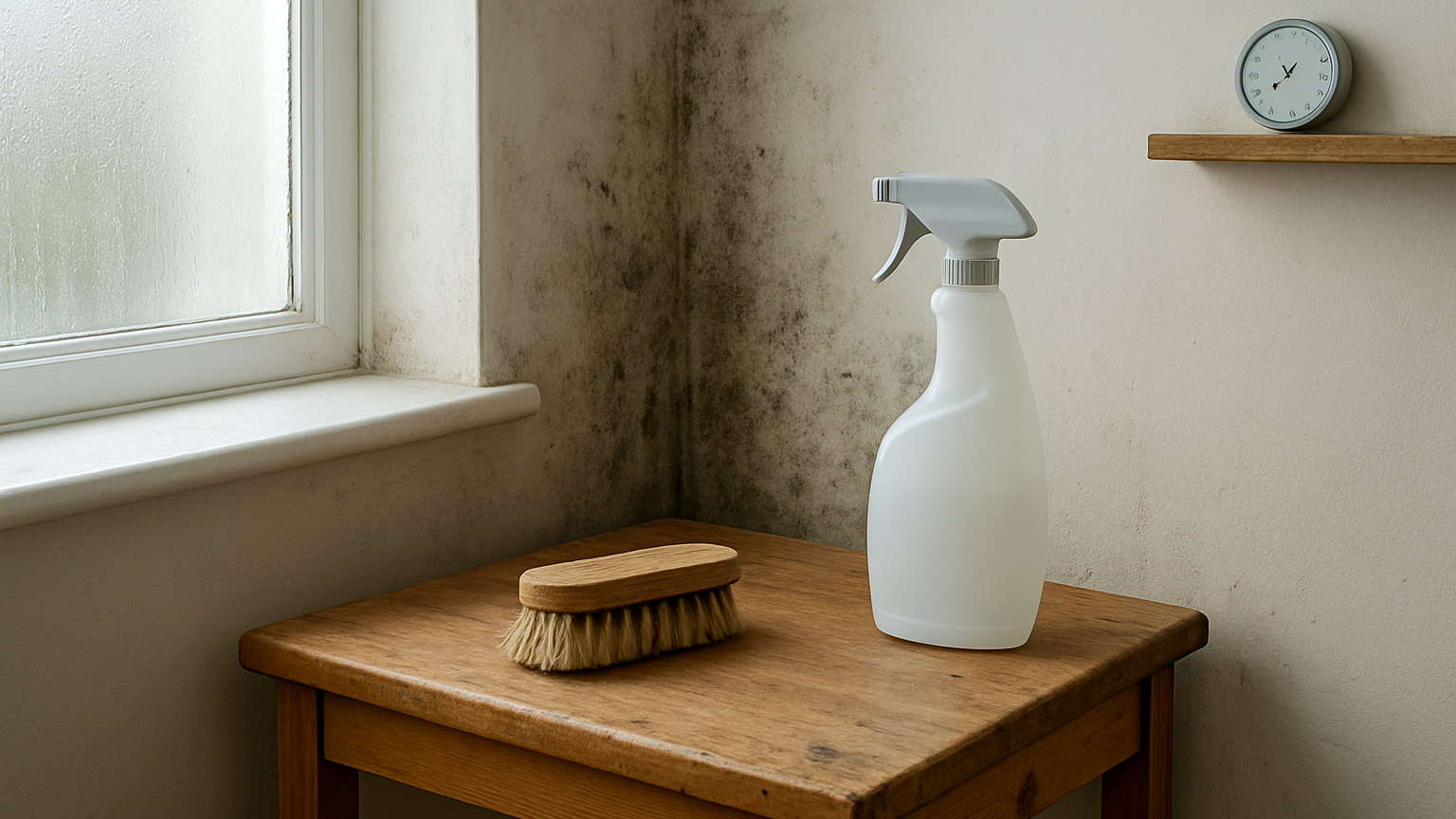
When Should You Call Someone About Damp?
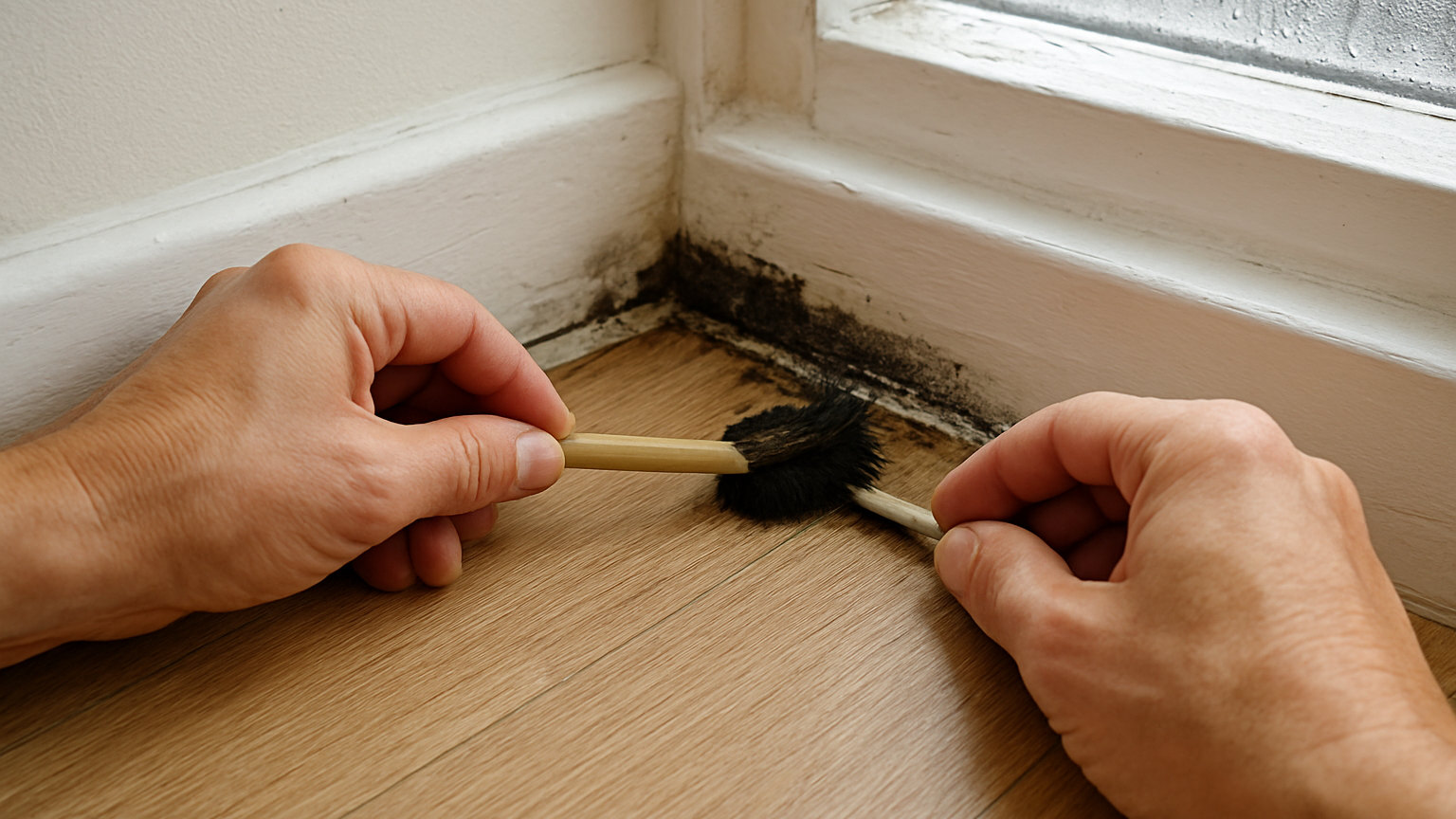
The dividing line is whether the damp is seasonal or constant, because one is a household habit problem and the other is a building fault.
By Cleaning Guides Team
26 Jul 2026

Stain removal is mostly about doing the right thing in the first five minutes and not doing the wrong thing at all. These guides are organised by what caused the mark rather than by product, because the chemistry differs: protein stains need cold water, grease needs the opposite, and heat sets several of them permanently. Every guide says what to do first, what to avoid, and when a stain is not coming out.
The dividing line is whether the damp is seasonal or constant, because one is a household habit problem and the other is a building fault.
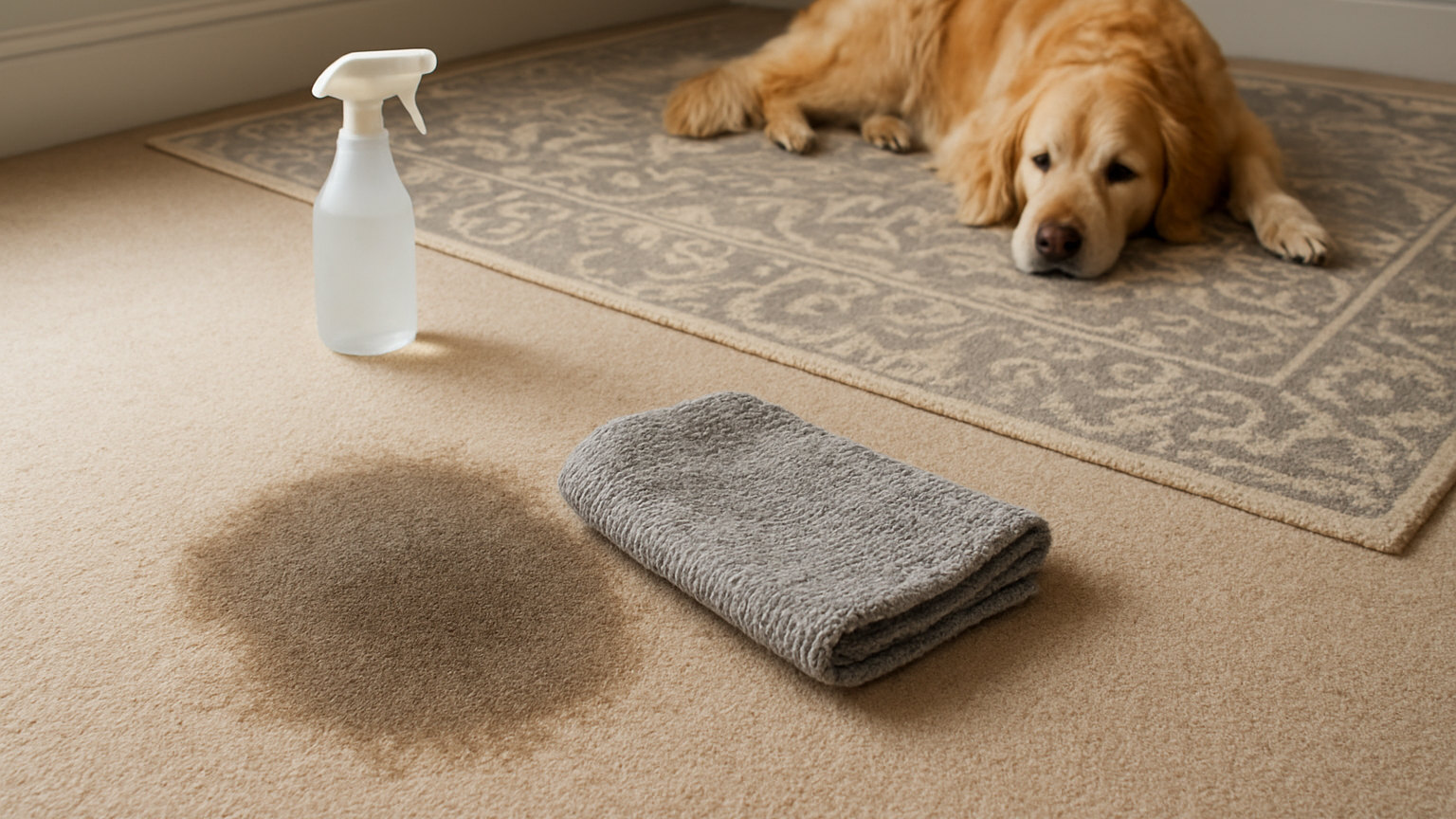
A car boot is a sealed box with fabric on every surface, which is why a damp dog carried once can leave a smell that lasts a month.
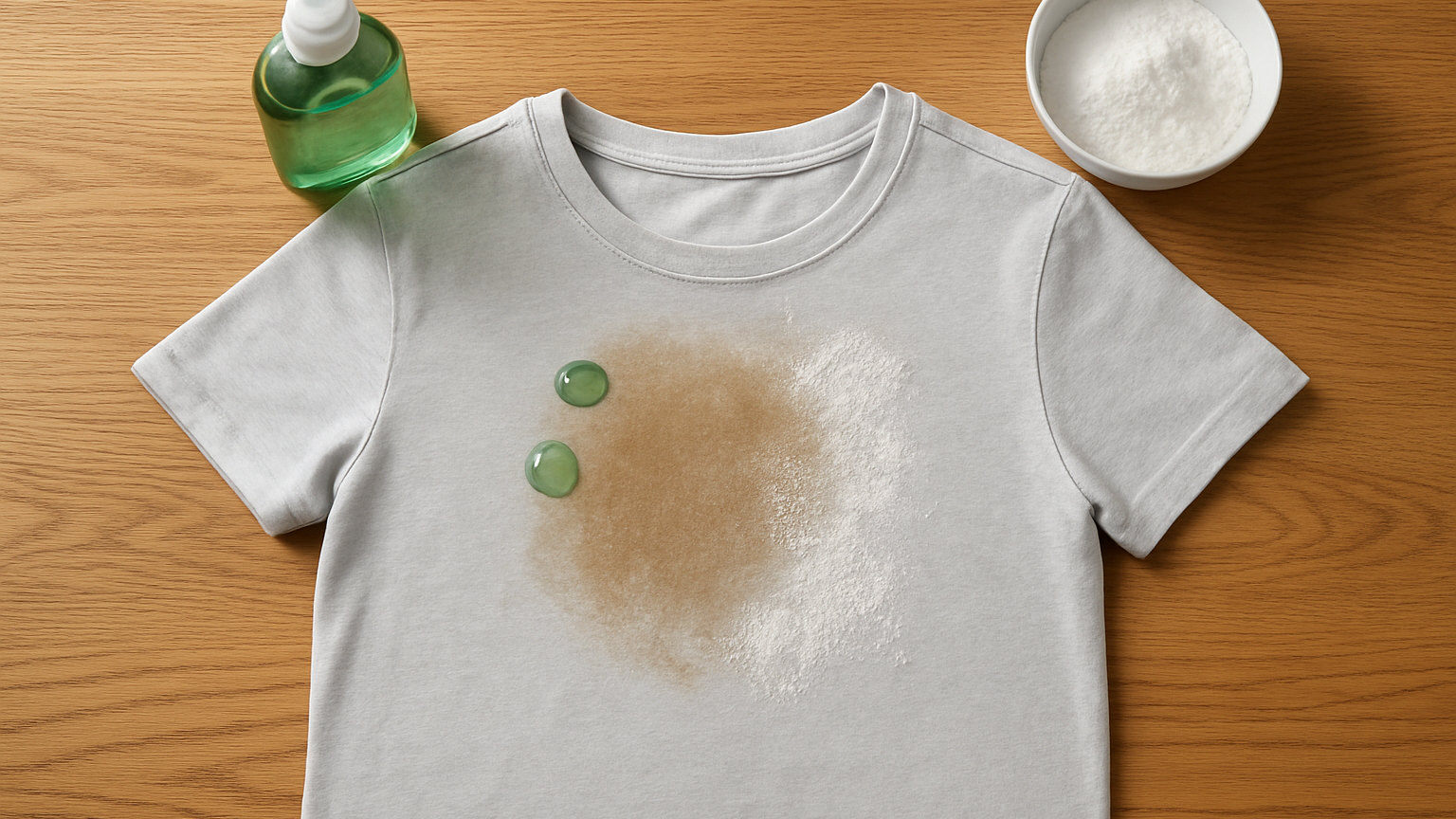
Preventing the marks is far easier than removing them, and most of it comes down to what goes on the skin and how soon the shirt gets rinsed.
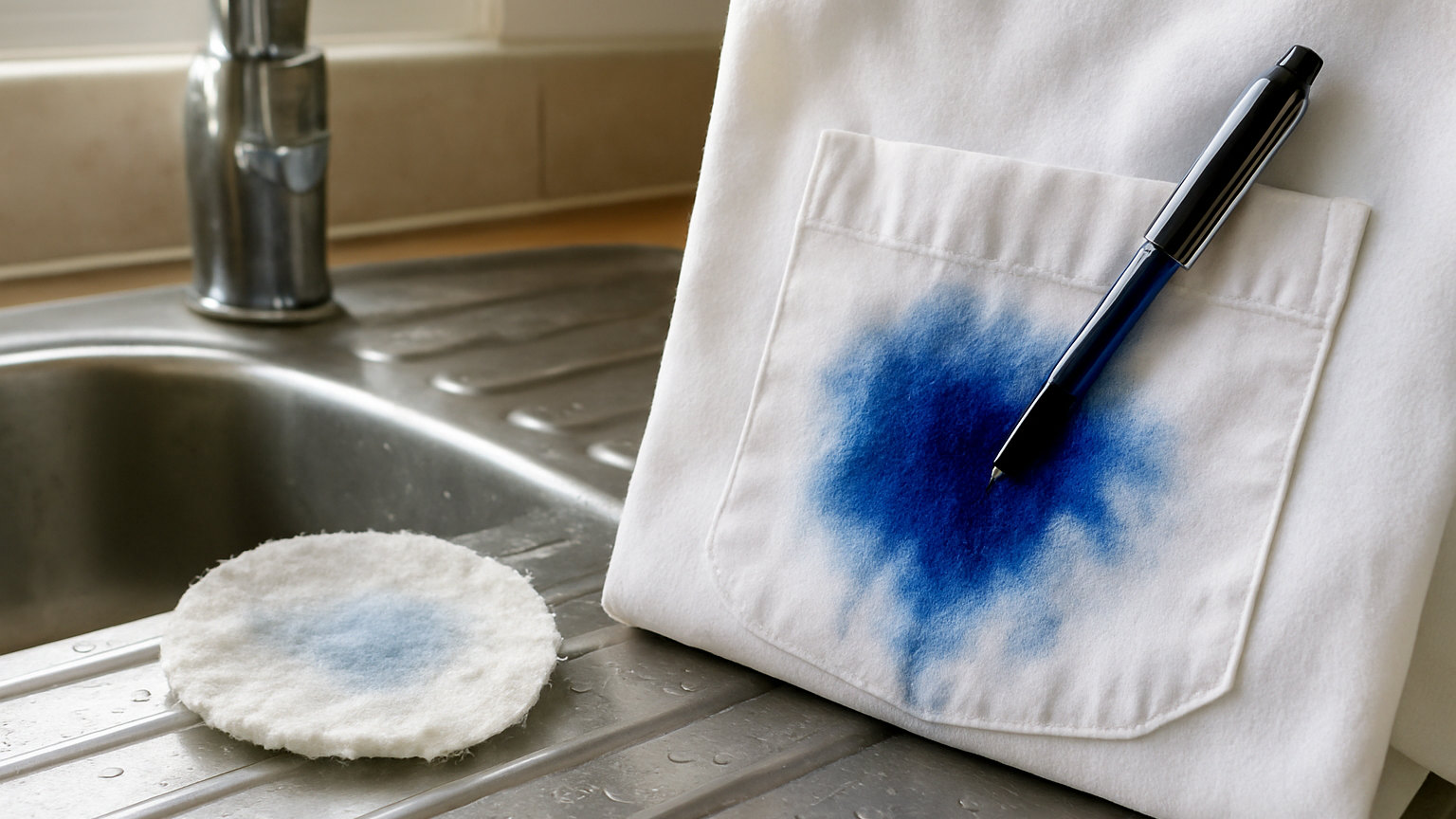
A pen through a wash cycle marks the whole load and the drum, and what you do before anything goes in a dryer decides how much survives.
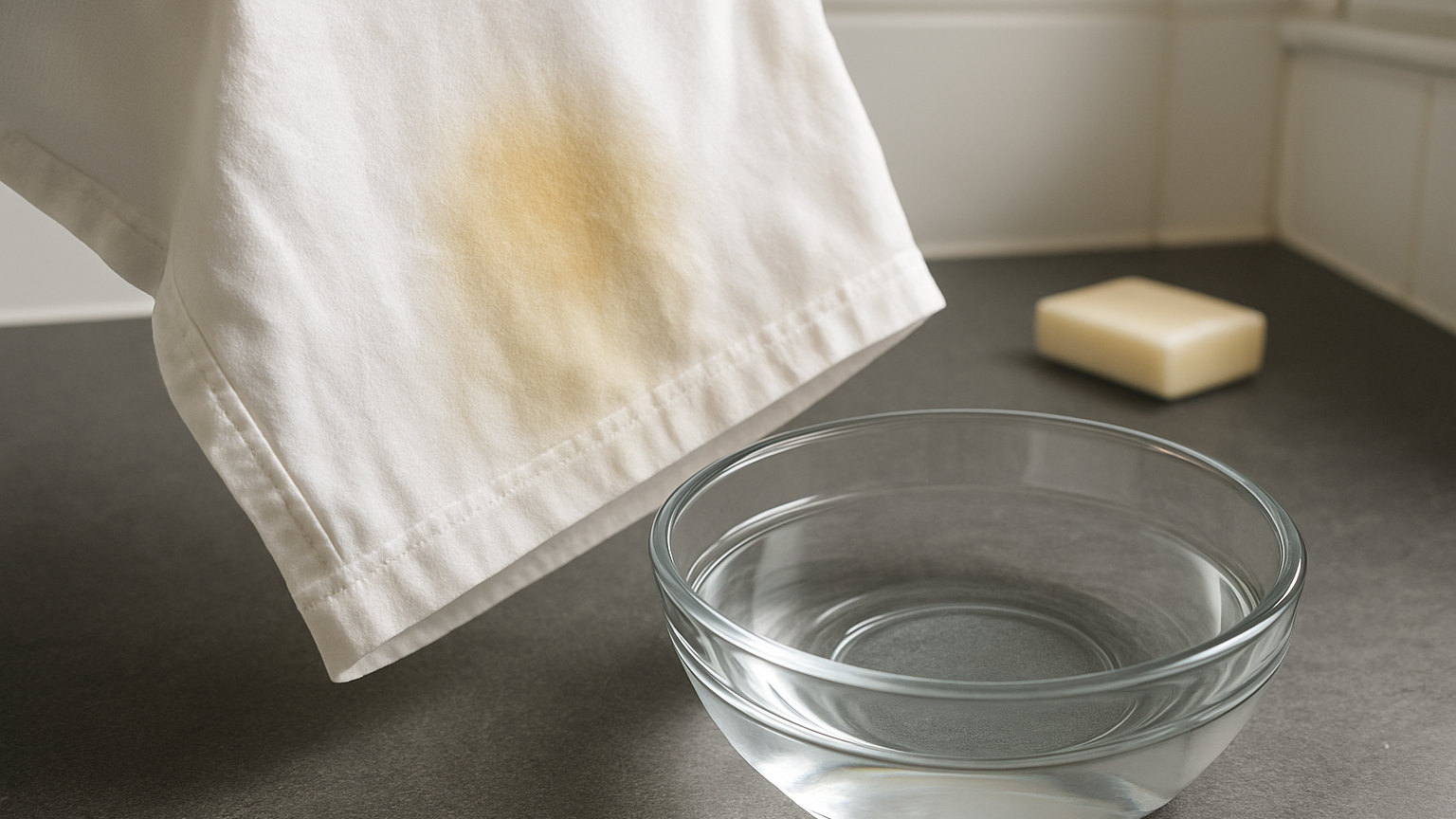
A grease mark that comes back was never fully removed, and the wash took out the oil near the surface while leaving the rest deeper in the fibre.
Prevention here is mostly about where things are put down rather than about protective products, and a few small changes remove most of the risk.
Six inexpensive items handle the great majority of household stains, and most of them are already somewhere in the house.
Green and black growth on outdoor furniture is algae as often as mould, and the treatment differs by material more than by what is growing.
Cats in particular cannot metabolise several common cleaning ingredients, and a few widely recommended natural products are among the worst offenders.
Vomit is a hygiene job as much as a stain one, and the order of work protects the household as much as it protects the carpet.
Newsprint ink is carbon black in an oil base, which means it transfers readily onto anything damp or absorbent and comes out as a grease stain.
Kitchen textiles accumulate grease faster than anything else in a house, and once they are saturated they stop cleaning and start smearing.