How Should You Organise a Fridge?
Where things go in a fridge is a food safety decision before it is a tidiness one, and raw meat on the bottom shelf is the rule that matters most.
By Cleaning Guides Team
10 Jun 2026

Cleaning out, defrosting, drain holes, seals and getting rid of a smell for good.
Where things go in a fridge is a food safety decision before it is a tidiness one, and raw meat on the bottom shelf is the rule that matters most.
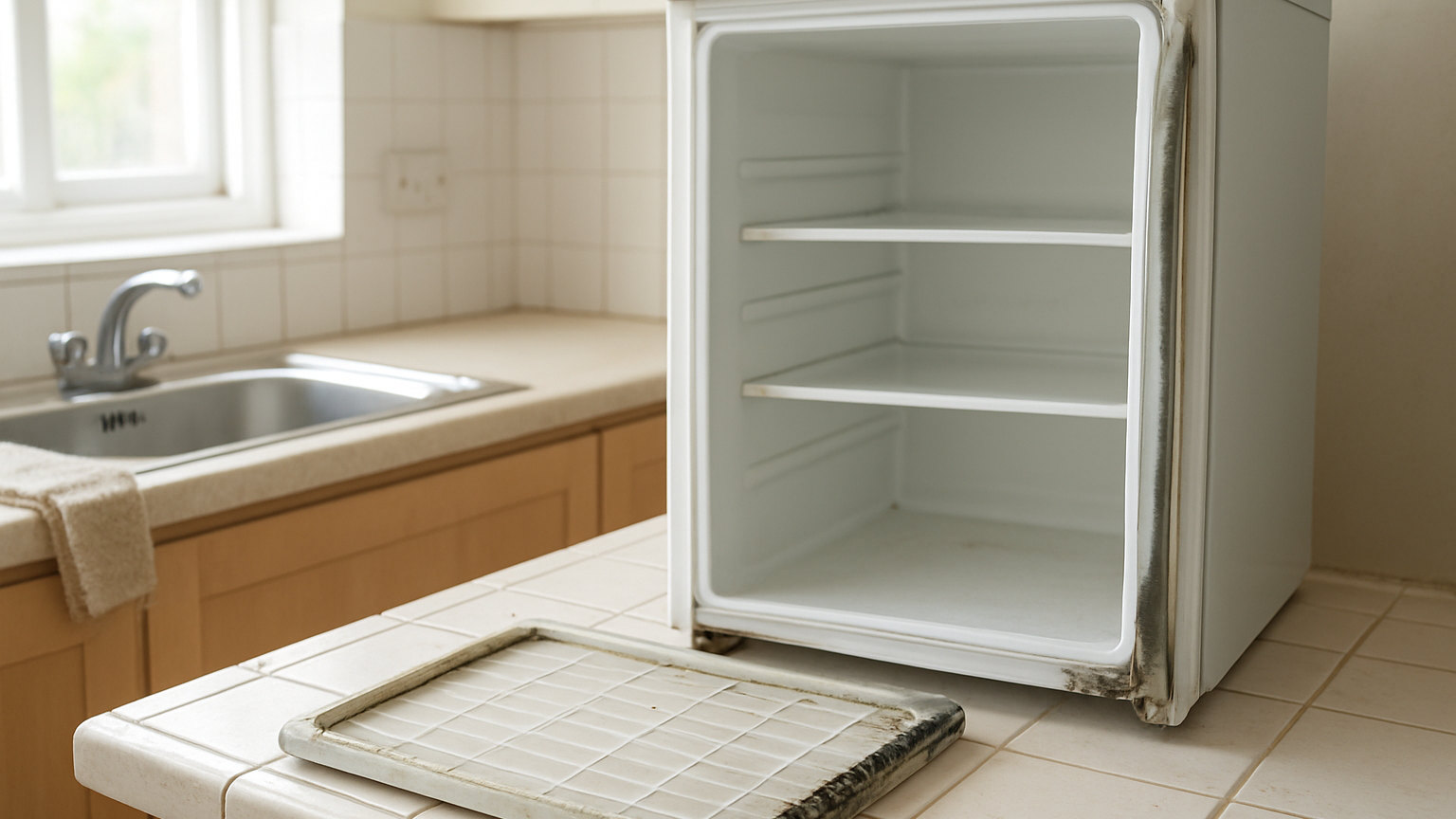
A fridge left switched off with the door closed grows mould within a fortnight, and it is one of the least pleasant things to come home to.
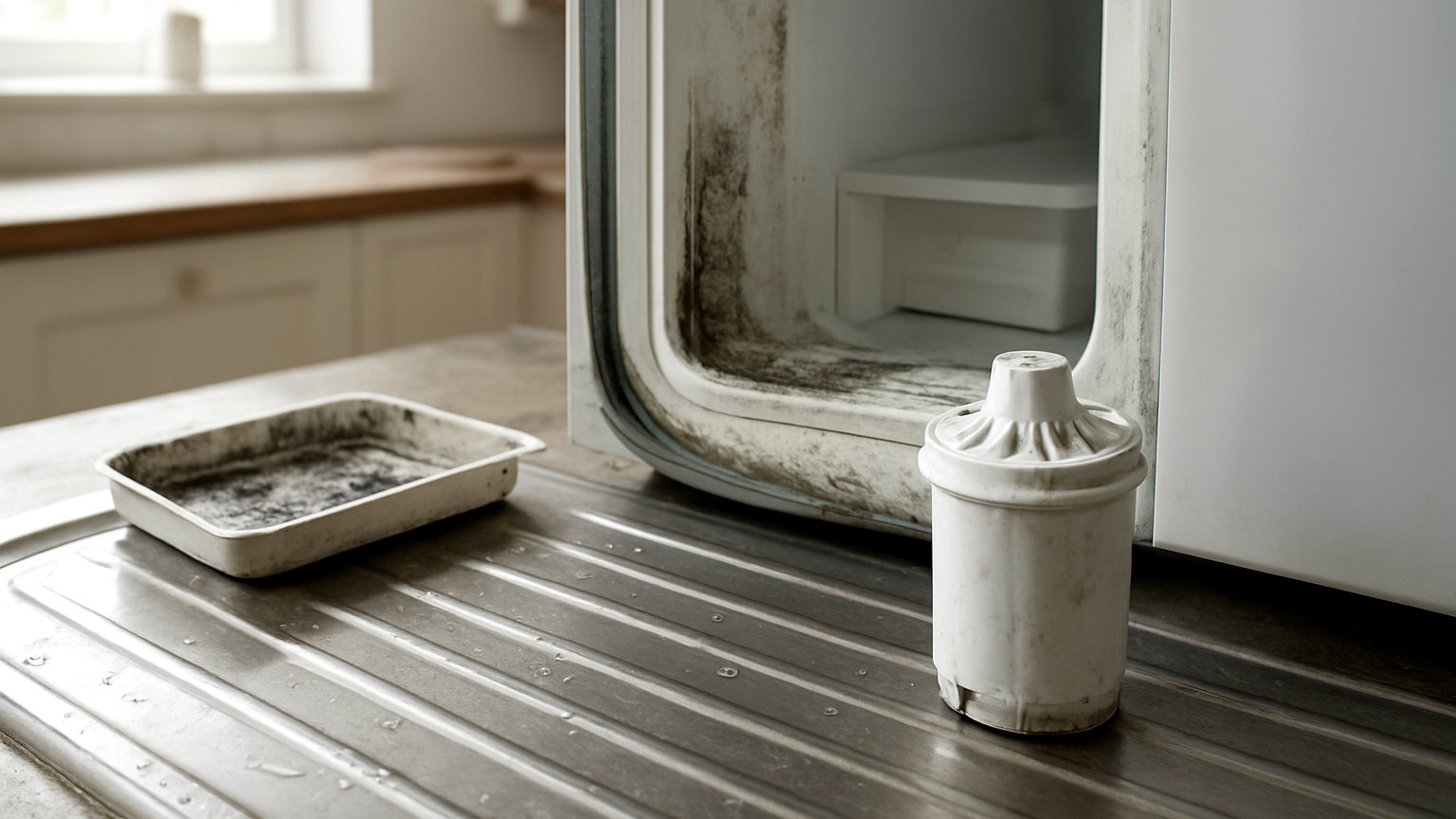
A water dispenser has a filter that needs changing and a drip tray that grows mould, and both are usually forgotten until something tastes wrong.
Cold slows mould down without stopping it, which is why a forgotten pot at the back of a fridge still grows a full colony.
Five degrees or below for a fridge and minus eighteen for a freezer, and the dial on most fridges is a setting rather than a temperature.
The condenser coils at the back collect dust that makes the compressor work harder, and vacuuming them once a year is the most useful five minutes in the kitchen.
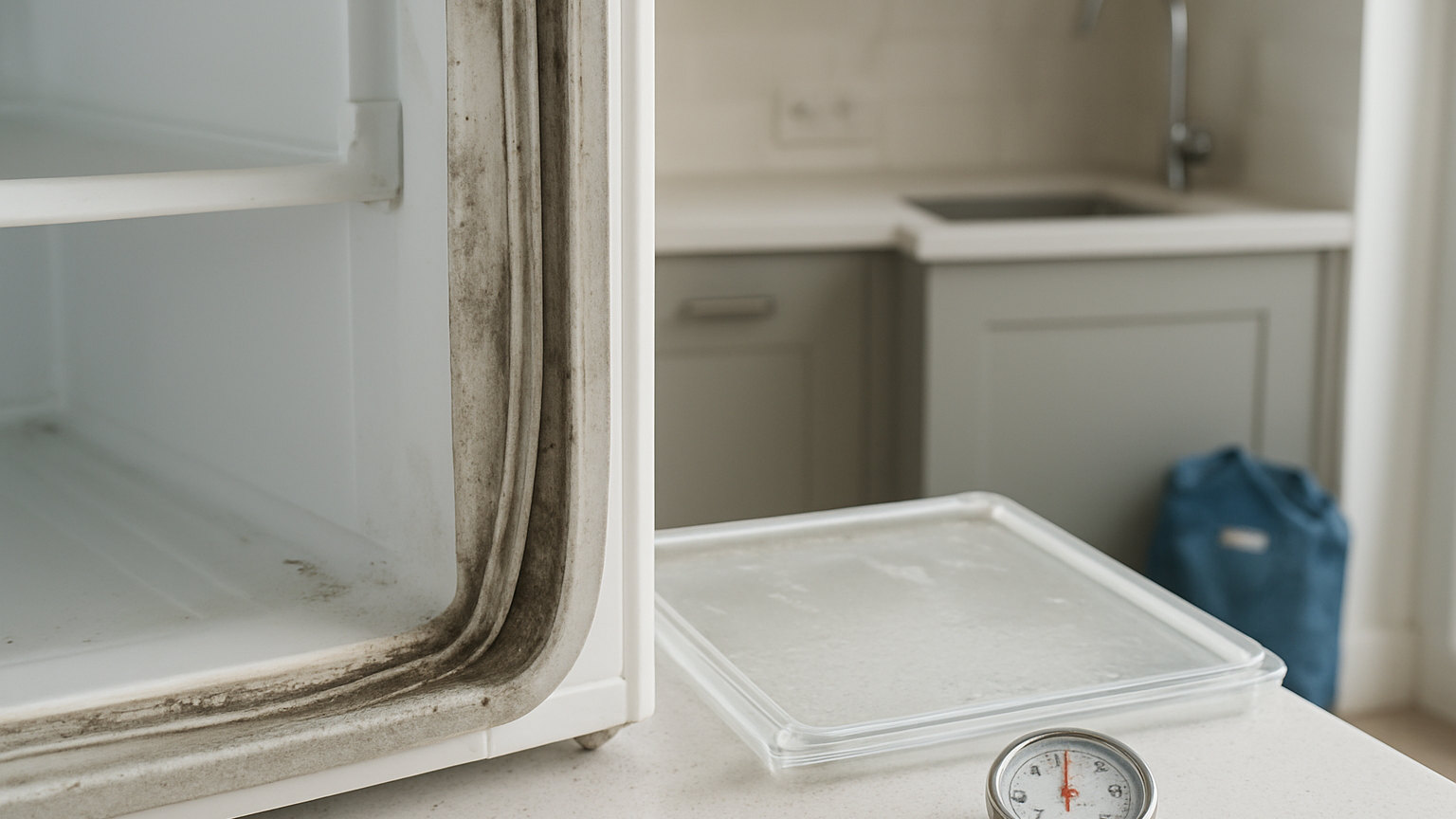
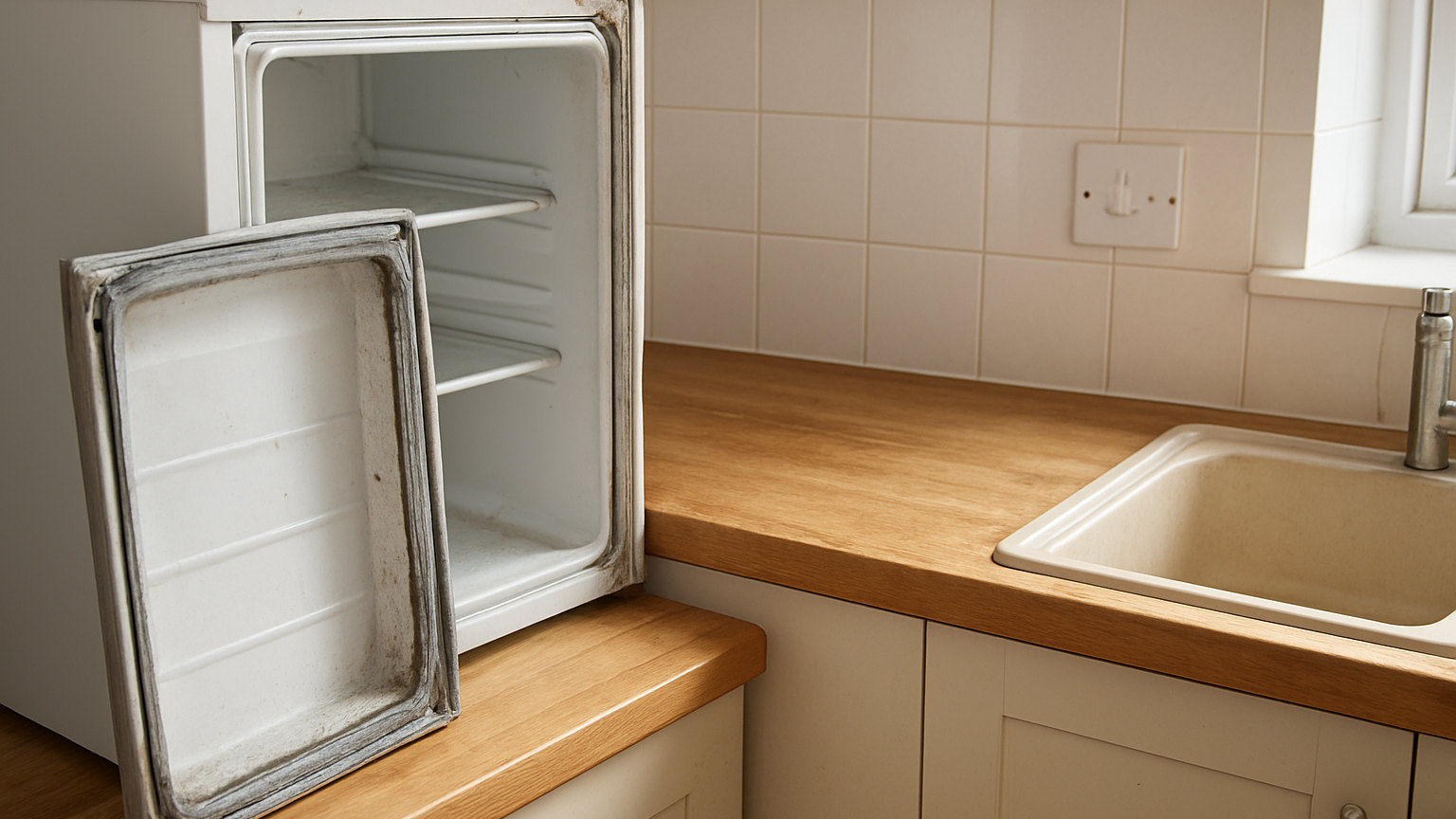
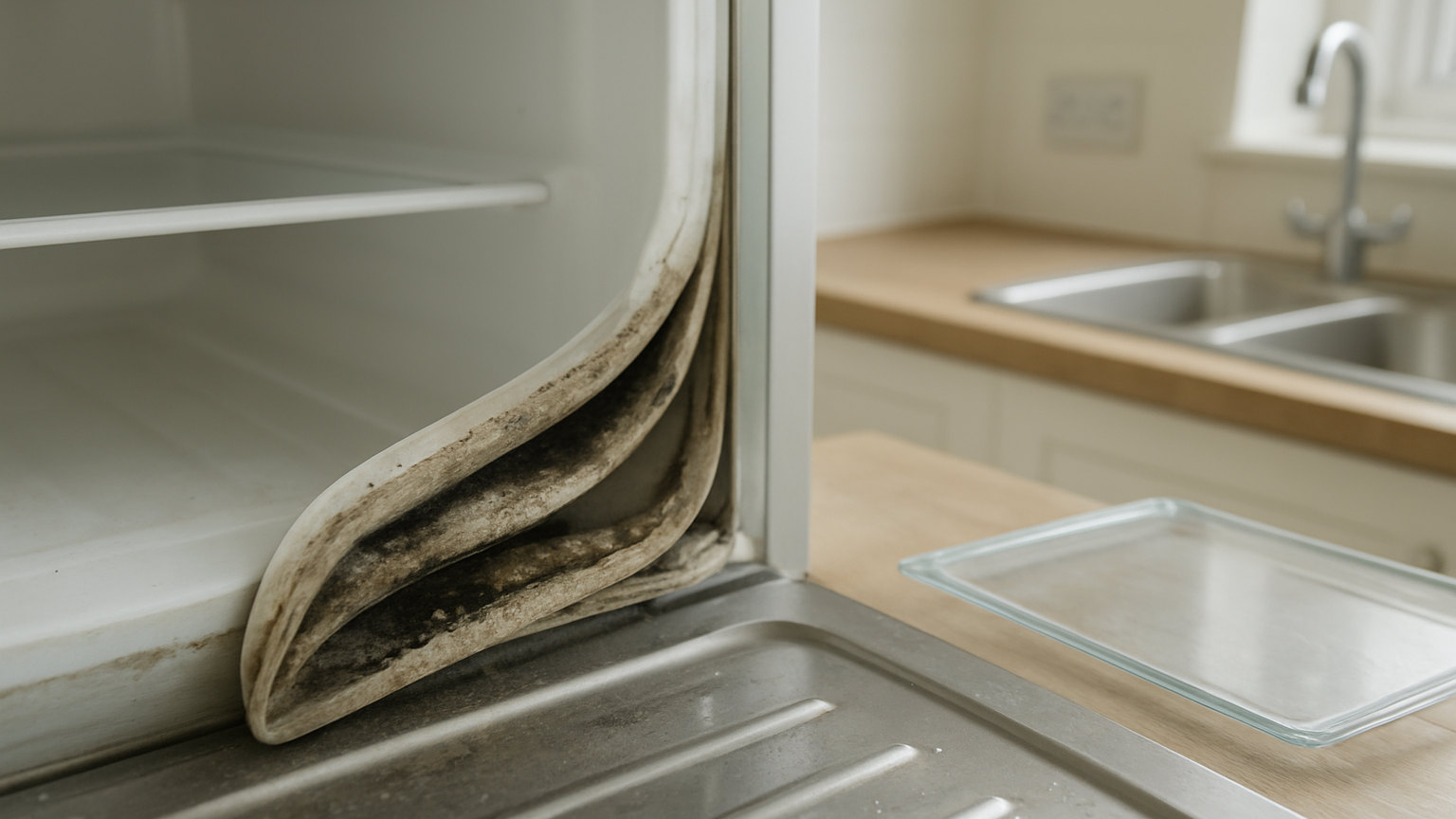
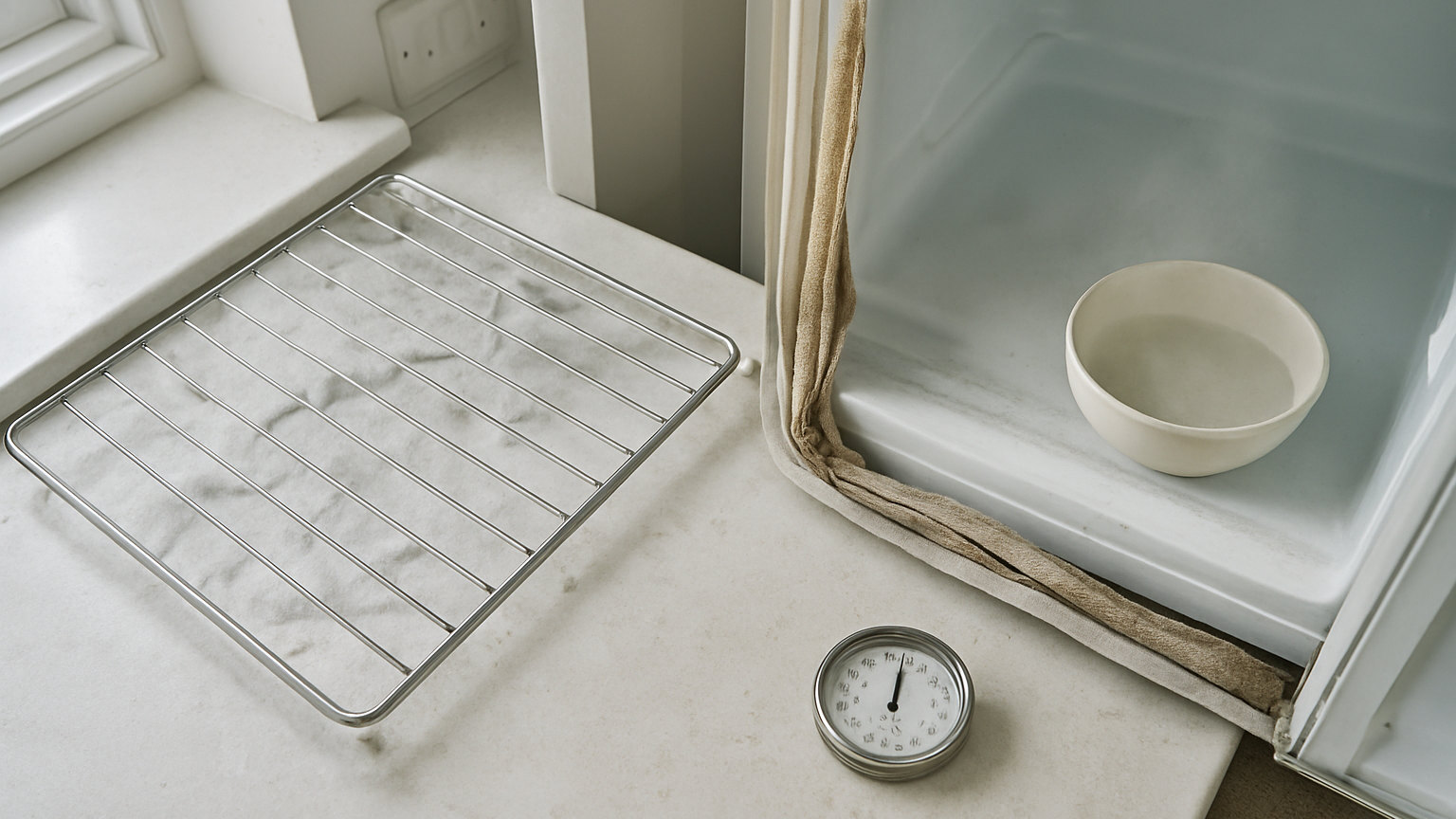
The folds of a door seal collect crumbs and grow mould, and a seal that has stopped sealing costs more in electricity than most people realise.
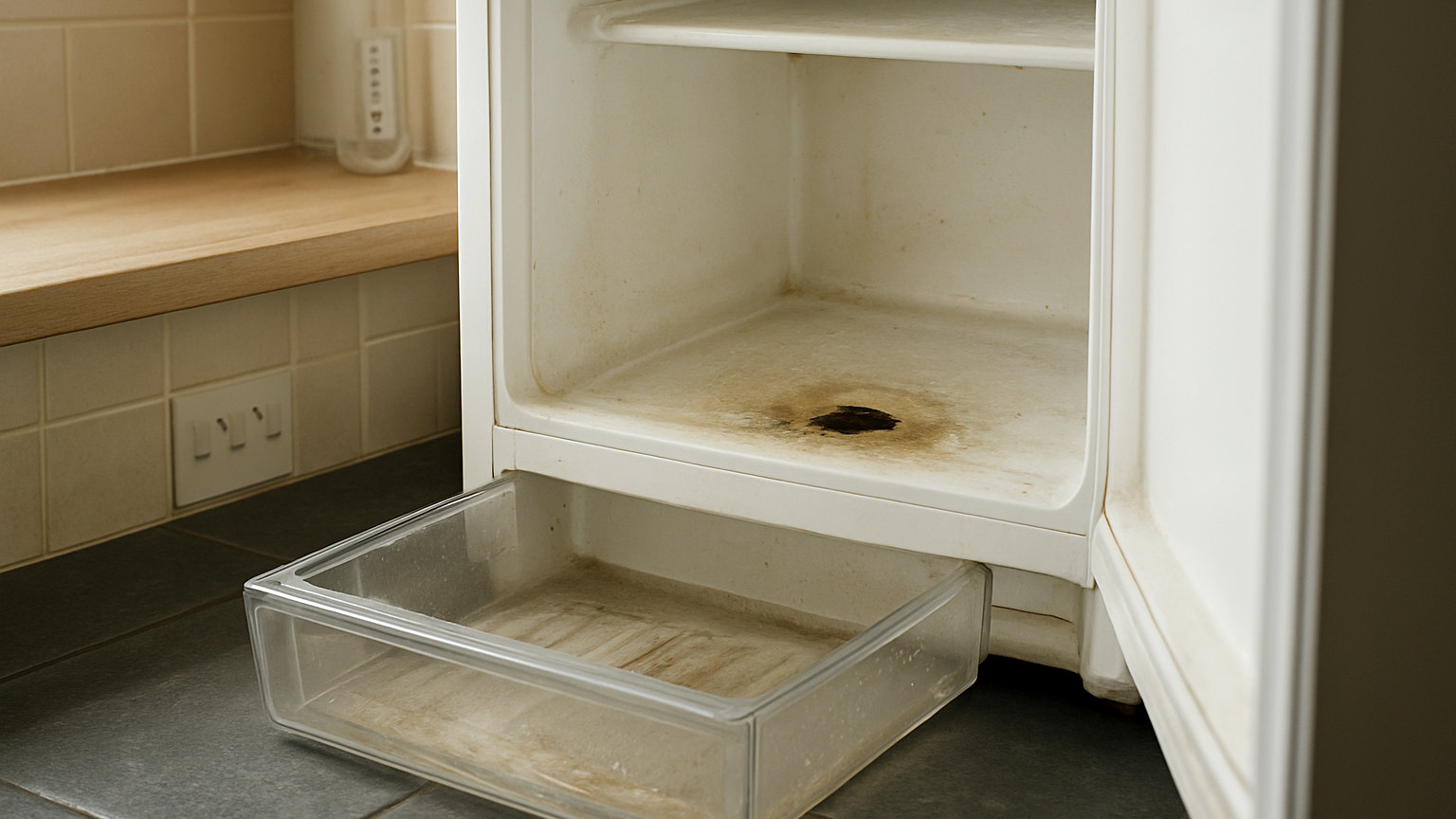
Almost always a blocked drain hole, which is a two minute fix with a cotton bud and one of the most common fridge faults there is.
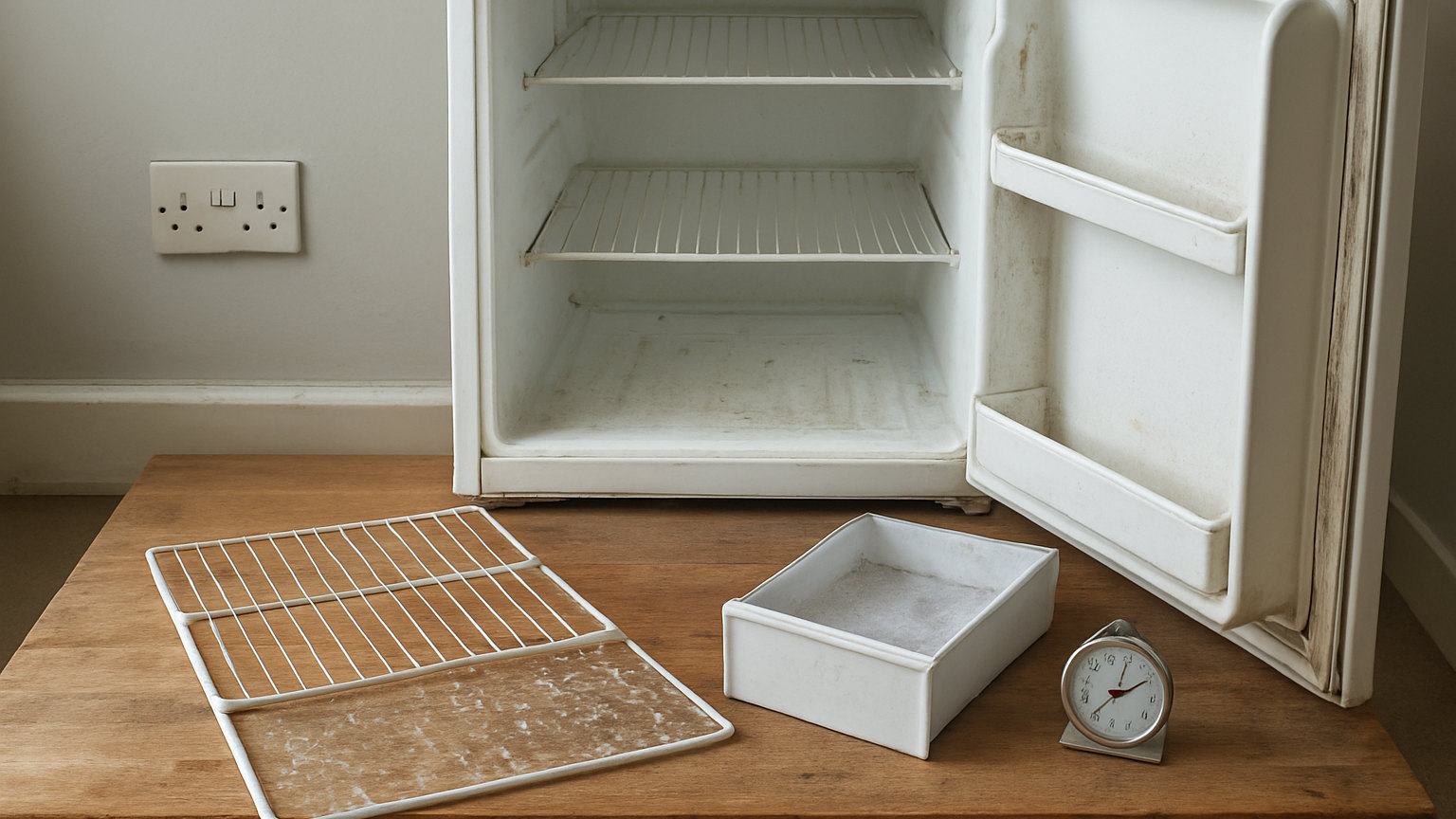
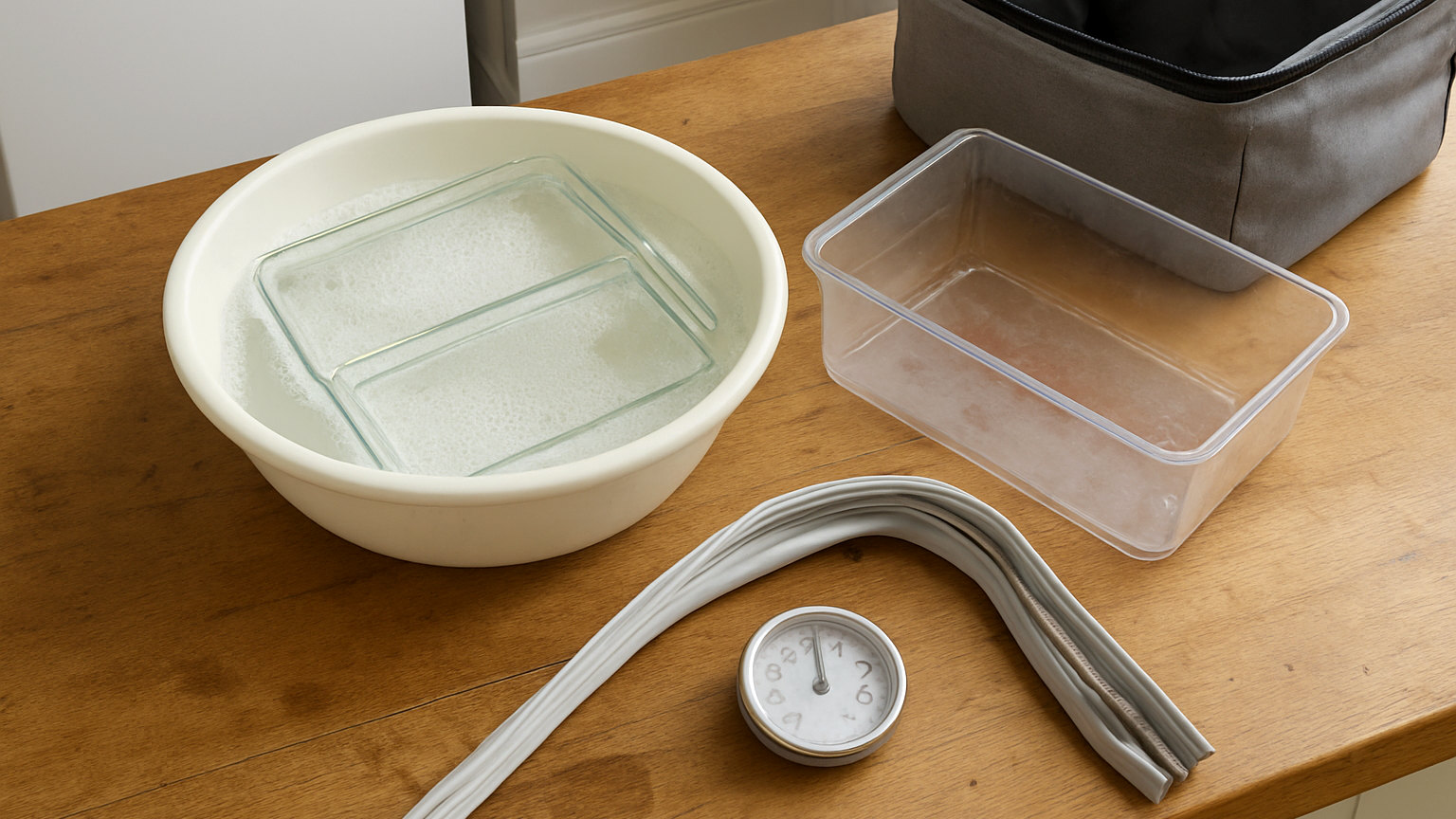
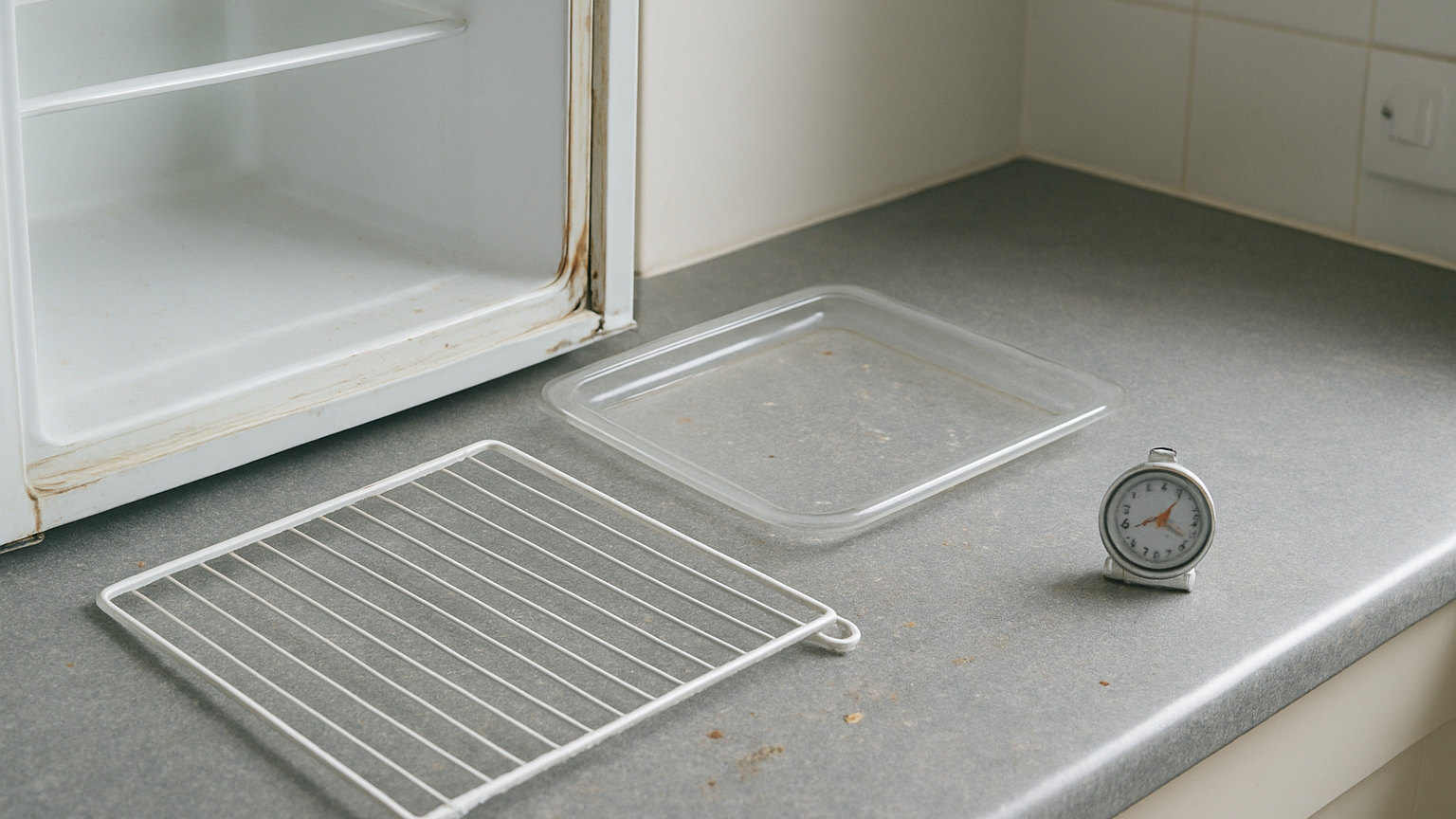
Glass shelves crack from thermal shock and plastic drawers warp in a dishwasher, which makes this the part of fridge cleaning that goes wrong.
Cleaning a freezer means emptying it, which is why most people do it when defrosting and why a frost free model rarely gets done at all.
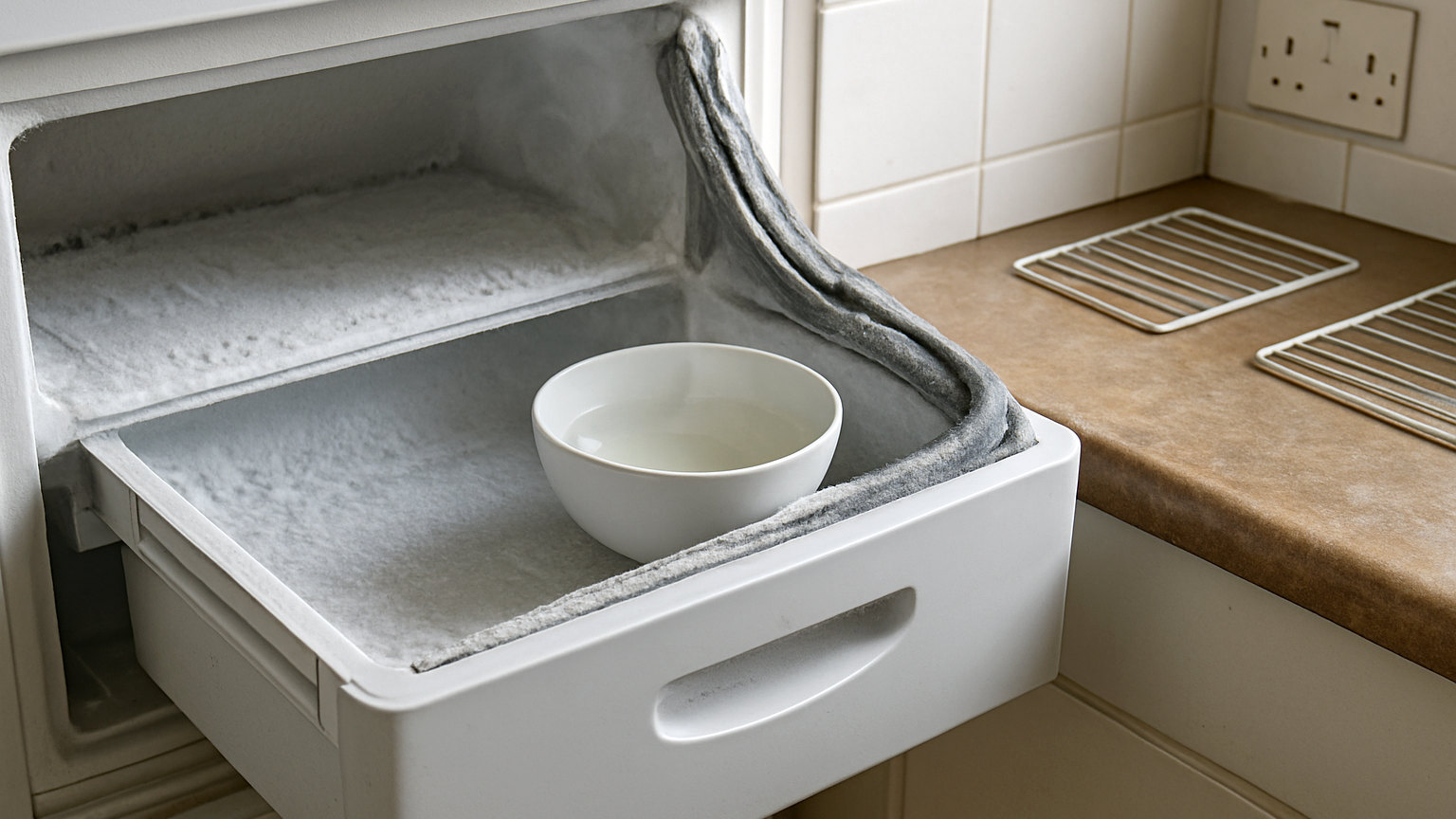
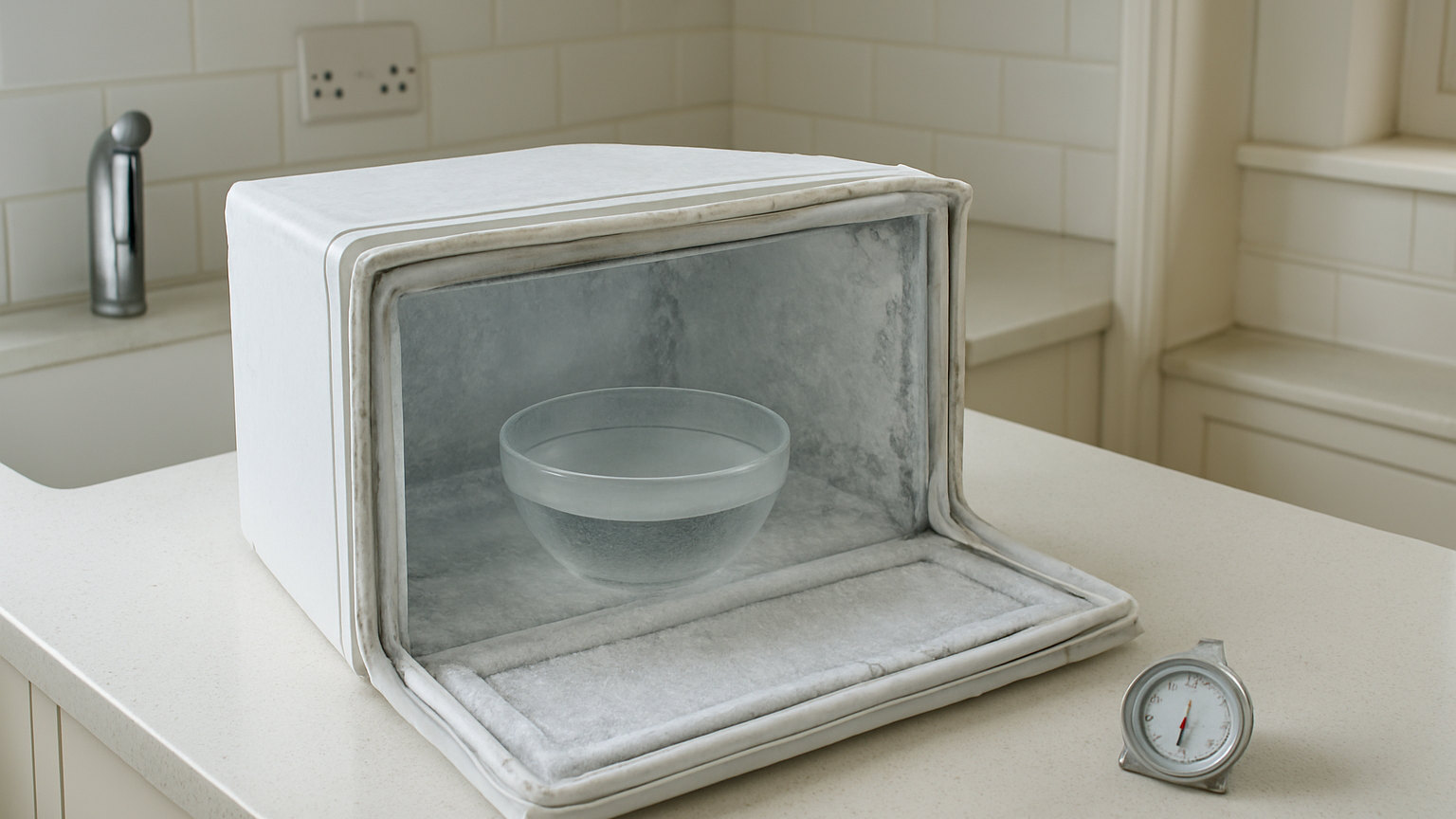
Ice build up costs efficiency and space, and the whole job comes down to keeping the food frozen while you wait for the ice to go.
A fridge smell always has a specific source, and the four usual candidates account for nearly all of them.