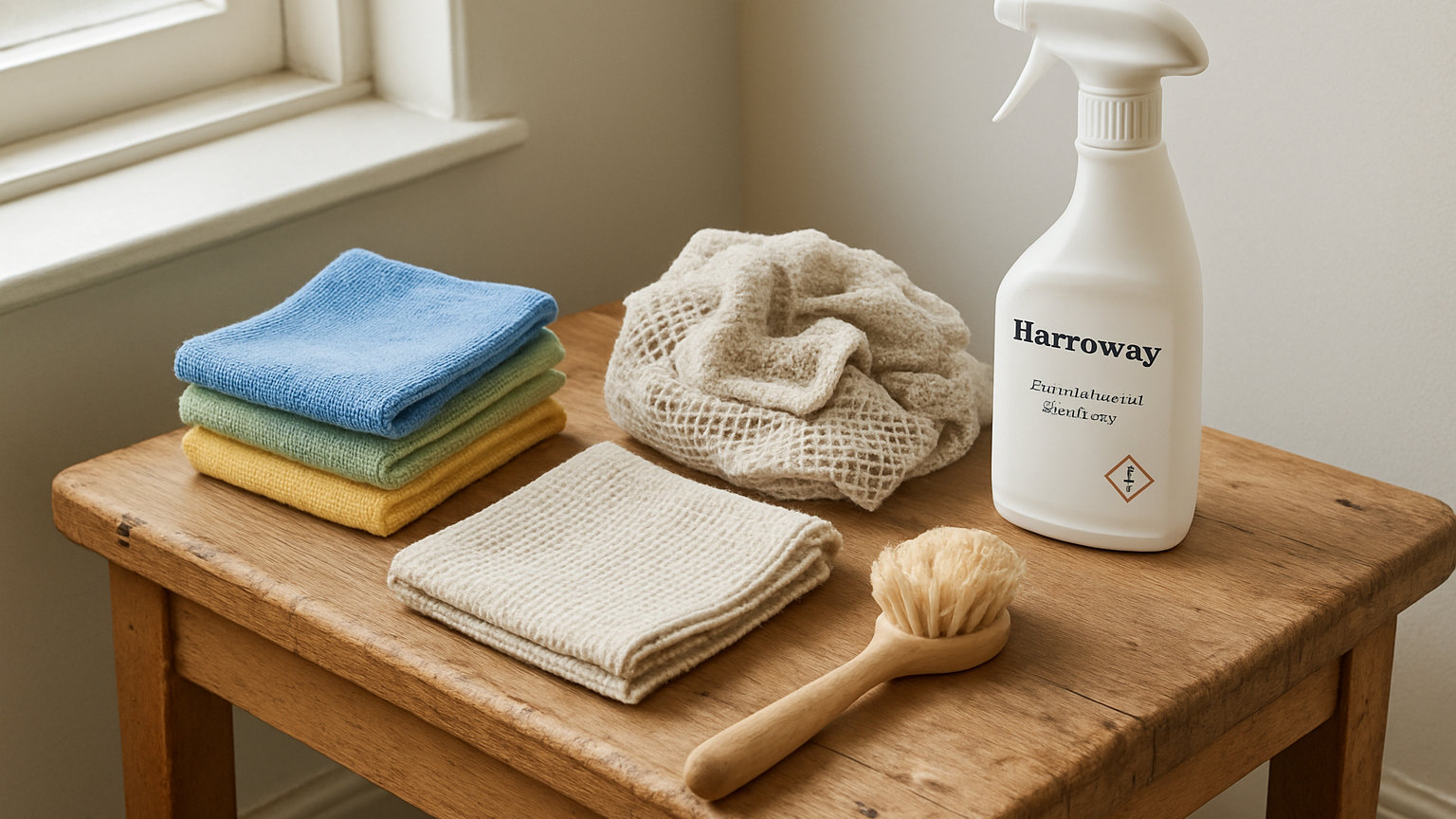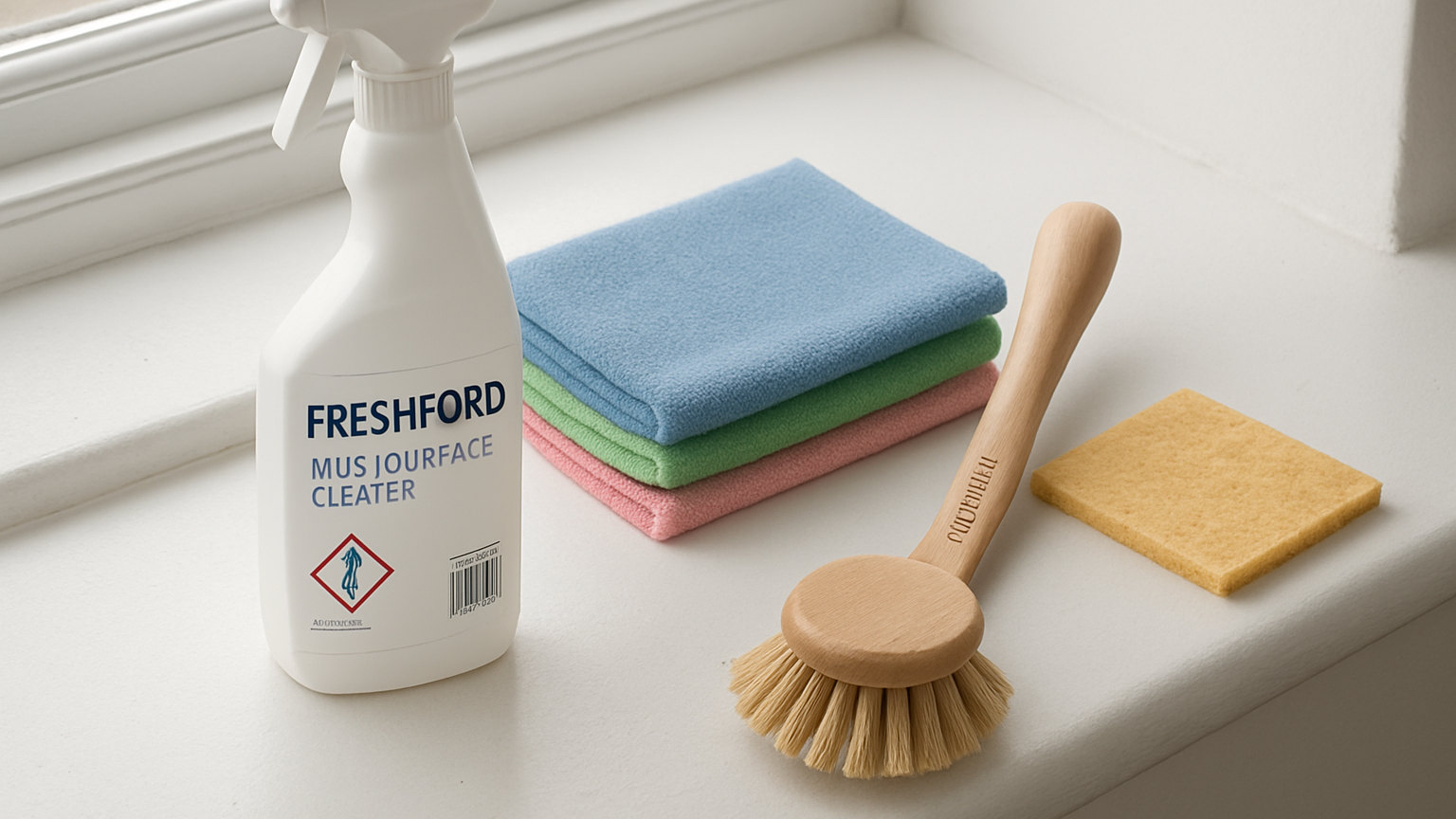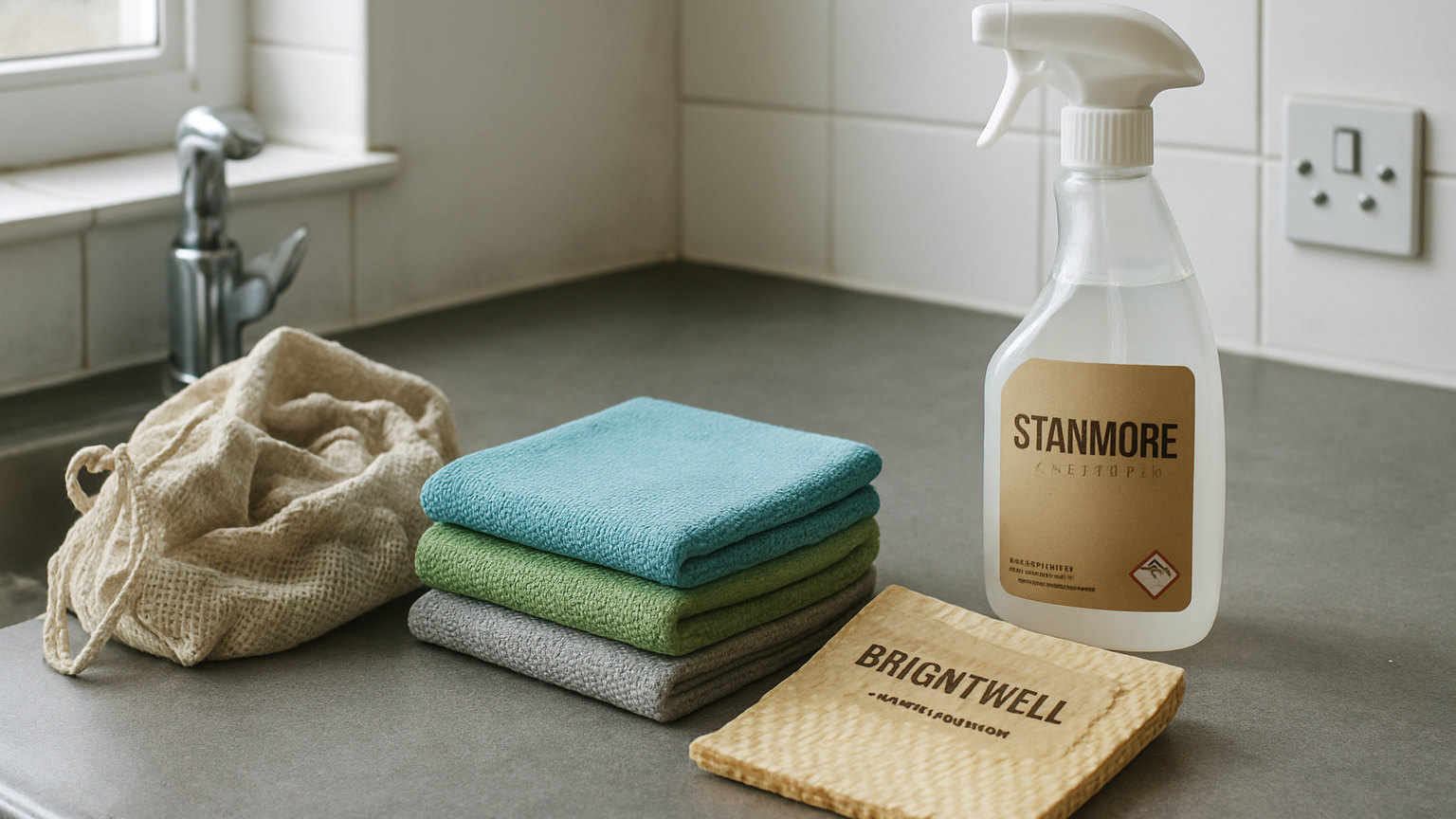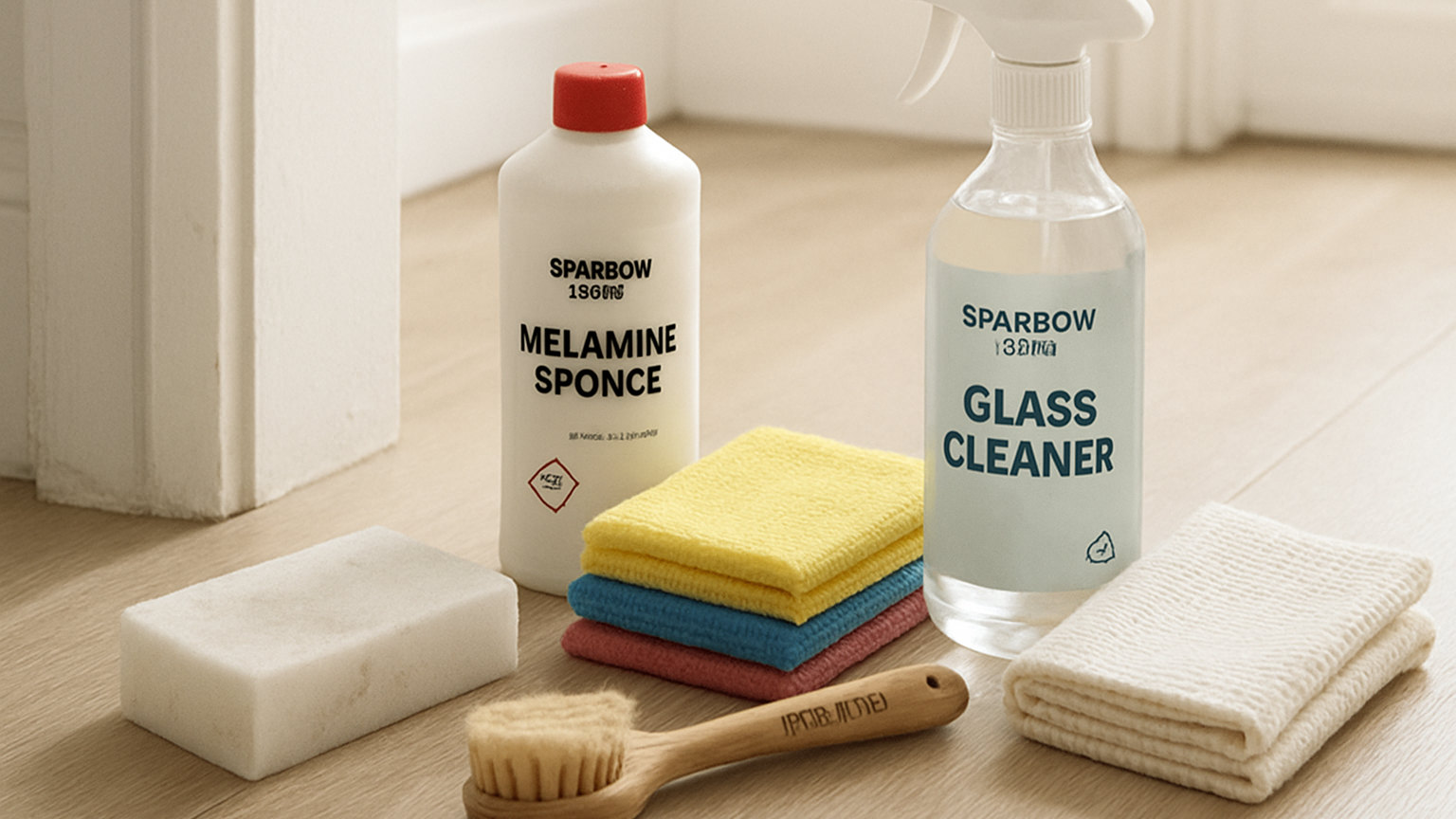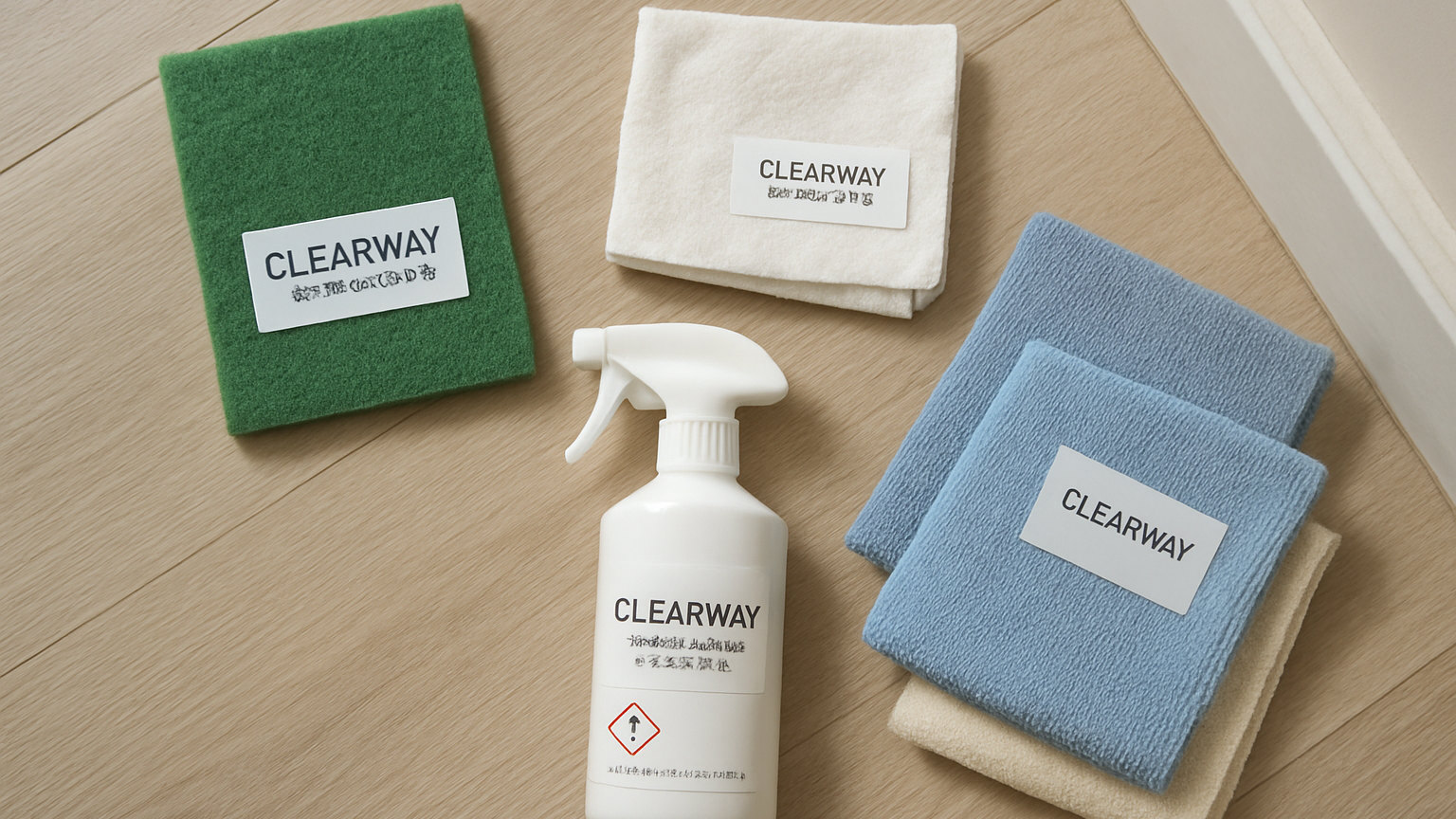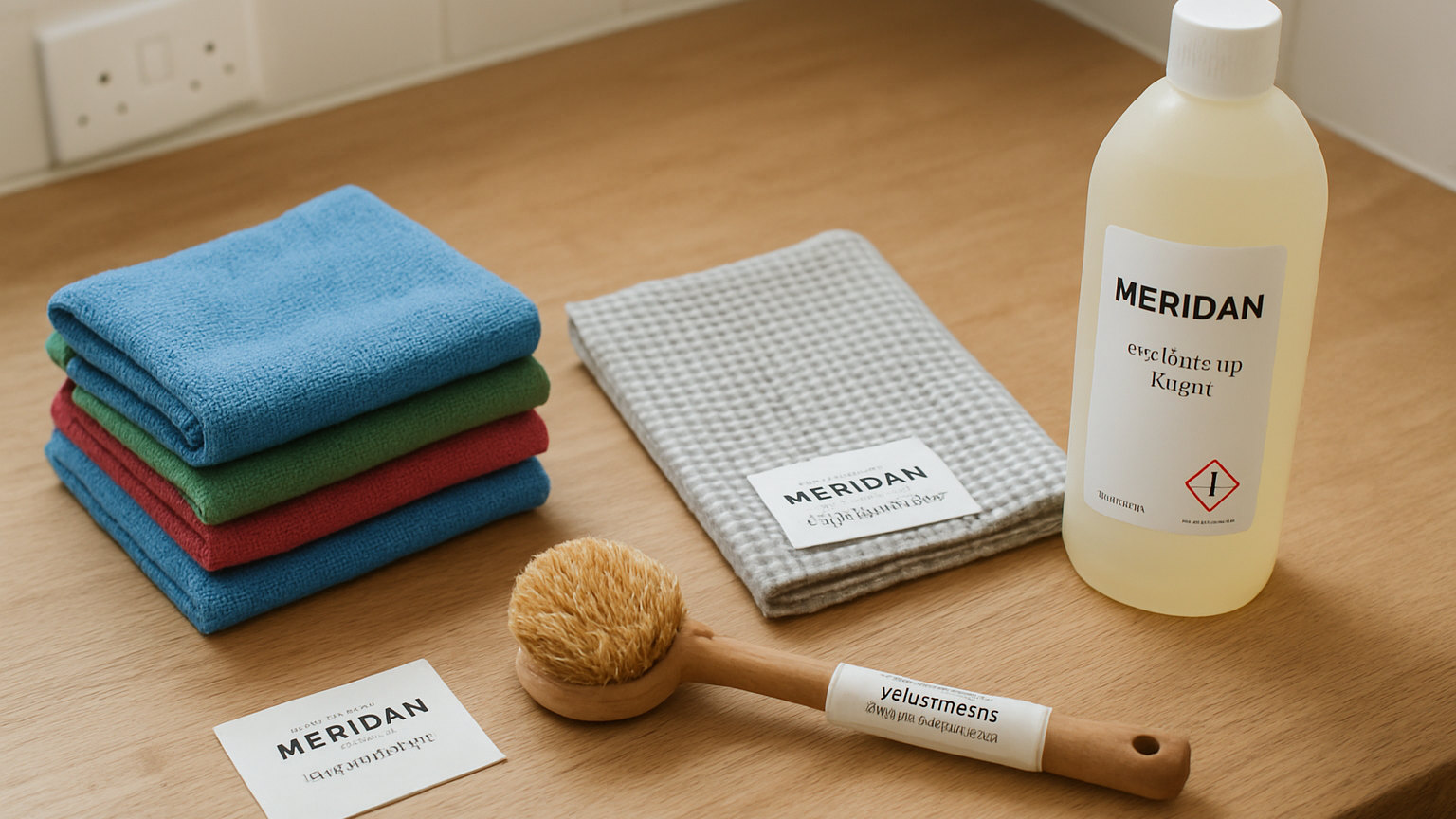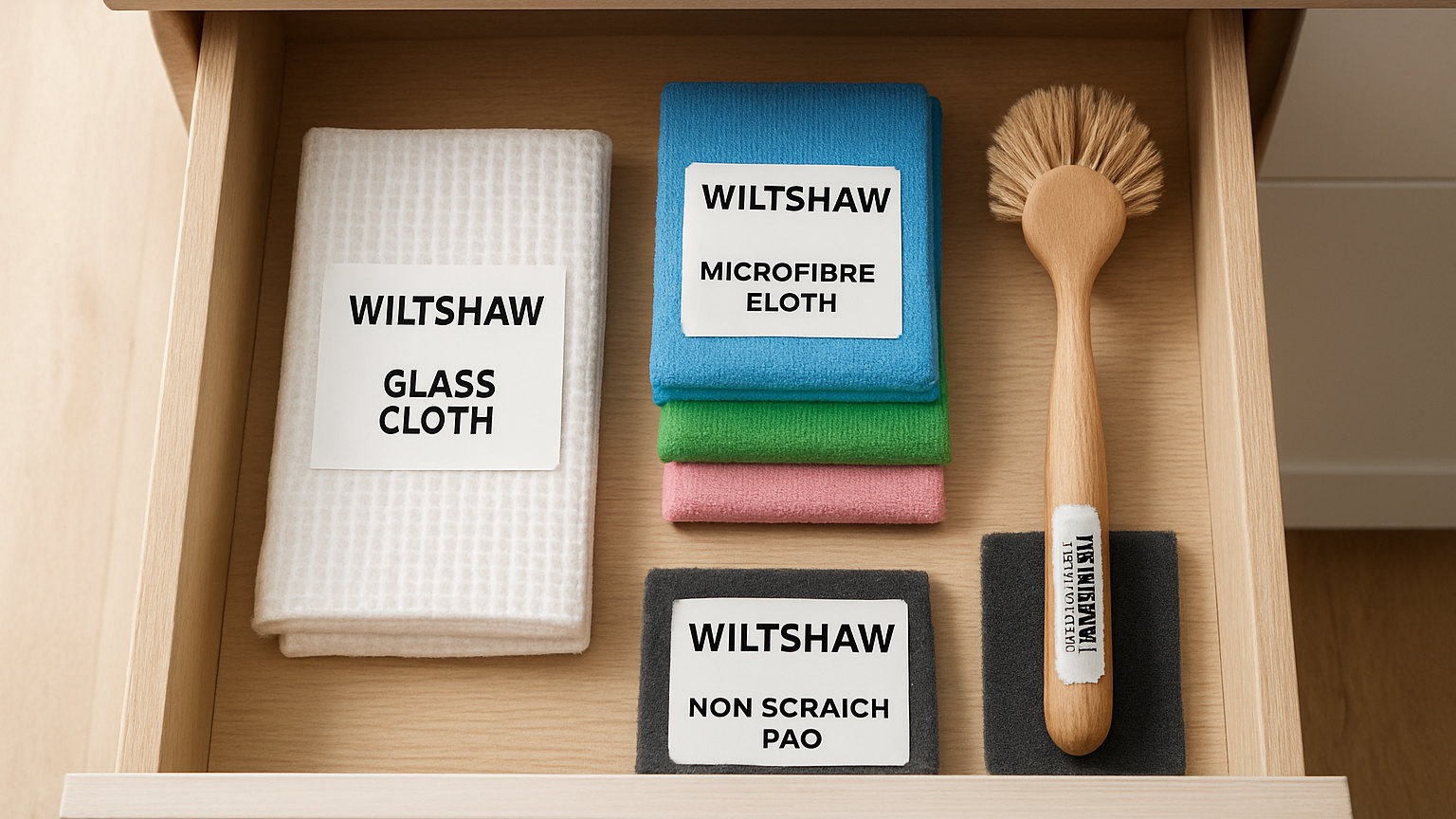
What Cloths Do You Actually Need?
Four types cover every household job, and the quantity matters more than the variety because running short is what causes the problems.
By Cleaning Guides Team
17 Jun 2026

Microfibre, e-cloths, scourers and sponges, how to wash them, and when to bin them.
Four types cover every household job, and the quantity matters more than the variety because running short is what causes the problems.
A good microfibre cloth should survive hundreds of washes, and most are thrown away long before that or ruined long before they wear out.
A dirty mop spreads more than it removes, and the tools themselves are the most overlooked part of any cleaning routine.
Cloths are better for almost everything, and there is one job where paper towel is not merely convenient but genuinely the right answer.
They work remarkably well and not for the reason most people assume, and understanding the mechanism explains exactly where they must not be used.
Scourers are graded by how abrasive they are, and most household damage comes from using a green pad where a white one would have done.
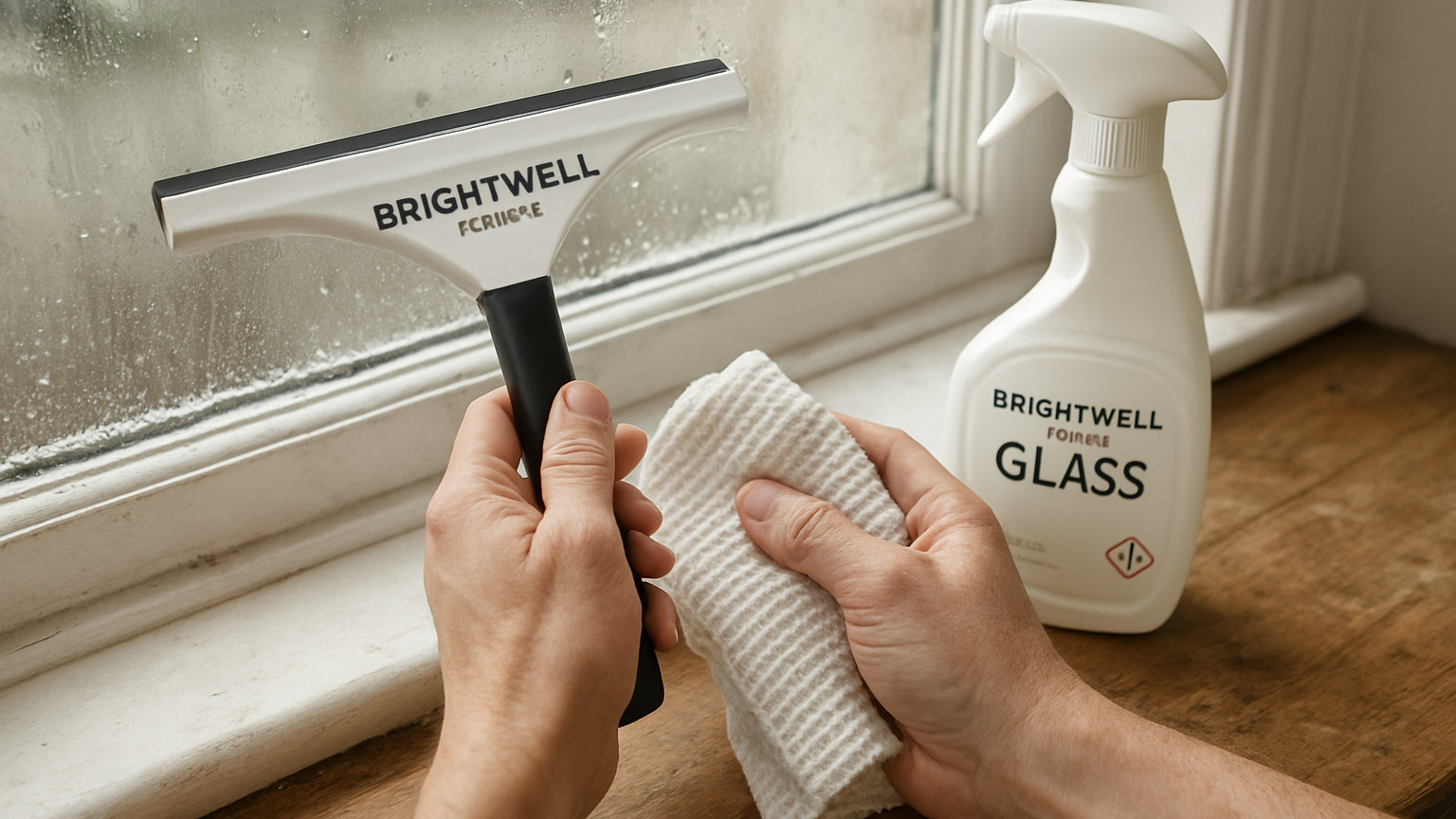
A squeegee prevents the cleaning rather than doing it, which makes it the more useful of the two in most households.
Professional cleaning uses colour coding because it removes the need to remember, and the same logic works in a house with one rule that matters.
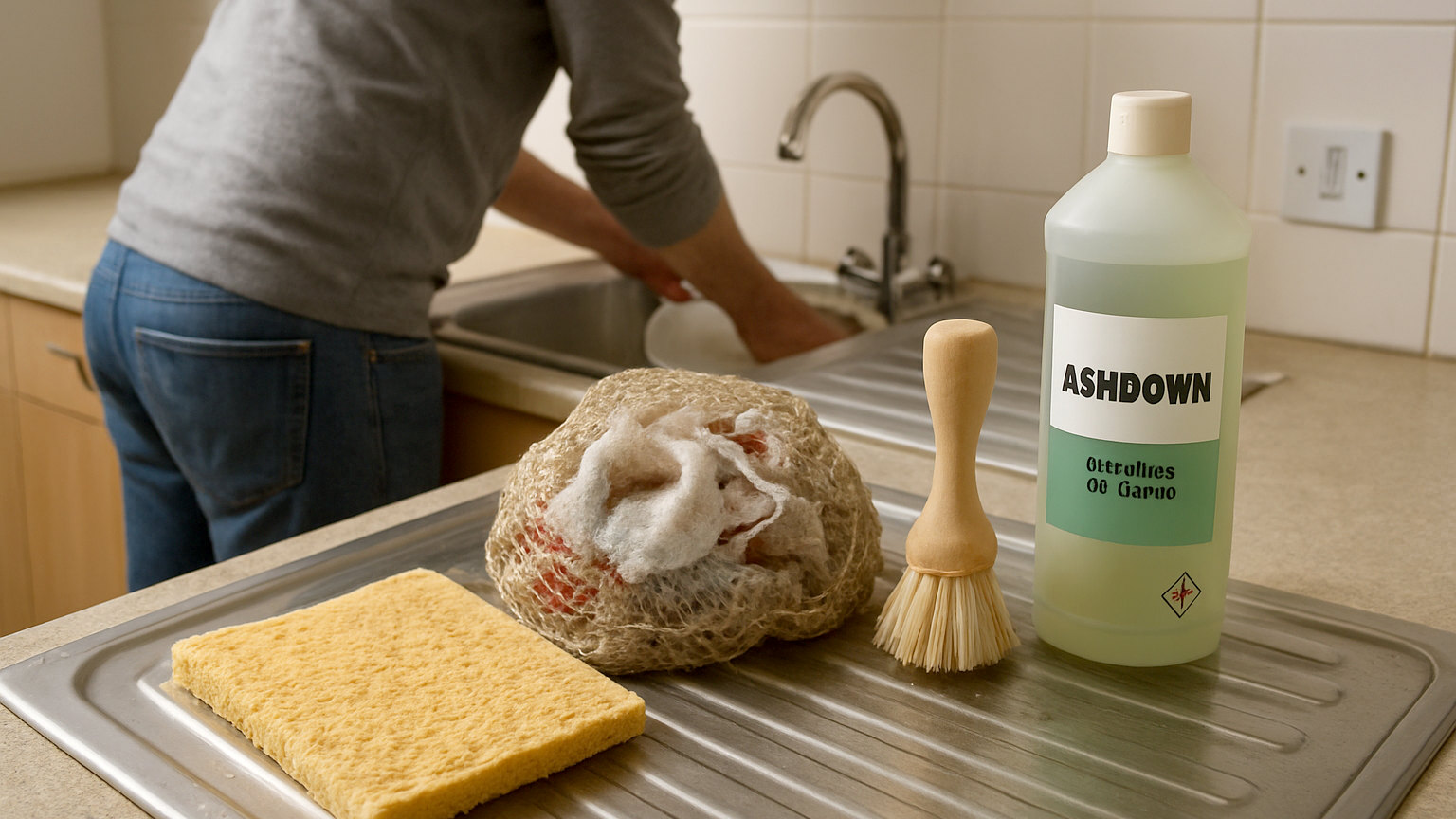
Studies have found kitchen sponges among the most heavily colonised objects in a home, and the honest response is management rather than alarm.
A kitchen sponge reaches a bacterial population within days that no amount of cleaning meaningfully reduces, which makes replacement the only answer.
A dishcloth is damp, warm and covered in food residue, which makes it the best growing environment in a kitchen.
Using a general purpose cloth on glass is why windows streak, and matching the weave to the job removes most of the frustration.