How Do You Clean a Floor After Building Work?
Construction dust is abrasive and extremely fine, which is why mopping it up too early scratches the floor you are trying to clean.
By Cleaning Guides Team
11 Jul 2026

Wood, laminate, vinyl, tile and carpet - each wants a different mop and a different amount of water.
Construction dust is abrasive and extremely fine, which is why mopping it up too early scratches the floor you are trying to clean.
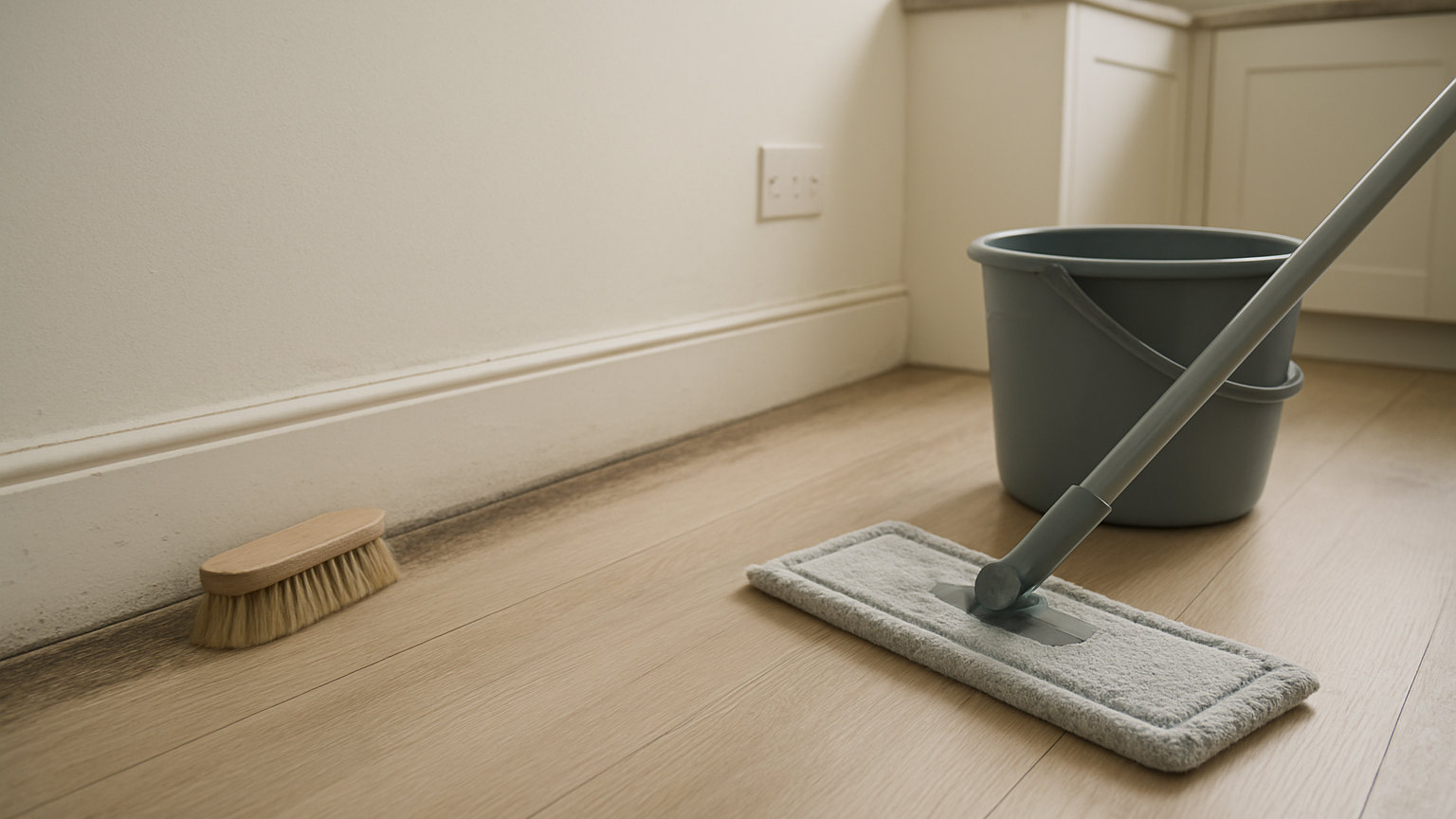
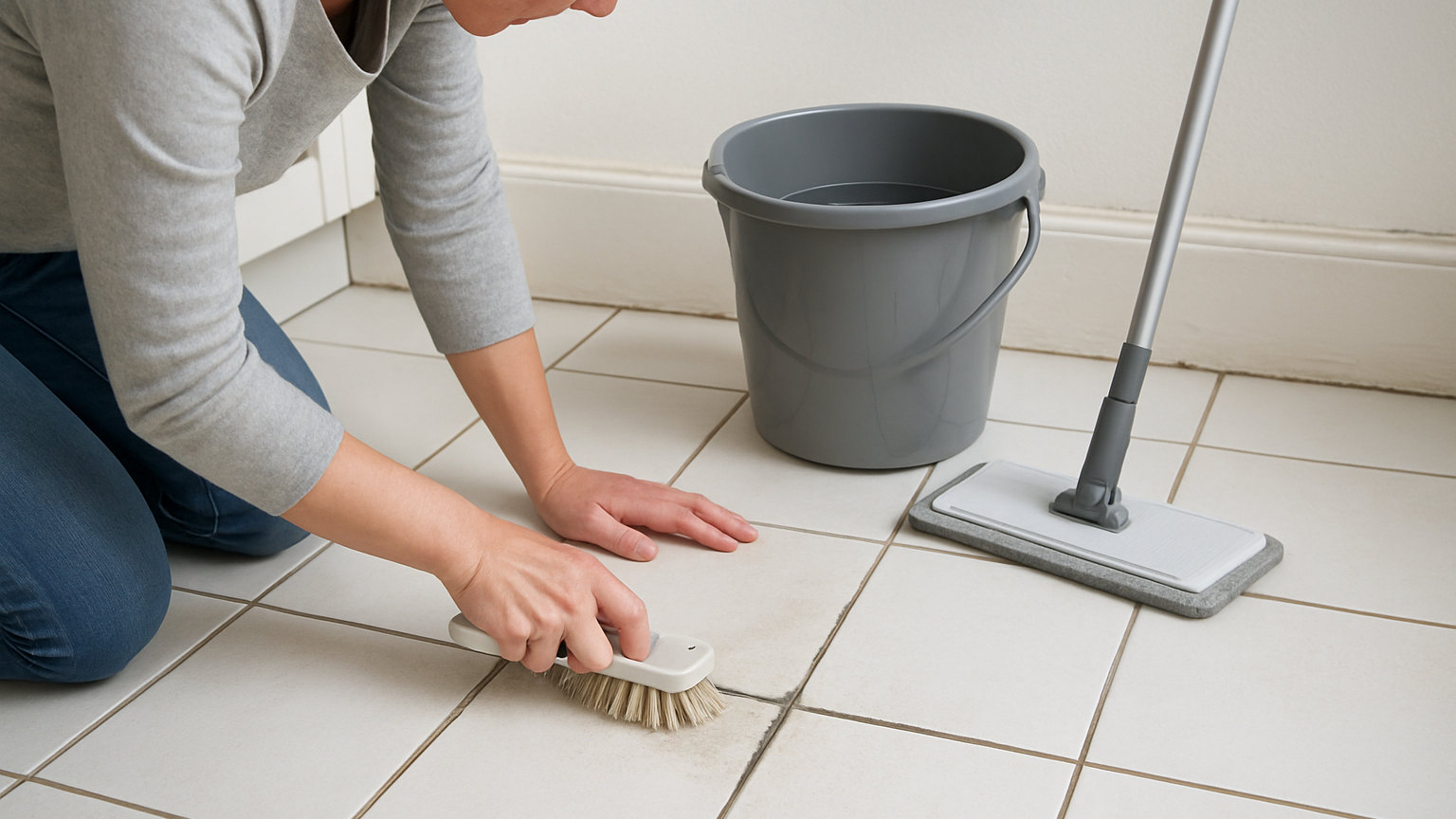
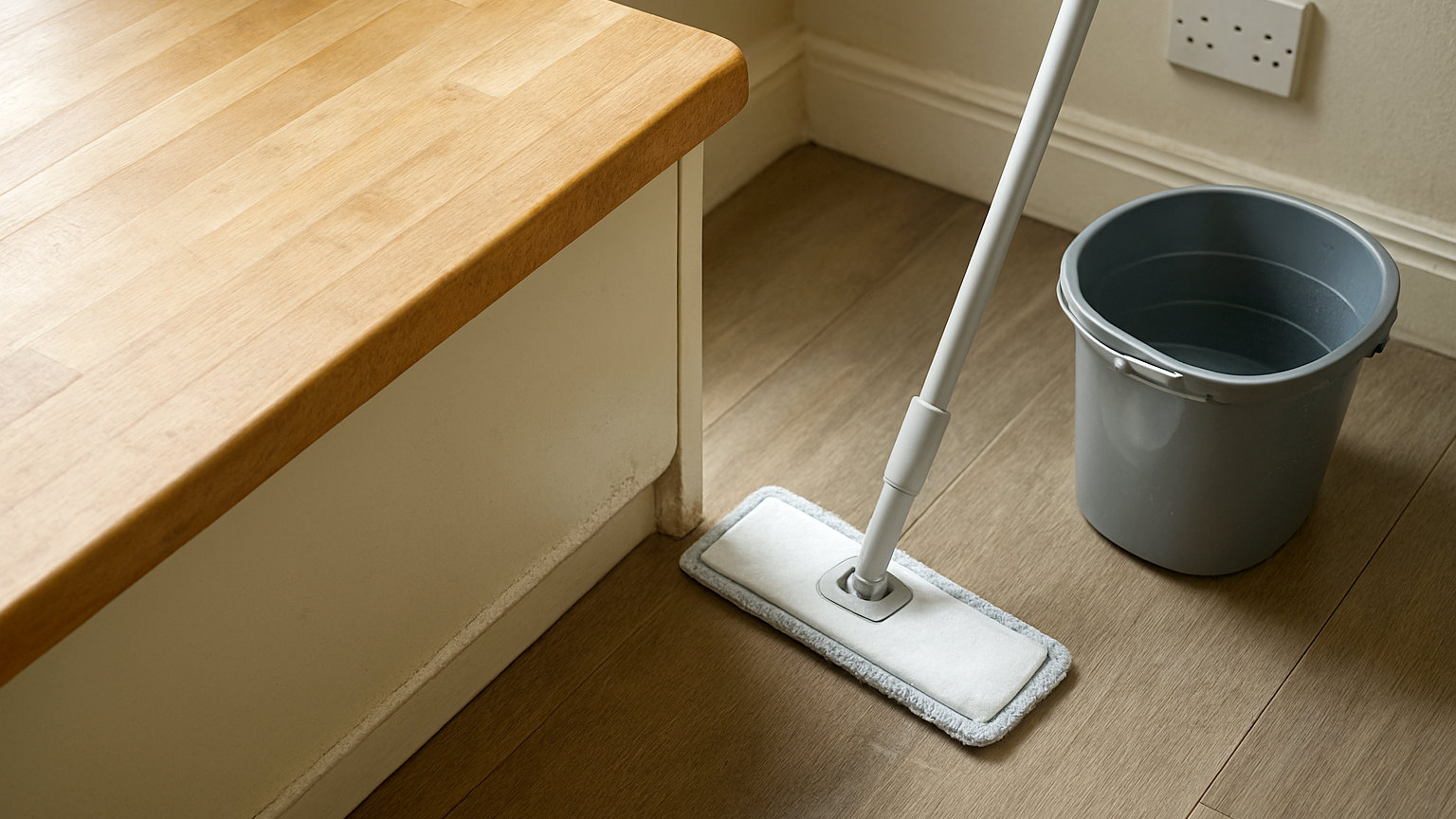
The dark line along a skirting board is the clearest sign of how a floor is being cleaned, and no floor head will ever reach it.
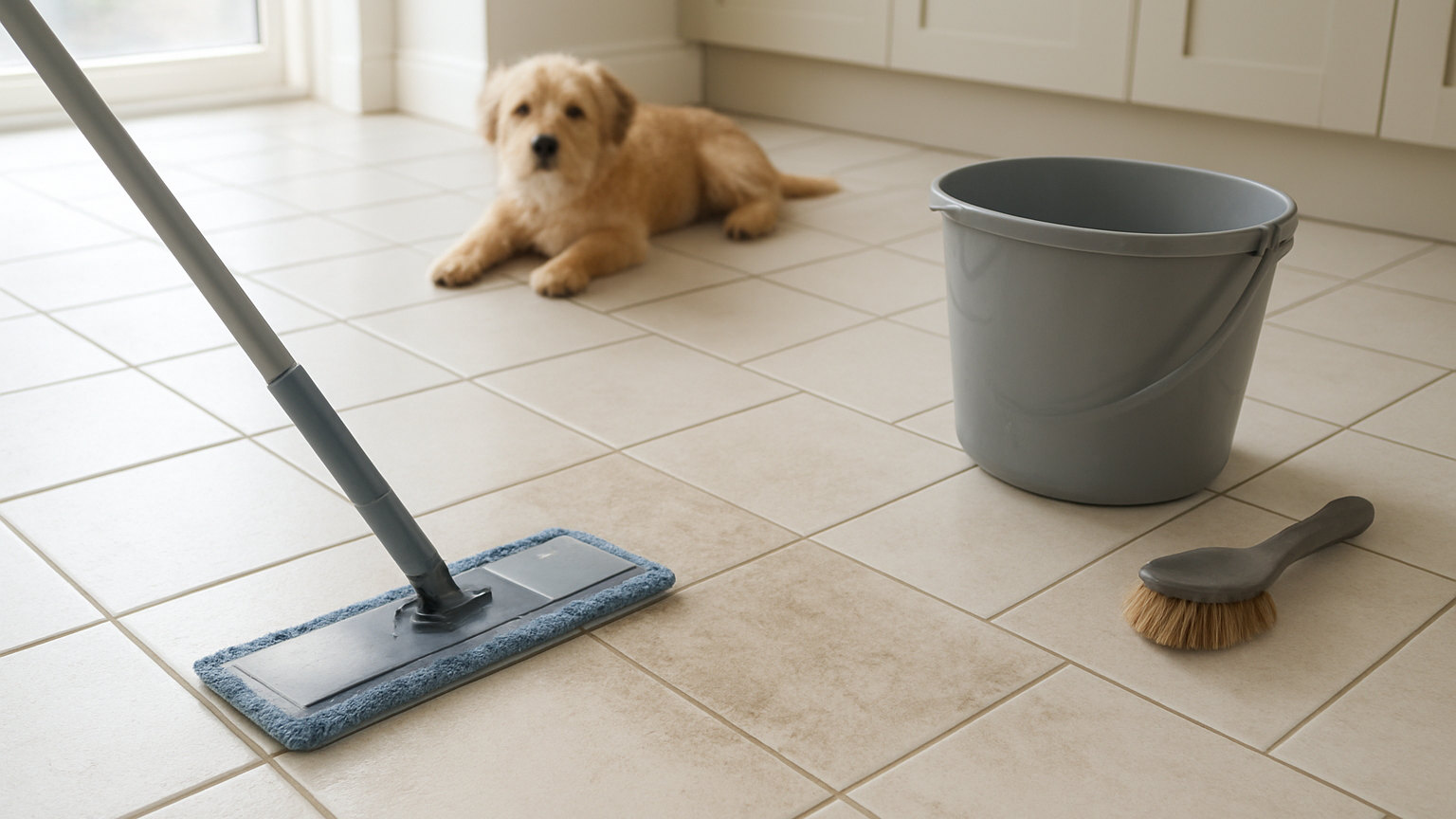
Pets change the frequency rather than the method, except in one respect: urine needs an enzyme cleaner, and nothing else will remove the smell.
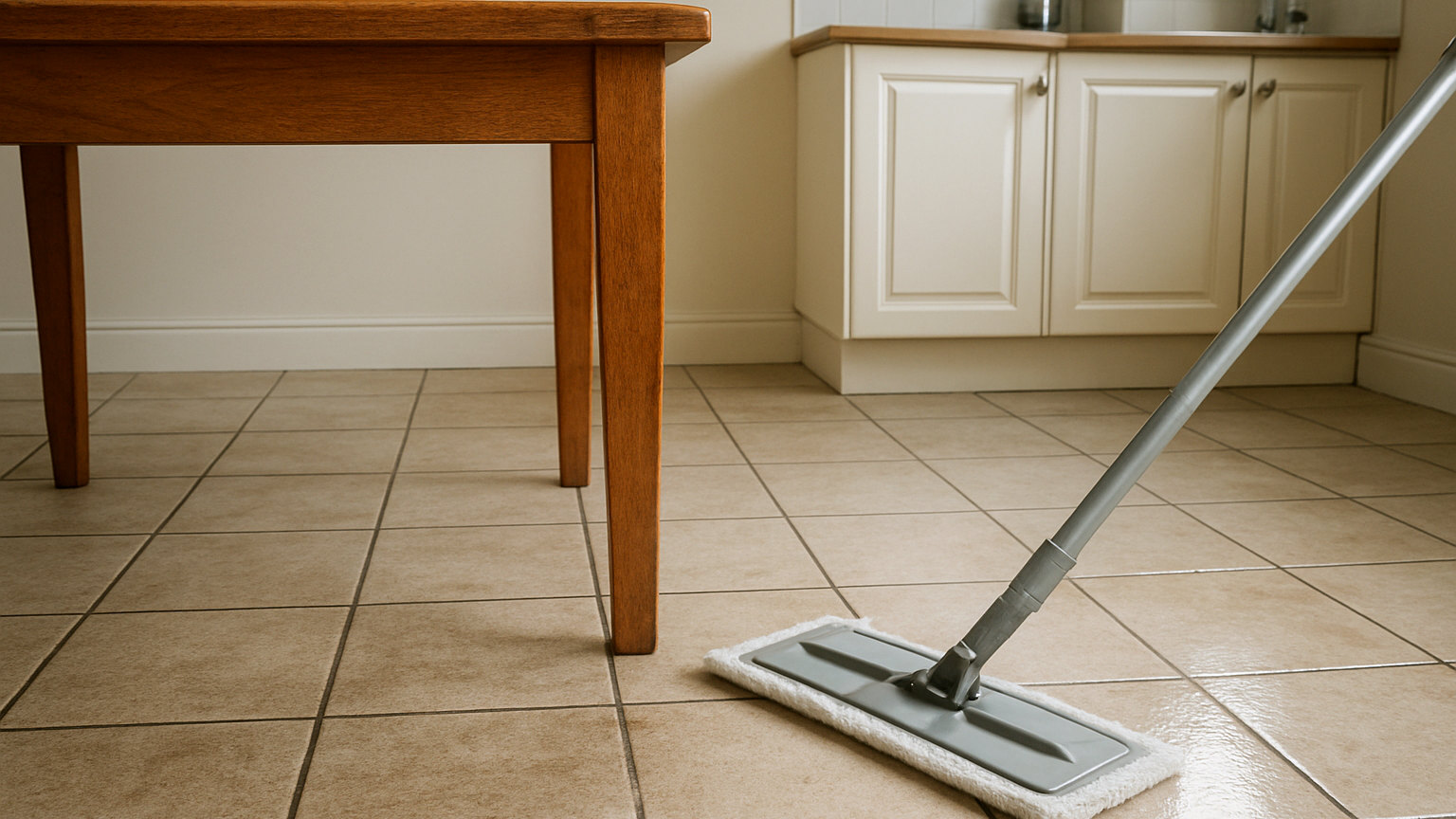
Furniture damages floors in three different ways, and the felt pad that solves one of them does nothing about the other two.
Whether a scratch can be repaired depends on whether it has gone through the finish or only into it, and the test takes a few seconds.
Home carpet cleaning fails more often from too much water than from too little cleaning, and the drying stage decides the result.
Most of the dirt in a carpet sits below the surface, and a single fast pass removes only a fraction of what slow overlapping passes will.
Acid etches stone on contact, which rules out most household cleaners and all the usual limescale remedies on marble, limestone and travertine.
Vinyl is the most forgiving hard floor there is, which is why the main problem it develops is a dull film from too much cleaning product.
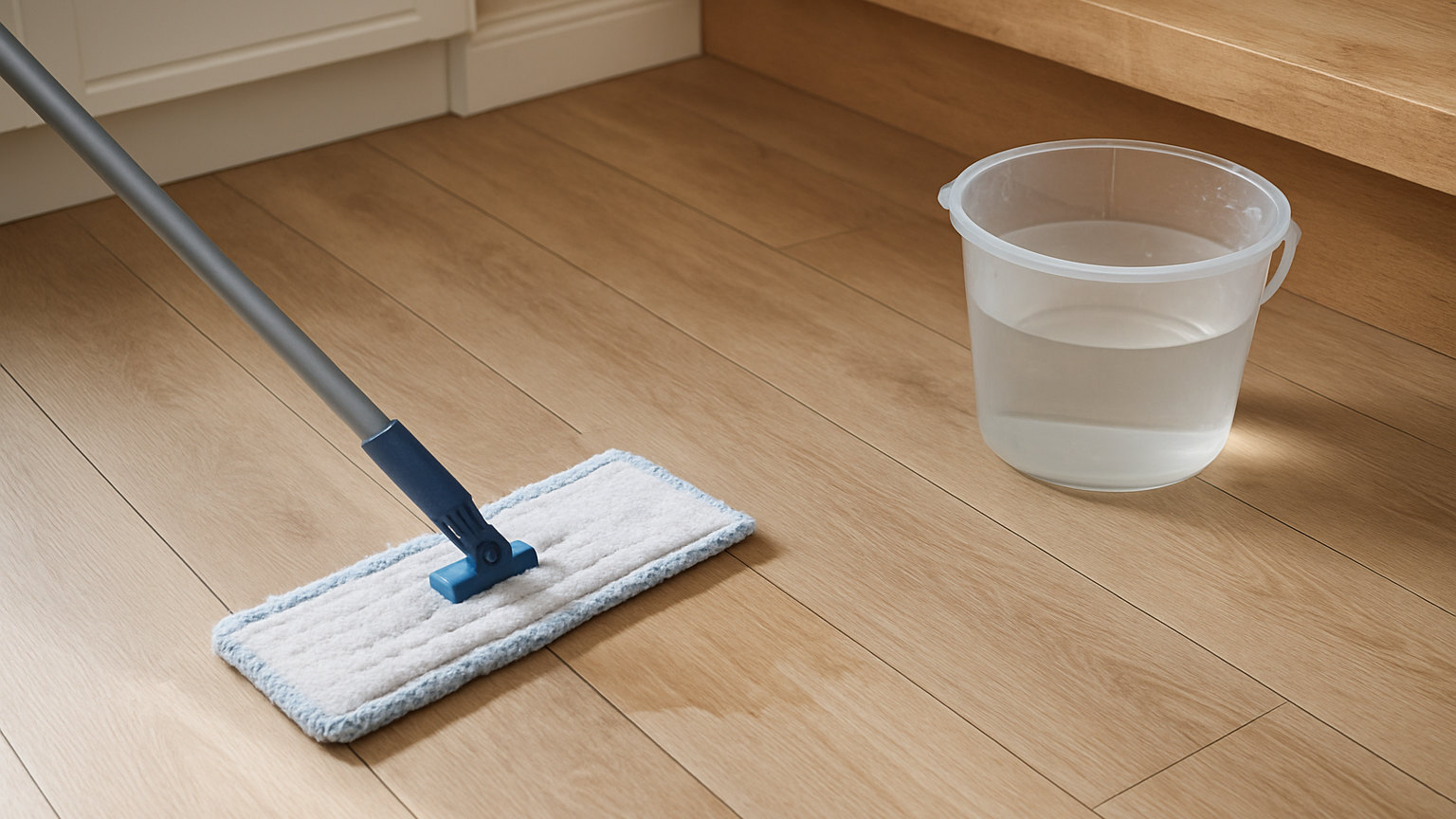
What you can safely use on a wood floor depends entirely on how it is finished, and lacquered and oiled floors need opposite treatment.
Laminate is a photographic layer over compressed fibreboard, and water reaching that board through a joint causes damage that cannot be undone.
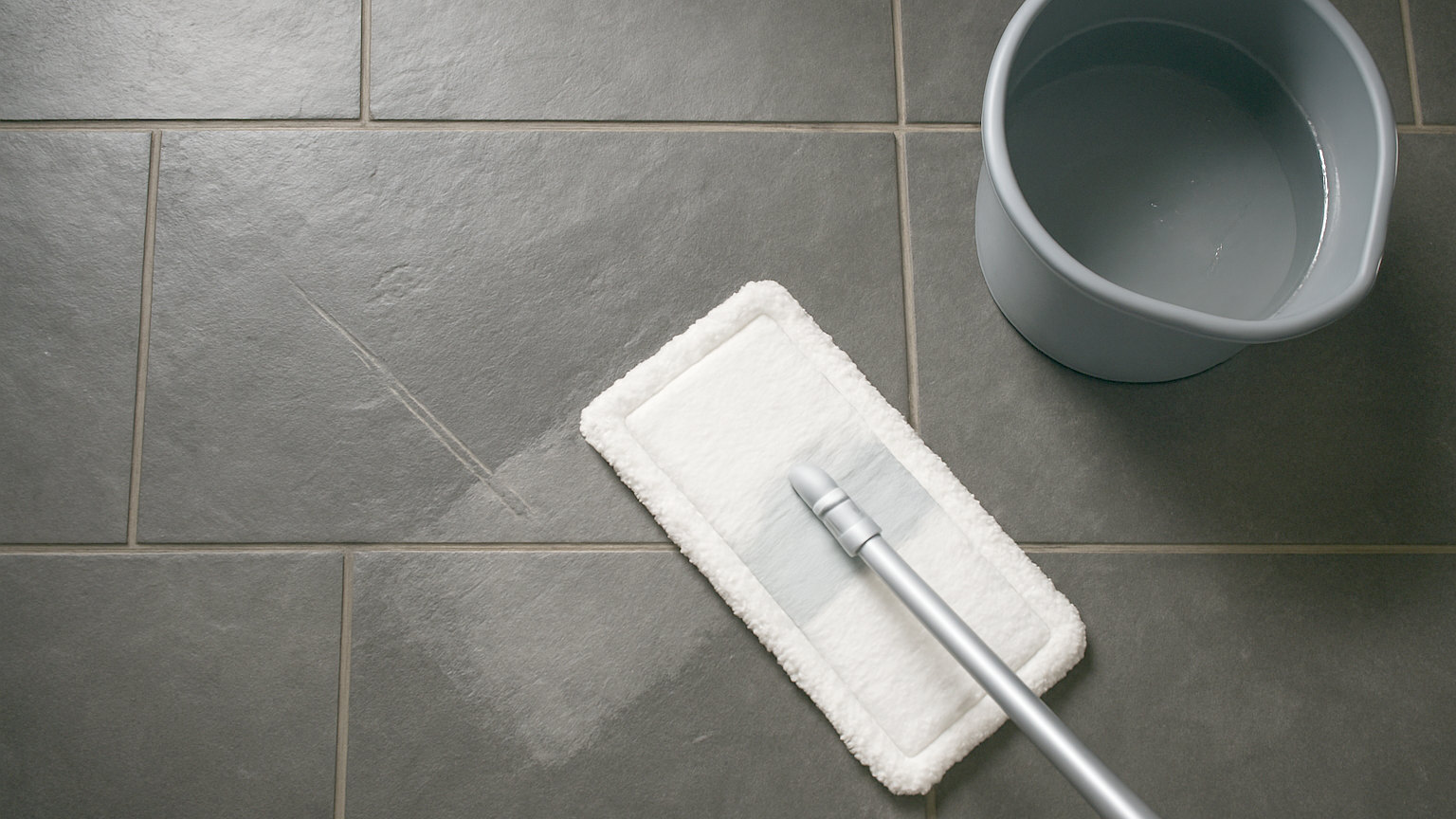
Streaks are residue drying on the surface rather than dirt left behind, which is why using less product almost always improves the result.