Thirty degrees handles the large majority of household washing perfectly well. Modern detergents are formulated to work at low temperatures, and the enzymes that break down food, grass and body soils are most active in the cool to warm range rather than in hot water. The loads that genuinely need sixty degrees are a small and easily identified group.
What does 30 degrees cope with?
Everyday clothing that is lightly soiled, which is most of what goes through a domestic machine. Shirts, trousers, jumpers, dresses, school uniform, jeans and anything worn for a day without heavy sweating or spills. Coloured items in particular benefit, because lower temperatures reduce dye loss and fading dramatically.
It also uses considerably less energy than a 40 degree wash, and less again than 60, which over a year of regular laundry is a meaningful difference on a bill.
When is 40 degrees worth using?
For anything more heavily soiled, for cotton that has picked up body oils, and for loads where something greasy is present. Fats and oils need warmth to dissolve properly, and a 30 degree wash on a greasy stain will often leave a faint mark behind.
Forty is also the sensible default for towels in a household where nobody is unwell, and for bath mats, provided they are dried thoroughly.
Which loads genuinely need 60 degrees?
- Bedding, particularly where anyone in the house has a dust allergy or eczema.
- Towels and flannels if they have started to smell or have been left damp.
- Underwear and cloth nappies, as a general hygiene matter.
- Anything used during illness, including bedding, towels and clothing, particularly after a stomach upset.
- Cleaning cloths, tea towels and dishcloths, which are the dirtiest textiles in a house.
- Kitchen aprons and anything heavily contaminated with raw food.
Sixty degrees is the temperature at which most household bacteria and dust mites are reliably dealt with, which is why it appears in guidance rather than 50 or 55.
What about 90 degrees?
Almost never needed on clothing, and damaging to most of it. The main legitimate use is an occasional empty maintenance wash to clean the machine itself, and even then 60 with a machine cleaner usually does the job. Boil washing white cotton was necessary when detergents were weaker; it no longer is, and it accelerates wear considerably.
Does washing cold actually get things clean?
Yes, for light soiling, and 20 degree cycles exist on most modern machines. The limitations are worth knowing. Cold water struggles with grease and body oils, and it does less to control bacteria, so cold washing works best when combined with an occasional hotter wash for the items that need it.
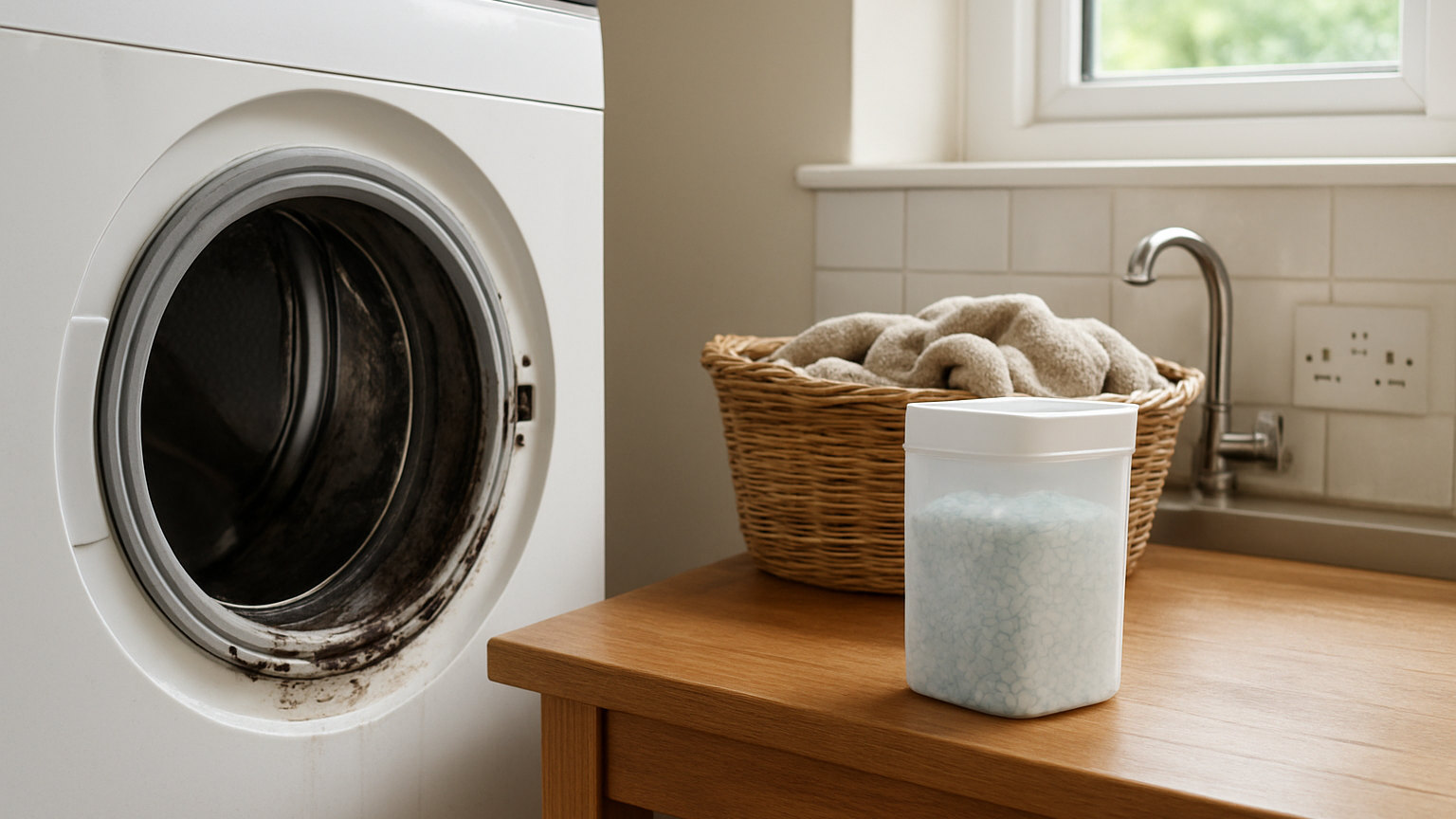
Cold washing also makes the machine itself more prone to smelling, because biofilm builds in the drum and the seal when nothing ever runs hot.
Does a higher temperature damage clothes?
Considerably, and it is the main reason not to default to hot. Heat sets protein stains such as blood and sweat permanently. It shrinks wool and cotton. It causes dyes to bleed and colours to fade. It degrades elastane in anything stretchy, which is why gym kit and fitted shirts lose their shape. And it shortens the life of prints, trims and elastic.
A wardrobe washed at 30 lasts noticeably longer than one washed at 60.
How do you decide in practice?
Check the label first, which gives the maximum rather than a requirement. Then ask two questions: is this heavily soiled, and does it need to be hygienically clean. If the answer to both is no, wash at 30. If the first is yes, go to 40. If the second is yes, go to 60 and accept the wear.
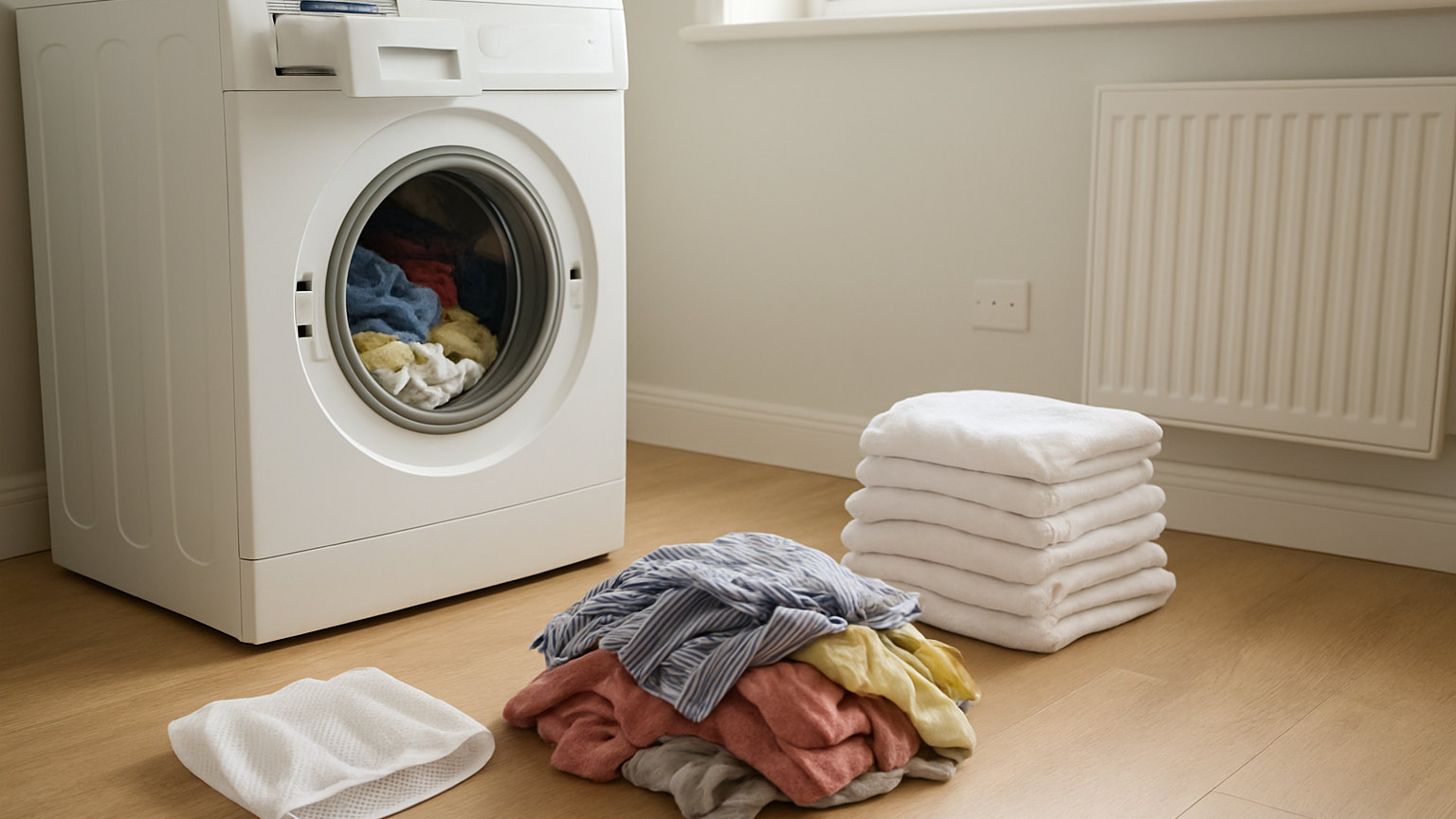
Keeping one hot load a week for towels, bedding and cleaning cloths, with everything else at 30, is a pattern that suits most households well. It gets the hygiene benefit where it matters, keeps the machine itself from developing a smell, and leaves the rest of the wardrobe on the gentle setting that preserves it.