Can You Wash Trainers in a Washing Machine?
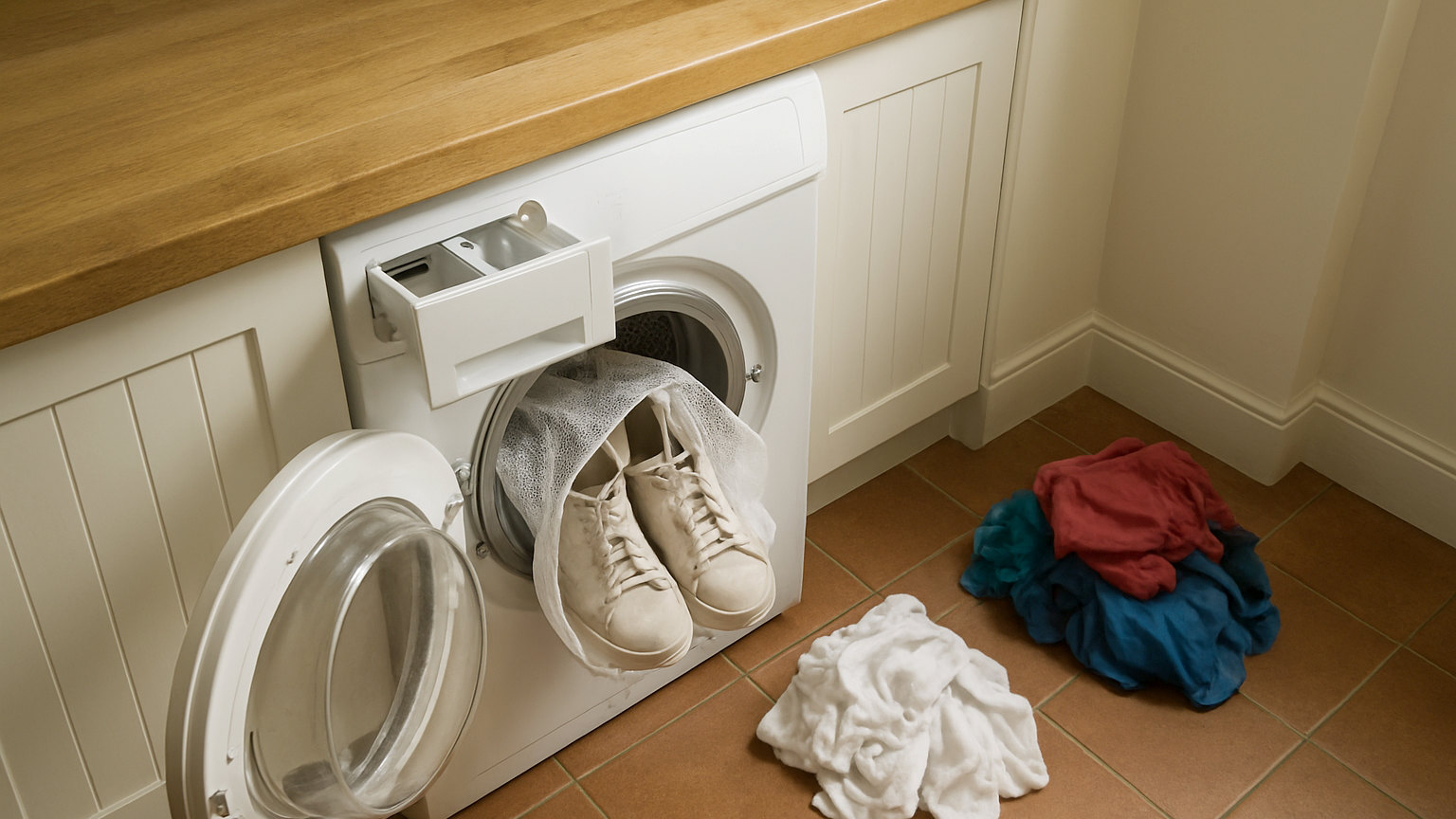
Most fabric trainers survive a machine wash if it is done cold and gently, and the ones that do not should never have gone near water.
By Cleaning Guides Team
13 Jul 2026

Temperature, cycle, detergent dose and load size, and why hot washes are rarely needed.
Most fabric trainers survive a machine wash if it is done cold and gently, and the ones that do not should never have gone near water.
Hand washing is squeezing rather than rubbing, and the part that ruins garments is usually the wringing rather than the washing.
A fast spin saves drying time and creases clothes badly, which is why the right speed depends on what you plan to do with the load afterwards.
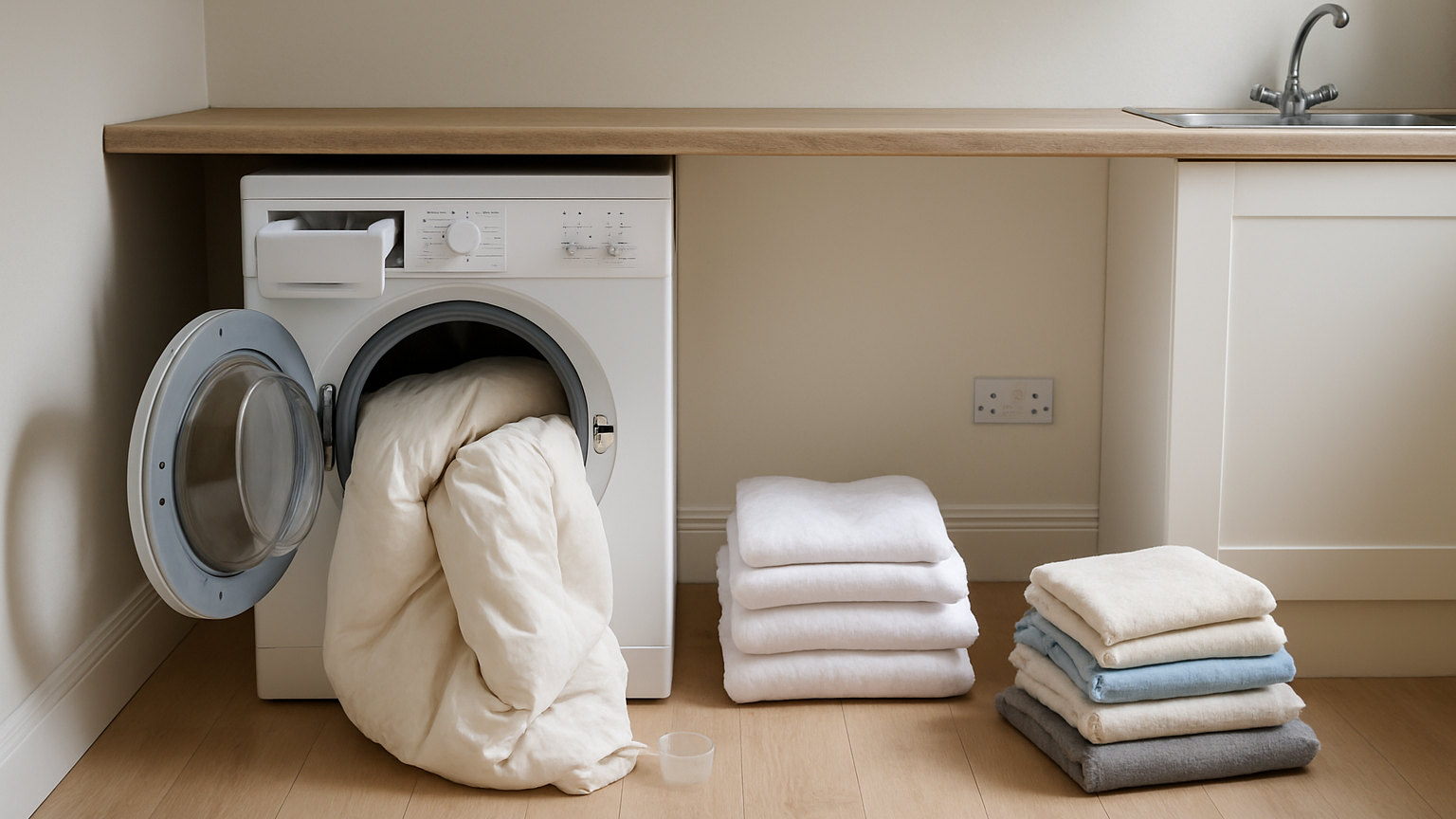
Bulk rather than weight is what defeats a domestic machine, and a duvet that weighs two kilos can still be too big to wash properly.
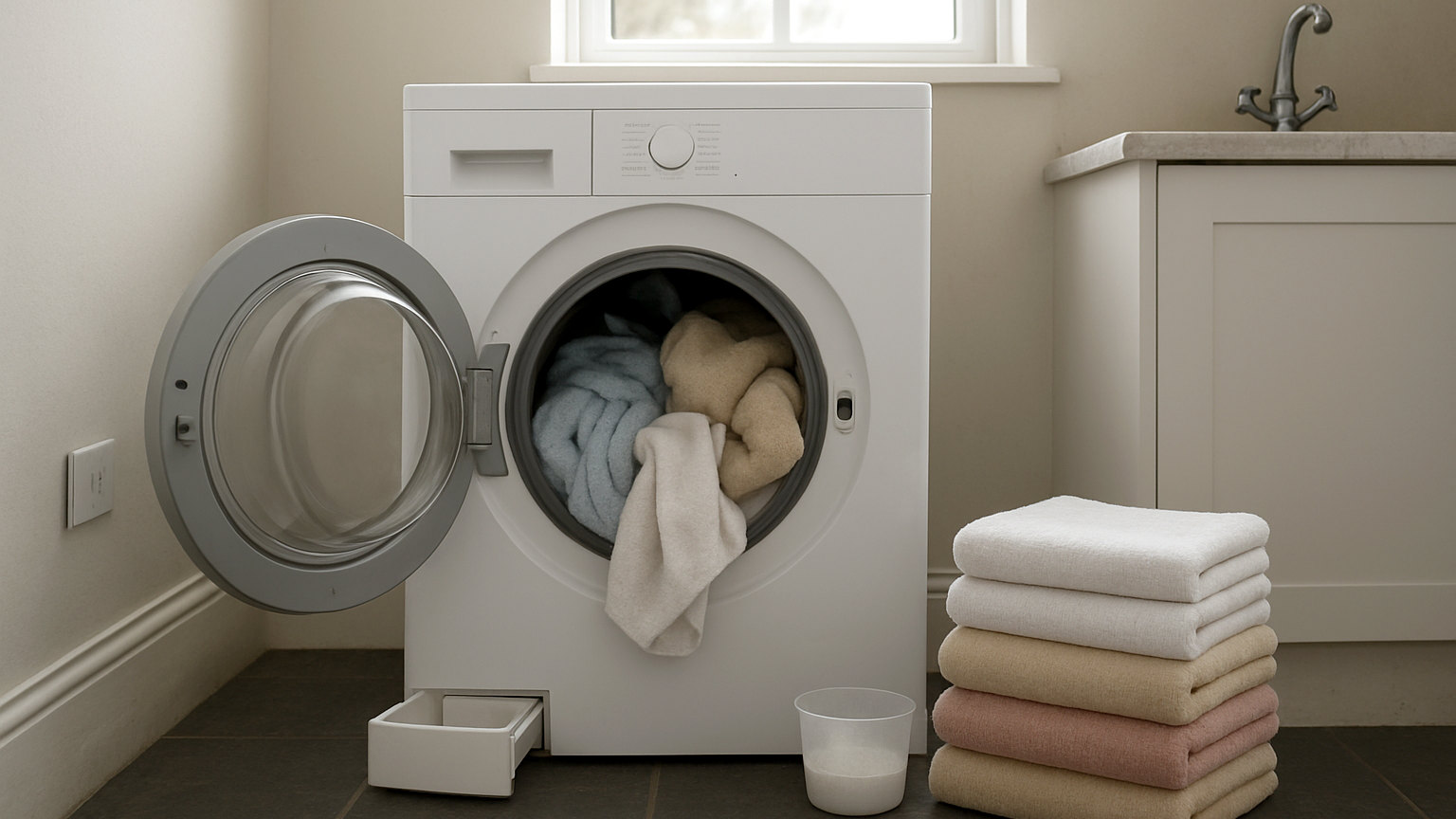
Towels stop absorbing because something has coated the fibres, and the two usual culprits are fabric conditioner and too much detergent.
Soaking is the most underrated laundry step, and for heavy soiling it does more than any increase in temperature or detergent will.
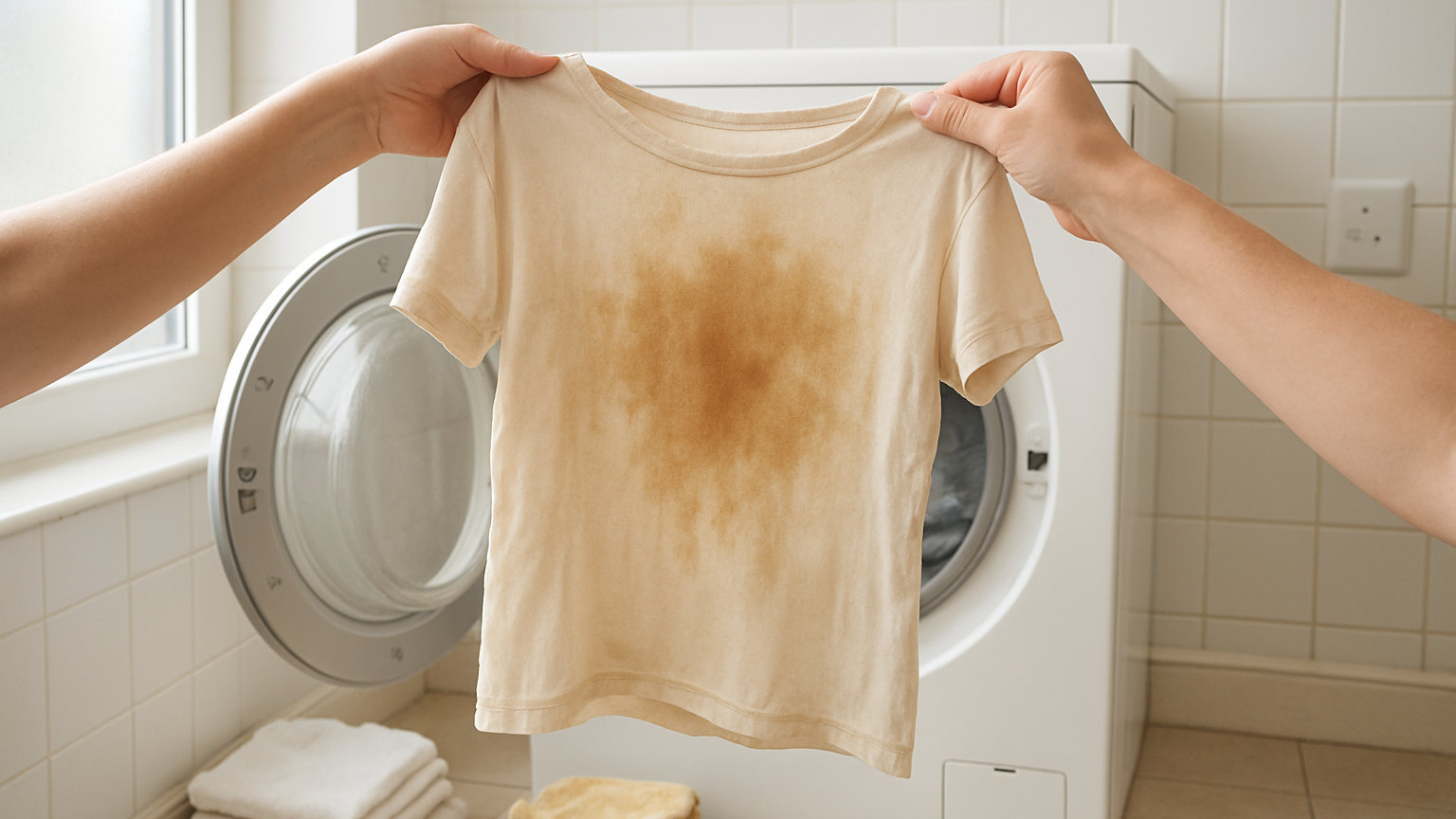
A wash that leaves clothes marked usually has one of five causes, and only one of them is a fault with the machine.
Washing clothes after every wear is what wears them out, and several garments last far longer when they are aired rather than laundered.
Sorting by colour is the habit everyone knows and only half the job, because fabric weight and soil level matter just as much.
Fabric conditioner works by coating fibres with a thin waxy film, which is exactly what you do not want on towels, sportswear or cleaning cloths.
Powder is better on whites and hard water, liquid is better on grease and colours, and capsules trade flexibility for convenience.
Clothes need room to move through the water, and a drum packed to the door is the most common reason a wash comes out disappointing.