Disposable wipes are convenient, expensive per use, made largely from plastic fibres, and a well documented cause of sewer blockages. They also clean less well than a cloth and a spray, since a wipe stops being clean after its first pass.
Why are they a sewer problem?
Because they do not break down in water the way toilet paper does. Flushed wipes combine with fat and other debris to form the masses that block sewers, and water companies spend a great deal of money and effort removing them every year.
Only three things should be flushed: pee, poo and paper. Everything else goes in a bin, including anything labelled flushable.
What about flushable wipes?
The term is contested. Water companies in the UK have long argued that most products marketed as flushable do not disperse adequately in sewer conditions, and the Fine to Flush standard was introduced to identify products that genuinely do.
Even where a product meets that standard, bins remain the safer default, and most cleaning wipes make no such claim at all.
What are they made of?
Most contain polyester, polypropylene or a blend with cellulose, held together as a non-woven fabric. That is what gives them strength when wet, and it is also why they persist in the environment.
Products described as biodegradable vary considerably in how readily they break down, and conditions in a sewer or a landfill are not those of a laboratory test.
Where are they genuinely justified?
- Away from a sink, in a car, on public transport or while travelling.
- Cleaning up something genuinely contaminated, where a cloth would carry it onward.
- Nappy changing on the move.
- During illness, where disposing of the wipe is the point.
- Anywhere laundry facilities are unavailable.
The common thread is that disposal is the function rather than the convenience.
Where are they not justified?
Everyday surface wiping at home, where a cloth and a spray costs a fraction as much and cleans better. Cleaning a whole kitchen with wipes uses several for a job one cloth does, and each one is a piece of plastic fabric.
Do they disinfect?
Only if used as the label directs, which usually means leaving the surface visibly wet for a stated contact time rather than wiping it dry. Most people use them as a wipe rather than as a disinfectant application.
Using one wipe across several surfaces also spreads whatever it picked up first, which is the opposite of the intended effect.
What should you use instead?
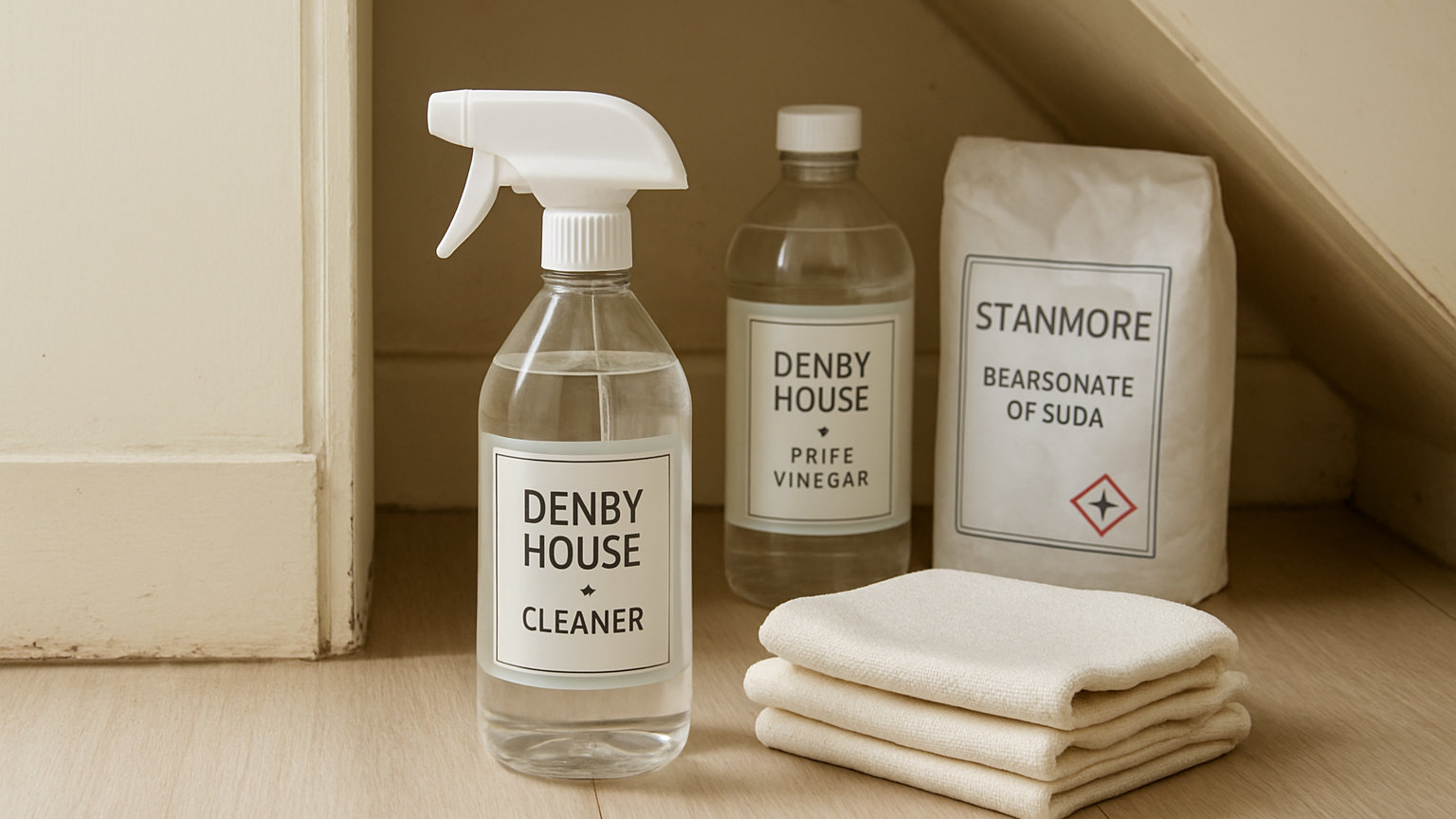
A microfibre cloth and a spray bottle for surfaces. Kitchen paper for anything genuinely contaminated such as raw meat residue, which is single use for a reason. Cotton rags cut from old towels for dirty jobs that would ruin a cloth.
Reusable cloth wipes on a roll suit households that find the format itself is the habit.
What about baby wipes?
The same material questions apply, with the added point that they are used in large quantities. Reusable cloth wipes with warm water are a common alternative at home, with disposables kept for outings.
Whatever is used, they go in a bin rather than a toilet.
What is the cost comparison?
A pack of wipes used routinely costs a household a meaningful amount over a year. A pack of microfibre cloths costs less than a few packs of wipes and lasts for years of daily use.
What is the reasonable position?
Keep a packet for the car, for travel and for genuinely unpleasant jobs. Stop using them as the default for household surfaces. And never flush one, regardless of what the packet says.
What about the plastic free wipes now sold?
Wipes made from wood pulp, cotton or viscose without plastic fibres do break down considerably better and are still single use, still comparatively expensive, and still should not be flushed unless they carry the Fine to Flush standard. They are an improvement on plastic based wipes rather than an alternative to a cloth.