Commercial cleaning products contain preservatives, which is the main reason they sit in a cupboard for years without changing. Homemade versions do not, and a water based mixture in a warm cupboard is a growing environment like any other.
Which mixtures go off quickly?
- Anything water based with detergent in it – two to four weeks.
- Anything containing plant material, such as citrus peel infusions once strained – a few weeks refrigerated.
- Anything with soap flakes or castile soap – similar.
- Pastes made with water – a few weeks before drying out.
- Anything made with warm water, which starts warmer and therefore sooner.
Which ingredients are stable?
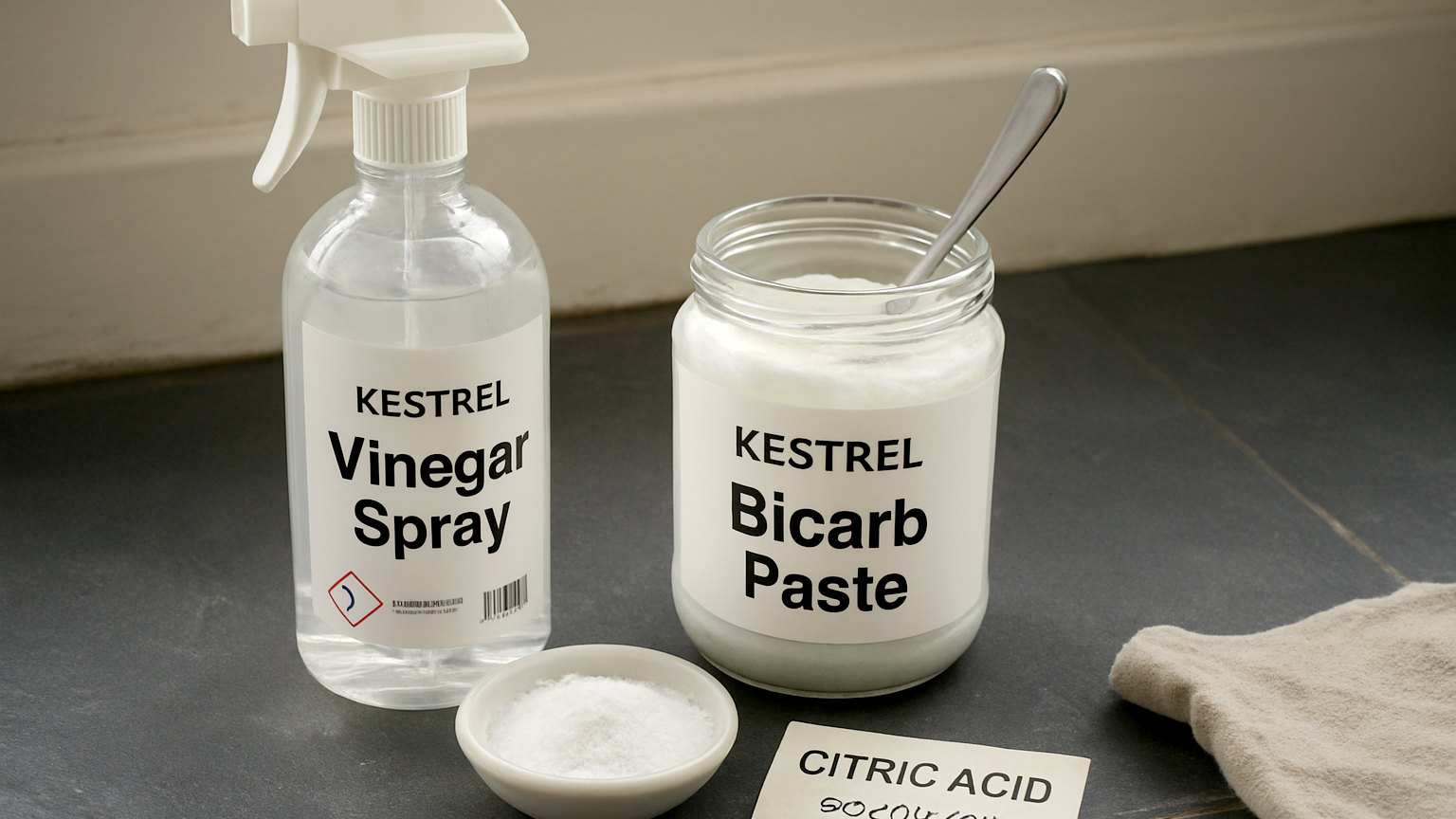
Undiluted white vinegar keeps indefinitely, as does its acidity. Neat surgical spirit keeps well. Dry powders such as bicarbonate of soda, soda crystals, citric acid and oxygen bleach keep for years provided they stay dry and sealed.
It is dilution with water that starts the clock, not the ingredients themselves.
What about oxygen bleach solutions?
These do not spoil biologically; they simply stop working. Once dissolved, sodium percarbonate releases hydrogen peroxide which degrades within hours, so a solution made yesterday is doing very little today.
Mix oxygen bleach fresh each time. The powder keeps well; the solution does not.
What about hydrogen peroxide?
It degrades in light and over time, which is why it is sold in opaque bottles. A bottle opened a year ago may be substantially weaker than the label says.
Keep it dark, sealed and cool, and replace it annually if it is used for anything that matters.
How do you tell when something has gone off?
Cloudiness in a solution that was previously clear. A slimy feel inside the bottle or around the neck. A change in smell, particularly anything sour or musty. Separation that will not remix when shaken. Or visible growth, which is unmistakable once it appears.
Anything showing these should be emptied and the bottle washed with hot water before refilling.
How do you make it last longer?
- Make small batches, no more than 500ml at a time.
- Use cool or distilled water rather than warm tap water.
- Wash and dry the bottle thoroughly before refilling.
- Never top up an old bottle with fresh mixture.
- Store somewhere cool and out of sunlight.
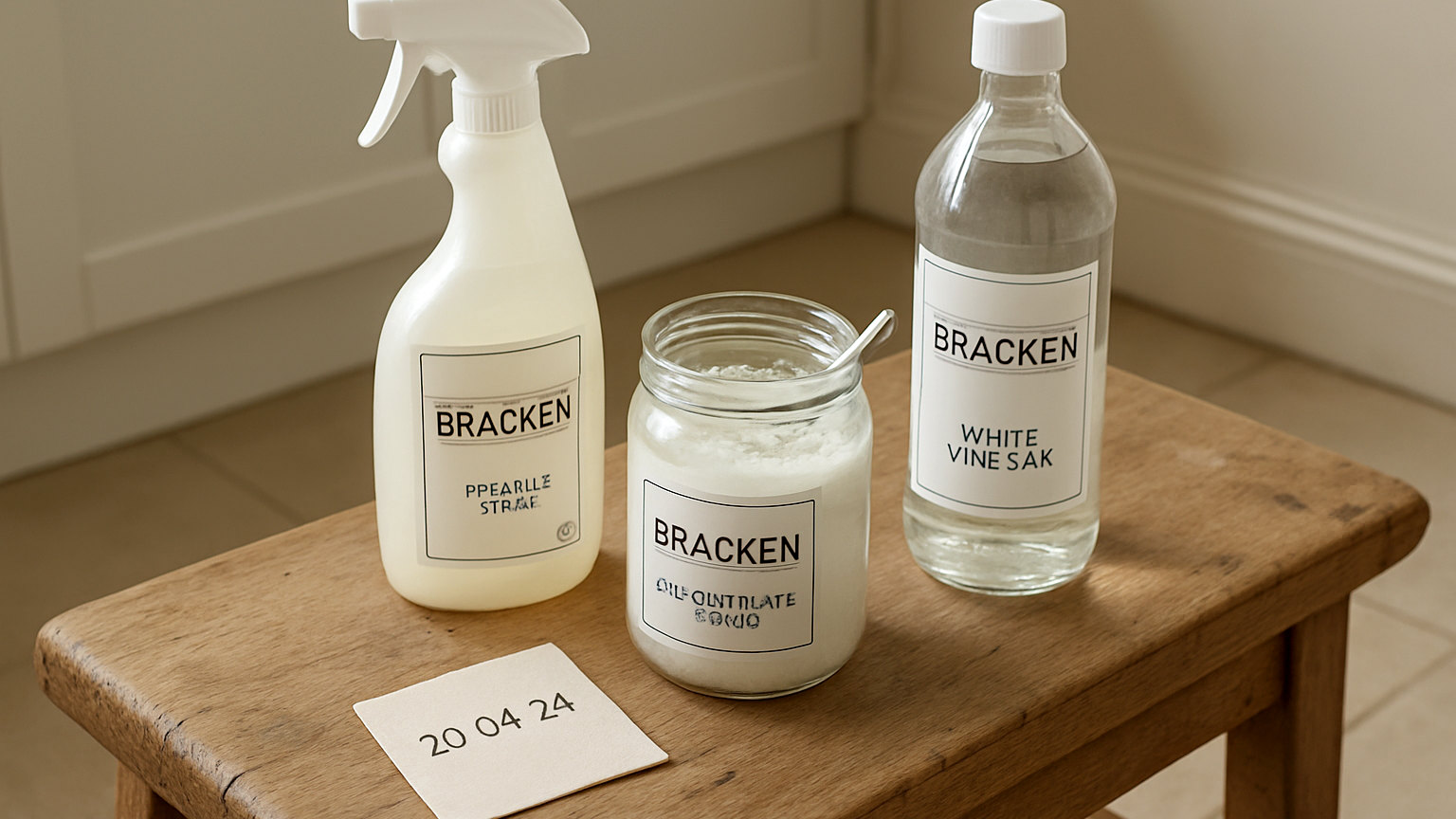
- Label with the contents and the date.
Does adding vinegar preserve it?
Somewhat. A spray that is substantially vinegar is acidic enough to discourage growth and keeps considerably longer than a plain detergent solution.
A few drops of vinegar in a mostly water mixture does not achieve that, and it may interfere with a detergent. Either make it properly acidic or accept the shorter life.
Does it matter if you use an old one?
It is unlikely to cause harm on a hard surface and it is unpleasant and less effective. More to the point, spraying a bacterial soup onto a kitchen worktop and wiping it around is the opposite of cleaning.
What about refrigerating?
It extends the life of anything water based considerably, and it is impractical for cleaning products and risks them being mistaken for something else in a fridge shared with food.
Making smaller batches more often is the simpler and safer answer, and it takes almost no time.
What is the practical routine?
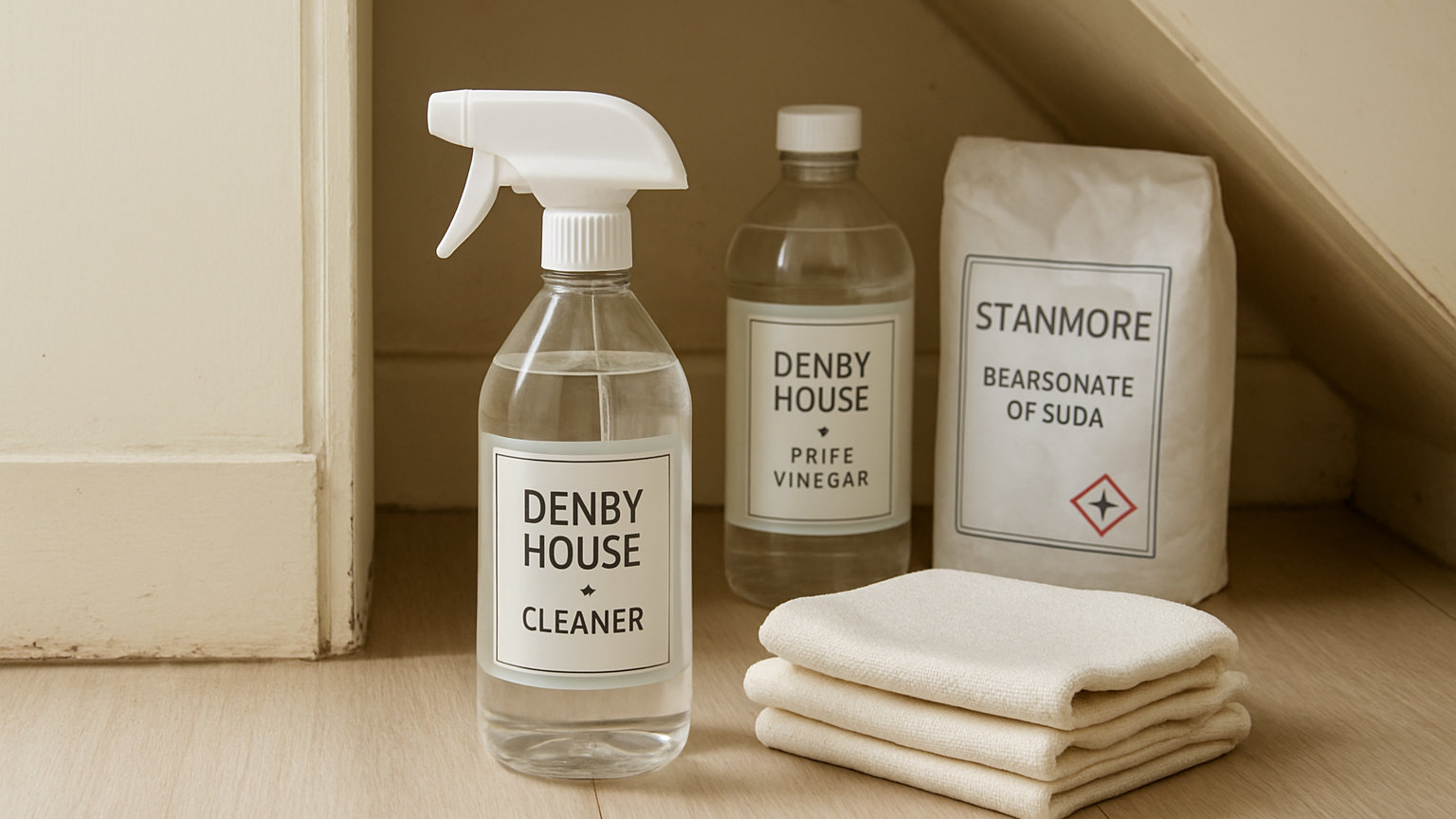
Keep the dry ingredients and the neat vinegar in bulk, and mix small quantities as needed. A 500ml spray takes thirty seconds to make, which removes the storage question entirely and means what you use is always fresh.
Do the dry ingredients ever expire?
Bicarbonate, soda crystals and citric acid last indefinitely if kept sealed and dry, and they clump rather than spoil if they get damp. Oxygen bleach is the exception: it loses potency as it absorbs moisture from the air, so a tub left open in a humid utility room for two years will be noticeably weaker than a fresh one. Buy it in quantities you will use within a year and keep the lid on properly.