The most useful homemade cleaner is also the simplest. Warm water with a few drops of washing up liquid in a spray bottle handles the great majority of everyday household wiping, because washing up liquid is a purpose built degreaser and everyday soil is mostly grease and dust.
What is the recipe?
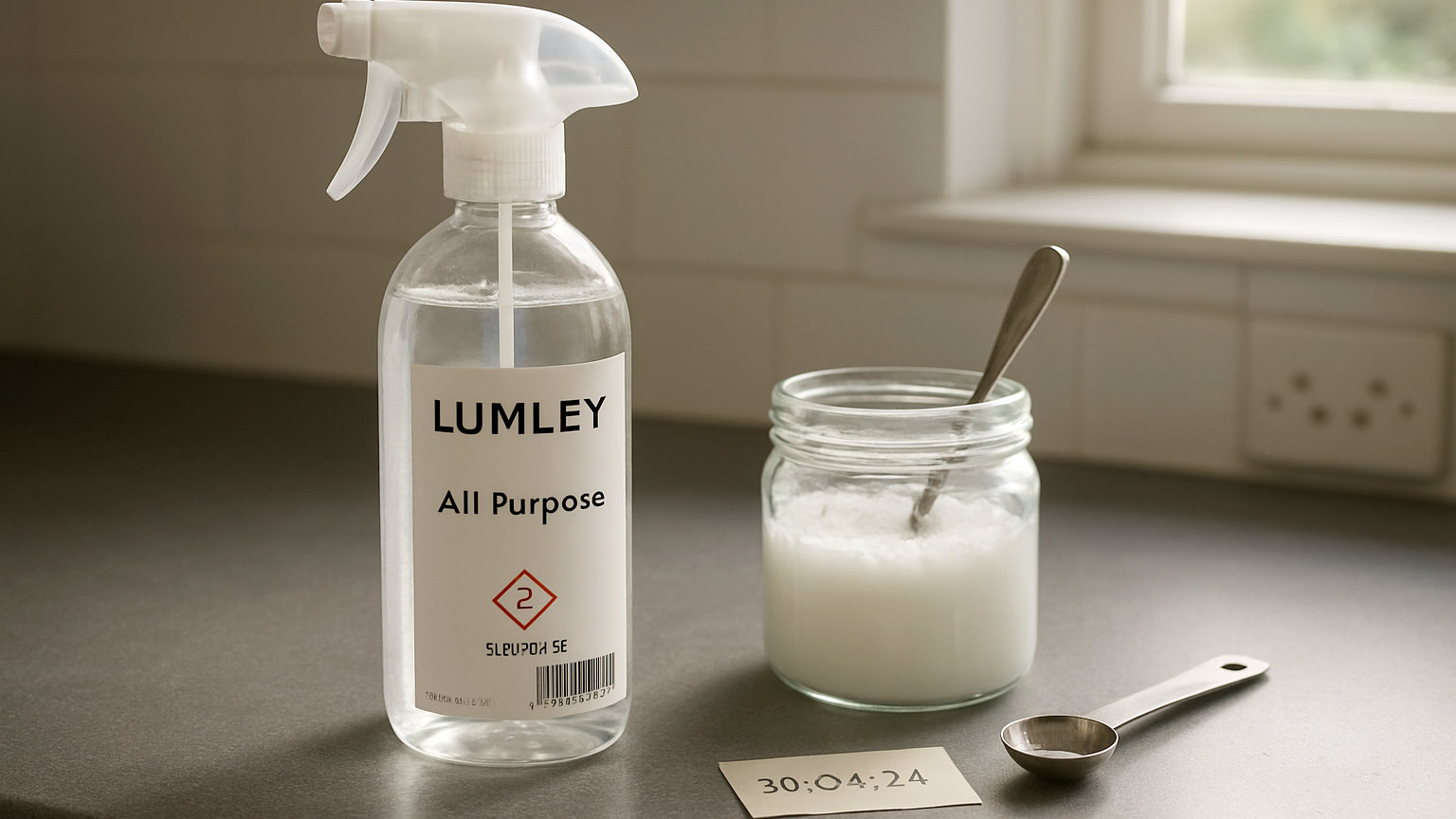
- Take a clean 500ml spray bottle.
- Fill with warm water, leaving a little space.
- Add three to five drops of washing up liquid.
- Screw the top on and invert gently to mix, rather than shaking, which creates foam.
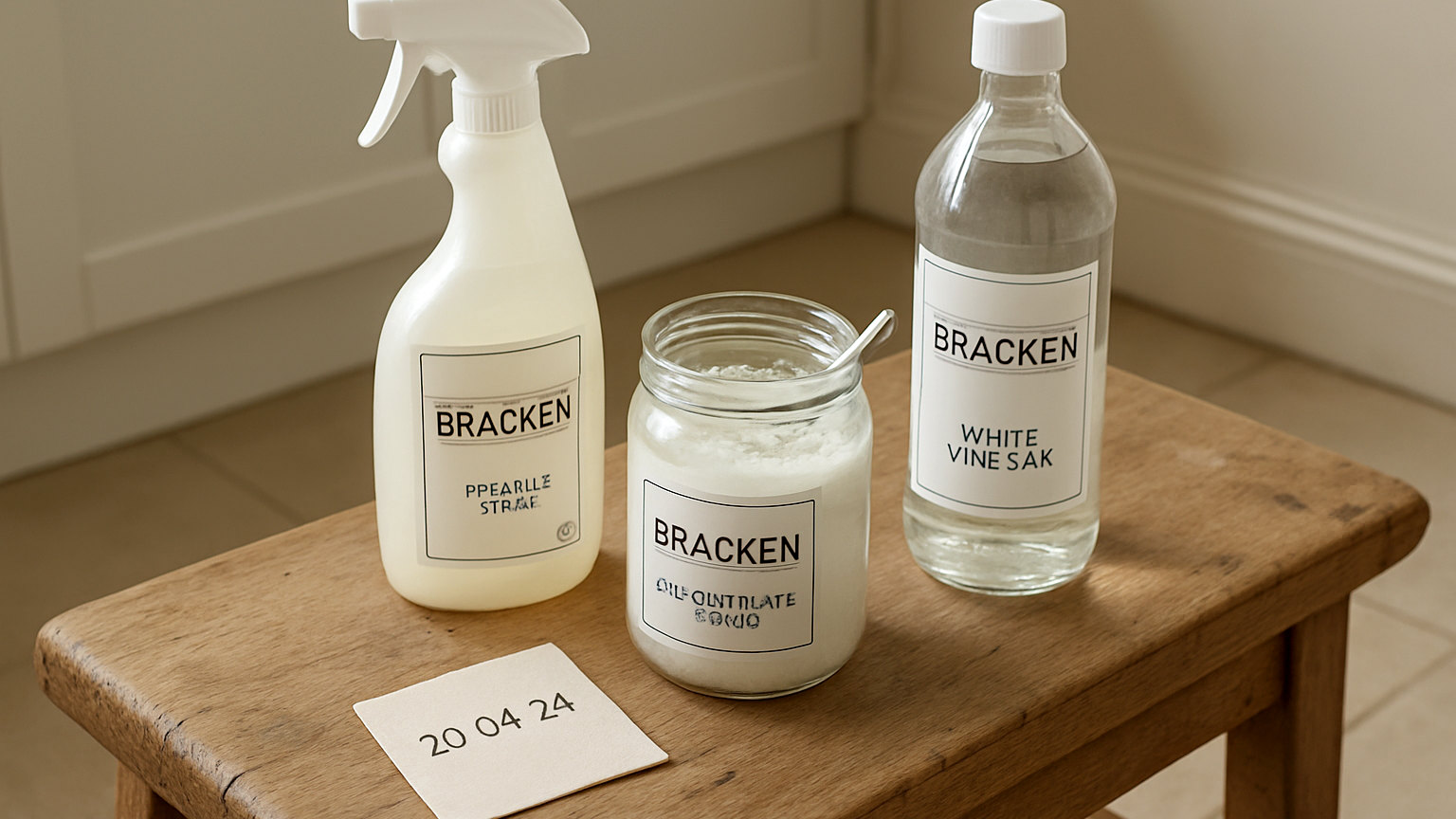
- Label it with the contents and the date.
That is the whole thing. It costs almost nothing and does what most branded all purpose sprays do.
Why make it weak?
Because anything left on a surface attracts dirt. Too much detergent leaves a film that dulls the surface and makes it get dirty faster, so each clean is less effective than the last.
If surfaces feel slightly tacky after cleaning or look streaky when dry, the mix is too strong. A few drops is genuinely enough.
What can you add?
For general use, nothing. Where a little more is wanted:
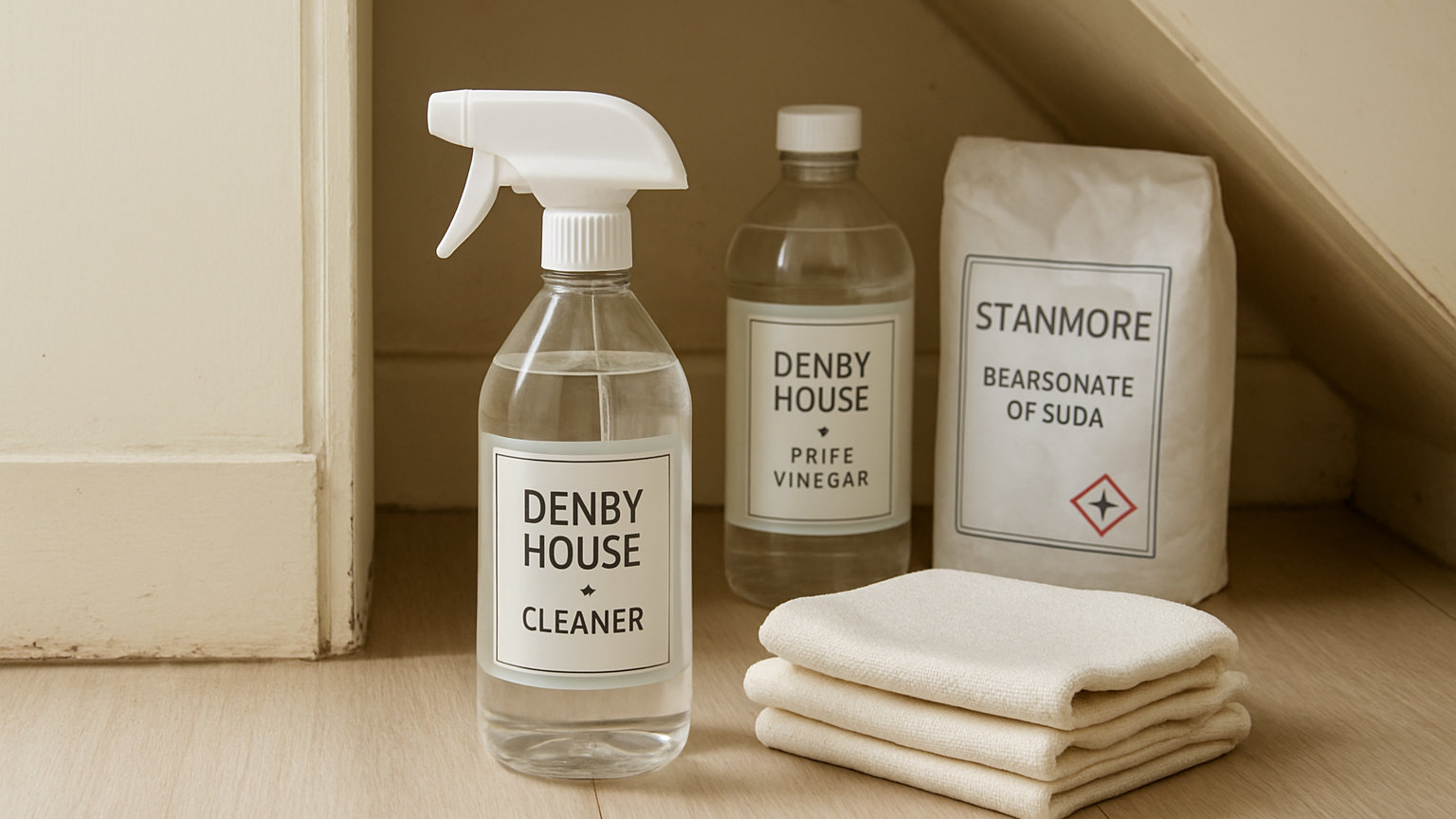
- A tablespoon of white vinegar for kitchen surfaces with limescale marks, on safe surfaces only.
- A teaspoon of bicarbonate of soda for greasy areas, which makes it mildly alkaline.
- A capful of surgical spirit, which helps it dry faster and reduces streaking on glass.
Do not add vinegar and bicarbonate together, which neutralises both.
Where should it not be used?
Unsealed wood, which it can strip and raise. Natural stone, if vinegar has been added. Leather. Anything with a delicate or unsealed finish. And electrical items, where nothing should be sprayed directly.
Spray onto the cloth rather than the surface for anything near electronics, sockets or switches.
Why make it fresh?
Because there is no preservative in it. Water plus a trace of organic material in a warm bottle supports bacterial growth within weeks, and a cloudy or slightly slimy spray bottle is exactly that.
Make 500ml at a time, use it within a month, and wash the bottle out with hot water before refilling rather than topping it up.
What bottle should you use?
A proper spray bottle with an adjustable nozzle, ideally one sold for the purpose. Reused trigger sprays from finished cleaning products work well, provided they are rinsed thoroughly and relabelled.
Never reuse a drinks bottle for any cleaning product, which is how accidental poisonings happen.
How do you use it properly?
Spray onto a microfibre cloth rather than misting a whole surface, which uses far less product and avoids overspray onto things that should not get wet.
For a greasy area, spray directly, leave it for a minute or two to work, then wipe. Dwell time does more than pressure.
Does it disinfect?
No, and it does not need to for most surfaces. It removes soil and the bacteria in it, which is what cleaning does and what most household hygiene depends on.
Where disinfection genuinely matters, after raw meat or during illness, use a product with a stated contact time on an already cleaned surface.
What about a stronger version?
For heavier jobs such as greasy kitchen walls or cupboard doors, make a separate bottle with a teaspoon of soda crystals dissolved in warm water. It is strongly alkaline, so wear gloves, keep it off aluminium and natural stone, and rinse the surface afterwards.
Label that one clearly and differently, since it is not a general purpose spray.
Is it as good as a bought spray?
For everyday soil, yes. Branded sprays add fragrance, a preservative, sometimes a disinfectant and a solvent that helps with streaking. None of those changes the basic cleaning, which is the surfactant doing its job.
How much does it save?
A 500ml bottle costs a fraction of a penny in washing up liquid against a couple of pounds for a branded spray, and a household that gets through a bottle a month notices it over a year. The larger saving is in packaging, since the same trigger bottle is refilled indefinitely rather than replaced.