Steam cleaners come in several forms that do different jobs, and a great many end up unused because the wrong type was bought. Deciding what you actually want to clean before choosing a format avoids most of that.
What are the types?
- Cylinder or canister – a pressurised boiler on wheels with a hose and a set of attachments. The most capable and the most versatile.
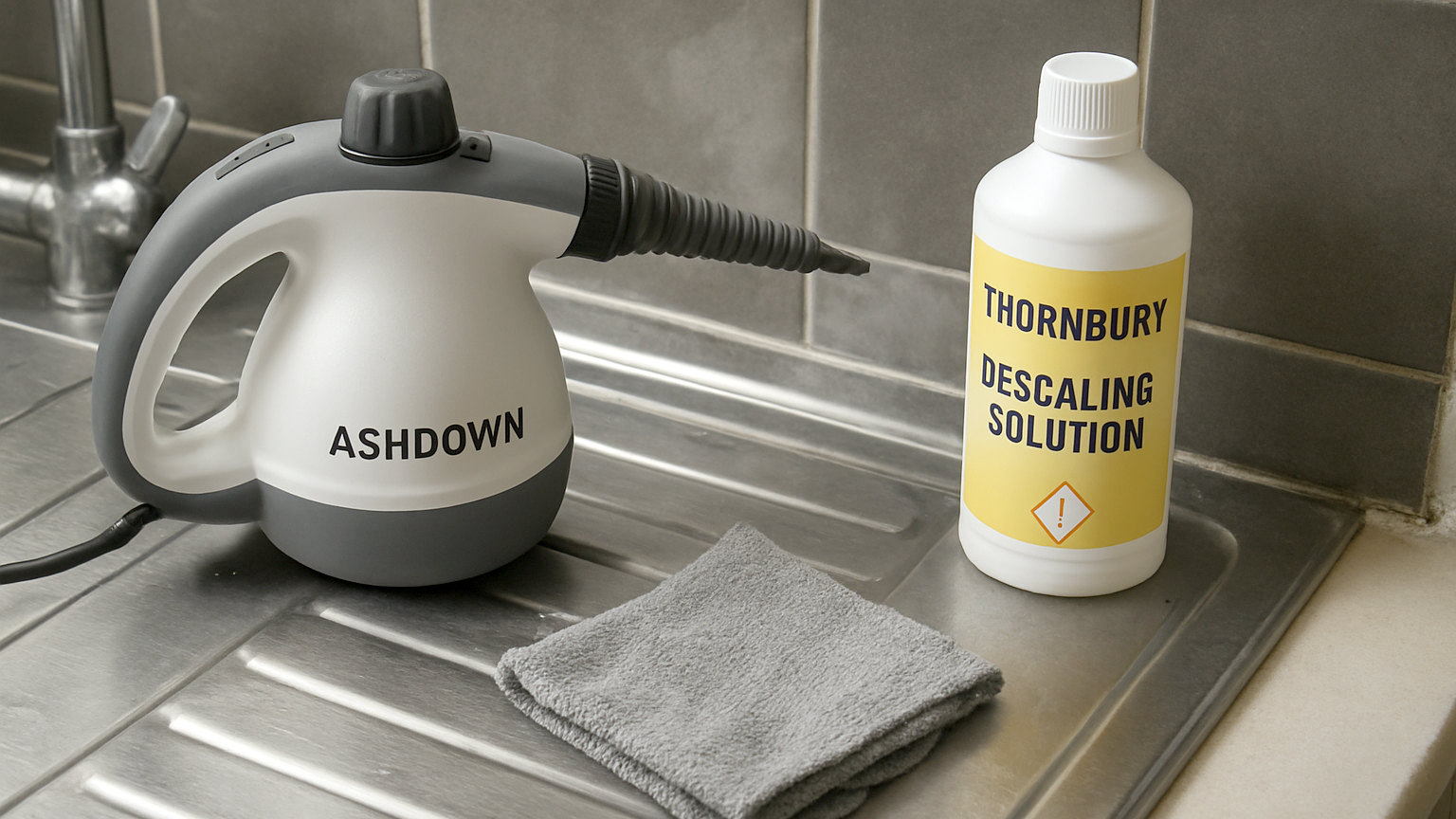
- Handheld – small, portable, short run time. For bathrooms, kitchens and detail work.
- Steam mop – an upright floor cleaner with a pad. For hard floors only.
- Combination mop and handheld – a mop with a detachable handheld unit.
- Garment steamer – for clothes and curtains rather than cleaning.
Which should you buy for what?
For general household cleaning, particularly bathrooms, grout and awkward places, a cylinder machine with attachments is the one that gets used. For floors alone, a steam mop. For quick jobs and small areas, a handheld.
The combination units are a reasonable compromise and are usually weaker at both jobs than a dedicated machine.
What specifications matter?
- Boiler pressure, measured in bar. Higher pressure gives drier steam and more cleaning force. Around three bar upwards is worth having.
- Tank capacity, which determines run time between refills.
- Whether the tank can be refilled while hot, which matters on longer jobs.
- Heat up time, from thirty seconds to several minutes.
- Attachments included, particularly a detail nozzle and a brush.
- Hose length and cord length.
What is the difference between wet and dry steam?
Dry steam has a very low water content, usually from a pressurised boiler at higher temperature. It leaves surfaces barely damp and dries in minutes, which makes it safer around moisture sensitive materials.
Cheaper machines produce wetter steam and leave more moisture behind. For bathrooms and floors that is acceptable; for upholstery and delicate surfaces it matters.
Which attachments are worth having?
A detail or jet nozzle, which is the single most useful tool for grout, corners and tracks. A small brush for scrubbing. A window squeegee attachment. An upholstery tool with cloth covers. And a floor head if you want to do floors.
Check what is included rather than assuming, since attachments bought separately are expensive.
Does a continuous fill system matter?
On a machine used for long sessions, yes. A single tank system has to depressurise and cool before refilling, which interrupts the work. A two tank system with a separate refill reservoir can be topped up while running.
For short domestic jobs it matters less.
What about vacuum and steam combinations?
Machines that steam and extract at the same time do address the main weakness of steam, which is that it loosens dirt without removing it. They are heavier, more expensive and more complicated to clean afterwards.
They are genuinely useful in a house with a lot of hard flooring and worth the extra complexity only if it will be used regularly.
What should you check before buying?
Your floor types, since laminate and wood rule out most floor use. The weight, if there are stairs. Whether descaling is needed and how it is done. And whether replacement pads, seals and attachments are available.
How much should you spend?
Very cheap handhelds produce little pressure and disappoint. The mid range is where usable pressure and a decent attachment set appear. Professional machines are excellent and heavier and more expensive than most households need.
What is the honest advice?
Decide on the jobs first. If the answer is bathrooms, grout and detail work, buy a cylinder machine. If it is hard floors, buy a mop. If you want it for everything, be aware that a mop will not do bathrooms well and a handheld will not do a whole floor.
What about noise and heat in the room?
Most machines are fairly quiet, with an audible pump or boiler cycling. The more noticeable effect is humidity, since a session puts a considerable amount of moisture into the air. In a small bathroom that means running the extractor, and in winter it can cause condensation on cold windows and walls.