Cordless vacuums were once clearly inferior and are now genuinely capable machines. For many households they work as the only vacuum, and the most important advantage is not performance at all: a machine that can be picked up and used in thirty seconds gets used far more often than one that has to be fetched and plugged in.
How do they compare on performance?
Good cordless machines match mid range corded ones on hard floors and on short pile carpet. On deep pile carpet a powerful corded upright with a driven brush bar still has an edge, particularly for deep cleaning rather than surface pick up.
The gap is much smaller than it was, and for most domestic floors it is no longer the deciding factor.
What are the real limitations?
- Run time, typically twenty to sixty minutes, and considerably less on the highest power setting.
- Bin capacity, which is small and needs emptying often.
- Battery degradation over a few years.
- Weight distribution, since the motor is in the hand rather than on the floor.
- Cost of replacement batteries.
How long do the batteries last?
Typically three to five years of regular use before capacity noticeably drops. Degradation is gradual and shows first as reduced run time rather than reduced power.
Check whether replacement batteries are available and what they cost before buying, since on some machines the battery is not user replaceable and its failure effectively ends the machine.
How do you look after the battery?
- Avoid running it completely flat repeatedly.
- Do not leave it on charge permanently if the manual advises against it.
- Keep it at room temperature; cold and heat both shorten battery life.
- Use the lower power setting where it is sufficient.
- Store it charged rather than empty if it will be unused for a while.
Does the maximum power setting matter?
It roughly halves the run time, and it is rarely needed on hard floors or for light debris. Using the standard setting for general work and boosting for a particular area gives a far more usable run time.
Several machines now adjust power automatically according to the floor type.
Is one enough for a whole house?
For a flat or a small house, usually. For a larger house with a lot of carpet, the run time becomes limiting and a second battery helps considerably.
Many households settle on a corded machine for the thorough clean and a cordless for daily quick jobs, which is a reasonable arrangement if space and budget allow.
What should you look for?
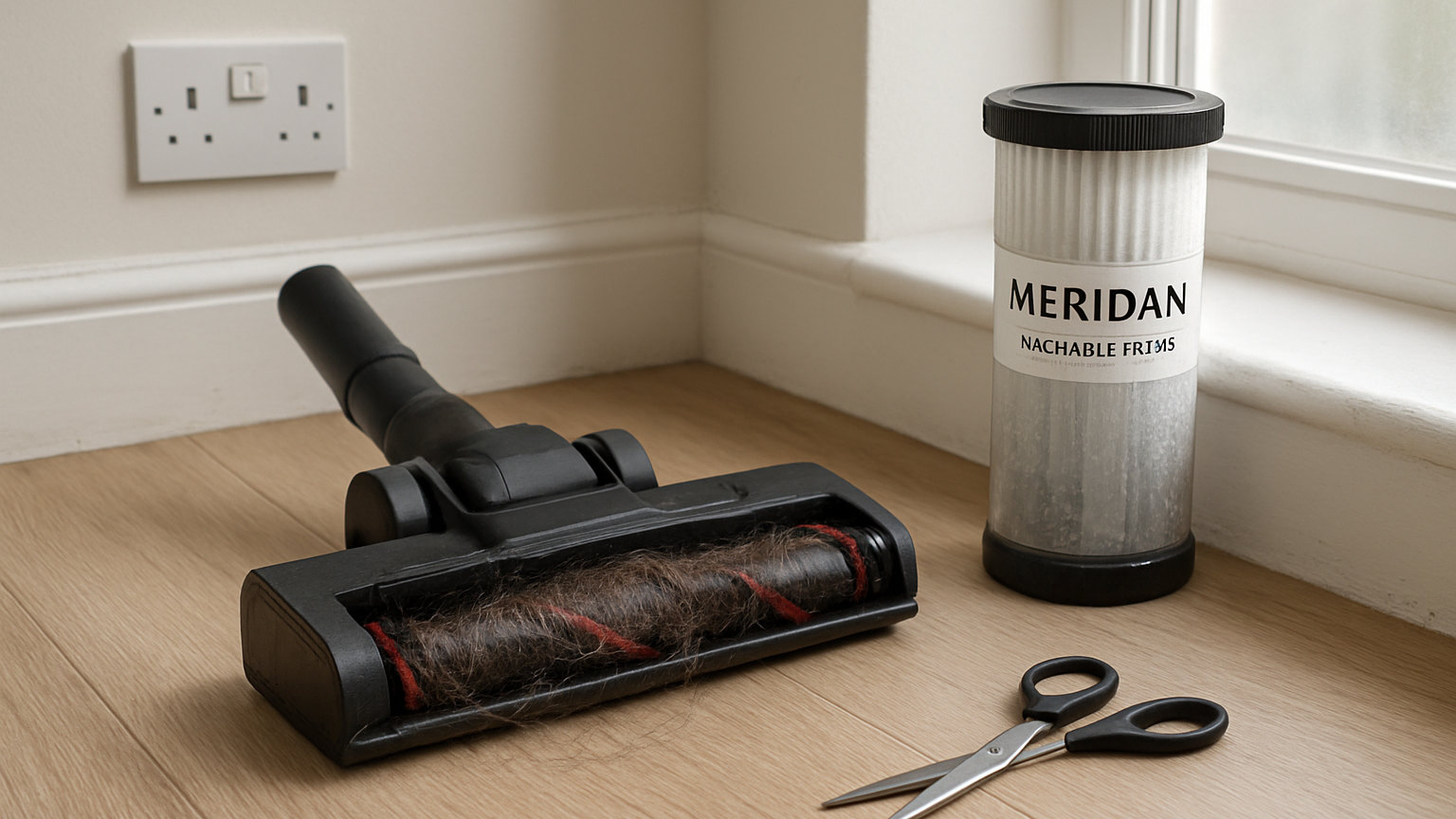
A removable battery, ideally with spares available. A bin that empties without putting a hand in it. A brush bar that can be cleared easily. Freestanding storage or a wall dock. And a reasonable weight, since the whole machine is carried rather than pushed.
Filtration matters as much as on a corded machine, and the filters need washing on the same schedule.
What about the small bin?
It is the most common frustration. A cordless bin fills quickly, particularly with pet hair, and emptying it releases dust exactly as a corded bagless machine does.
Empty it outdoors or into a bag, and empty it before it is full rather than after, since a full bin restricts airflow and reduces performance.
Are they worth it?
For most households, yes, and the reason is behavioural rather than technical. The evidence from people who switch is that they vacuum far more often, and a floor vacuumed three times a week with a good cordless is cleaner than one vacuumed weekly with a better corded machine.
Where should it be stored?
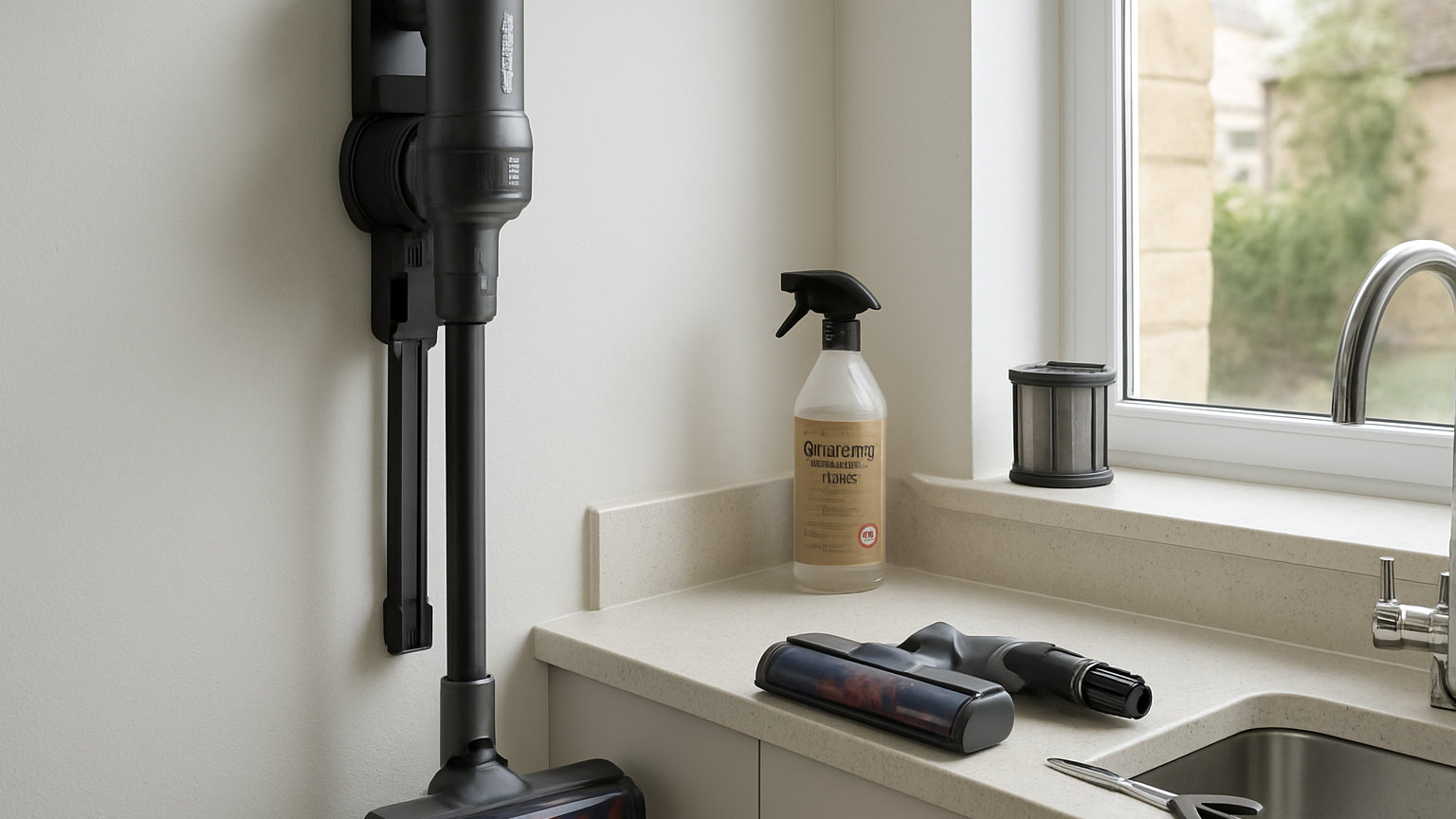
On a wall dock or a freestanding stand somewhere central, and that placement matters more than it sounds. The whole advantage is that it can be picked up in seconds, and a cordless kept in a cupboard under the stairs loses most of its point. A hallway or a utility room within reach of the main living space is ideal.
Can they handle stairs?
Better than most corded machines, since there is no cord to manage and the handheld mode is light. A motorised mini brush makes a considerable difference on carpeted stairs, and the run time is rarely a limitation for a single flight.