Robot vacuums do a specific job well and a different job poorly. They keep a floor consistently free of surface dust, crumbs and hair by running often, and they do not deep clean carpet or reach everywhere. Judged as maintenance rather than as a replacement, they earn their place.
What do they do well?
- Daily surface pick up on hard floors and short pile carpet.
- Pet hair, which they collect very effectively by running frequently.
- Keeping open floor areas consistently tidy.
- Running while nobody is home, which is genuinely useful.
- Under beds and low furniture, where they reach more easily than a person.
What do they do poorly?
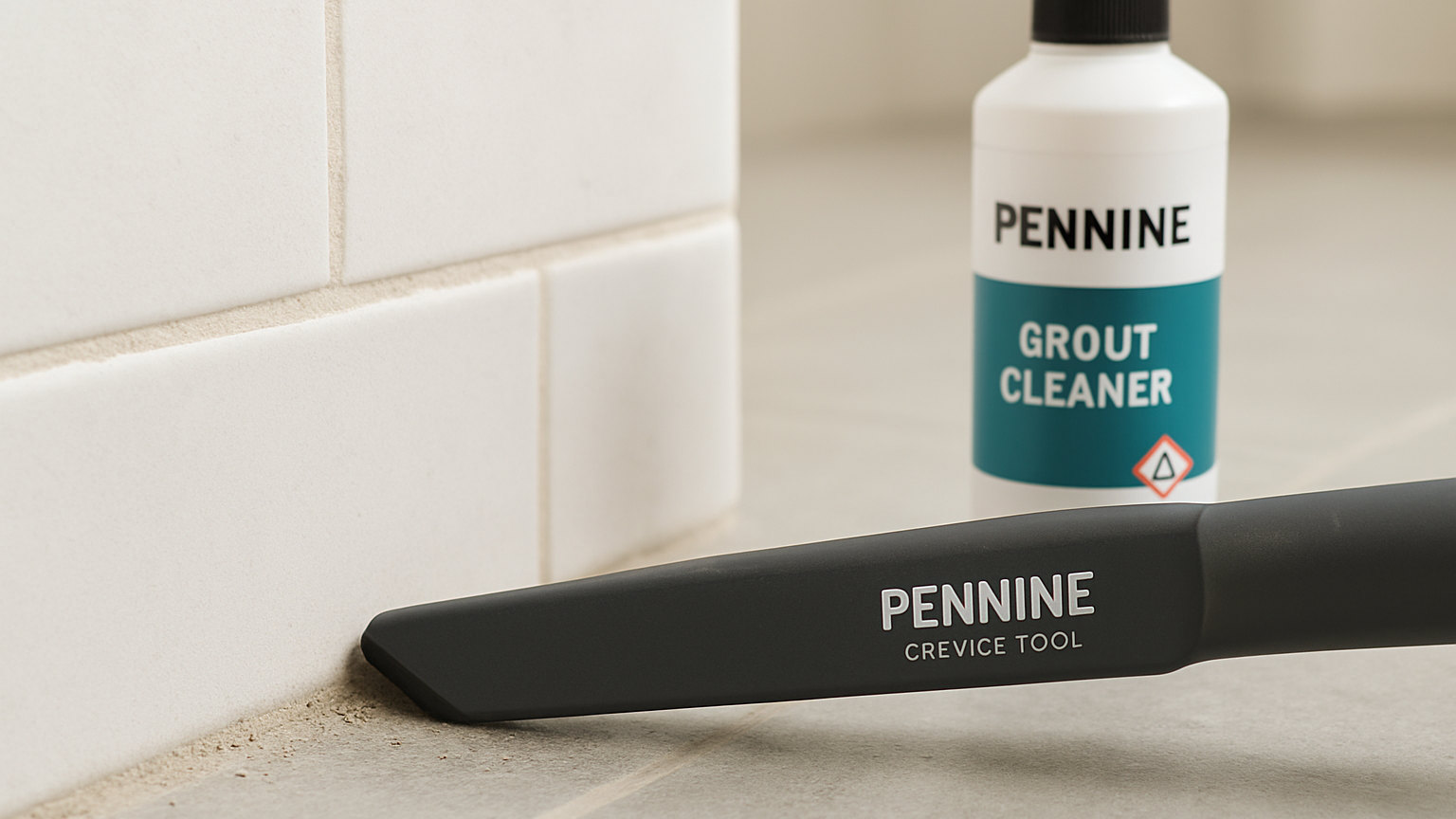
Corners and edges, since a round body cannot reach into a right angle however good the side brush is. Deep pile carpet, where they lack the power and the brush action. Stairs entirely. Anything that needs judgement, such as a spill or a large object.
They also need the floor prepared, which is the part people find most surprising.
What preparation do they need?
Cables and charger leads lifted or clipped up, since they wrap around the brush and stop the machine. Loose rug corners secured. Small toys, socks and pet toys picked up. Light furniture that slides, such as dining chairs, either moved or accepted as an obstacle.
Households that adopt one usually find themselves keeping the floor clearer generally, which is itself a benefit.
How good is the navigation?
Considerably better than early models. Machines with laser or camera mapping cover a room systematically, remember the layout, resume after charging and allow no-go zones to be set.
Cheaper models that move semi randomly do eventually cover a room and take much longer and miss more.
What about the bin size?
Small, necessarily, and it needs emptying every one or two runs in a household with pets. Self emptying docks address this by transferring the contents into a larger bag in the base station, which is genuinely convenient and adds cost and a consumable.
Do the mopping ones work?
For light maintenance mopping on hard floors, reasonably. They spread a small amount of water and wipe, which handles dust and light marks and will not shift anything dried on.
The pads need washing after every use, and a pad left damp in a machine will smell. Treat it as a daily wipe rather than as mopping.
What maintenance do they need?
- Empty the bin every run or two.
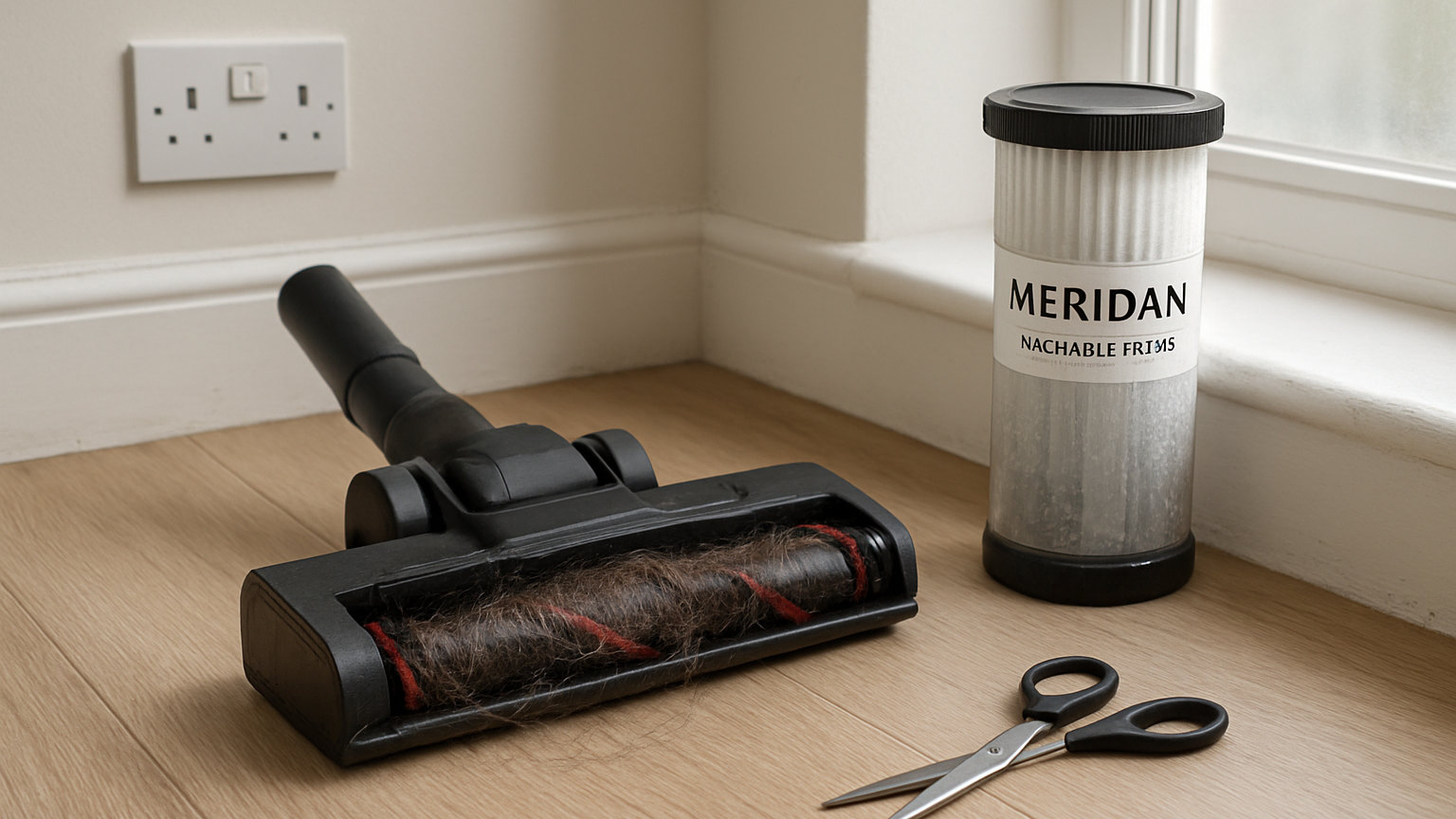
- Clear hair from the main brush and the side brushes weekly.
- Wash or tap out the filter regularly.
- Wipe the sensors and the charging contacts.
- Check the wheels for hair wrapped around the axles.
- Replace brushes and filters as they wear.
Do they replace a normal vacuum?
No, and expecting that is where disappointment comes from. They handle the maintenance between proper cleans, which means the weekly vacuum has far less to do and the floor is better most of the time.
A house with a robot still needs a proper machine for carpet, stairs, edges, upholstery and anything the robot cannot reach.
Who benefits most?
Households with pets, mostly hard floors, open plan layouts, or anyone who finds vacuuming physically difficult. Also anyone who simply will not vacuum often enough, since a machine that runs daily without being asked is better than a better machine that stays in a cupboard.
What should you check before buying?
Whether it handles the transition between your floor types, whether it will fit under your furniture, how the bin empties, and whether replacement brushes and filters are readily available. Height is the specification most often overlooked and the one that decides whether it can go under the sofa.
What about pets in the house?
Most animals ignore them within a few days, and a few find them distressing, which is worth watching for. The more practical concern is pet accidents, since a robot encountering one will spread it across the whole floor. Machines with obstacle recognition handle this better, and running it while nobody is home carries that risk.