Beetroot contains betanin, one of the strongest natural colourings found in food and the same compound used as a commercial food dye. The useful part is that betanin is water soluble, so a fresh beetroot stain flushes out readily. The difficulty is that it oxidises quickly, and within a few hours the bright purple becomes a dull brown that behaves quite differently.
What is the immediate treatment?
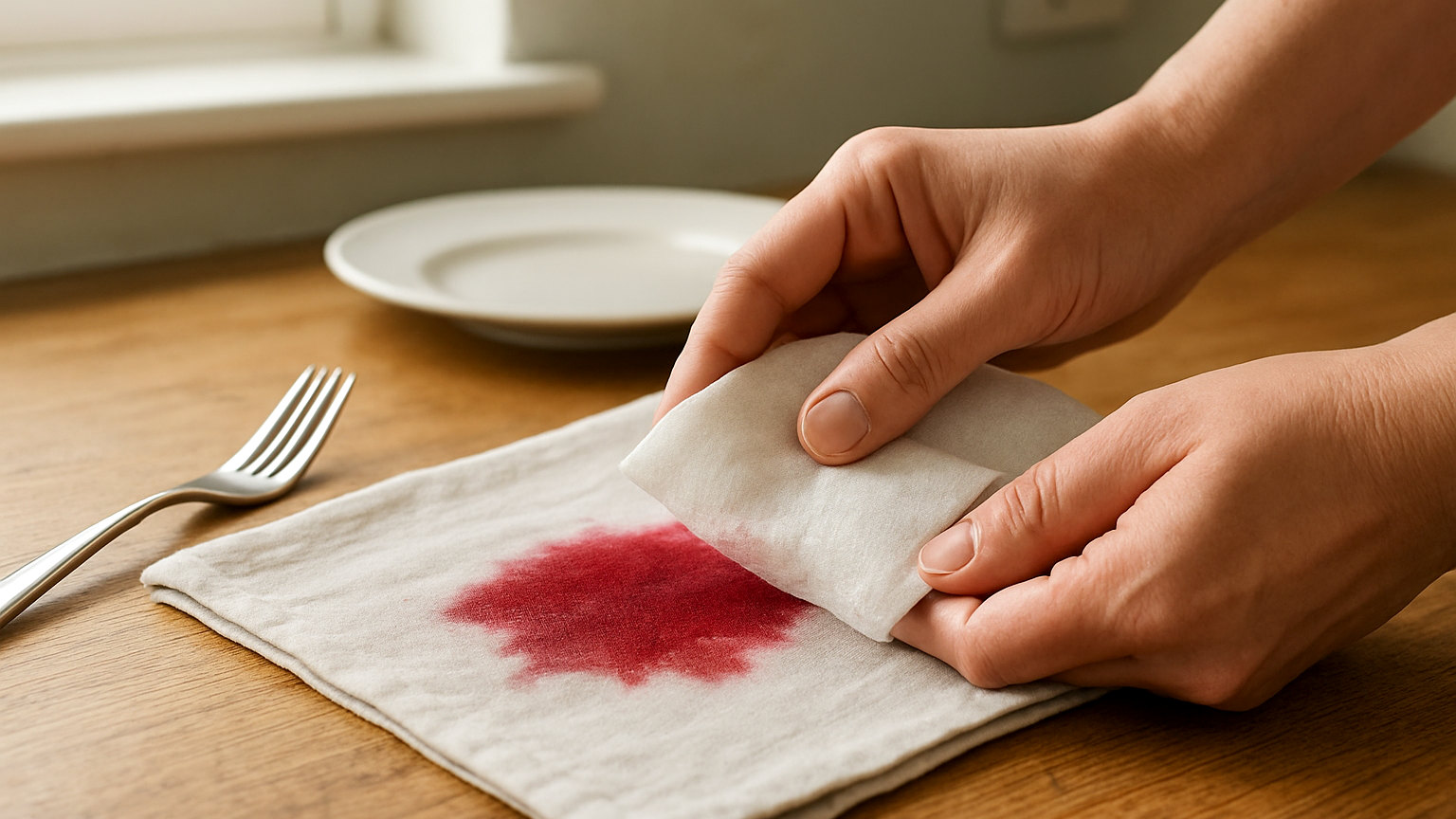
- Lift off any solid material with a blunt edge.
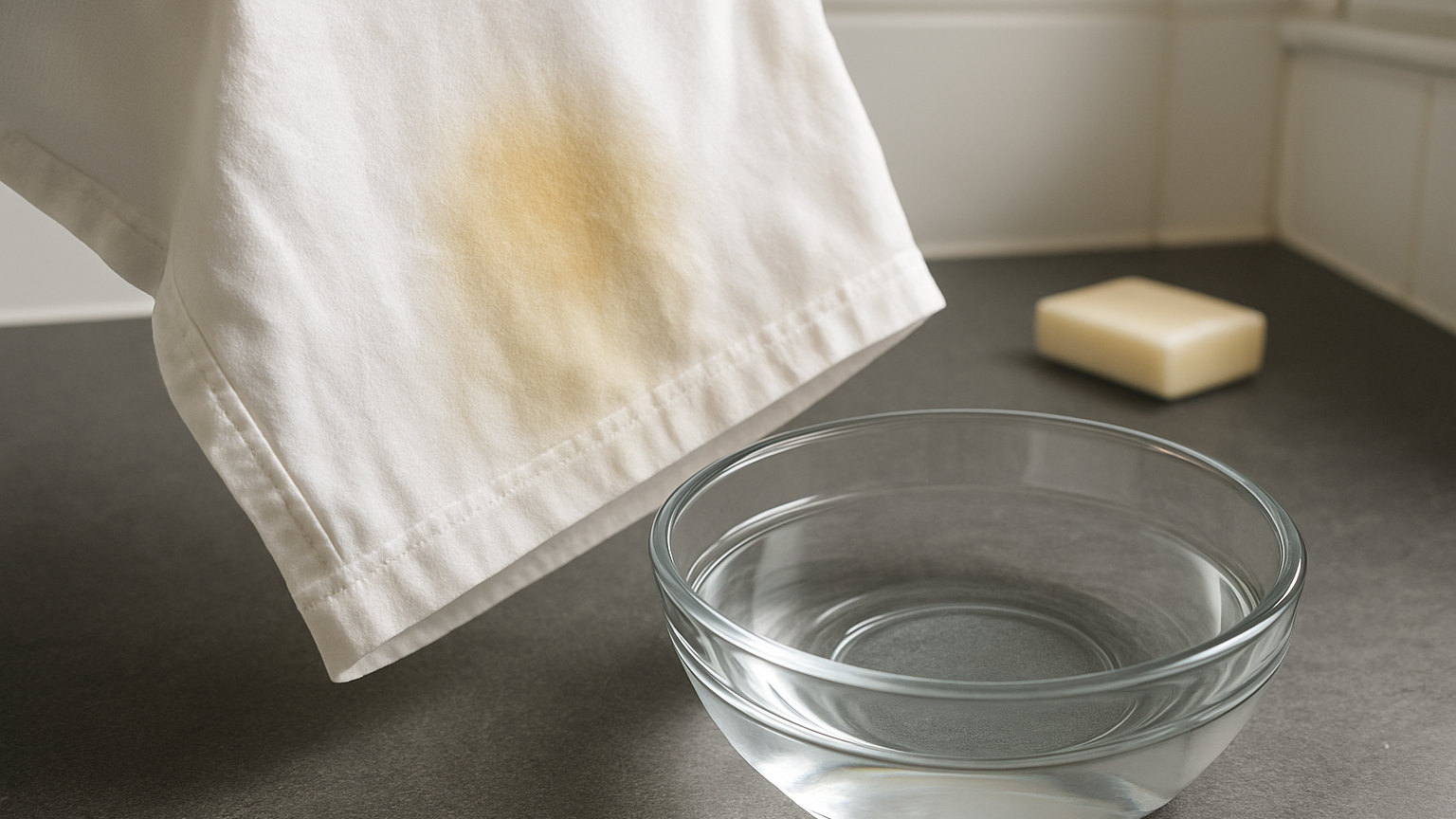
- Hold the fabric face down and flush cold water through the back of the stain.
- Keep flushing until the water runs clear, which may take a minute or two.
- Rub a little washing up liquid or detergent into what remains.
- Soak in cold water for thirty minutes.
- Wash at 30 or 40 degrees and check before drying.
The flushing stage does most of the work on a fresh stain. Cold water is used because heat encourages the pigment to bond and darken.
What works on a dried stain?
An oxygen bleach soak, in water as warm as the fabric allows, for several hours or overnight. Once betanin has oxidised it is no longer simply soluble and needs breaking down rather than rinsing out.
Follow with a normal wash and dry in sunlight, which continues the process. Two rounds are often needed for a mark that has been left for days, and improvement is usually gradual.
Does white vinegar help?
Modestly, and it is worth trying on coloured fabric where oxygen bleach is risky. Betanin is more stable in acidic conditions and degrades faster in alkaline ones, so vinegar is more useful for preserving the colour of cooked beetroot than for removing it from a shirt.
A soak in cool water with detergent, followed by sunlight, is generally more effective on coloured fabric.
What about hands and chopping boards?
Hands clear on their own within a day or two as the skin renews, and a scrub with lemon juice and salt speeds it up. A paste of bicarbonate of soda works too.
For wooden boards, scrub with bicarbonate paste, rinse, and leave the board in sunlight for a day. For plastic boards, the same approach followed by prolonged sun exposure. Beetroot stains plastic readily and the marks fade rather than disappearing immediately.
What about worktops?
Act fast on anything porous. Sealed laminate and quartz wipe clean if you catch the spill quickly. Unsealed stone, wood and grout can take the colour permanently, so blot rather than wipe and clean the area immediately.
Do not use acidic cleaners on natural stone, which etches it. Use a pH neutral cleaner and a little bicarbonate paste, and accept that a delay of a few hours may leave a mark.
What is the method for carpet?
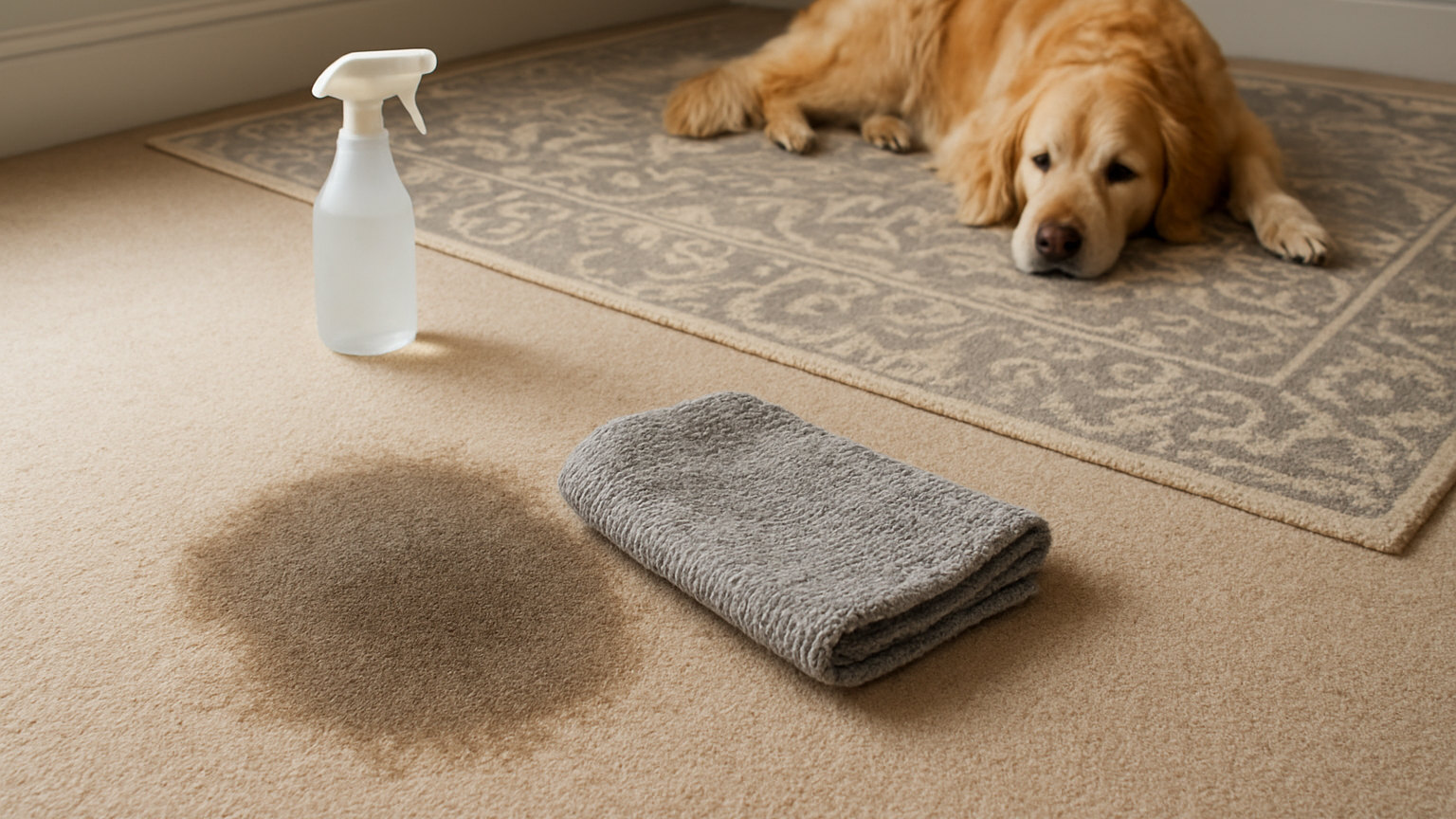
Blot up the liquid immediately with dry towels, pressing hard and working from the outside inwards. Then blot with a cloth dampened in cold water, changing to a clean section frequently, and repeat until little further colour transfers.
Apply a solution of cold water and a drop of washing up liquid, blot, then rinse by blotting with clean water. Press a dry towel down under weight for several hours. Do not flood the area, since a wet patch that dries slowly will wick the pigment back to the surface.
Do other vegetables stain the same way?
- Carrot – pigment in oil, so detergent first and then sunlight.
- Spinach and kale – chlorophyll, which responds to detergent and an enzyme soak.
- Red cabbage – a pH indicator like turmeric, and it shifts colour with alkaline cleaners.
- Sweet potato and squash – mostly carotenoid pigment in a starchy base, and they respond to enzyme detergent.
- Onion and garlic – little visible mark and a persistent smell, which needs vinegar rather than stain treatment.
Is it ever permanent?
On washable cotton, rarely, given prompt flushing and patience. On silk and wool, which cannot take oxygen bleach or hot soaking, a dried beetroot mark may not come out entirely. On porous stone and unsealed wood it frequently does stay, which is the strongest argument for dealing with it in the first two minutes.