Milk is a deceptive stain. It leaves little visible mark on most fabric, so it is often left untreated, and then a sour smell develops a few days later. The protein and fat in it have soaked into the fibres, and if the item has been through a warm wash in the meantime the protein has set and neither the mark nor the smell will come out easily.
Why is cold water essential?
Because milk protein coagulates when heated, exactly as it does in a pan. Once coagulated it is bonded into the fibre and cannot be dissolved out. A rinse under a hot tap, a warm wash or a tumble dryer will all do it, and the result is a stiff yellowish patch that stays.
Cold water keeps the protein soluble and lets it be flushed out.
What is the method for washable fabric?
- Rinse immediately under cold running water, from the reverse side.
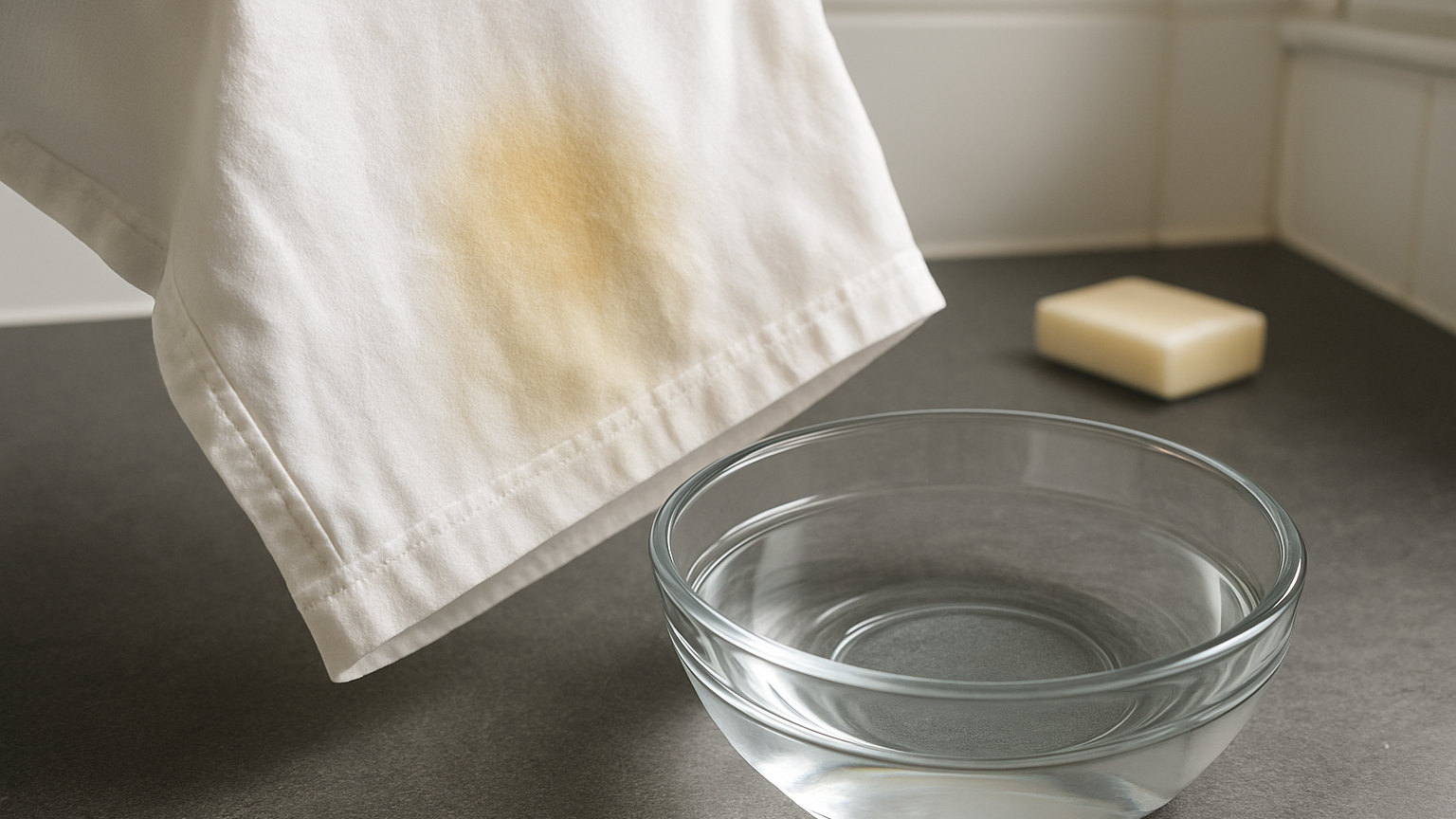
- Soak in cold water for at least thirty minutes, and longer for a dried stain.
- Rub a little biological detergent into the mark and leave it for ten minutes.
- Rinse again in cold water.
- Wash at 30 degrees with a biological detergent.
- Check by smelling the area while damp before drying.
The biological detergent is doing the real work. Protease enzymes break the milk protein apart chemically, which is the only reliable way to remove it without heat.
Why does the smell matter more than the mark?
Because milk residue left in fabric goes rancid. Bacteria break down the fat and the protein, producing the characteristic sour smell, and it intensifies over days. A garment that looked clean when it went into a drawer can be unmistakable a week later.
Testing by smell rather than by eye is the right check for this stain, and a damp corner tells you more than a dry one.
How do you clear an established sour smell?
Soak in cold water with a biological detergent for several hours, then wash with a cup of white vinegar in the drum. Vinegar neutralises the alkaline residues the bacteria have left. Dry outdoors in sunlight if possible, and check again while damp.
For anything that can take it, a 60 degree wash after the enzyme soak deals with the bacteria, but only once the protein itself has been broken down.
What about carpet and car seats?
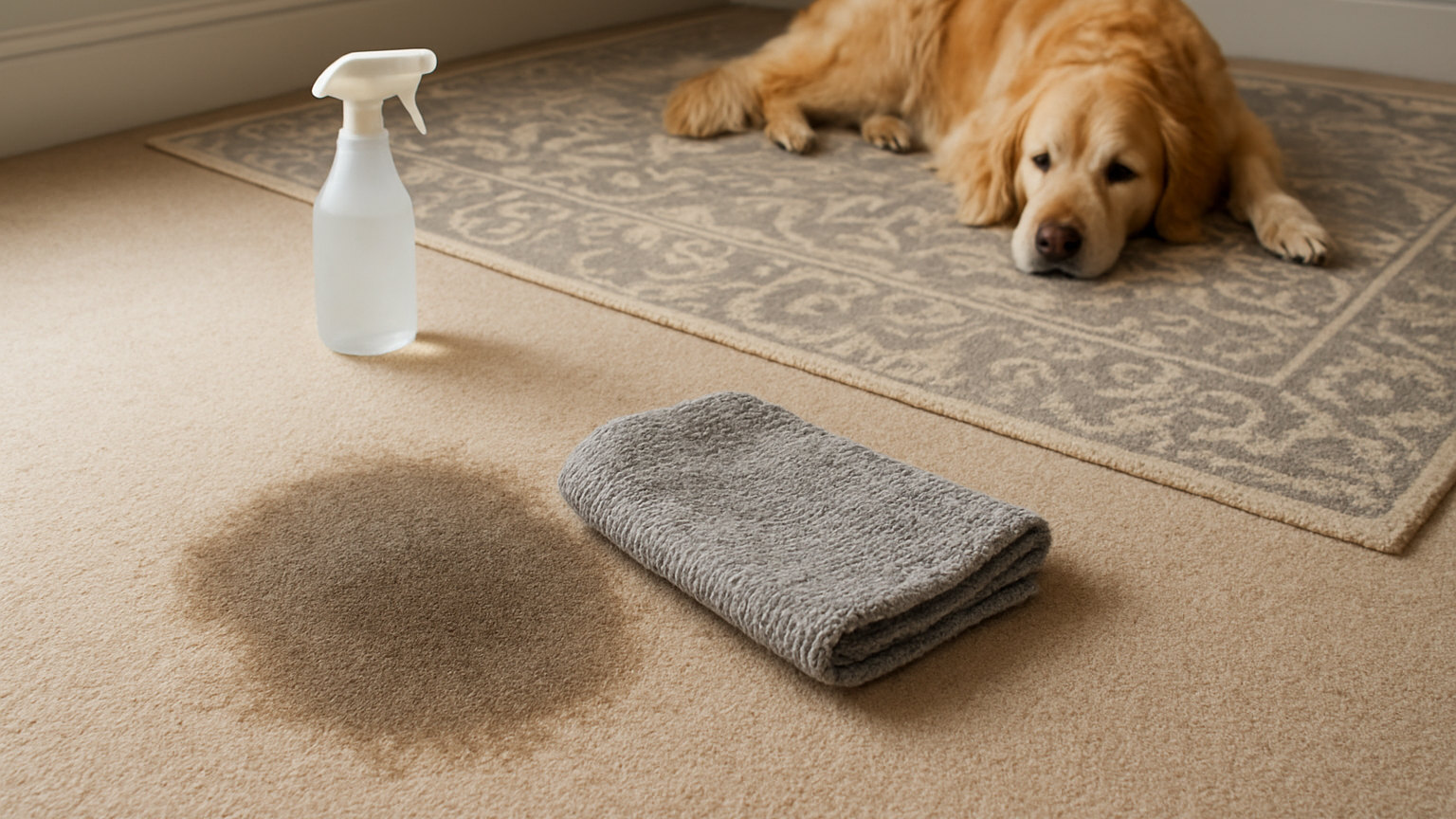
This is where milk causes the most trouble, because it soaks through into the underlay or the seat foam where nothing can reach it. Act immediately.
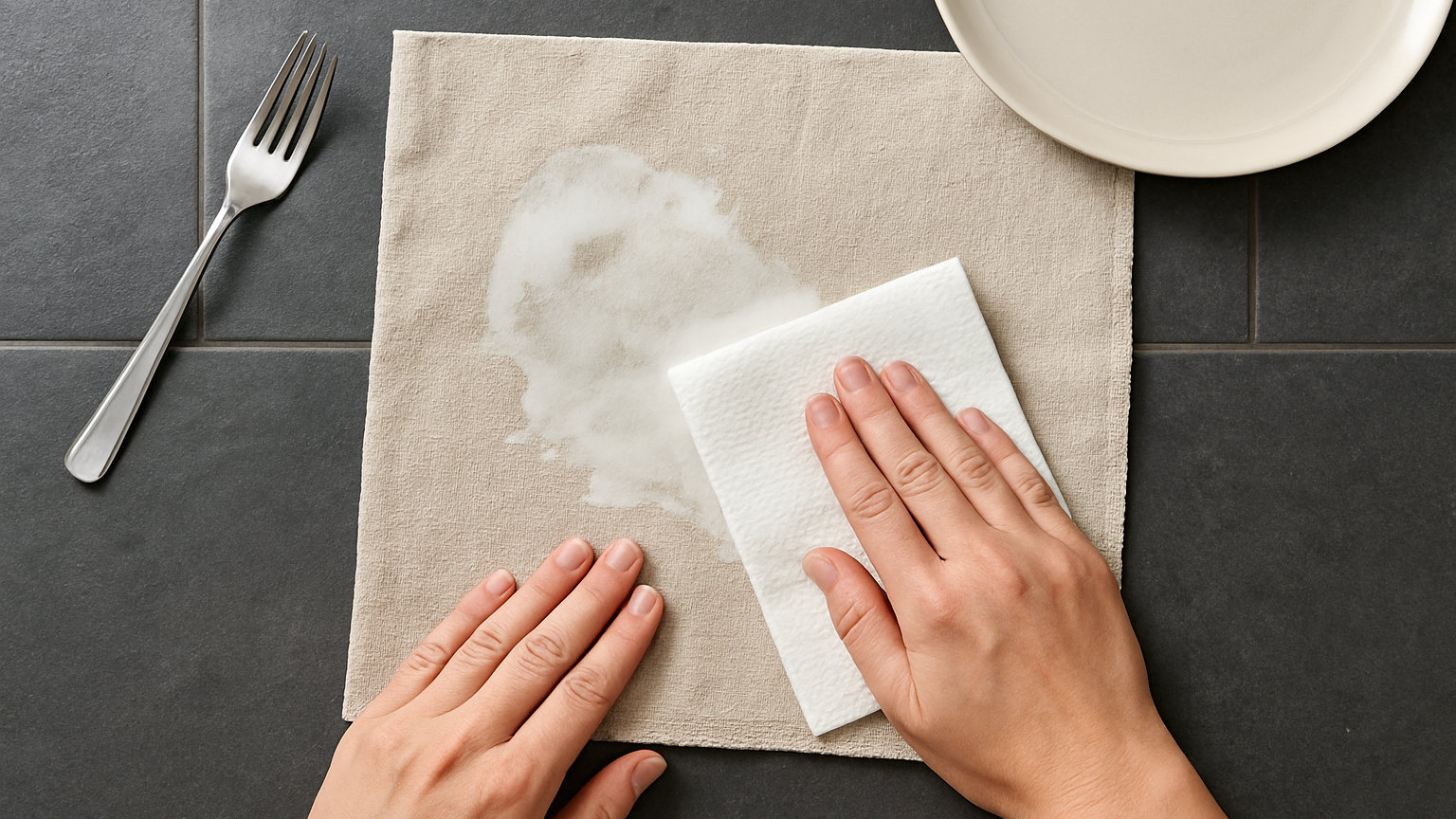
Blot up as much as possible with dry towels, pressing hard and repeatedly. Then apply cold water with a little detergent to a cloth and blot again, working from the outside in. Press a dry towel down under weight for several hours to draw moisture out of the layer beneath.
Follow with an enzyme cleaner applied generously enough to reach everywhere the milk reached, left to work for the time on the label, then blotted and dried quickly with a fan.
Why does an enzyme cleaner matter more than detergent here?
Because the residue causing the smell is deeper than the surface. Detergent cleans what it touches; an enzyme cleaner continues to break down the protein and fat wherever the liquid has reached, including the padding beneath.
Applying too little is the most common mistake. Milk spreads outwards and downwards, and the treatment needs to cover the same area.
What about cheese, cream and yoghurt?
The same principles, with more fat involved. Lift off the solids first, then apply washing up liquid to deal with the fat, rinse in cold water, and follow with an enzyme soak for the protein. Cream and full fat yoghurt leave a greasy mark as well as a protein one, so both stages are needed.
What if it has already been washed hot?
Soak repeatedly in cold water with a biological detergent, several hours at a time, and expect gradual improvement rather than a fix. An oxygen bleach soak helps with the yellowing on white cotton. A heat set milk stain on a coloured garment is often permanent, which is why the first response matters so much.