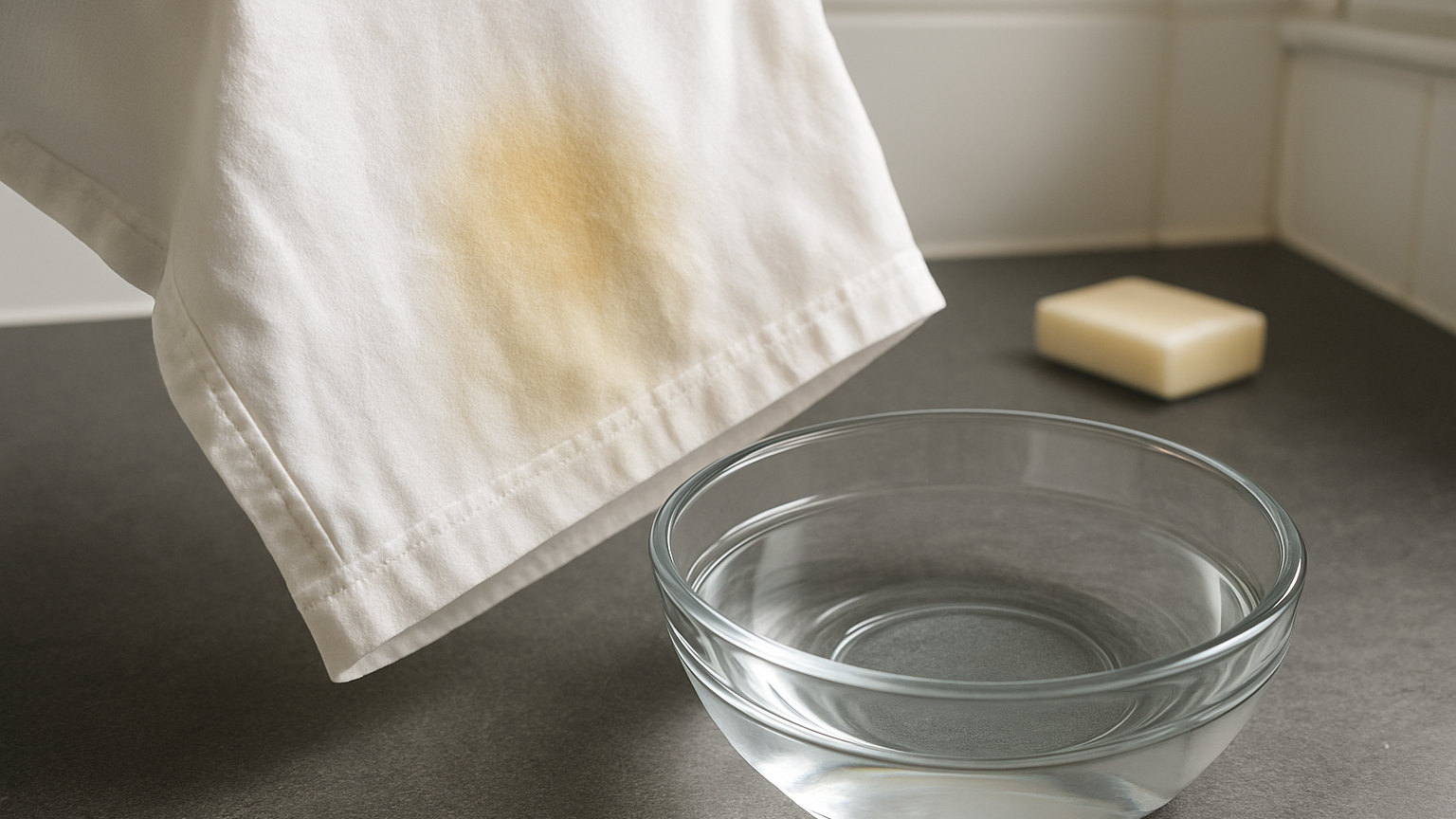
Kitchen cloths, tea towels and aprons take more grease than anything else in a household. Every wipe of a worktop, every pan dried, every splash from a frying pan adds to it, and a cloth that has become saturated with grease stops picking anything up and starts spreading a film instead.
Why does a normal wash not fix it?
Because the load is usually washed at 40 degrees with a standard detergent dose, which is not enough for heavily greased cotton. The grease is also mixed with food residue and detergent residue, which builds into a deposit that needs stronger treatment than a normal cycle provides.
A cloth that feels slightly slick when dry, or that smells within hours of being used, is saturated rather than dirty.
What is the degreasing wash?
- Rinse the worst grease off under a hot tap before anything goes in the machine.
- Soak the cloths in hot water with a generous dose of soda crystals for an hour, or overnight for heavy build up.
- Wash separately at 60 degrees with a powder detergent.
- Skip fabric conditioner entirely.
- Add an extra rinse.
- Dry fully and quickly, ideally outdoors or in a tumble dryer.
Soda crystals are the key ingredient. They are sodium carbonate, strongly alkaline, and they cut grease far more effectively than bicarbonate of soda or ordinary detergent.
Why wash them separately?
Because grease transfers onto everything else in the drum. A load of clothing washed with saturated tea towels will come out with a faint film that dulls colours and attracts dirt. Kitchen textiles are also the dirtiest fabric in a house in bacterial terms, and belong in their own hot load.
Run the machine empty on a hot cycle occasionally if you wash a lot of greasy kitchen laundry.
Why does fabric conditioner make it worse?
Because it coats fibres with a waxy film by design, which is exactly what you are trying to remove. On a tea towel it destroys absorbency, so the towel pushes water around rather than drying anything, and it adds to the residue that holds grease.
The same applies to microfibre kitchen cloths, where conditioner permanently clogs the fibre structure.
What temperature is needed?
Sixty degrees for kitchen cloths and tea towels, every time. It deals with the bacteria and it helps dissolve the fat. Anything less leaves both behind, which is why a cloth washed at 30 often smells sour again within a day of being used.
Aprons can go at 40 unless heavily soiled, though 60 is better for anything used for cooking with raw meat.
What about stains on aprons?
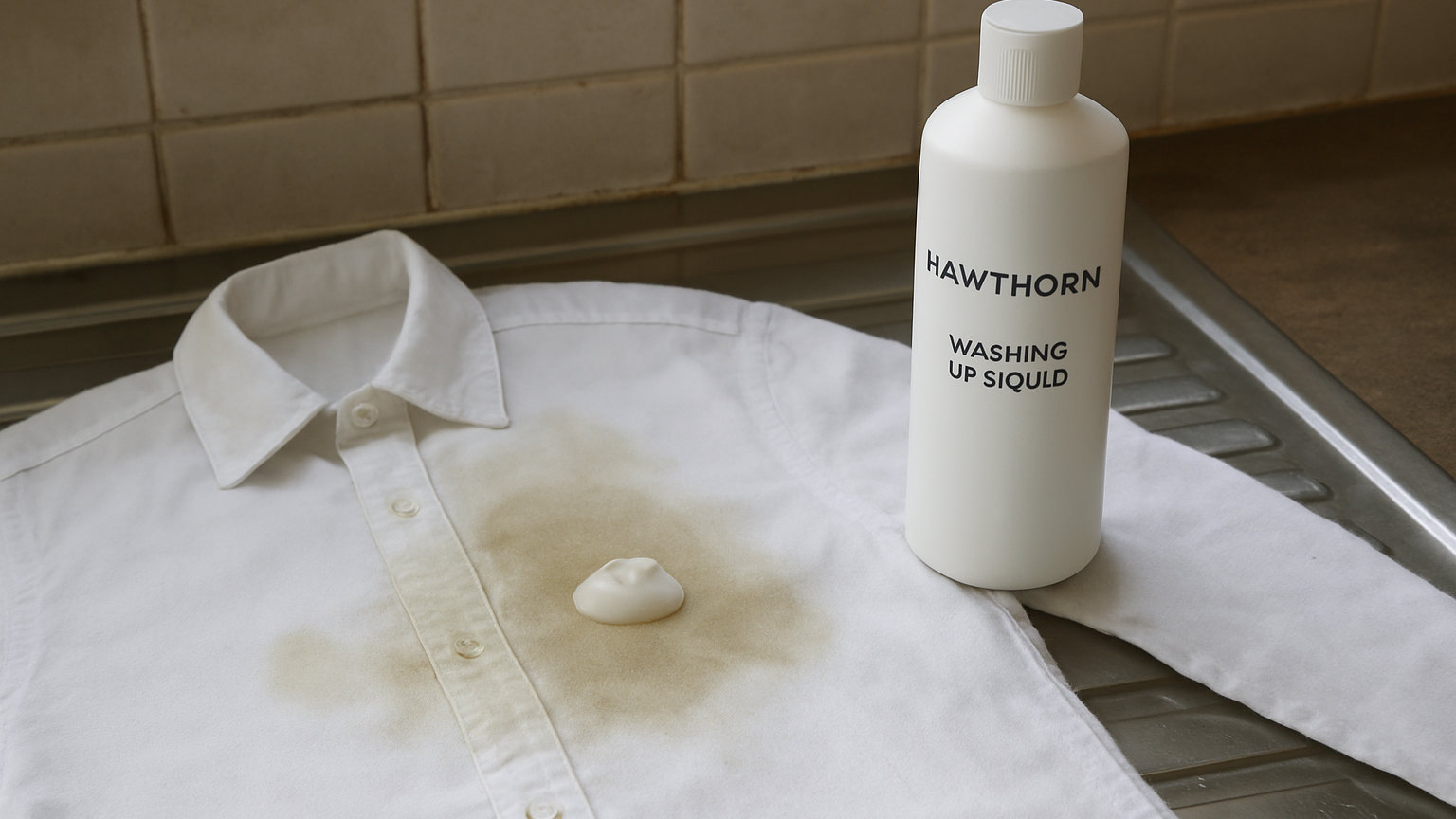
Treat individually before the soak. Washing up liquid for grease splashes, cold water and a biological detergent for anything protein based, and an oxygen bleach soak for tomato, curry and general discolouration.
Accept that a working apron will not stay pristine. That is what it is for, and the alternative is the marks being on clothing instead.
When should a cloth be thrown away?
When it smells after a 60 degree wash, when it feels slick or stiff when dry, when microfibre no longer grips, or when a dishcloth has gone slimy. None of these is recoverable, and continuing to use them means cleaning surfaces with something dirtier than the surface.
Cloths are cheap and are properly a consumable item rather than something to be preserved.
How do you reduce the build up?
Use kitchen paper to wipe the worst grease off pans and hobs before a cloth goes near them, which keeps the cloth usable for far longer. Change dishcloths daily, keep a separate cloth for the hob area, and hang cloths spread out to dry rather than leaving them balled up in a sink.
How many should a kitchen have?
Enough that nothing is reused while damp, which usually means eight or so dishcloths and a similar number of tea towels in circulation. Running short is what leads to a cloth being used for a third day, and a damp cloth left overnight is both the smelliest and the least effective item in a kitchen.