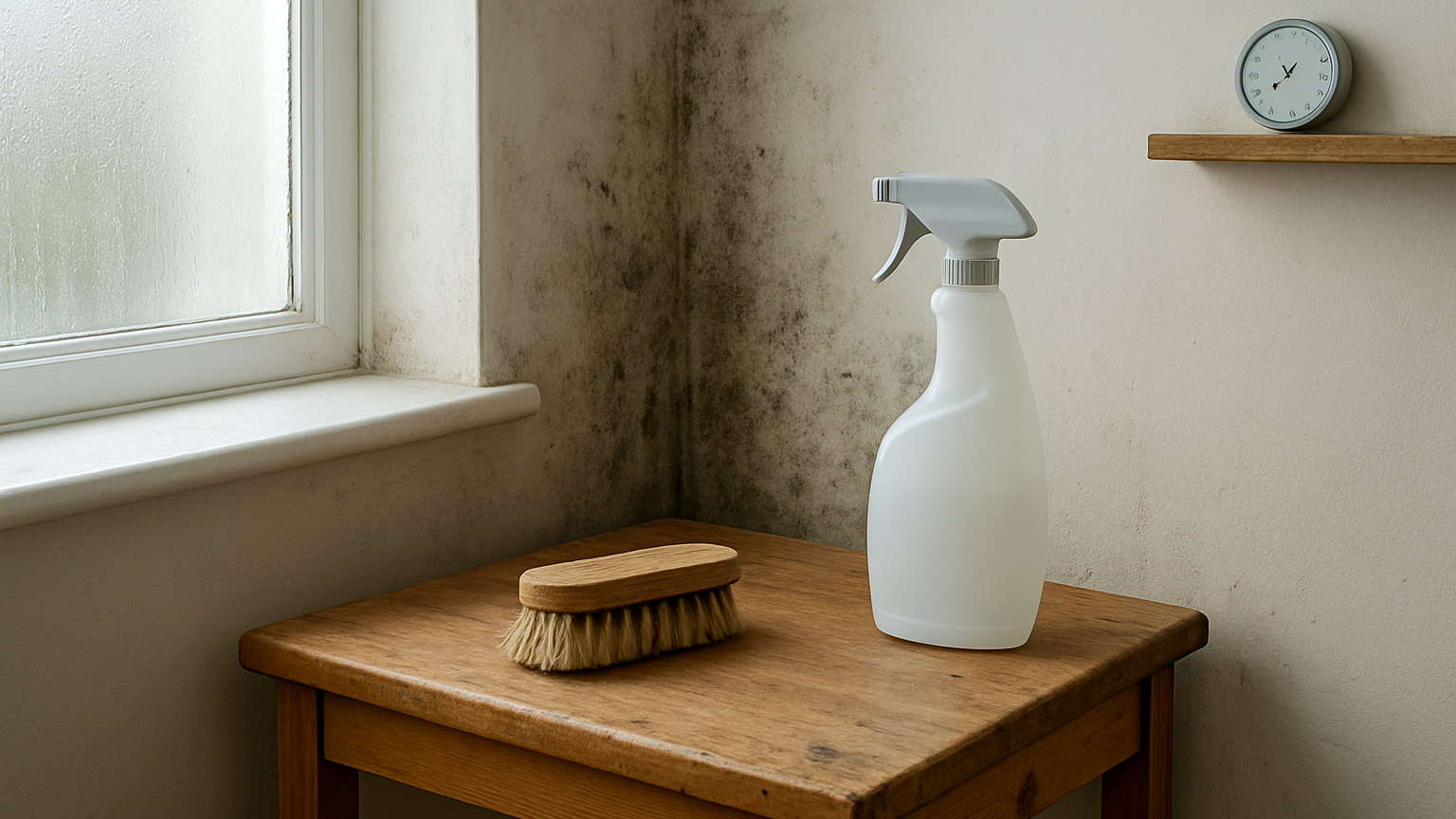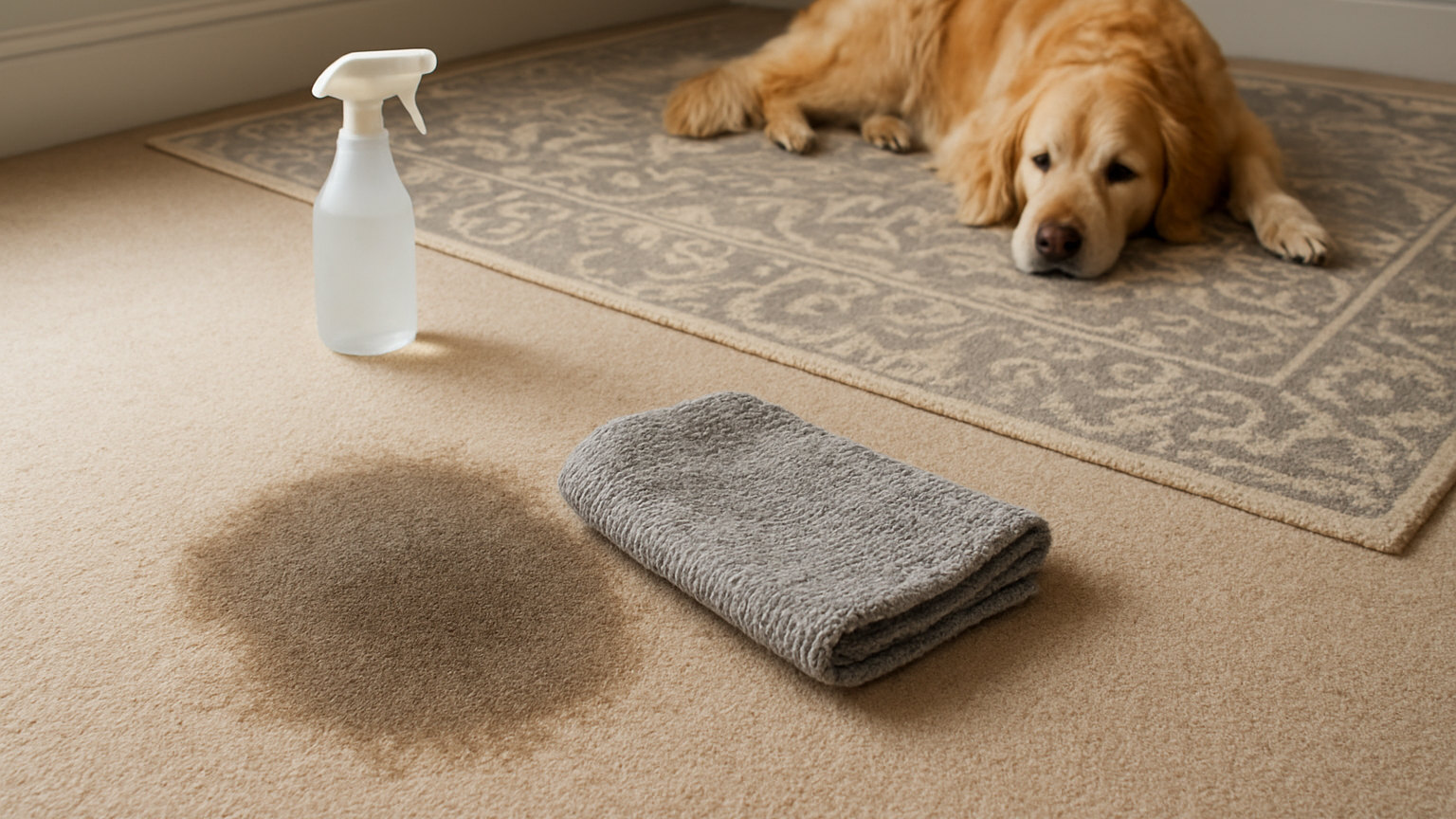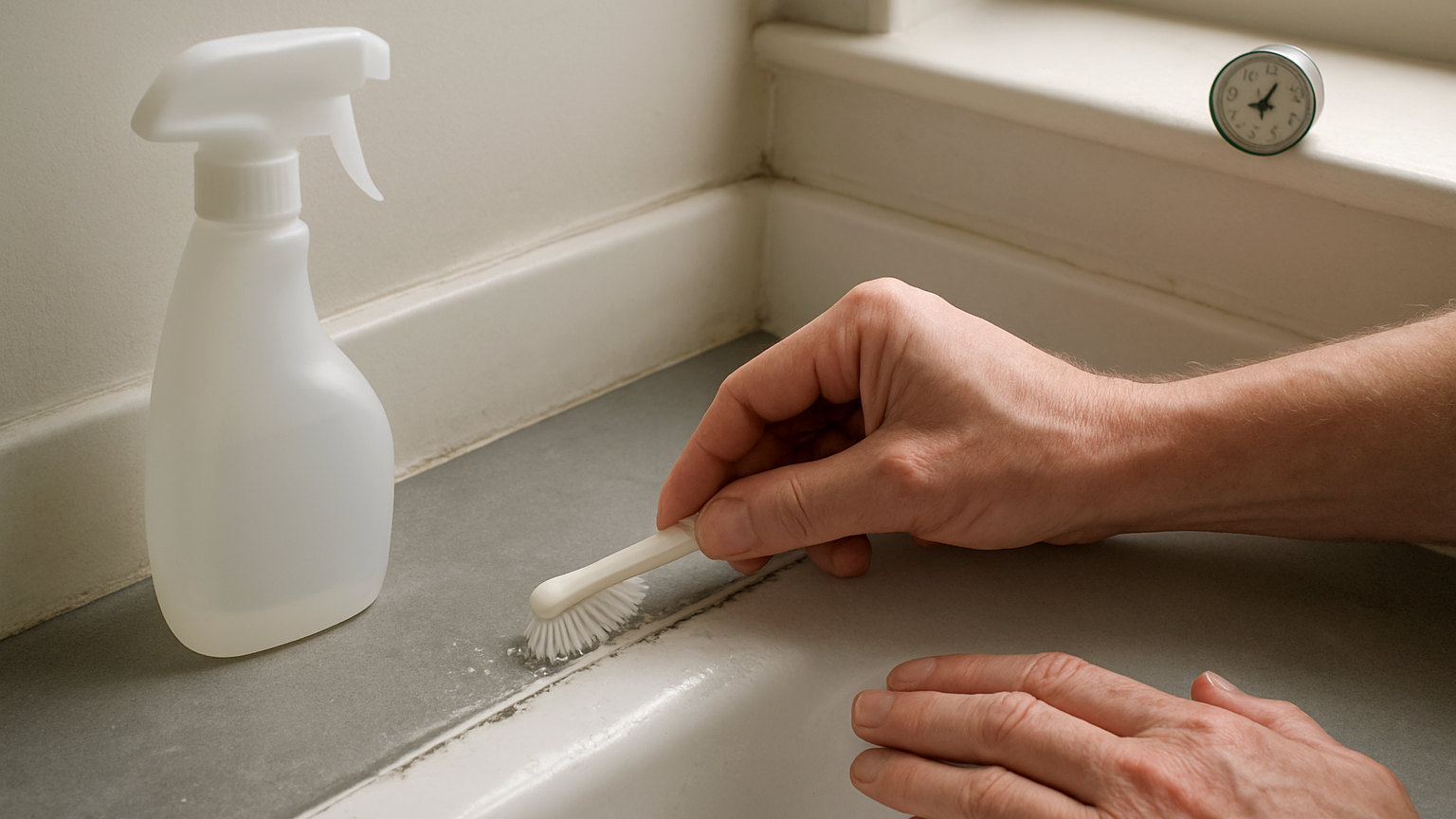
A musty smell is the smell of microbial growth, which means something in the room is holding moisture. It is almost never the air itself and almost always a specific item, usually something soft and usually something that has not been moved in a while. Finding it is more productive than treating the room.
Where should you look?
- Carpet and underlay, particularly where there has been a spill or a leak.
- Soft furnishings – sofa cushions, curtains, rugs and throws.
- Behind and under large furniture, where air never circulates.
- Inside cupboards and wardrobes against external walls.
- Books and paper on shelves against a cold wall.
- Window reveals and sealant, where condensation collects.
- An unused chimney or a blocked vent.
How do you find it?
Systematically and with your nose close to things. Warmth intensifies the smell, so a room that has been closed and heated for an hour is easier to diagnose than a cold ventilated one.
Smell each sofa cushion individually, including the underside. Kneel and smell the carpet in several places, particularly near external walls. Pull furniture away from the walls. Open every cupboard. Check the curtain linings against the window.
Lift a corner of the carpet in a suspect area and feel the underlay, which is frequently the answer.
What do you do once you find it?
Deal with the item rather than the room. Wash what can be washed at 60 degrees with a biological detergent. Dry what cannot be washed, thoroughly and with air movement. Treat any visible growth with a fungicidal wash, and replace anything that has been wet for a long period.
Wet underlay is the most common irrecoverable item, and replacing the affected section is usually the only thing that works.
What helps once the source has gone?
- Ventilate hard, with windows open on two sides for several days.
- Run a dehumidifier to bring the room below 60 per cent relative humidity.
- Sprinkle bicarbonate of soda over carpet and upholstery, leave overnight and vacuum thoroughly.
- Put open containers of activated charcoal around the room for a week or two.
- Wash the hard surfaces, including skirting and the lower part of walls.
- Leave internal doors open so air moves through.
Why do air fresheners make it worse?
Because they add a second smell on top of the first without removing anything, and the combination is usually less pleasant than the original. More importantly they let the household stop looking for the source, which means the moisture continues doing damage behind the scenes.
Scented products belong at the end of the process rather than instead of it.
What if there is a smell but nothing visible?
That usually means growth in a concealed space: under floorboards, inside a wall cavity, behind a bath panel, under a shower tray or in a void. A persistent musty smell with no visible source is worth investigating rather than living with, since something is wet.
Check the obvious concealed places first: under the bath panel, inside the airing cupboard, behind the washing machine and under the kitchen sink.
What about a room that is only used occasionally?
Spare rooms, holiday homes and rooms kept closed develop musty smells because the air never moves and the room is never heated. The remedy is airflow and a little background heat rather than cleaning.
Leave the door open, open the window regularly, and put a low level of heating on in cold weather. A dehumidifier running on a humidistat setting suits a room used rarely.
How long should it take?
A few days of hard ventilation after the source is dealt with, and a fortnight before judging it fairly. Odour clears gradually. If it has not improved at all after two weeks with the moisture removed, the source was not found.
Do ozone generators work?
They are sold for exactly this and they need caution. Ozone does neutralise odour compounds effectively, and it is also a respiratory irritant that should not be breathed. Anything of that type must be run in an unoccupied room with pets and plants removed, followed by thorough ventilation before anyone goes back in. For most household musty smells, finding the source and using a dehumidifier achieves the same result without the risk.