A dried red wine stain is a different problem from a fresh one. The pigment is no longer sitting in liquid waiting to be flushed out; it has bonded to the fibres and oxidised into a brown or purple mark. Rinsing achieves very little. What is needed is something that breaks the coloured compounds down chemically, and time for it to work.
What is the treatment for fabric?
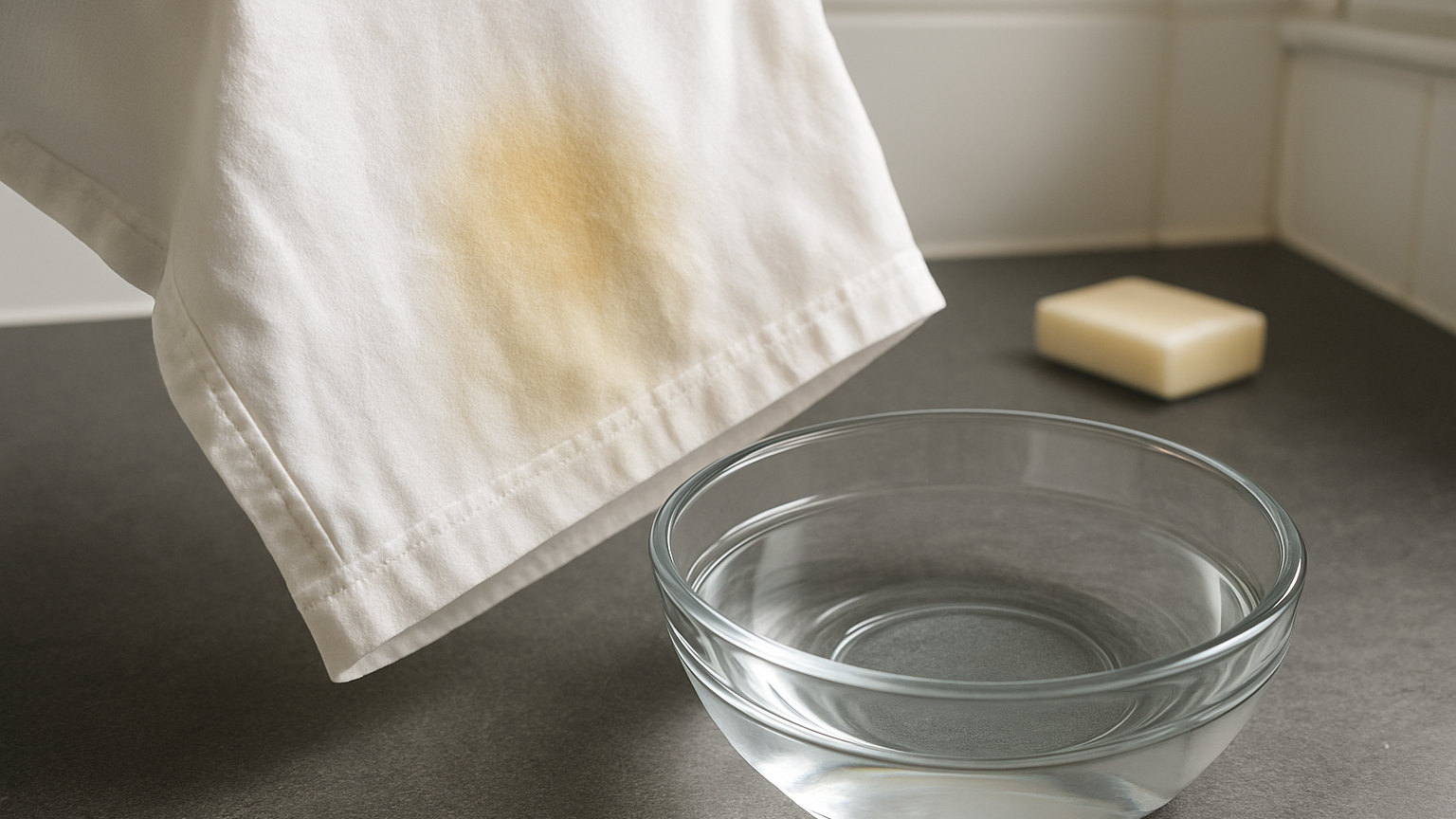
- Rehydrate the stain by soaking the item in cold water for thirty minutes.
- Rub a little washing up liquid or detergent into the mark.
- Dissolve a generous dose of oxygen bleach in water as warm as the fabric allows.
- Submerge the whole item and leave it overnight, or for at least six hours.
- Wash normally at the highest temperature the label permits.
- Dry in sunlight while still damp.
- Repeat the soak if the improvement is partial.
The overnight soak is the part that does the work, and shortening it is the usual reason an attempt disappoints.
Why does oxygen bleach work when detergent does not?
Because detergent lifts and suspends material so it can be rinsed away, and a bonded pigment is not going to be lifted. Oxygen bleach releases hydrogen peroxide, which oxidises the coloured compounds and converts them into colourless ones. The stain is destroyed rather than removed.
It needs warmth to activate properly, which is why a cold soak with oxygen bleach achieves much less than a warm one.
What works on white cotton?
Everything, which makes it the easiest case. A mixture of one part hydrogen peroxide to two parts washing up liquid, dabbed onto the stain and left for twenty to thirty minutes, is very effective. Follow with the oxygen bleach soak and a hot wash.
Old wine marks on white tablecloths and shirts frequently come out completely with two rounds of this.
What about coloured fabric?
Oxygen bleach is colour safe in principle, though a long warm soak can affect a poorly dyed item. Test on an inside seam for an hour before committing the whole garment.
Where the dye is at risk, rely on repeated detergent soaks and on sunlight, which lifts a surprising amount of tannin staining over several days on damp fabric.
How do you treat dried wine on carpet?
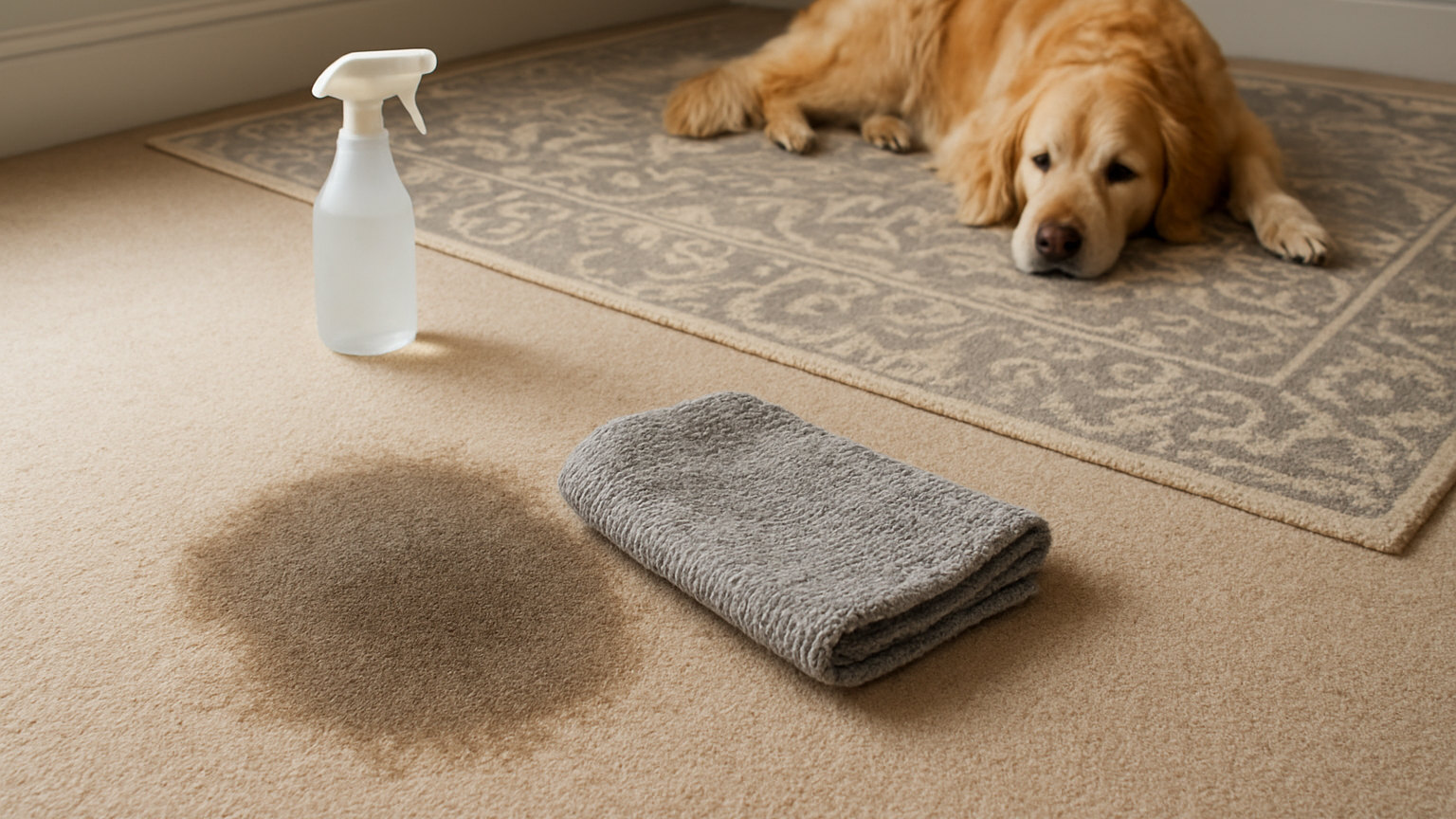
Start by rehydrating. Lay a cloth dampened in cold water over the mark for fifteen minutes to soften it, then blot. Repeat two or three times, since the pigment releases gradually.
Then apply a carpet stain remover suitable for the fibre, or a solution of one part hydrogen peroxide to two parts water on a colourfast synthetic carpet, tested first. Dab rather than rub, blot, rinse by blotting with clean water, and press a dry towel down under weight to extract the moisture.
Expect several rounds. A stain that has been there for months rarely clears in one.
Does sunlight help?
Considerably, and it is free. Ultraviolet light breaks down the compounds causing the colour, and the effect on damp fabric over a full day is often dramatic. For an old stain, alternate between soaking and sun drying over several days rather than expecting a single treatment to finish it.
What should you avoid?
Hot water before treatment, which darkens tannins further. Chlorine bleach on anything but pure white cotton, and even then sparingly, since it weakens fibres and can turn wine residue yellow. Scrubbing, which damages the surface without reaching the bonded pigment. And a tumble dryer at any point before the mark has gone.
When is it genuinely permanent?
When the pigment has been through several hot washes and a dryer over a long period, particularly on synthetic fabric which holds colour more tightly. Even then, two or three oxygen soaks usually reduce it to a shadow.
For a valuable item, a professional cleaner has access to stronger treatments and the experience to judge what the fabric will take, which is worth the cost before writing something off.