A quality microfibre cloth is usually rated for several hundred washes, which in a normal household is years of use. Most cloths do not reach that, and the reason is almost never wear. They are ruined by how they are washed or discarded because they look tired.
What shortens their life most?
- Fabric conditioner, which coats the fibres and stops them working. Often permanent.
- High heat in a wash or a tumble dryer, which melts and flattens the pile.
- Washing with cotton, which clogs them with lint.
- Bleach, which degrades the fibres.
- Using them on rough surfaces that snag and pull the pile.
- Using them with strong solvents, which can damage synthetic fibres.
Conditioner is the main one, and it frequently happens by accident because the dispenser drawer still contained some from the previous load.
How do you tell when a cloth is finished?
By how it behaves rather than how it looks. A cloth that has stopped working will slide across a surface rather than gripping, fail to absorb water dropped on it, leave streaks on glass, or feel slick rather than slightly tacky when dry.
Staining is cosmetic and means nothing. A grey, discoloured cloth that still grips and absorbs is still a good cloth.
Can a failing cloth be recovered?
Often, if the problem is residue rather than damage. Soak it in hot water with a cup of white vinegar for an hour, then wash it at sixty degrees with no detergent at all and an extra rinse.
That strips the build up and recovers many cloths. One that has been through conditioner repeatedly, or melted by heat, will not come back.
What about cotton and sponge cloths?
Cotton dishcloths have a much shorter life, typically weeks rather than years, because they absorb food residue and eventually smell regardless of washing. Treat them as consumables.
Cellulose sponge cloths last a few months with regular hot washing and go stiff and brittle as they age.
How do you get the most from a set?
- Buy enough that nothing is reused while damp.
- Wash them separately from other laundry.
- Never use conditioner, and check the dispenser drawer is empty.
- Wash at forty for general cloths and sixty for kitchen and bathroom ones.
- Air dry or tumble on low.
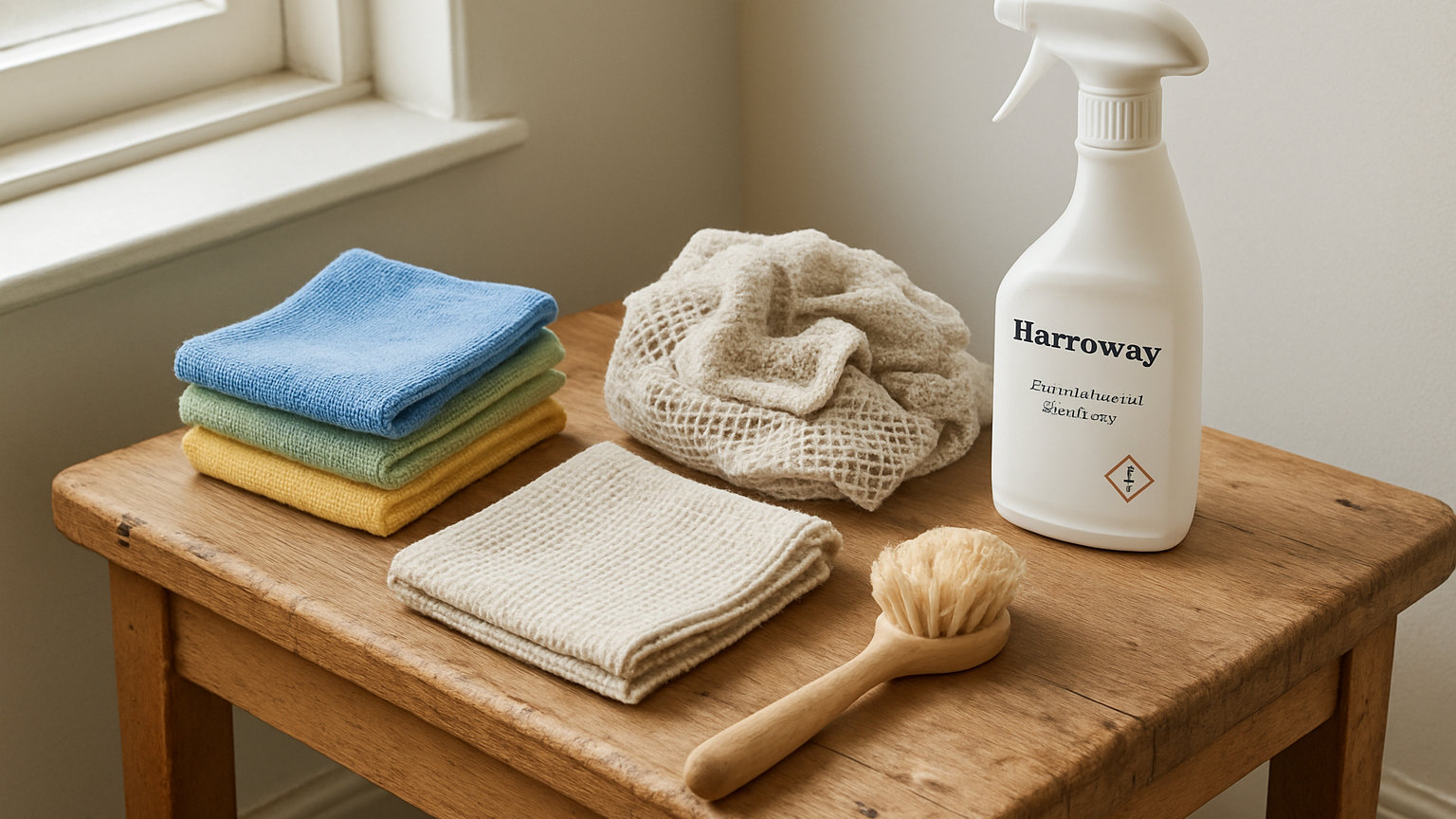
- Store them sorted by colour and type.
What is the demotion system?
A practical approach that extends the useful life considerably. New cloths start on glass and polished surfaces, where performance matters most. As they age they move to general surfaces, then to bathrooms, then to floors, skirting boards and outdoor jobs, and finally to genuinely dirty tasks before being binned.
Marking them, or keeping each stage in a different colour, makes the system easy to follow.
Should they be thrown away or reused?
A worn microfibre cloth still has uses: wiping shoes, cleaning a car, mopping up oil, protecting surfaces during decorating. Keeping a rag bag for demoted cloths means very few are wasted.
Cloths that have been used on anything genuinely contaminated should be binned rather than demoted.
How many should a household own?
Twenty to thirty across the categories for an average house, which sounds like a lot and is roughly two packs. Running short is what leads to reuse, cross contamination and cloths being used before they have dried.
What does this cost?
Very little. Two packs of decent microfibre cloths, looked after properly, will serve a household for several years, which works out at a negligible cost per use compared with disposable wipes or kitchen roll.
Is it worth buying expensive ones?
Up to a point, and not beyond it. A mid range cloth with a proper split fibre construction performs enormously better than the cheapest option on the shelf and much the same as the most expensive one. The premium brands offer marginal gains for a considerable price difference, and the money is almost always better spent on owning more cloths rather than better ones.