Two different things get labelled eco cleaning. One is buying products from brands positioned as environmentally better, which frequently costs more. The other is a set of habits, which costs considerably less than conventional cleaning. Confusing them is why the cost question gets contradictory answers.
Where does it cost more?
- Premium eco brands, which carry a price positioning as much as a formulation difference.
- Subscription tablet systems, which can exceed supermarket prices per made up litre.
- Certified products, where certification costs are passed on.
- Compostable consumables, which often cost more than plastic equivalents.
- Durable tools, which cost more upfront and less over time.
Where does it cost less?
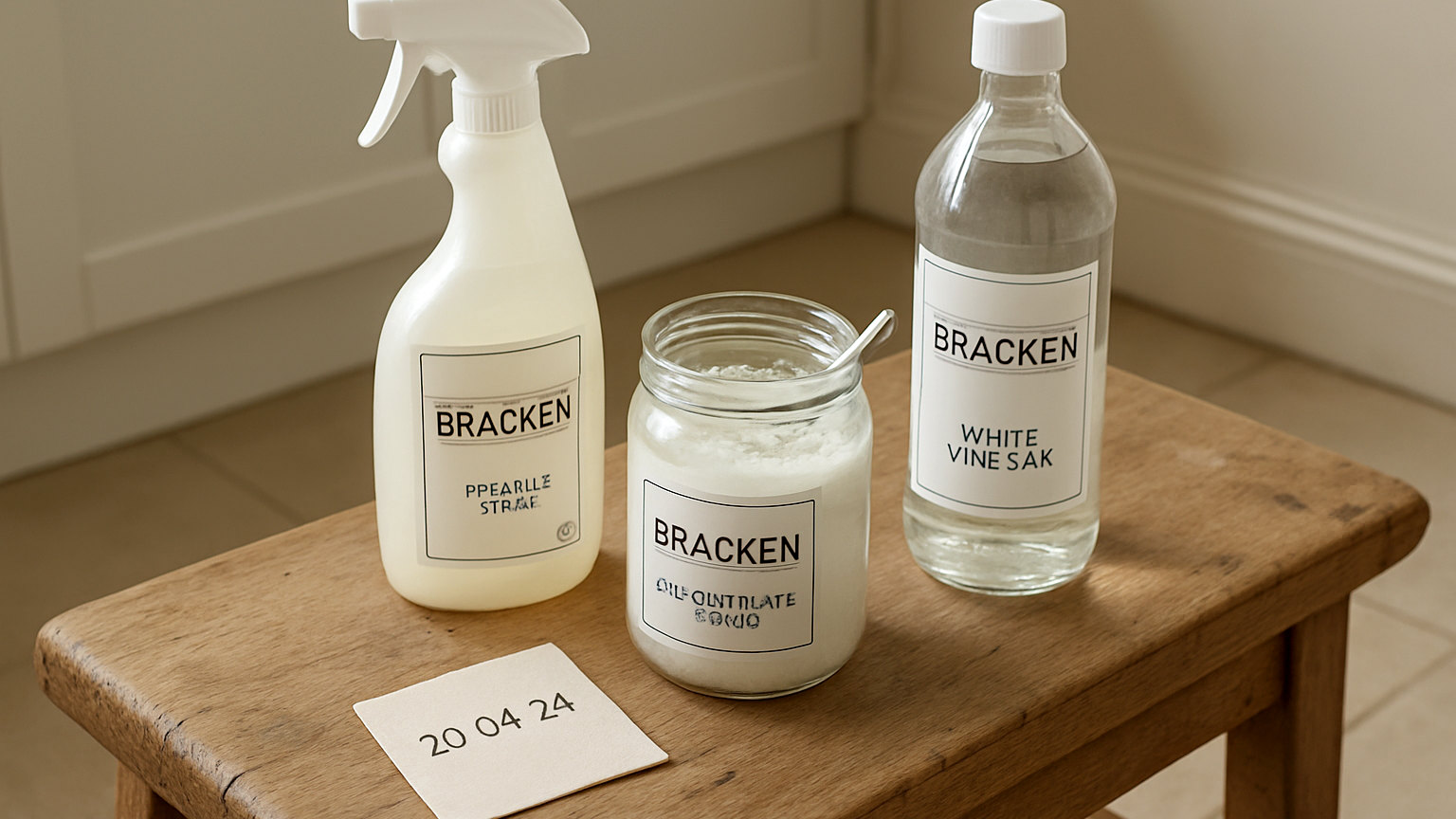
- Bulk ingredients – bicarbonate, soda crystals, vinegar, citric acid and oxygen bleach are all very cheap by the kilogram.
- Refills and concentrates – usually cheaper per litre than ready mixed.
- Using the correct dose – most households use roughly double what is needed.
- Owning fewer products – most cupboards contain duplicates.
- Reusable cloths instead of wipes and kitchen roll.
- Washing cooler and air drying, which reduces energy bills directly.
Which saves the most?
Using less. A household that halves its detergent and spray usage halves the cost of both with no other change, and usually gets better results since excess product leaves residue.
After that, buying ingredients rather than formulations. A bag of oxygen bleach costs a fraction of the branded stain removers containing it.
What about the energy side?
This is where the largest financial saving sits. Heating water for laundry and dishwashing dominates the running cost, so washing at 30 instead of 40, running full loads and air drying instead of tumble drying reduce bills noticeably.
A tumble dryer is among the most energy intensive appliances in a house, and avoiding it where possible is both the cheapest and the lowest impact option.
Do durable tools pay back?
Generally, yes. A flat mop with washable pads costs more than a disposable pad system and is cheaper within months. Microfibre cloths cost more than a pack of wipes and last years.
The exception is buying expensive versions of things that wear out regardless, where a mid range option usually performs identically.
What is genuinely worth paying more for?
Quality microfibre cloths, which outperform cheap ones substantially. An enzyme cleaner for pet accidents, which nothing else replaces. A vacuum with available spare parts. And tools with replaceable heads and blades.
What is not worth paying more for?
Premium surface sprays, where the chemistry is a surfactant in water either way. Certified versions of products you barely use. And anything single purpose that duplicates something you already own.
What does a low cost low impact kit look like?
- Washing up liquid, used sparingly and diluted for general spraying.
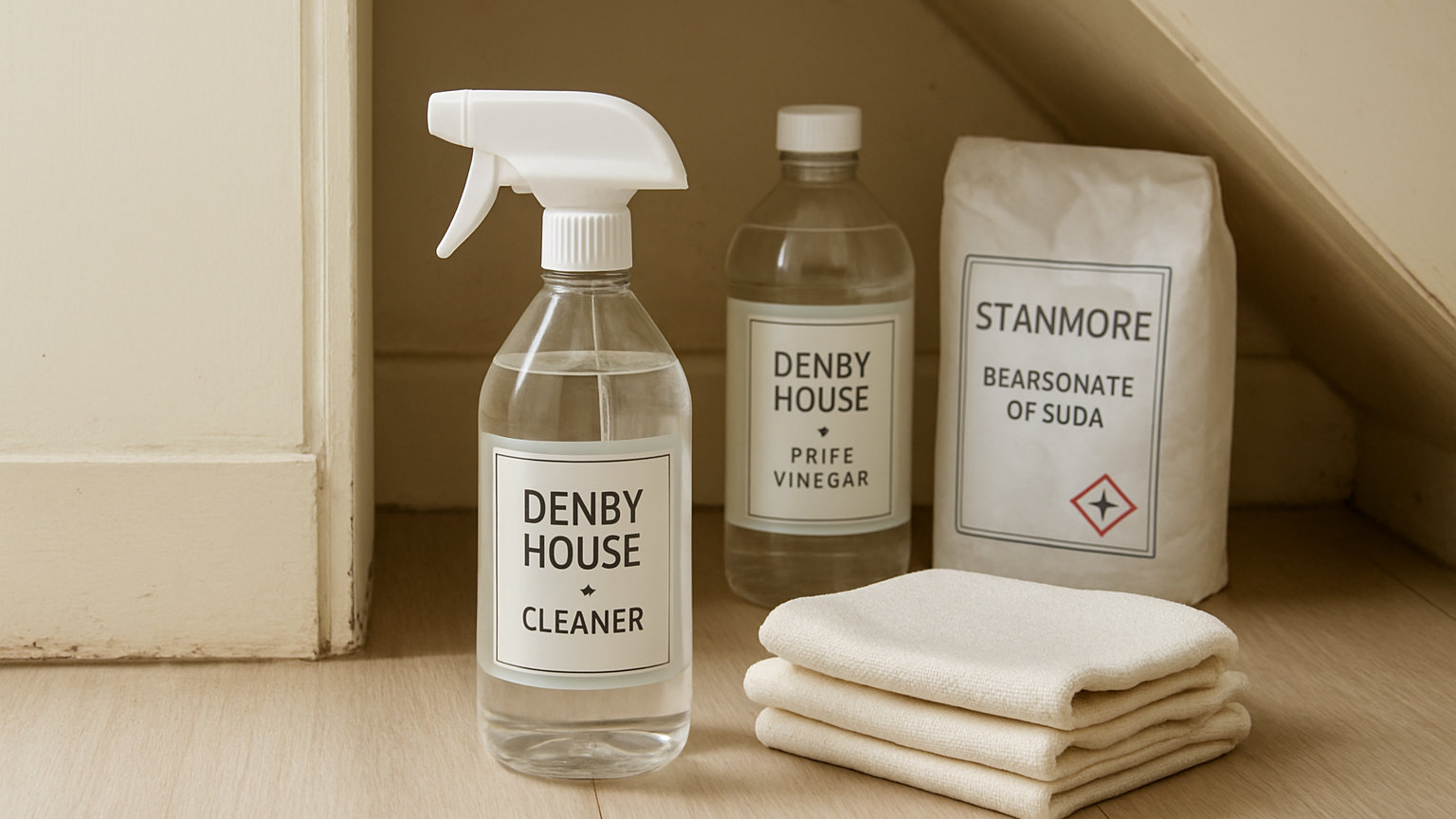
- Bicarbonate of soda and soda crystals in large bags.
- White vinegar and citric acid in bulk.
- Oxygen bleach as plain powder.
- A biological laundry detergent, dosed correctly.
- Microfibre cloths, cotton rags and a washable flat mop.
That covers almost all household cleaning for a few pounds a month.
What is the honest summary?
If eco cleaning means switching brands, it usually costs more. If it means using less, buying ingredients in bulk, refilling bottles, using durable tools and washing cooler, it costs substantially less than conventional cleaning while having a lower impact.
What does a year actually cost?
Bulk bicarbonate, soda crystals, vinegar, citric acid and oxygen bleach together come to a few pounds each and last months. Add a laundry detergent, a washing up liquid and replacement cloths and the annual cost is modest. Set against a household buying a dozen branded products regularly, the saving is considerable.
Where does the money usually go?
On duplicates and on convenience formats. Most cupboards contain three or four products doing the same job, bought because a specific label suggested a specific need. Ready mixed sprays, wipes and capsules all cost considerably more per use than the equivalent in a concentrated or measured form.