The most sustainable cleaning tool is the one you buy once. Material matters less than people assume: a plastic brush used for fifteen years has a lower impact than a wooden one replaced every eighteen months. What predicts a long life is construction and whether the wearing parts can be replaced.
What should you look for?
- Replaceable heads and parts, so the handle outlives several heads.
- Metal or solid wood construction at the stress points.
- Available spares from the manufacturer.
- Simple mechanisms with fewer things to fail.
- Washable rather than disposable consumable parts.
- A weight and feel that suggests it was built rather than moulded.
Which tools are worth buying well?
A flat mop with washable pads. The frame lasts indefinitely and the pads wash hundreds of times. Far better than a disposable pad system.
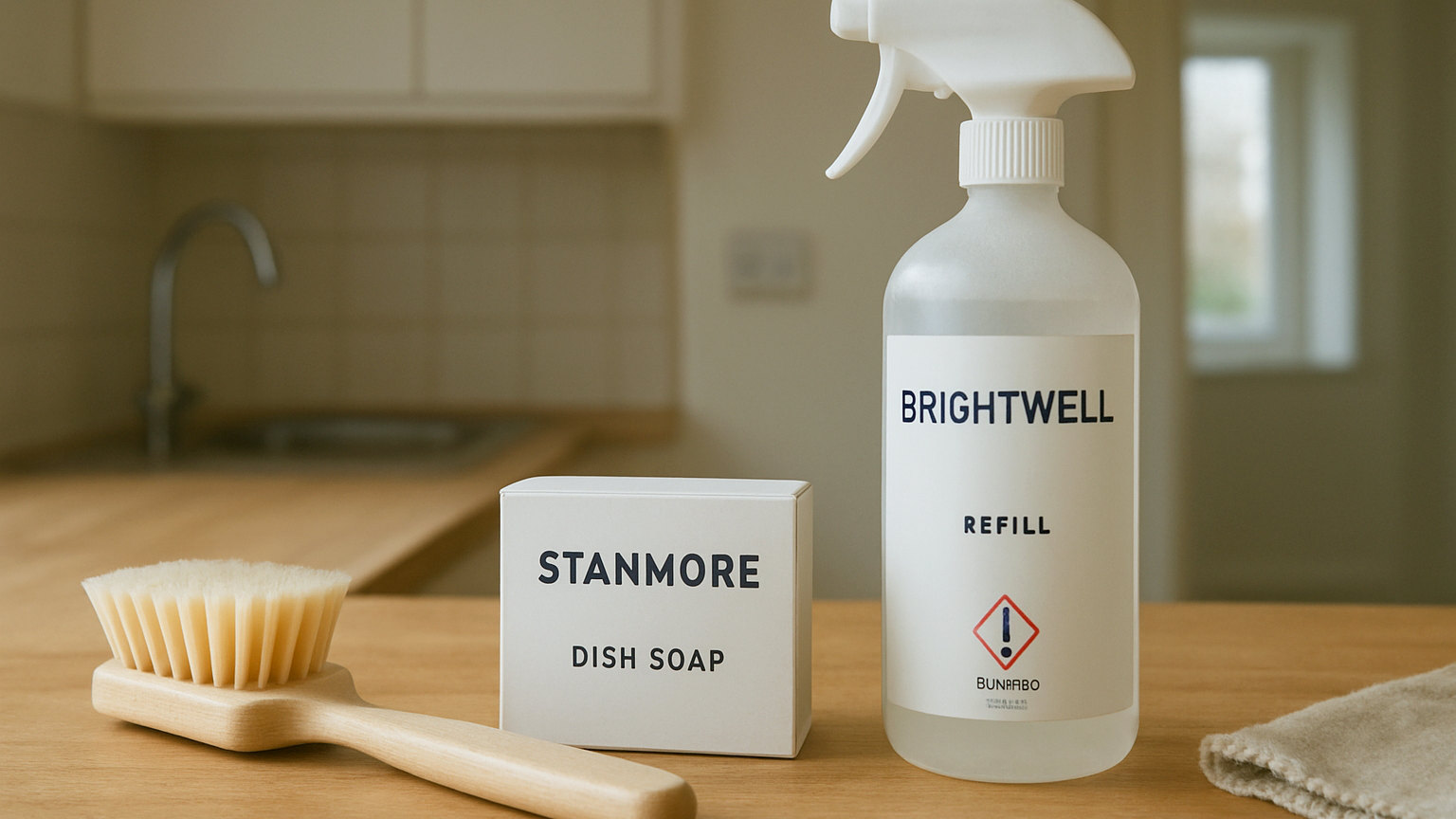
A washing up brush with a replaceable head, usually wooden, which is more hygienic than a sponge because it dries between uses.
A stiff hand brush and a dustpan, which last decades with no moving parts.
A squeegee with a replaceable blade, where only the rubber wears out.
Quality microfibre cloths, which survive hundreds of washes if kept away from fabric conditioner.
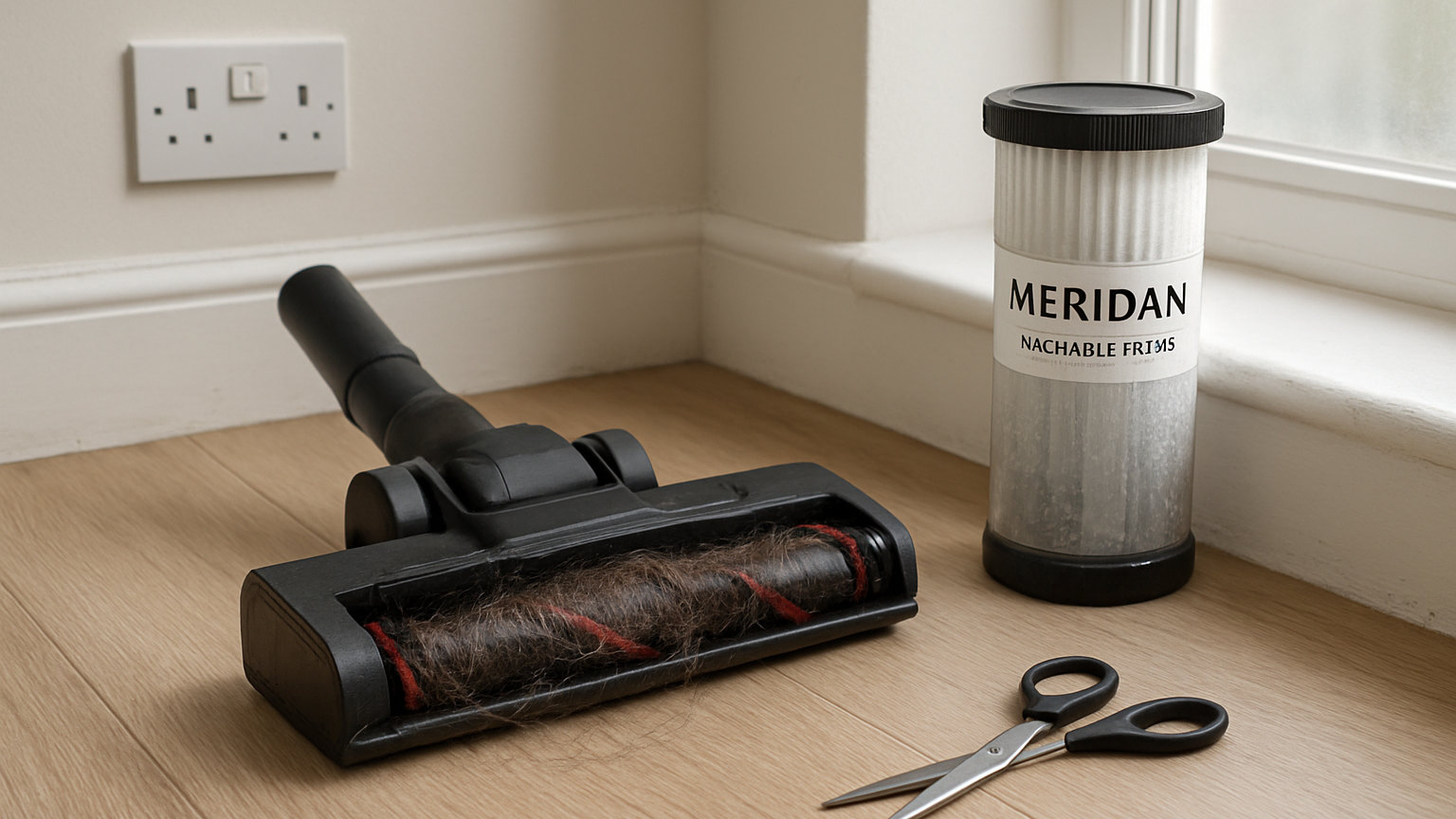
A vacuum with available spare parts, since filters, belts, brush bars and batteries are all wear items.
What wears out fastest?
Sponges, which are consumables by design. Disposable mop pads. Cheap plastic brushes where the bristles splay. Melamine sponges, which are consumed as they work. And anything with a bonded mechanism that cannot be opened.
Are wooden tools better?
Often, and not automatically. A wooden brush with natural bristles and a replaceable head is genuinely long lived and compostable at the end. A cheap wooden brush that splits after a year is not an improvement on a durable plastic one.
Wooden tools also need drying properly, since standing them in water splits the handle and loosens the bristles.
How do you make tools last?
- Dry everything before it goes away, particularly wooden handles and mop heads.
- Hang brushes rather than standing them on the bristles, which bends them permanently.
- Wash mop pads and cloths at sixty degrees with no fabric conditioner.
- Rinse and empty buckets rather than leaving dirty water standing.
- Replace blades, heads and filters rather than the whole tool.
- Clean the tools themselves regularly, since a clogged brush works poorly.
What about the vacuum?
The single biggest tool purchase and the one where repairability matters most. Check before buying whether the manufacturer publishes parts diagrams and sells filters, belts, brush bars, hoses and batteries.
A machine whose battery cannot be replaced has a fixed life measured in a few years, however good it is otherwise.
What about the consumables?
Some things are genuinely consumable and the question is what they are made of. Compostable sponge cloths, coconut fibre scourers and loofah pads all break down at end of life, unlike plastic foam sponges.
Cotton rags made from old towels and sheets cost nothing and replace a great deal of disposable material.
What should you do with worn tools?
Demote rather than discard. A microfibre cloth past its best becomes a floor or car cloth. A worn brush handles outdoor jobs. Old mop pads become rags. Very little needs to go in a bin straight from its original role.
What is the buying principle?
Buy fewer tools, buy them better, and check what can be replaced when a part wears. A small set of durable tools outperforms a cupboard of cheap ones and costs less over a decade.
Where do you find spare parts?
Manufacturer websites, appliance spares retailers and increasingly third party sellers for common items such as mop pads, squeegee blades and vacuum filters. It is worth checking availability before buying a tool rather than after, since a design with no published spares is one intended to be replaced whole.
Is second hand worth considering?
For the larger items, yes. Vacuum cleaners, carpet cleaners and steam cleaners all appear second hand, and a good machine with available spares can be brought back into service cheaply. Check the filters, seals and battery, which are the usual wear points, and factor replacements into the price.