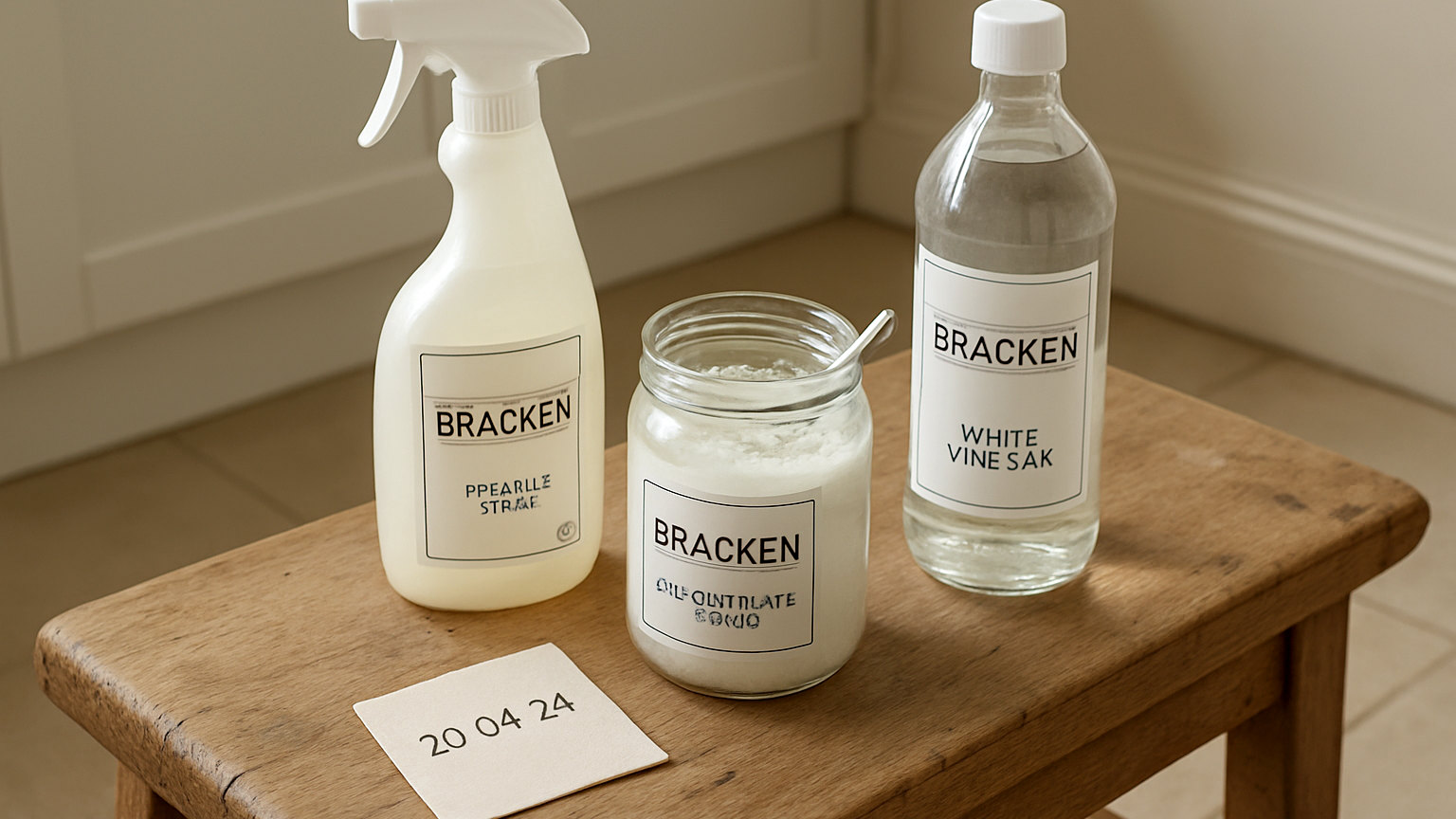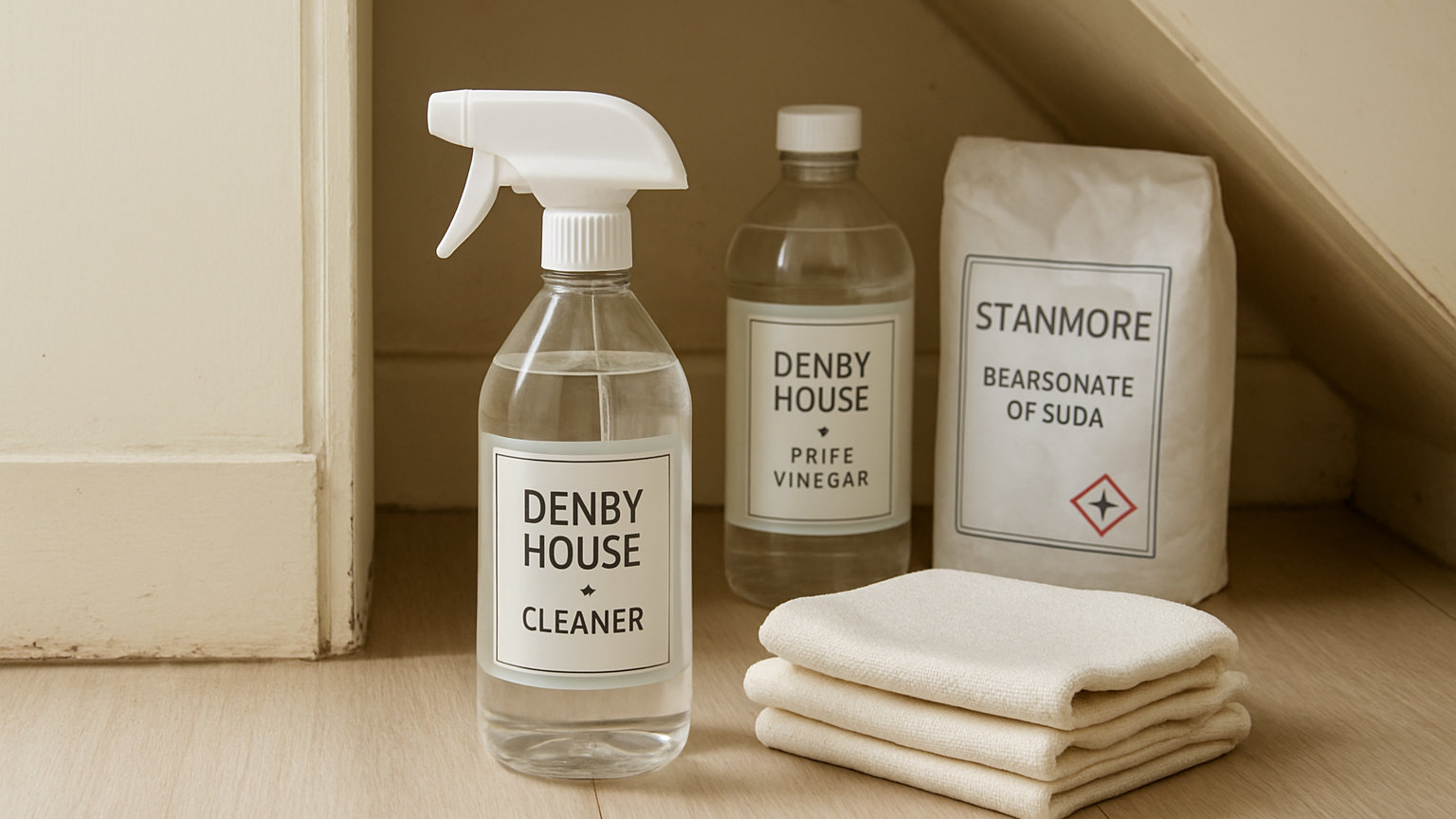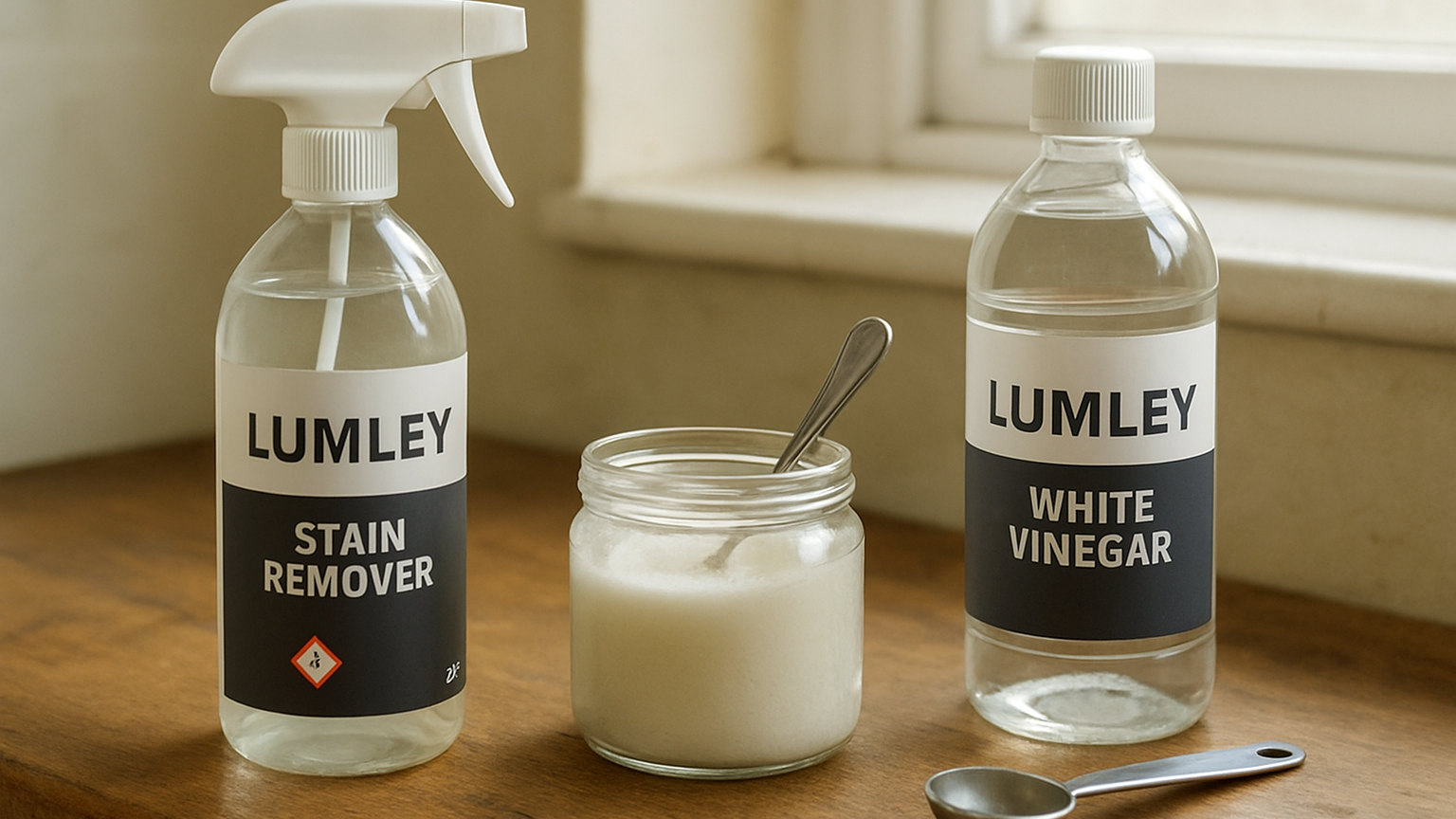
Stain removal at home works very well provided the treatment matches the stain. Three preparations cover almost everything, and using the wrong one is the usual reason a stain resists.
What are the three?
- Neat washing up liquid – for grease, oil, makeup and anything oily.
- An oxygen bleach soak – for tea, coffee, wine, fruit, grass and general discolouration.
- A biological detergent soak in cool water – for blood, milk, egg, gravy and sweat.
Between them they cover grease, oxidisable colour and protein, which is most of what stains fabric.
How do you treat a greasy mark?
- Blot up any excess with kitchen paper.
- Apply washing up liquid neat to the mark.
- Work it in gently with a fingertip, from the outside inwards.
- Leave it for ten minutes.
- Rinse with the warmest water the fabric allows.
- Wash as normal, and check before drying.
For a fresh mark, sprinkling cornflour or talc over it first and leaving it for thirty minutes draws out a proportion of the oil before any liquid is introduced.
How do you make an oxygen bleach soak?
Dissolve oxygen bleach powder fully in warm water at the dose on the packet, submerge the item completely and leave it for several hours or overnight. Wash as normal afterwards and dry in sunlight if possible.
Warmth and time are what make it work. A cold thirty minute soak achieves a fraction of what a warm overnight one does.
Keep it off wool, silk and leather, all of which it damages.
How do you treat a protein stain?
Cold water only at first. Flush the back of the fabric under a cold tap, then soak in cool water with a biological detergent for several hours.
Heat coagulates protein into the fibre permanently, so no warm water, no hot wash and no tumble dryer until the mark has gone. That applies to blood, milk, egg, gravy, sweat and grass.
What is the hydrogen peroxide paste?
Mix bicarbonate of soda with three per cent hydrogen peroxide into a paste, spread it over the mark, leave it for thirty minutes and rinse. It is effective on white cotton for blood, underarm yellowing and tannin stains.
Mix it fresh each time, since it degrades. Test on a hidden seam first, since it lightens some dyes, and keep it off wool and silk.
What about a general pre-treatment spray?
Equal parts washing up liquid and water in a spray bottle, with a tablespoon of bicarbonate of soda stirred in, makes a reasonable everyday pre-treatment for collars, cuffs and light marks.
Spray it on, leave ten minutes, then wash. Make small quantities, since it separates and has no preservative.
What should you always do first?
Test on an inside seam, particularly with hydrogen peroxide or anything oxidising. Leave the test for as long as you intend to leave the treatment, and let it dry before judging.
Also check the stain type before choosing, since the cold and warm rules are opposite for protein and grease.
What cannot be made at home?
An enzyme cleaner for pet urine, which needs specific cultured enzymes. Solvent based removers for ink, adhesive and paint. And anything for rust, which needs a dedicated acid treatment.
Surgical spirit covers ink and adhesive reasonably well and is bought rather than made.
What is the rule that matters most?
Never put a stained item in a tumble dryer or iron over it until the mark has gone. Heat sets almost every stain permanently, and a mark that would have come out on a second treatment becomes impossible after one dryer cycle.
How do you know which stain you have?
If it is translucent, darker when wet and greasy to the touch, treat it as oil. If it came from the body or from a protein food, treat it cold. If it is a strong colour from a plant source such as tea, wine or fruit, it needs oxidising. Where you are unsure, start with cold water and washing up liquid, which is safe on almost everything and sets nothing.