A mattress accumulates skin cells, body oils, hair and dust, and it supports a population of dust mites feeding on that material. Vacuuming is the only practical way to remove any of it at home, and it is worth doing more often than most people do.
What tool should you use?
The upholstery nozzle, which is the wide flat head usually with a fabric strip across it. The strip catches lint and hair and the wide opening covers the surface efficiently.
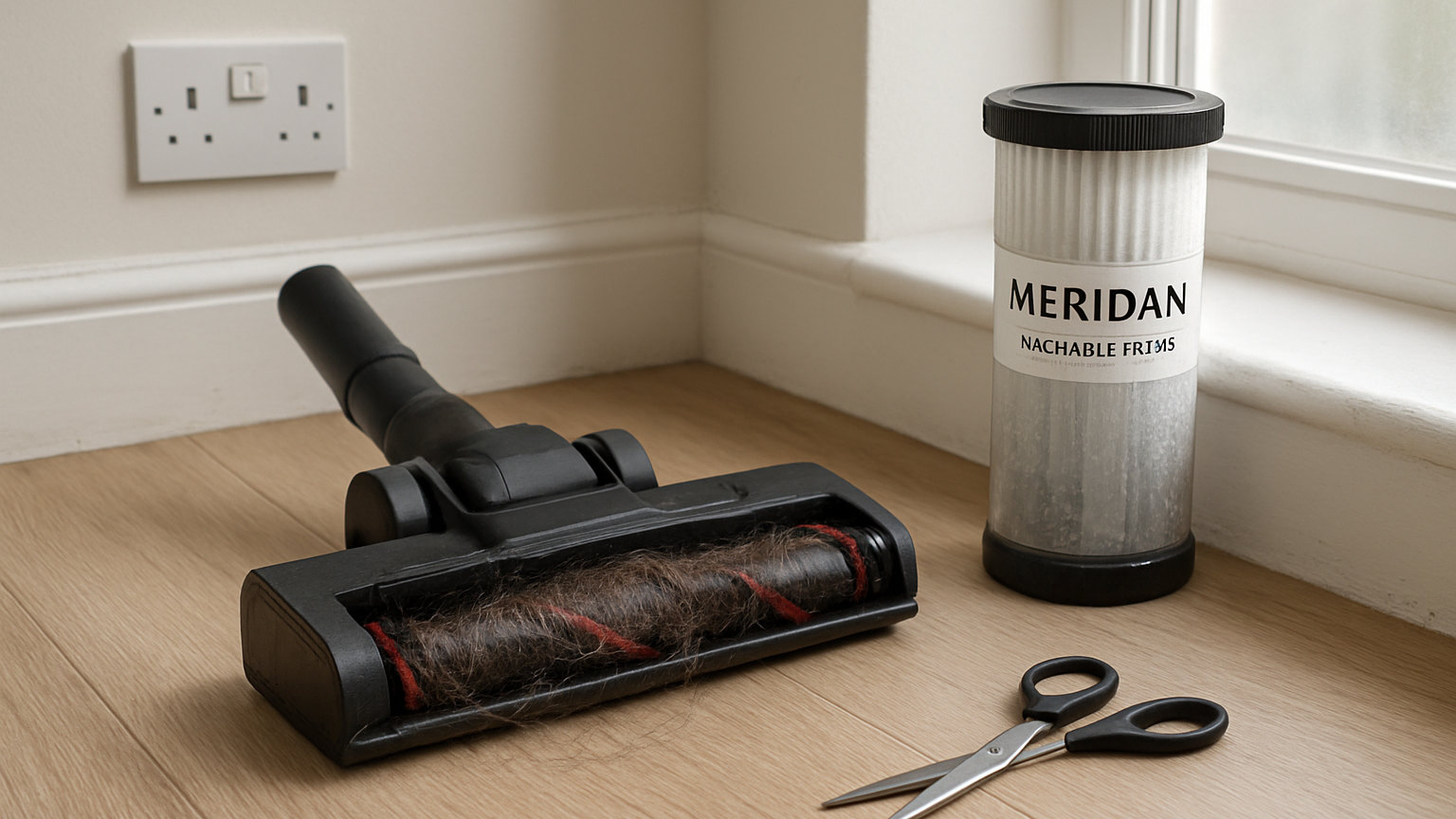
A small motorised or turbo brush works well on a mattress and is more aggressive, so check it does not pull at the fabric. Never use a floor head, which is too heavy handed and cannot reach the seams.
What is the method?
- Strip the bed completely and wash the bedding at sixty degrees.
- Vacuum the whole top surface with slow overlapping passes.
- Use the crevice tool along every seam, piping and button, which is where most debris collects.
- Do the sides, and the handles if it has them.
- Turn or flip the mattress if the design allows and repeat.
- Vacuum the base or divan underneath as well.
- Air the mattress for an hour before remaking the bed.
Does bicarbonate of soda help?
Yes, for odour. Sprinkle it generously over the surface, leave it for several hours or overnight, then vacuum it off thoroughly.
It absorbs moisture and neutralises odour compounds. Vacuum it up completely, since powder left in a mattress attracts damp and can clog a filter.
How often should it be done?
Monthly is a reasonable target, and every time the mattress is turned at minimum. Anyone with a dust mite allergy benefits from doing it more often, ideally weekly.
Doing it when the bedding is stripped for washing makes it part of an existing routine rather than a separate job.
Does it help with dust mites?
It removes surface debris and a proportion of the mites and their droppings, which is the material people are actually allergic to. It does not eliminate them, since they live within the mattress.
The measures that matter more are a washable mattress protector, washing bedding weekly at sixty degrees, keeping bedroom humidity below about fifty per cent, and airing the bed each morning rather than making it immediately.
What about upholstery?
The same approach. Use the upholstery nozzle on the flat panels and the crevice tool down every seam and around the arms and back.
Take the cushions out and vacuum the base underneath, which collects crumbs, coins and hair. Vacuum the back and the sides of the sofa as well as the seat.
Do upholstery before the floor, since what comes out lands on it.
What about the vacuum filter afterwards?
Worth checking. Mattress and upholstery dust is very fine and clogs filters faster than floor dust. Empty the bin afterwards and check the filter, particularly if you have used bicarbonate of soda.
Can you vacuum a memory foam mattress?
Yes, gently, with an upholstery tool and moderate suction. Avoid an aggressive motorised brush, which can damage the cover fabric.
Memory foam is particularly intolerant of moisture, so keep any wet cleaning to a minimum and dry thoroughly.
What about pillows and duvets?
Vacuum them with the upholstery tool at the same time, and check whether they can be machine washed, since most pillows and many duvets can be washed at sixty degrees, which is more effective than vacuuming.
Replace pillows every couple of years, since they accumulate a substantial amount over time and cannot be fully cleaned.
Does a mattress protector make it unnecessary?
It reduces the need considerably, since the protector takes the sweat, skin cells and spills that would otherwise reach the mattress itself, and it goes in the washing machine at sixty degrees. The mattress underneath still collects some dust through the protector and benefits from an occasional vacuum, though far less often than an unprotected one would.