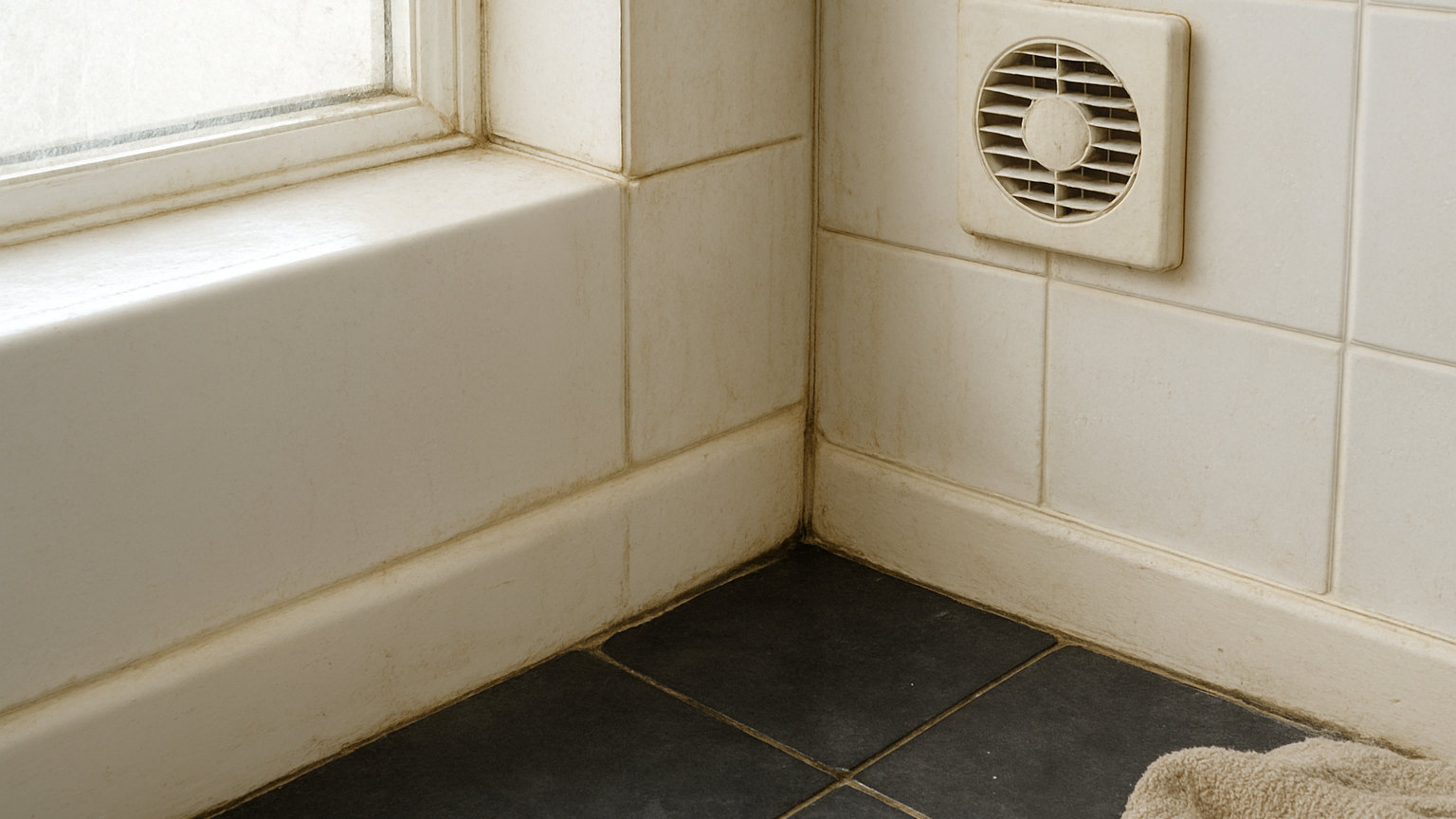
Skirting boards attract more dust than any other painted surface in a house, and in a hallway they also take scuffs from shoes, bags, vacuum heads and pushchairs. The combination of fine dust and static means a dry cloth pushes the dirt around rather than lifting it, which is why skirting can look grimy immediately after being dusted.
Why do they collect so much?
Three reasons combine. They sit at floor level where dust settles. They generate a static charge, particularly on gloss and satin paint, which actively attracts fine particles. And air currents running along the floor from doorways and radiators push dust towards them and deposit it where the board meets the floor.
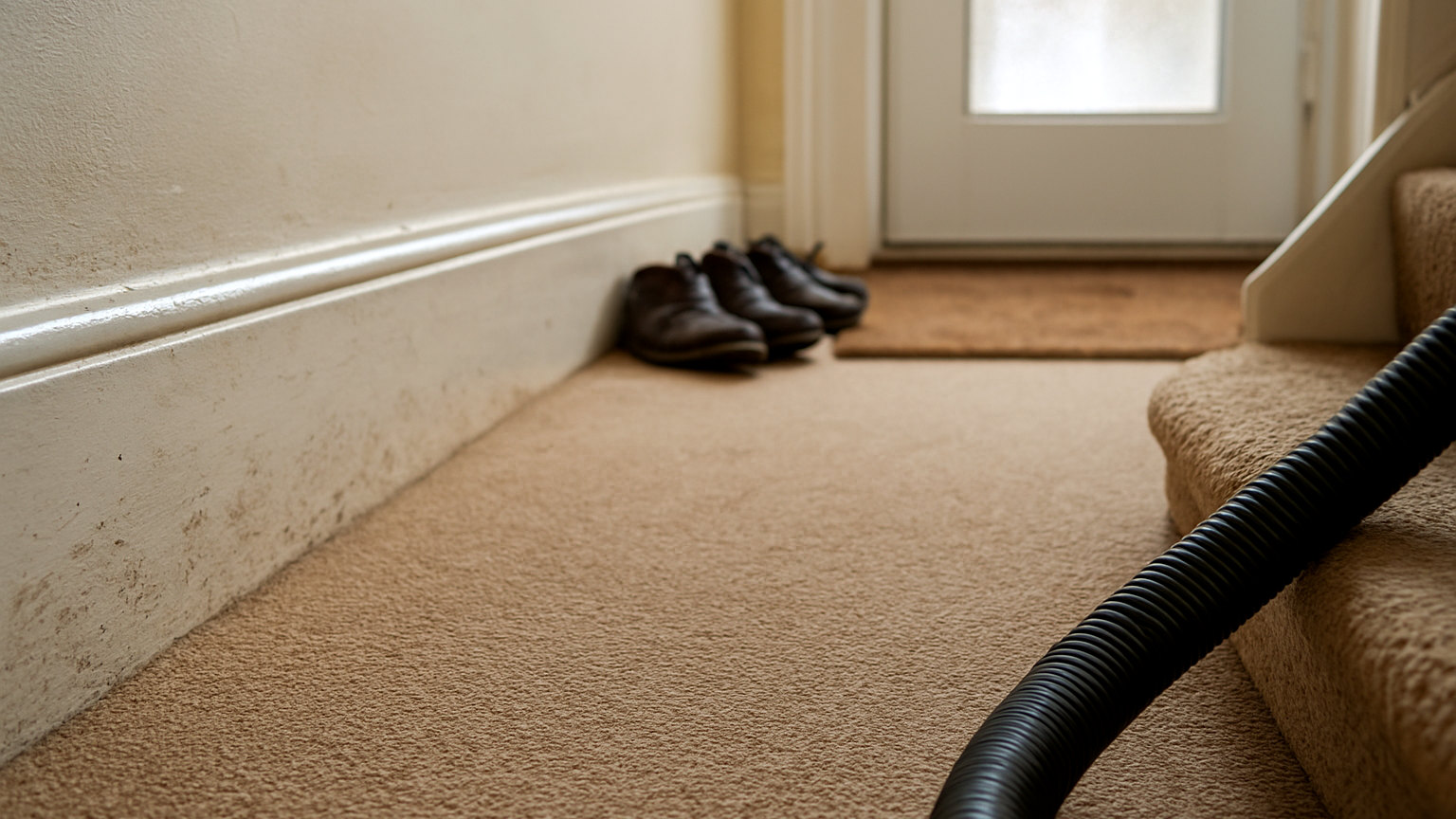
In a hallway, add grit brought in on shoes and the scuffing that comes with narrow spaces and constant traffic.
What is the fastest method?
- Vacuum first, using a brush attachment along the top edge and the joint with the floor. This removes loose dust without turning it into a paste.
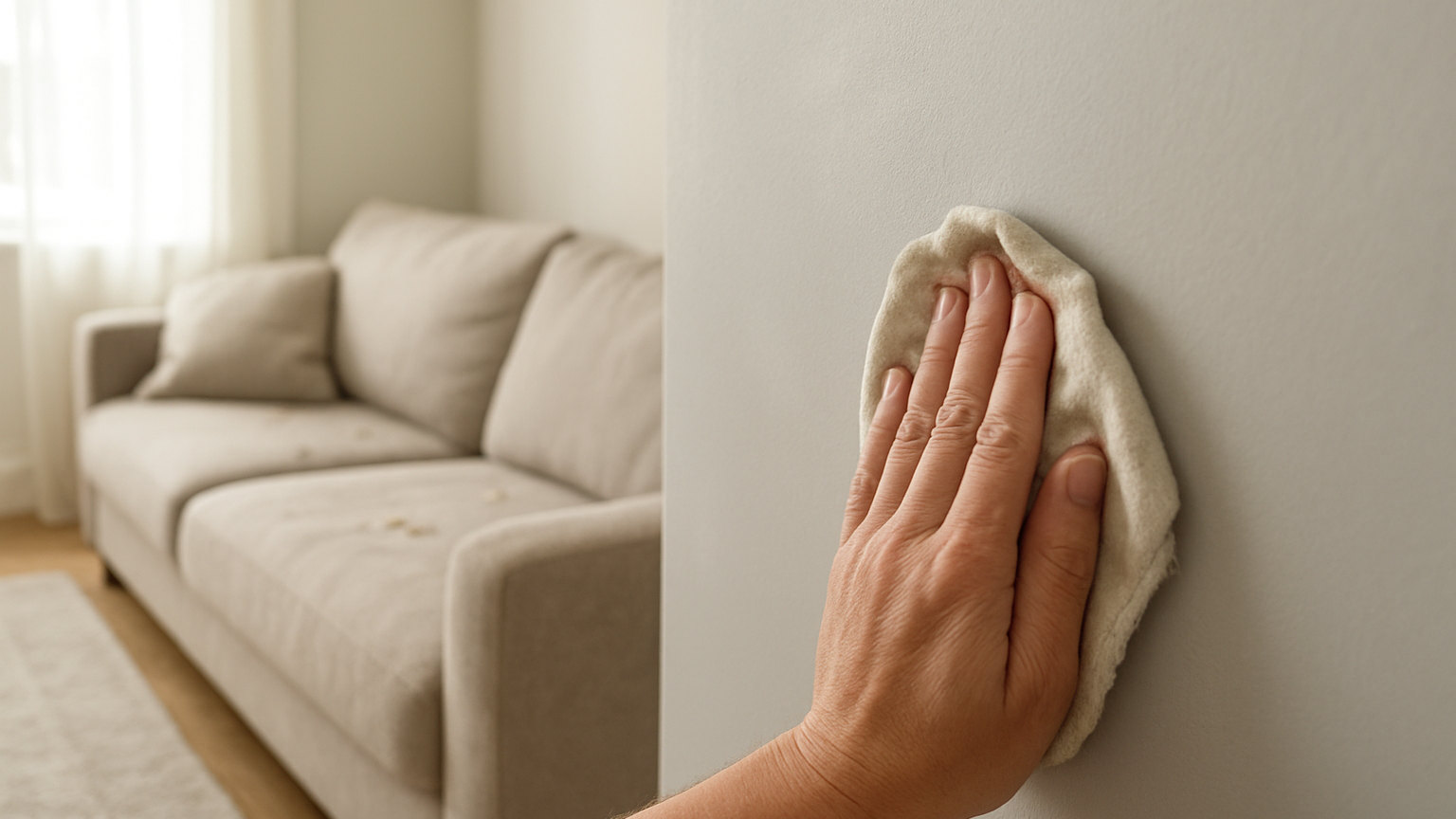
- Wipe with a damp microfibre cloth wrung out in warm water with a drop of washing up liquid.
- Deal with scuffs individually rather than scrubbing the whole run.
- Dry the board with a second cloth, particularly along the bottom edge where water can sit against the floor.
Skipping the vacuum step is the most common mistake of all. A damp cloth dragged along dusty skirting produces streaks of grey slurry that then have to be cleaned off a second time.
How do you avoid kneeling along the whole length?
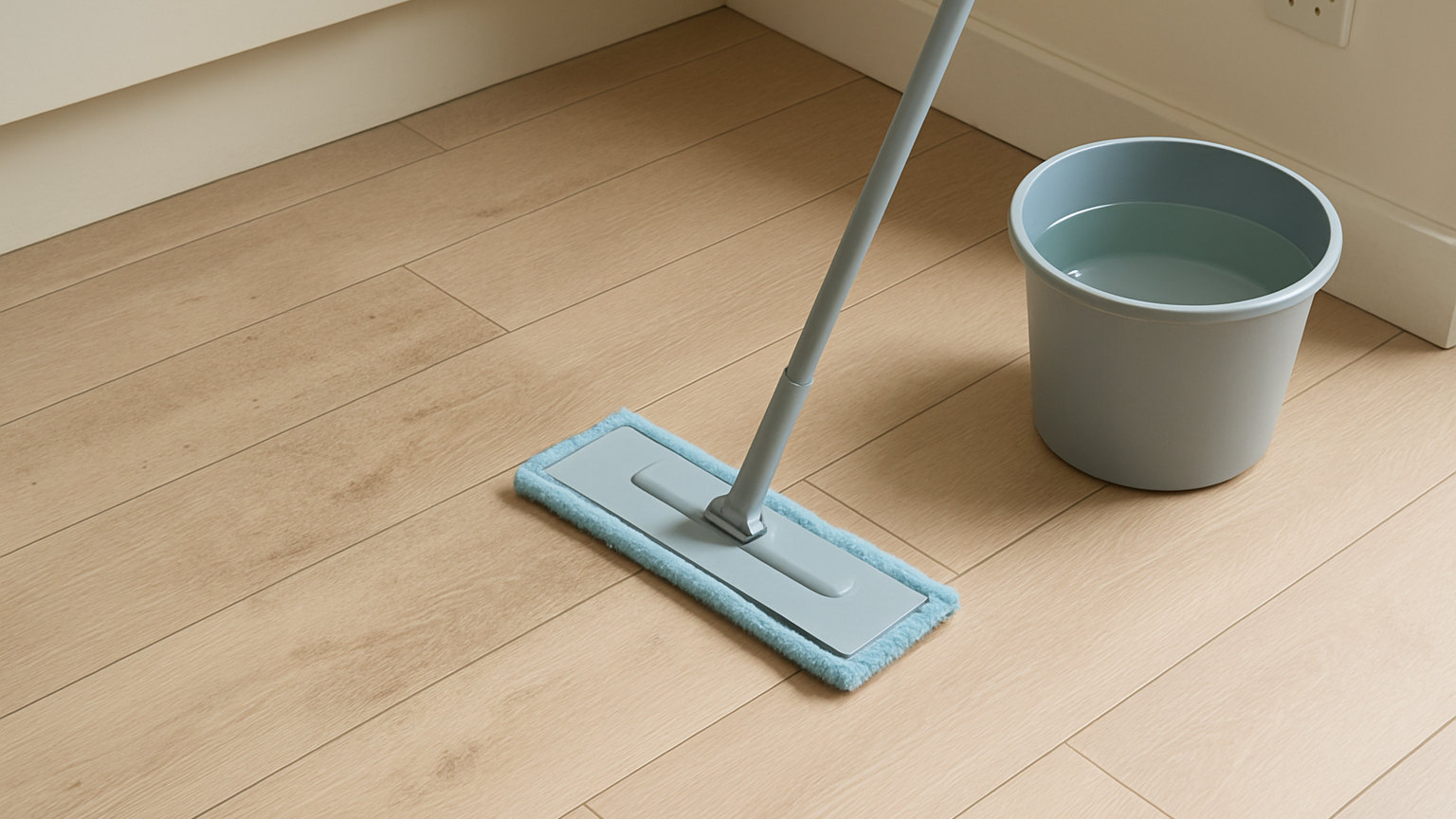
Several tools work at standing height. A flat mop with a microfibre pad can be turned on its side and run along the skirting. A long handled duster with a flexible head reaches the top edge. A sock over the head of a broom, slightly dampened, works surprisingly well for a long run.
For detailed or moulded skirting, a stiff brush or an old toothbrush is still needed in the profile, but only occasionally rather than every clean.
What removes scuff marks?
Start gently. A clean pencil eraser lifts many black rubber scuffs with no risk at all. Warm soapy water on a cloth handles most of the rest. For stubborn marks, a small amount of bicarbonate of soda on a damp cloth gives mild abrasion.
A melamine sponge is effective and should be a last resort, because it abrades the paint surface and can leave a dull patch on satin or matt finishes. Use it damp, with minimal pressure, and expect that the area may need touching up.
How does the paint finish affect cleaning?
Considerably. Gloss and satinwood are durable and take repeated washing without complaint, which is why they remain popular on skirting despite looking dated to some. Eggshell is less hard wearing but cleans reasonably. Matt emulsion on skirting looks good and cleans badly, marking with almost any contact and burnishing when rubbed.
In a hallway or on a staircase, a durable finish is worth more than a fashionable one, and repainting skirting is a straightforward job that transforms how a hall looks.
How often should they be done?
Vacuum the skirting whenever you vacuum the floor, which costs almost nothing since you are already there with the machine. Wash them every month or two in a hallway and every few months elsewhere. Deal with scuffs as you notice them rather than saving them up, since fresh marks lift far more easily.
Does anything reduce the build up?
An anti-static wipe or a very dilute fabric conditioner solution applied to the board leaves a light film that reduces static attraction for a few weeks. Use it sparingly, since too much leaves a sticky residue that attracts more dust than it repels. Keeping the floor free of grit, and vacuuming with a sealed machine that does not blow fine dust back out of its exhaust, makes a bigger difference overall than any surface treatment.