Glass is harder than most of the things stuck to it, which makes these jobs more about patience than about finding the right chemical. A scraper used correctly removes almost anything from ordinary glass without damage. The important caveat is that not all glass is ordinary, and coated or treated panes must never be scraped.
When is a blade safe to use?
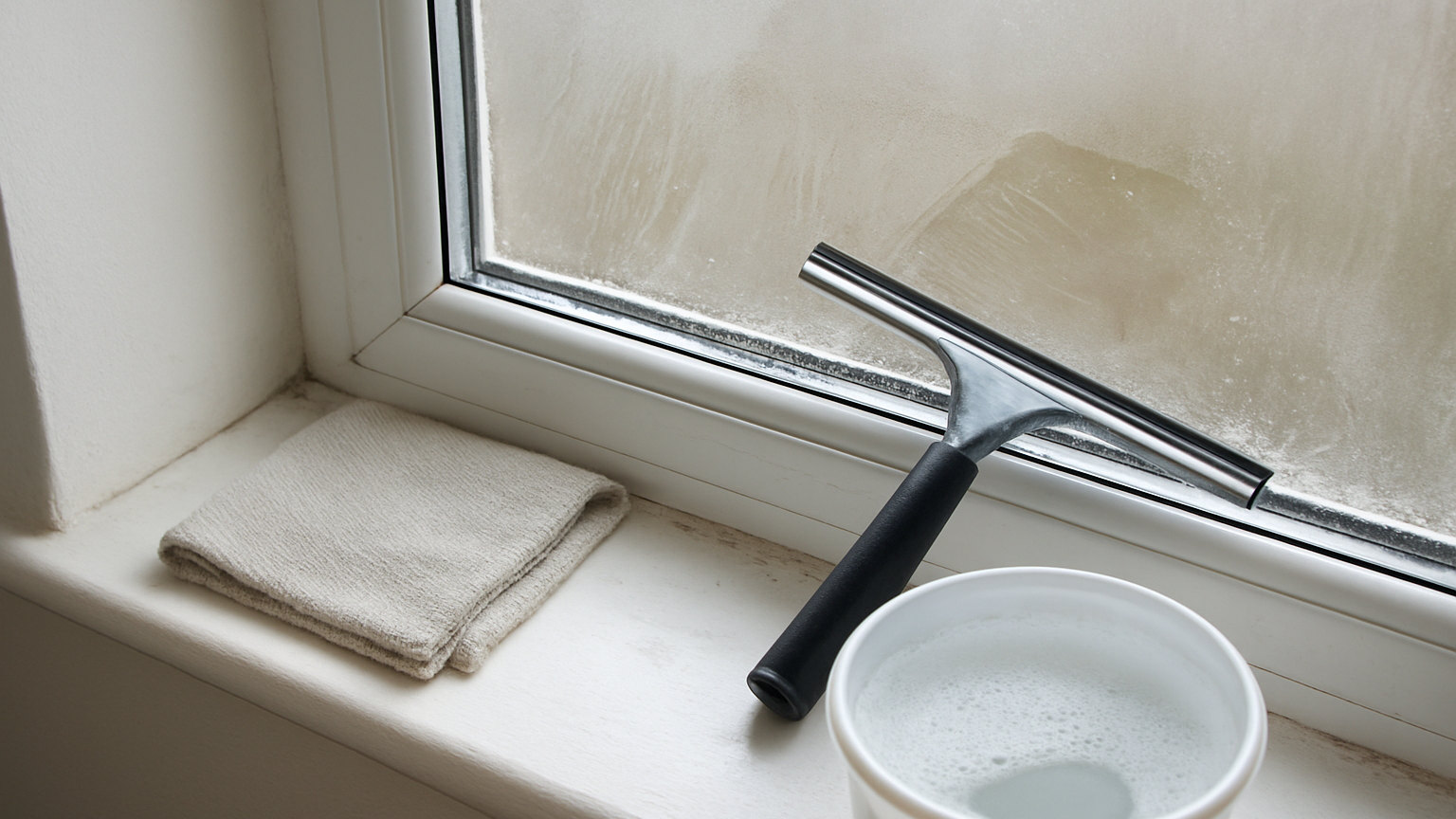
On plain, uncoated float glass, which covers most windows, glass tables and mirrors. Use a proper glass scraper with a fresh blade, hold it at a shallow angle of about 30 degrees, and always work with the glass wet, since a dry blade will scratch.
Push in one direction rather than scrubbing back and forth, and lift the blade to reposition rather than dragging it backwards.
Which glass must not be scraped?
- Self cleaning glass, which has a microscopic coating that a blade destroys.
- Low emissivity glass where the coating is on an exposed face.
- Tinted, mirrored or film applied glass.
- Toughened glass with surface imperfections, which can develop scratches around fabrication debris.
- Frosted, etched and sandblasted glass, which polishes unevenly.
If you do not know what the glass is, test the scraper in a bottom corner and inspect the result before going further.
How do you remove stickers and labels?
- Soak the sticker in warm soapy water for several minutes, or lay a soaked cloth over it.
- Peel back as much of the paper as will come away.
- Apply more warm water and leave the adhesive to soften.
- Work the residue off with a plastic scraper or a glass blade held flat, keeping the surface wet.
- Clean off the remaining haze with a little white spirit, surgical spirit or a citrus based adhesive remover on a cloth.
- Wash the glass normally and buff dry.
Heat helps considerably. A hairdryer on a warm setting softens adhesive and makes stickers peel away in one piece rather than in fragments.
What about paint splashes?
Emulsion softens with warm soapy water and lifts with a plastic scraper in a few minutes. Gloss and oil based paint is harder: soften it with white spirit on a cloth, leave it a few minutes, then work at it with a wet glass blade.
Take particular care at the edges of the pane, where a blade can catch the sealant or the glazing bead. Keep solvent off uPVC frames, which it can mark permanently.
How do you remove silicone sealant?
Mechanically, because no solvent dissolves cured silicone properly once it has set. Slice off the bulk of the bead with a sharp blade or a plastic silicone removal tool, then take off the thin film that remains with a glass blade held flat and a great deal of patience. Proprietary silicone removers soften the residue and make that last stage considerably easier, but they will not do the job on their own.
Do not use a blade against the frame or the glazing bead, which will scar.
What removes mortar and cement splashes?
These are the most damaging deposits glass can get, because the alkaline material chemically etches the surface if it is left in place. Remove them as soon as possible with a wet blade and plenty of water. If the splash has been there since the house was built, expect to find a permanent mark underneath once the deposit itself comes away.
Acidic brick cleaners will remove cement residue but must be kept away from frames, sealant and stone sills, and they should be a last resort on glass.
What about tape residue on a new window?
Protective film left on uPVC frames and glass in sunlight becomes extremely difficult to remove, because ultraviolet light cures the adhesive onto the surface. It can leave a haze that no amount of cleaning will shift. Take protective films off new windows within a few weeks of installation rather than leaving them for months, which is a common and entirely avoidable mistake on new build and refurbishment projects.