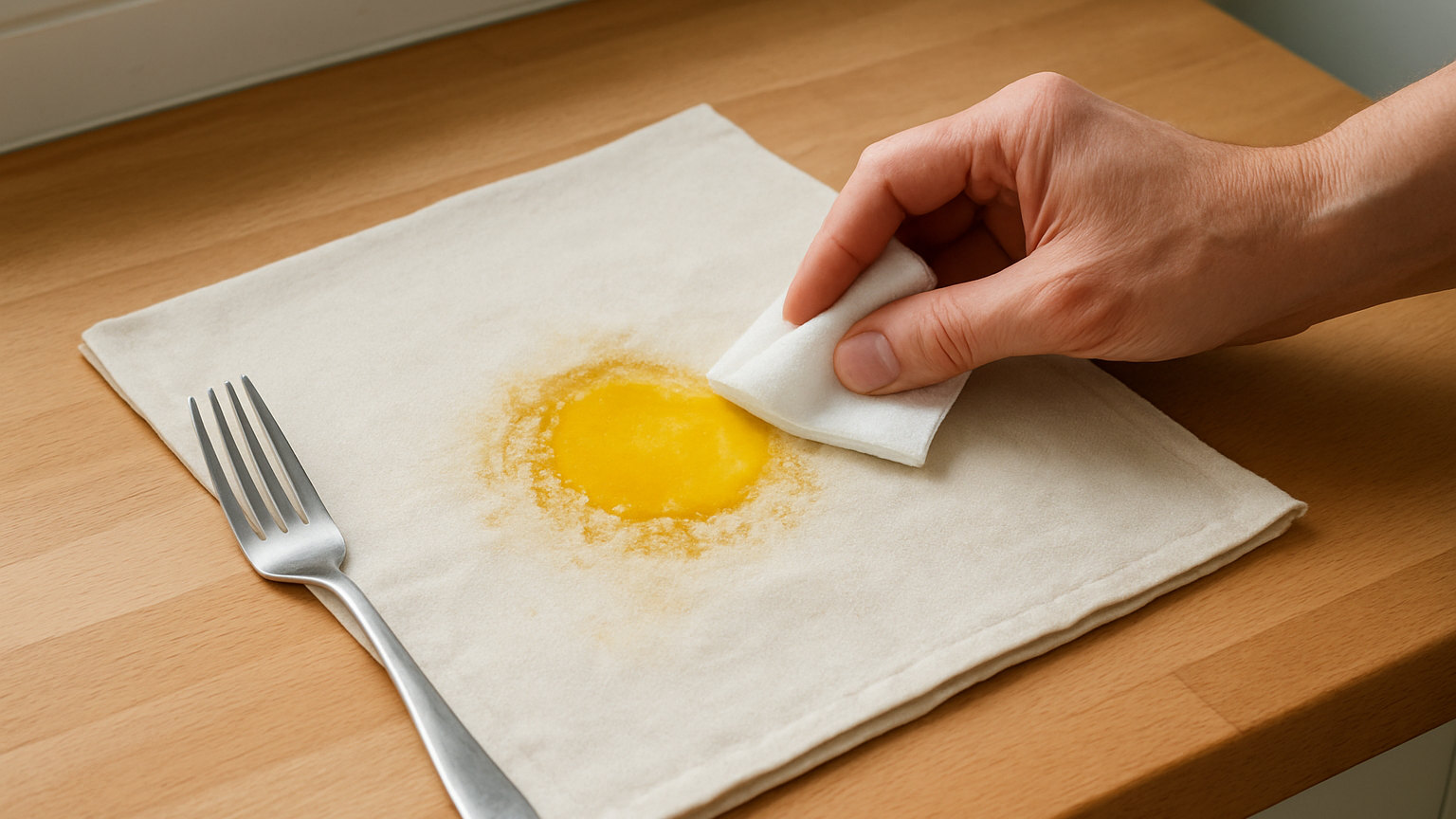
Egg is the clearest example of a protein stain and the easiest to ruin. The same process that turns a raw egg solid in a pan happens inside the fibres of a garment if warm water touches it, and once it has coagulated there is very little that will dissolve it out.
What is the first response?
- Lift off as much solid material as possible with a blunt edge, scraping rather than pressing.
- Rinse the back of the fabric under cold running water.
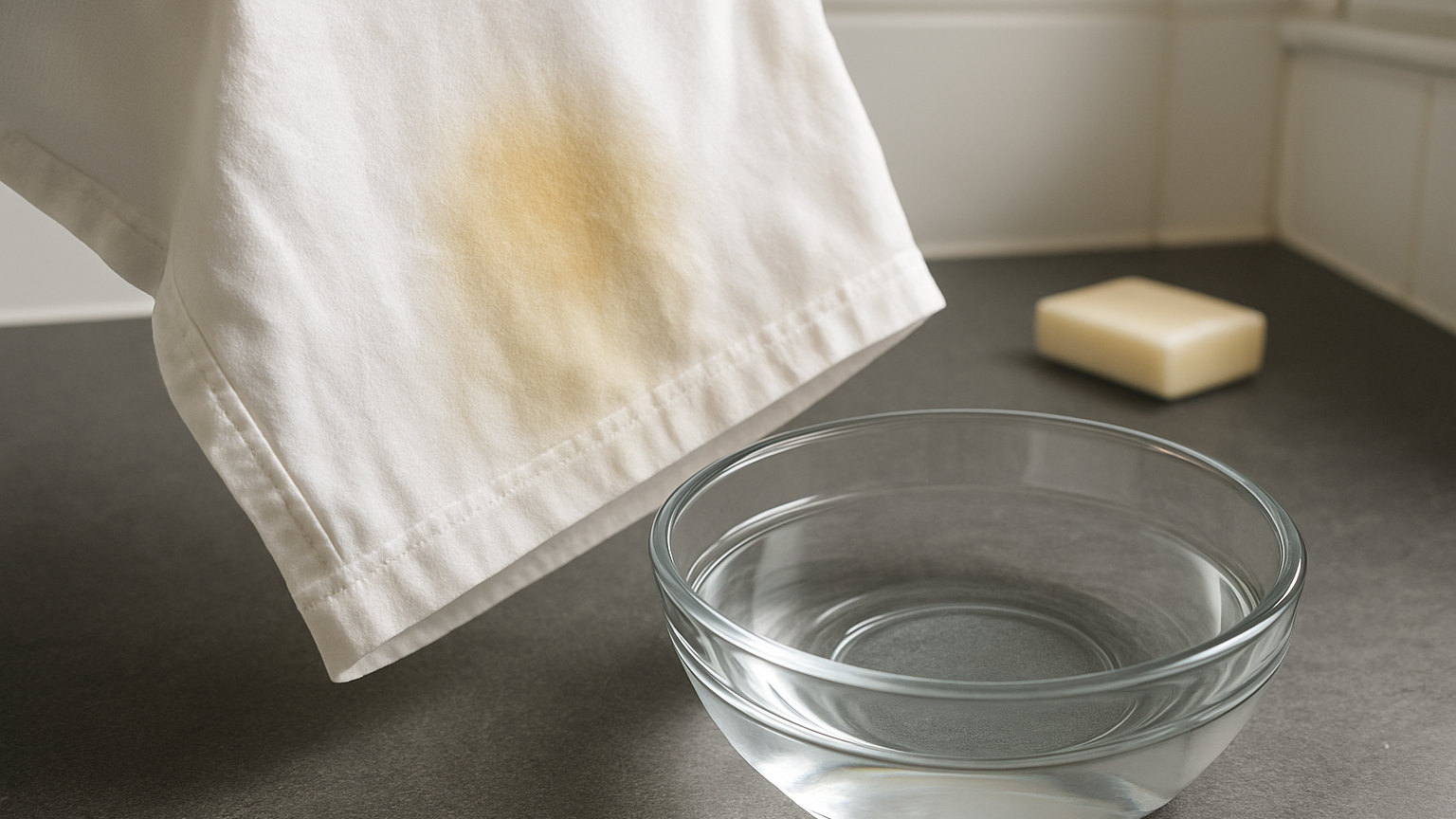
- Soak in cold water for at least thirty minutes.
- Work a little biological detergent into the mark with a finger.
- Leave it for ten to fifteen minutes.
- Rinse in cold water and check before washing.
- Wash at 30 degrees with a biological detergent.
Everything here is cold, deliberately. There is no stage at which warmth helps until the protein has been broken down.
Why does biological detergent matter so much?
Because protease enzymes break protein chains apart at a molecular level, which is the only practical way to remove egg without heat. A non-biological detergent will lift some of the surface material and leave the rest.
This is one of the situations where the biological versus non-biological choice genuinely changes the result rather than being a matter of preference.
What about dried egg?
Soak it, for several hours or overnight in cold water. Dried egg becomes hard and glassy, and scraping at it damages the fabric. Rehydrating it softens the protein and lets the enzymes reach it.
Change the water once during a long soak, since the material released goes back into solution and slows the process.
What if it has been washed and dried?
Repeated cold soaking with a biological detergent or an enzyme pre-treatment, several hours at a time over two or three attempts. Each round removes a little more. An oxygen bleach soak afterwards lifts the remaining yellowing on white cotton.
A heat set egg stain often leaves a stiff patch even once the colour has gone, because the coagulated protein is physically in the weave. On a coloured garment the result is usually an improvement rather than a removal.
What is the method for carpet?
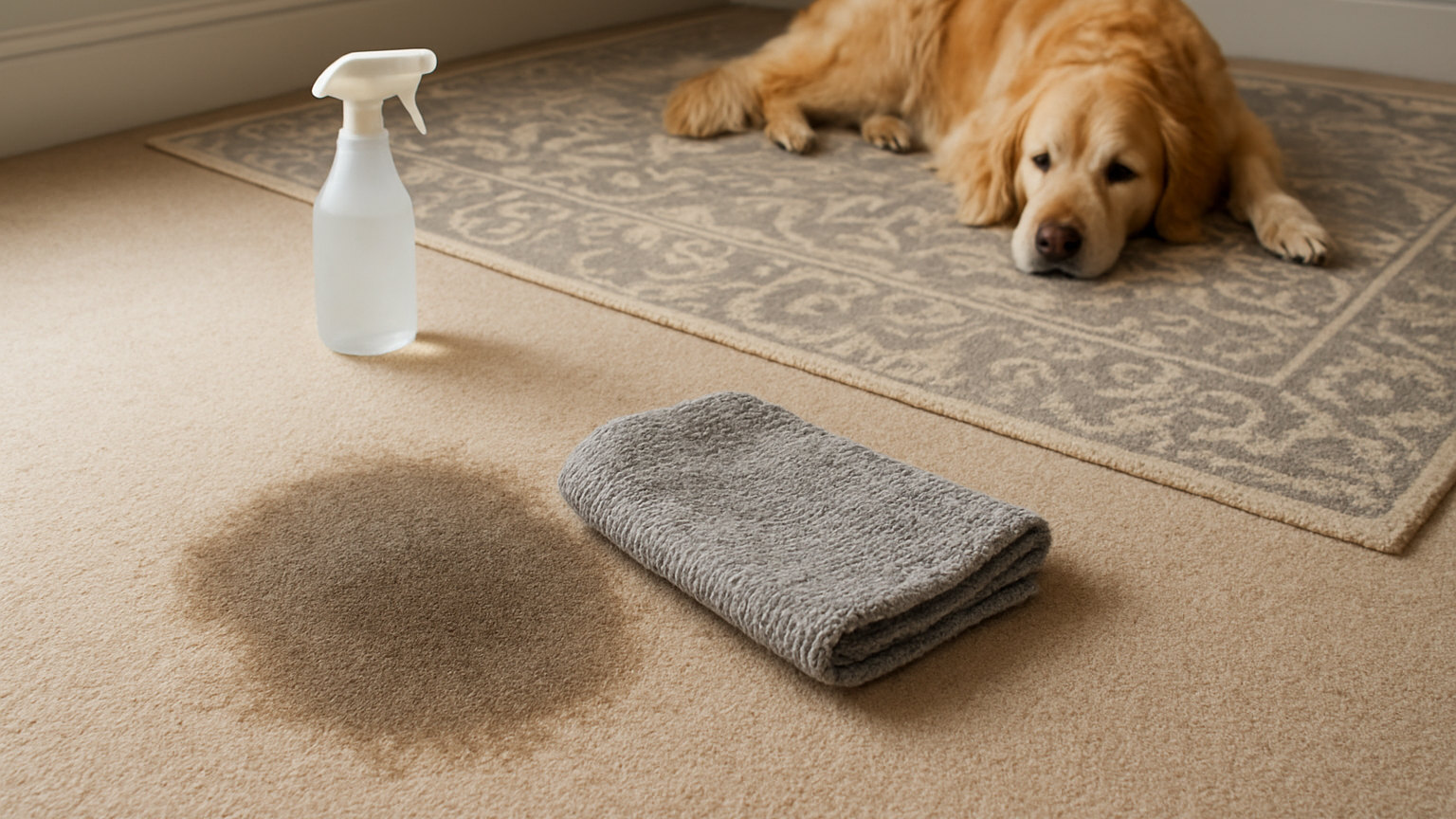
Scrape up the solids first, carefully, so nothing is pushed further into the pile. Then blot with cold water and a drop of washing up liquid applied to a cloth rather than poured on, working from the outside inwards.
Follow with an enzyme cleaner for the protein, applied generously and left for the time on the label. Blot, rinse by blotting with clean water, and press a dry towel down under weight to remove the moisture.
Never use hot water or a steam cleaner on egg in carpet, which sets it into the fibres and the backing permanently.
What about egg on a car or a window?
Egg on paintwork is urgent rather than merely annoying. The proteins and the acidity attack the clear coat, and the damage begins within hours in warm weather. Rinse with plenty of cold water rather than wiping, since dried shell fragments will scratch the paint.
Soak the area with a wet cloth to soften it, rinse again, then wash normally with car shampoo. Do not use hot water, which cooks the egg onto the surface. If it has been left and etched the lacquer, that needs a professional.
What about shell and yolk on a worktop?
Straightforward on a sealed surface: cold water first, then detergent. On unsealed wood or porous stone, act quickly, since yolk pigment can stain. Cold water and a little bicarbonate paste lifts most of it.
What is the single rule to remember?
Cold water and enzymes, never heat. That covers egg, and it covers milk, blood, gravy and sweat as well, which are all protein stains behaving the same way. The instinct to reach for hot water is what turns an easy stain into a permanent one.