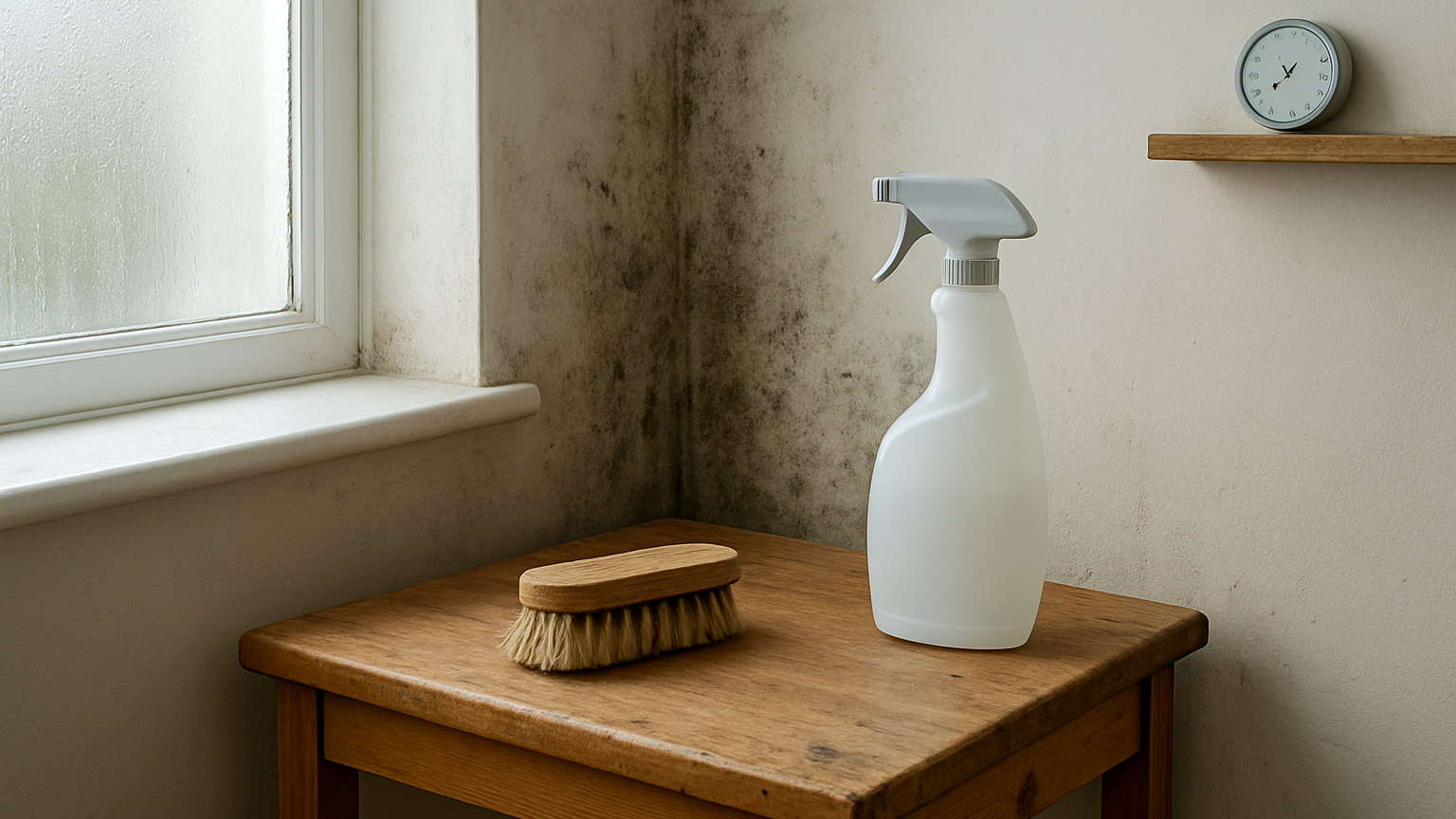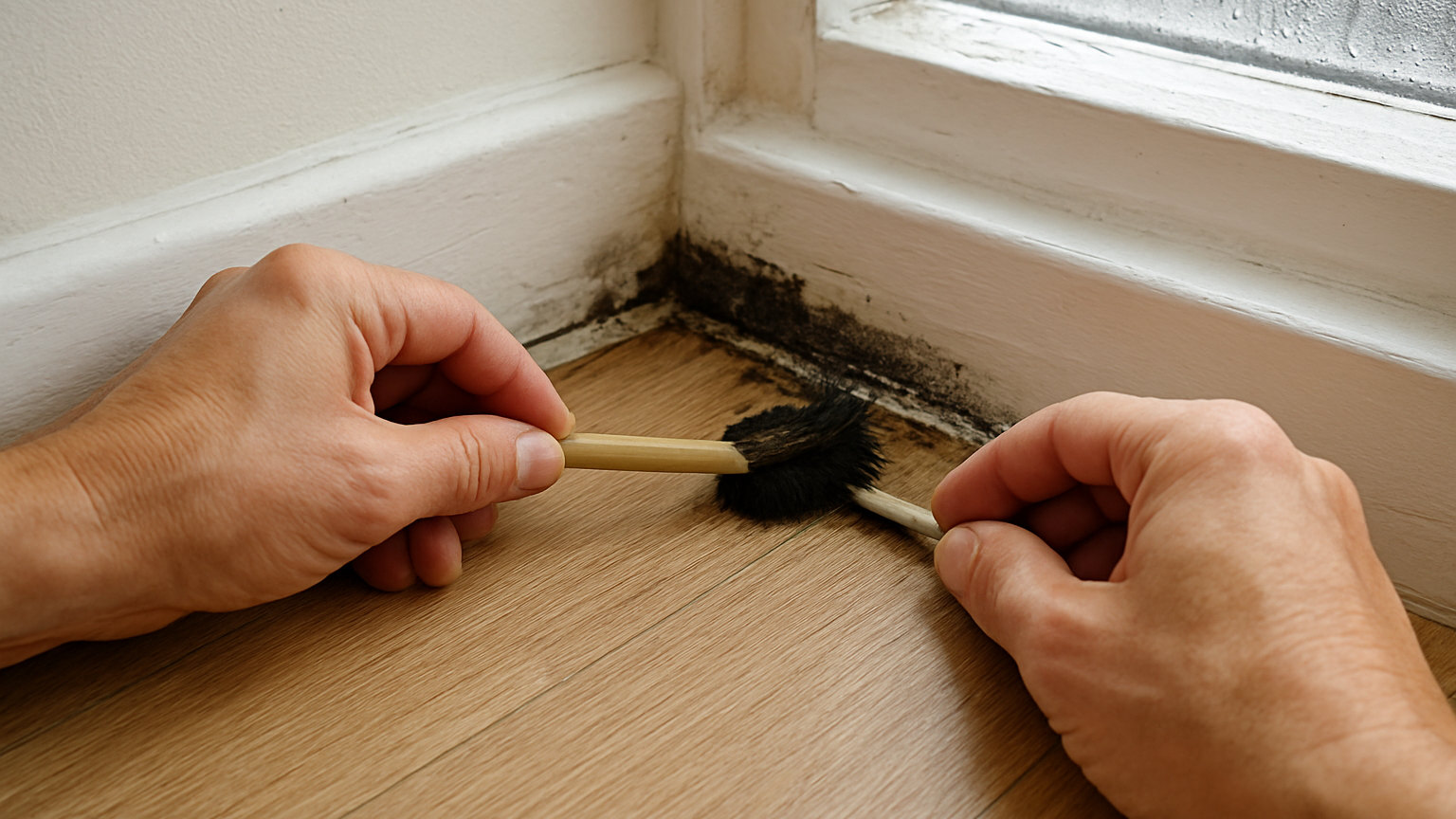
The green and black growth that appears on garden furniture over winter is usually a mixture of algae, lichen and mould. The distinction matters less than the material it is growing on, because that determines what can safely be used and how much force is acceptable.
What is the general approach?
- Brush off loose growth and debris dry, outdoors.
- Wash with warm water and washing up liquid using a soft brush.
- For persistent growth, apply a suitable cleaner and leave it for the stated time.
- Rinse thoroughly with clean water.
- Dry completely before storing or replacing cushions.
Most furniture needs nothing more than the first two steps if it is done at the start of the season rather than after three years.
What works on plastic and resin?
The most forgiving material. Warm soapy water and a brush deals with most of it. For heavier staining, a dilute bleach solution or an outdoor cleaner works well on white plastic, left for ten minutes and rinsed thoroughly.
Avoid abrasive pads, which scratch the surface and give the growth more to hold onto next year. White plastic that has gone permanently grey has usually been scoured rather than merely dirty.
What works on wood?
Depends on the timber. Hardwoods such as teak and eucalyptus take a stiff brush and soapy water, scrubbing with the grain. A dedicated hardwood furniture cleaner restores the colour, and teak left untreated weathers to a silver grey that many people prefer.
Softwood and painted furniture needs gentler treatment. Use a soft brush and soapy water, and a fungicidal wash for persistent growth rather than bleach, which lightens timber unevenly.
Let wood dry completely before applying any oil or preservative, since sealing damp timber traps the moisture in.
What about metal furniture?
Aluminium and powder coated steel take soapy water and a soft cloth. Avoid abrasives, which break the coating and let corrosion start underneath. Check for chips and touch them up with a suitable paint.
Cast iron needs the growth removing, then rust treating, then repainting. Wrought iron in a damp position is the piece most likely to need annual attention.
What about cushions?
Check the label. Many outdoor cushion covers unzip and machine wash at 30 or 40 degrees with a dose of oxygen bleach for light colours. Brush the growth off outdoors first.
For fixed covers, scrub with a soft brush and a solution of warm water and washing up liquid, or a fabric safe mould cleaner. Rinse with a hose and stand them on edge to drain.
Drying matters more than cleaning. A cushion put away damp will be worse in spring than it was in autumn, and the foam inside can hold water for days.
Should you use a pressure washer?
With caution. It is excellent on paving, stone and robust plastic. On timber it raises the grain and erodes the soft wood between the harder rings, permanently roughening the surface. On painted metal it strips the coating.
Use the widest fan nozzle, keep well back, and treat wood and paint by hand instead.
Why does it grow so readily?
Because outdoor furniture spends months damp, shaded and uncleaned. Shade and poor airflow matter most, which is why the piece under a tree is always the worst and the one in an open sunny position is fine.
How do you prevent it?
Clean it at the end of the season rather than the beginning, so nothing is stored dirty. Dry everything completely. Store cushions indoors or in a dry shed rather than in a plastic box outdoors, which traps moisture. Use breathable covers rather than sealed plastic, and tilt furniture or store it on edge so water cannot pool.
What about parasols and awnings?
The worst offenders, because they are almost always put away damp and then left rolled up for months. Open a parasol fully and let it dry completely before closing it, even if that means leaving it up overnight. Brush off growth before it becomes established, and store it in a breathable cover rather than the plastic sleeve it came in.