Black mould has a fearsome reputation and colour is not a reliable guide to anything. Many harmless species are black, some problematic ones are not, and identifying a species by eye is not possible. The questions that matter are how much growth there is, how long it has been present, and who is living with it.
This is general information. Anyone with symptoms they believe may be related should speak to a GP.
What is the actual concern?
Damp and mould in homes are associated with respiratory problems, including worsening of asthma, and with allergic reactions. Health bodies and housing regulators in the UK treat damp and mould in a home as a hazard to be addressed rather than a cosmetic issue, and that position has hardened in recent years.
The mechanism involves spores, fragments and volatile compounds released by the growth, all of which are inhaled.
Who is most at risk?
- Babies and young children.
- Older people.
- Anyone with asthma or another respiratory condition.
- Anyone with a weakened immune system, including people on immunosuppressant treatment.
- Anyone with an existing allergy to mould.
For most healthy adults, a small patch of surface growth in a bathroom is a nuisance rather than a hazard. Extensive growth in a bedroom used by a child is a different matter.
What symptoms are associated with it?
Commonly reported effects include a persistent cough, wheezing, a blocked or runny nose, sore eyes and skin irritation, and worsening of existing asthma. Symptoms that improve when away from the property and return on coming back are a useful signal.
Anyone experiencing these should raise it with a GP rather than trying to interpret it themselves, and should mention the damp.
Should you get it tested?
Rarely worth it for a domestic situation. Species identification does not usually change what needs to be done, which is to remove the growth and fix the moisture. Testing services vary considerably in quality and the results are difficult to interpret without context.
The exception is where there is a dispute, a legal matter or a specific medical reason, where a professional assessment carries weight.
How much is too much to deal with yourself?
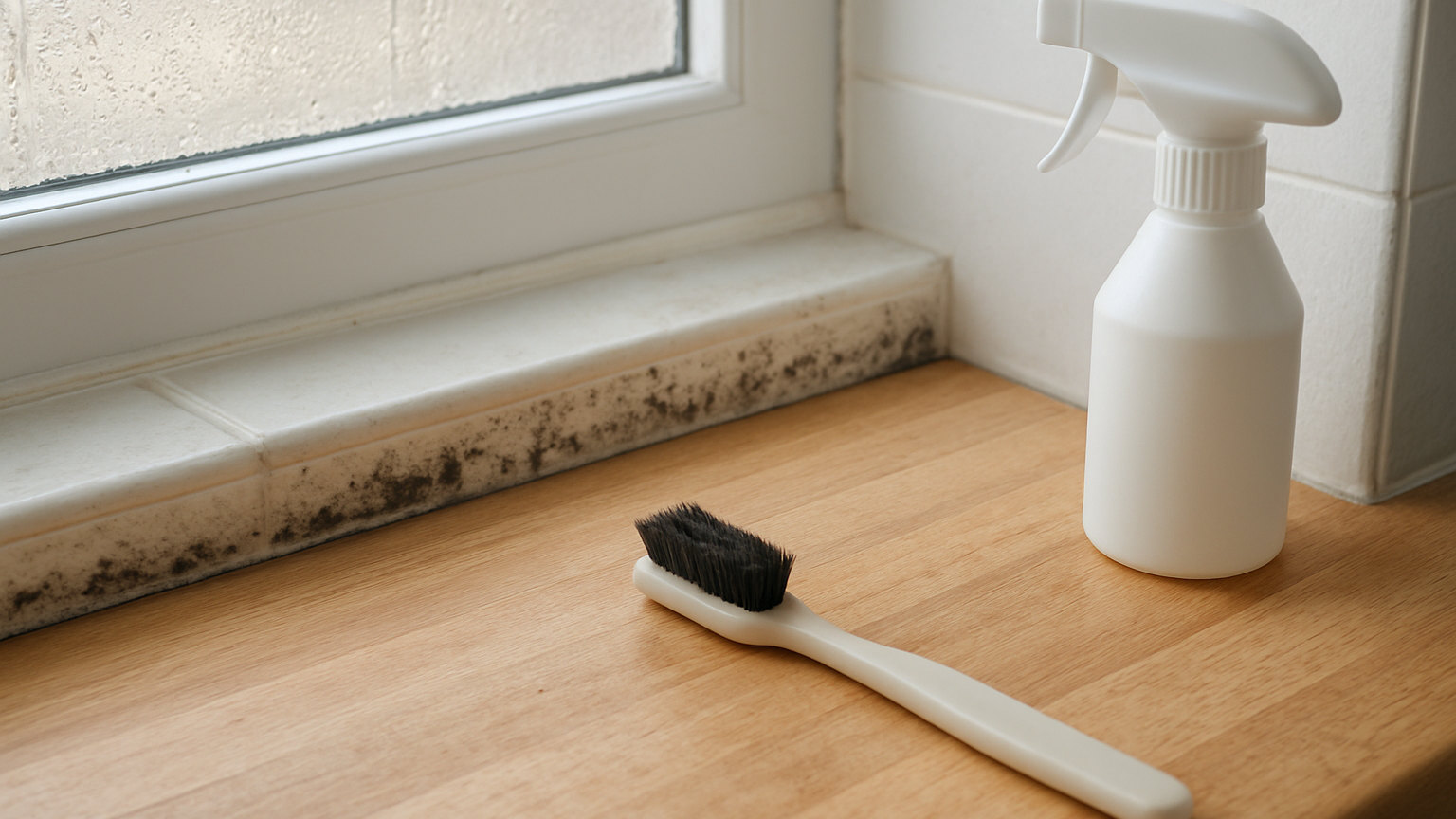
The commonly used threshold is around one square metre. Below that, careful cleaning with a fungicidal wash, gloves, a mask and good ventilation is reasonable for a healthy adult.
Above that, or where growth is behind plaster, inside a wall cavity or under flooring, professional remediation is the sensible route. So is any situation where the occupant falls into a higher risk group.
What precautions should you take when cleaning?
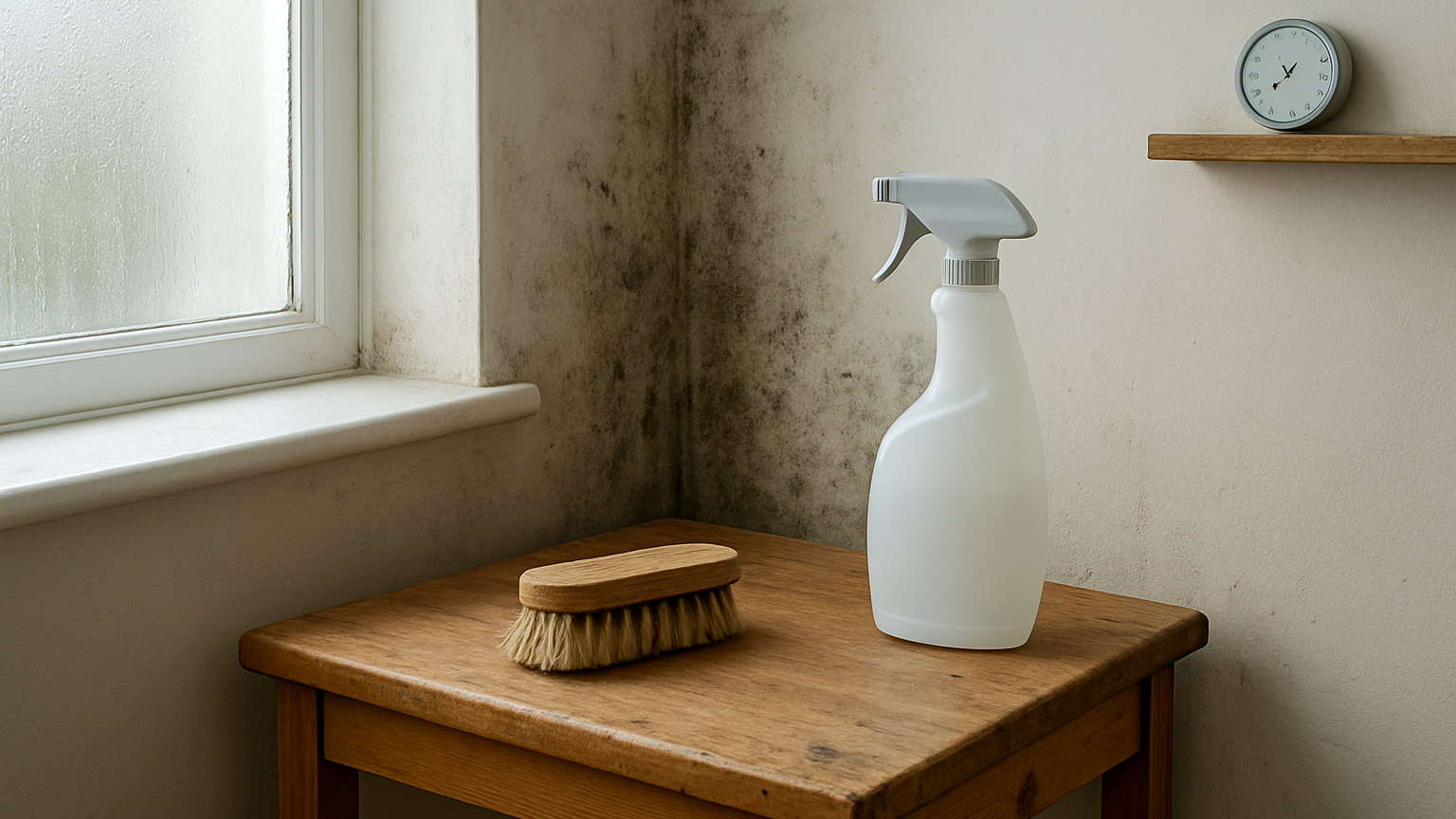
Ventilate the room and close the door to the rest of the house. Wear gloves and a mask rated for fine particles. Dampen the growth before wiping so spores do not become airborne. Use disposable cloths and bag them. Never dry brush or vacuum untreated growth.
Anyone in a higher risk group should not do the work themselves.
What if you rent?
Report it to the landlord in writing, with photographs and dates, and keep a record. Landlords have legal obligations regarding damp and mould in England, Wales, Scotland and Northern Ireland, and those obligations have been strengthened recently.
If a landlord does not act, the local authority environmental health department can assess the property and require works. Tenants should not be blamed for condensation caused by a building that cannot be adequately heated or ventilated.
What is the proportionate response?
Deal with growth promptly rather than living with it, fix the moisture rather than repeatedly cleaning, and take it more seriously where a vulnerable person is in the house. Neither panic nor indefinite tolerance is the right answer, and most domestic cases are resolved by ventilation, heating and a tube of fungicidal wash.
What about mould on food?
A separate question and worth stating briefly. Food safety guidance is that visibly mouldy soft foods should be discarded rather than having the affected part cut away, since the growth extends further than it appears. Hard cheeses and firm vegetables are the usual exceptions, where cutting well away from the mark is generally considered acceptable. Never scrape mould off and eat what is underneath on anything soft or liquid.