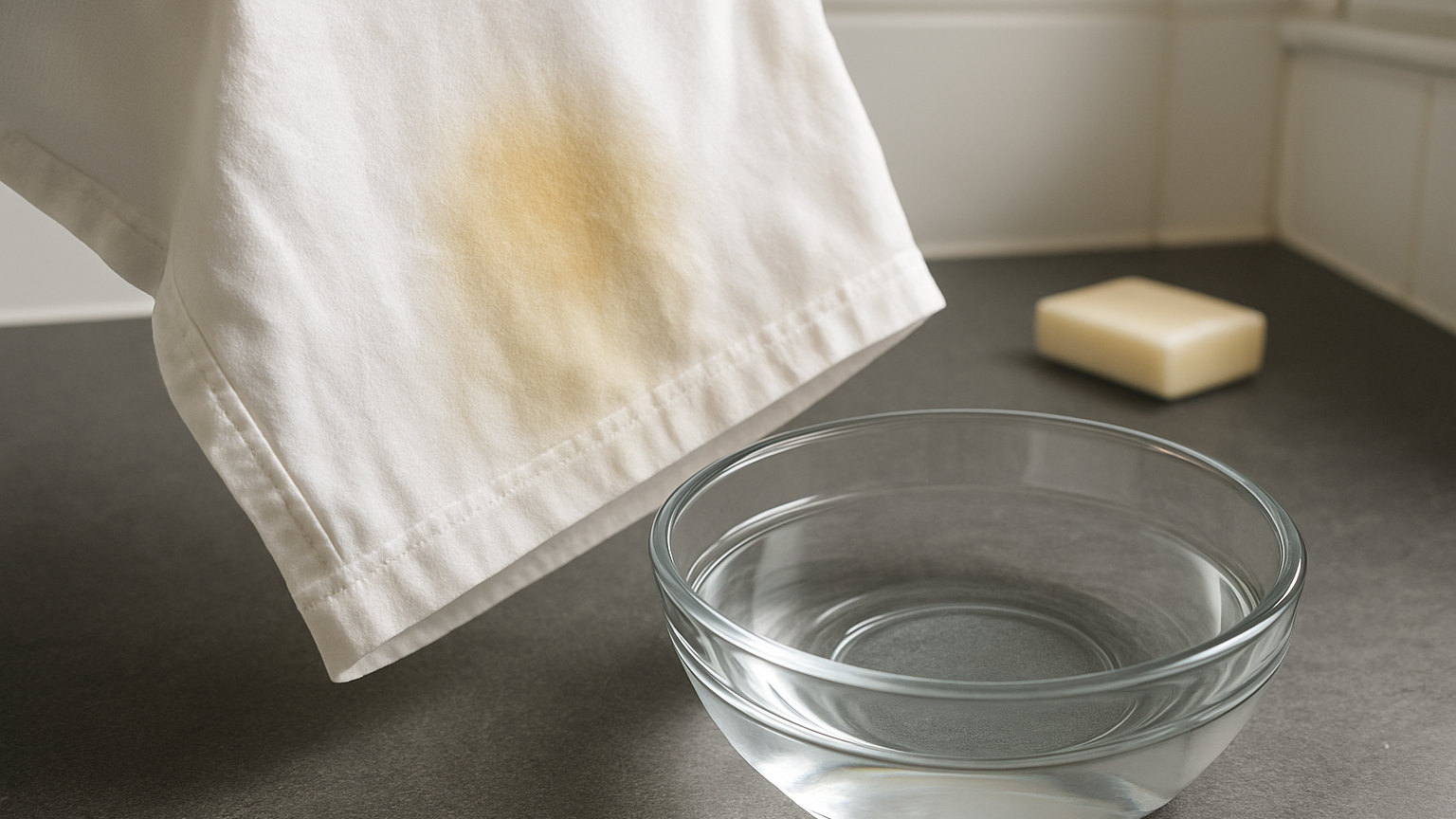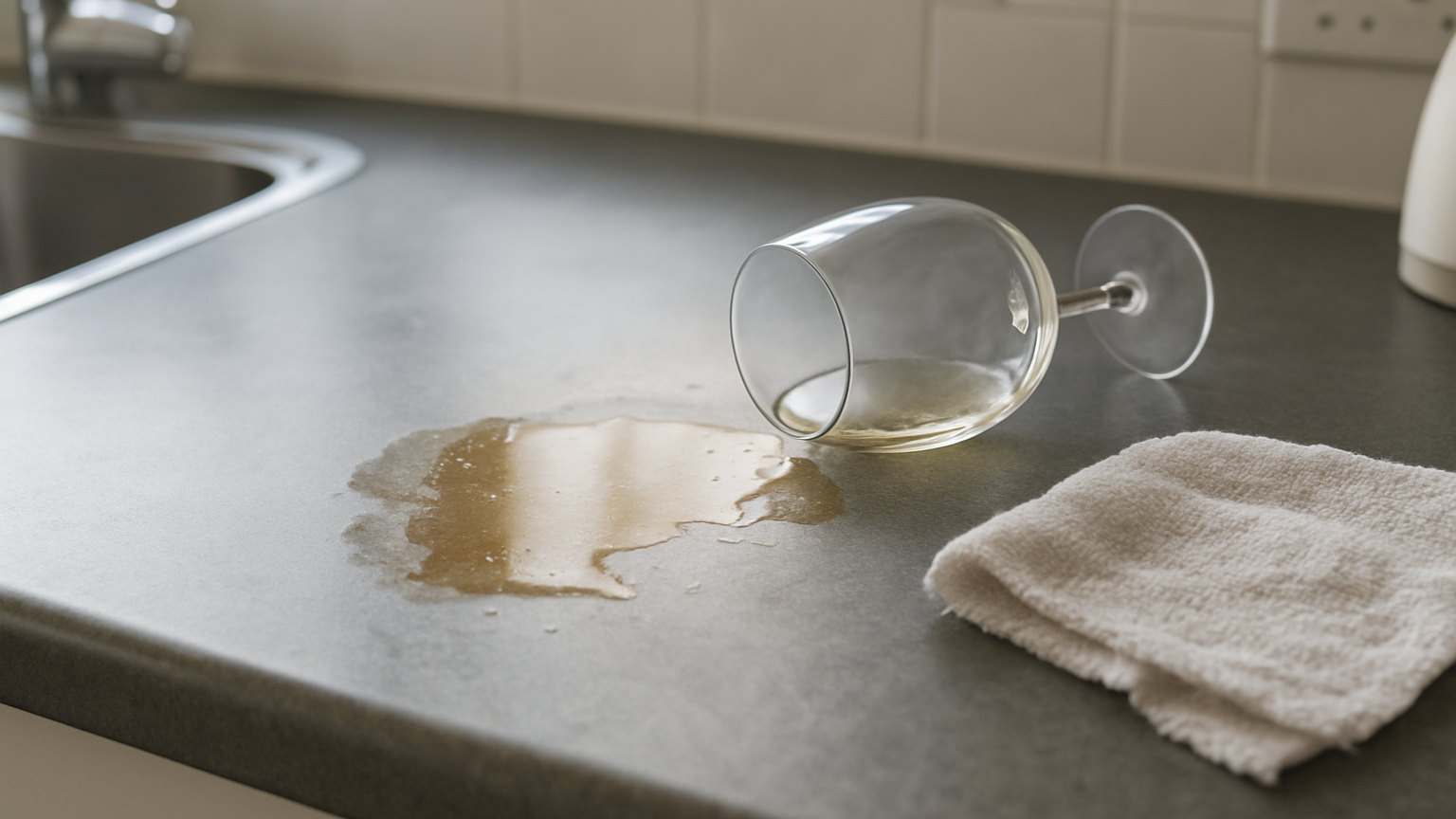
White wine appears to be harmless. It leaves almost no visible mark, so a spill gets blotted and forgotten. What it does leave is sugar, acid and colourless phenolic compounds, and over the following weeks those oxidise into a distinct brown patch. It is the classic invisible stain, and it is why tablecloths come out of storage marked in places nobody remembers.
Why does it turn brown later?
The compounds in white wine are colourless when fresh and darken as they react with oxygen, exactly as a cut apple browns. Sugar caramelises slowly at room temperature and rapidly with heat. Neither process needs anything to be added; it simply happens over time.
Storage in a dark cupboard does not prevent it. The reaction is with air rather than light.
What should you do with a fresh spill?
- Blot up the liquid with a clean cloth.
- Flush the area with cold water even though nothing is visible.
- Rub a little detergent into the area and rinse.
- Wash the item rather than putting it away, or soak it if it cannot be washed immediately.
- Never store the item untreated, however clean it looks.
Treating an invisible spill feels unnecessary and is the entire point. The residue is there whether or not you can see it.
How do you remove a mark that has already appeared?
Treat it as an oxidised sugar and tannin stain. Soak the item in cold water for half an hour to rehydrate, then soak overnight in warm water with a generous dose of oxygen bleach. Wash at the highest temperature the fabric allows and dry in sunlight while still damp.
Expect two rounds for a mark that has been developing for months. They usually come out completely on white cotton and linen.
Does prosecco behave differently?
It is worse, because sparkling wines generally contain more residual sugar than still whites. The carbonation makes no difference to the chemistry; the sugar does. A prosecco spill on a tablecloth is more likely to brown than a spill of dry white.
Sweet wines, dessert wines and anything with liqueur in it are worse again.
What about white wine on carpet?
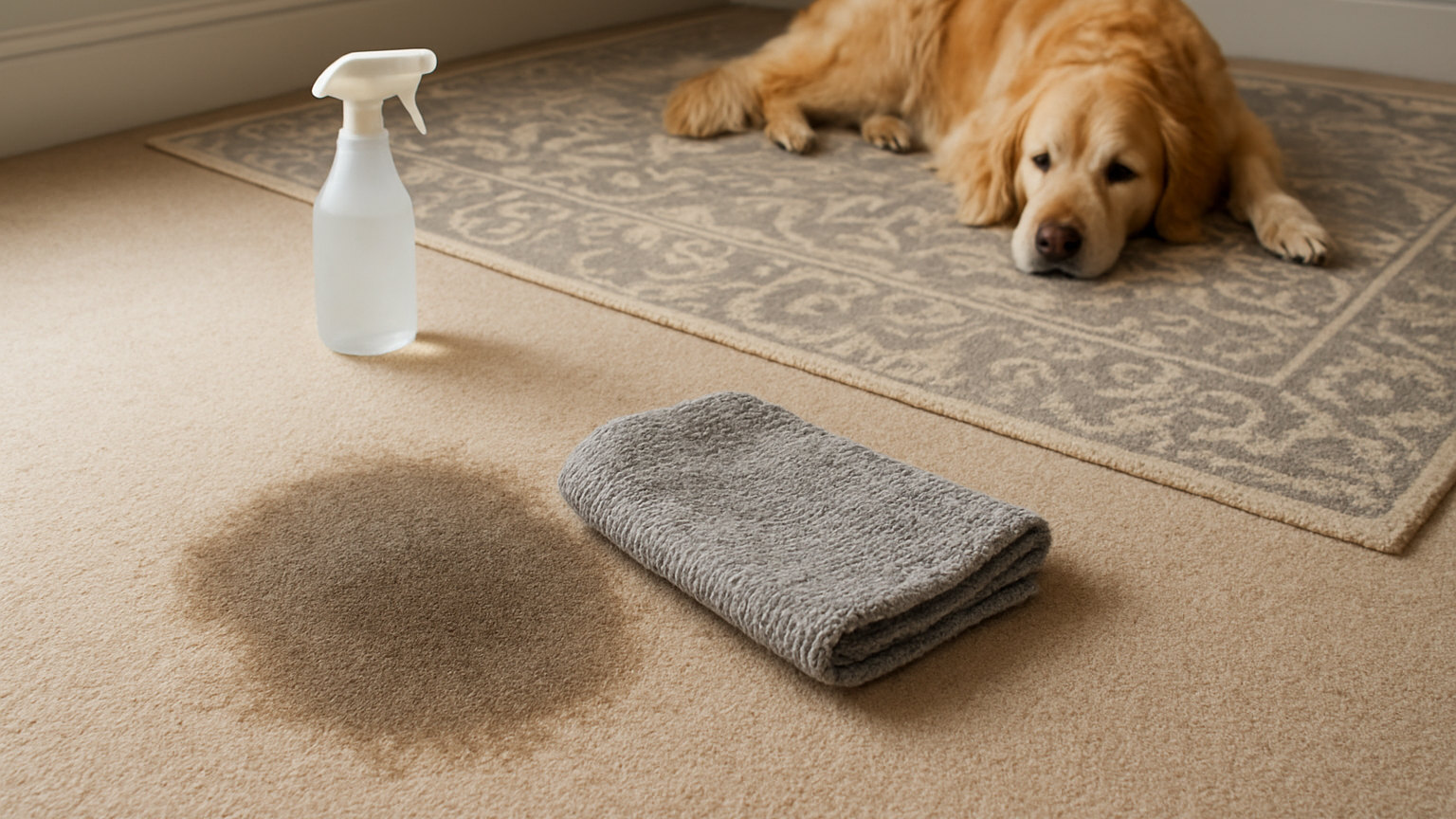
The sugar is the issue rather than the colour. A carpet spill that is blotted and left will develop a sticky patch that attracts dirt, and within weeks that area will look darker than the surrounding carpet.
Blot, then dab with a cloth dampened in warm water to dissolve the sugar, repeating until the area no longer feels tacky when dry. Rinse by blotting with clean water and extract the moisture with a dry towel under weight.
Does white wine remove red wine?
No, and it is a persistent myth. It dilutes a red wine spill, which any cold liquid does, and it adds sugar and acid that then have to be removed. Cold water does the same job and leaves nothing behind.
What else leaves an invisible stain?
- Apple and pear juice, which are almost colourless and heavy in sugar.
- Clear spirits and mixers, particularly anything with tonic or lemonade.
- Sugar syrup and honey, which caramelise readily.
- Perspiration, which yellows in storage.
- Body lotion and sun cream, which oxidise into yellow marks.
All of them share the same characteristic: nothing visible at the time and a clear mark months later.
What is the practical rule?
Wash anything that has been spilled on, regardless of whether you can see a mark, and never put table linen away untreated after a meal. An oxygen bleach soak before storage costs an evening and prevents the whole problem.
What about spills on wood and stone?
The same principle applies to porous surfaces. White wine is acidic enough to etch marble and limestone within minutes, leaving a dull patch that cleaning will not fix, and the sugar left on an unsealed wooden table will darken over time. Wipe immediately with a damp cloth rather than assuming a colourless spill is harmless.