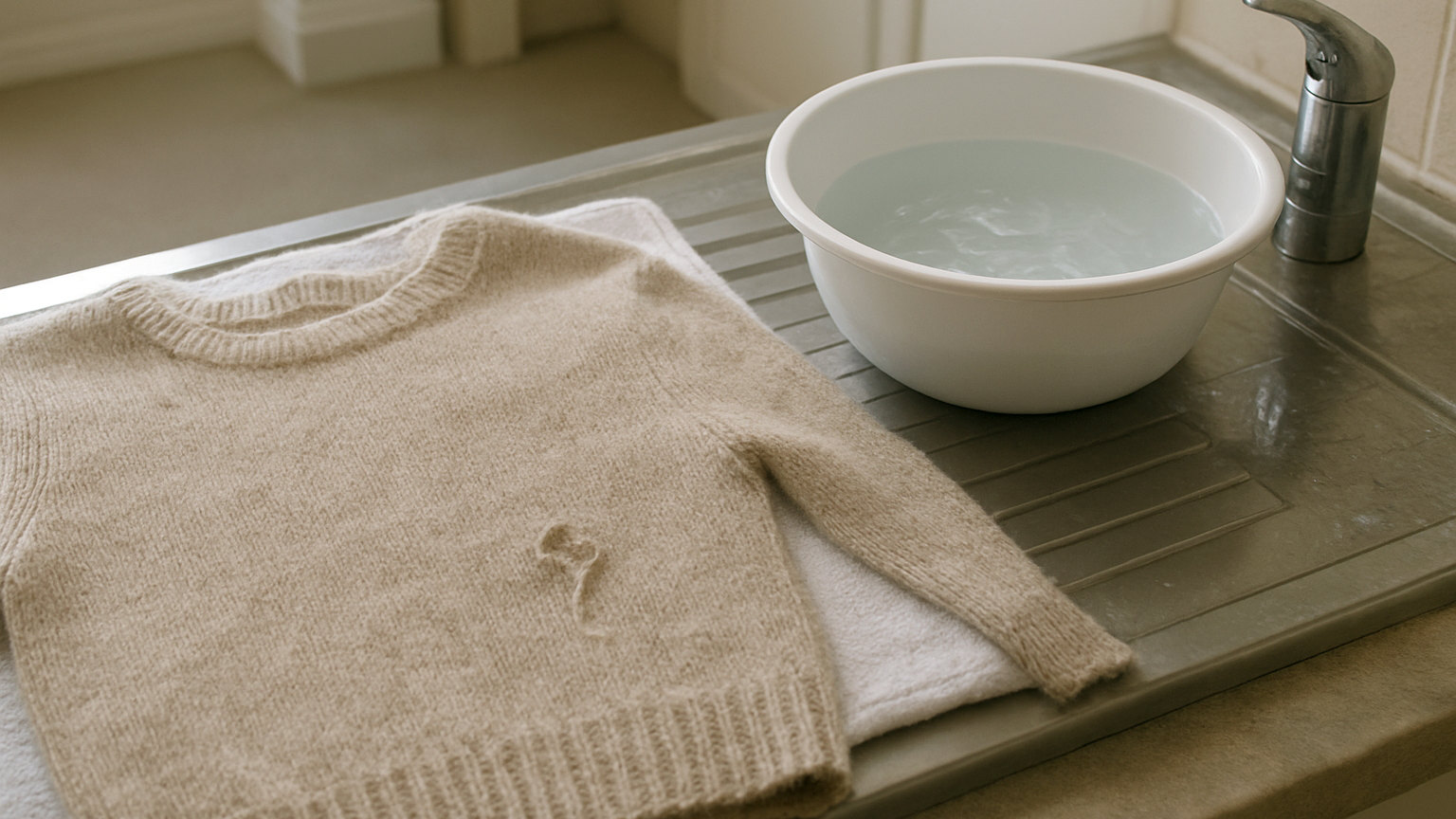
Bobbling, or pilling, is short fibre ends working loose from the yarn and tangling together into small balls. It is caused by friction, which is why it appears first under the arms, along the sides, at the cuffs and wherever a bag strap or a seatbelt rubs. It is not a sign that a garment has been washed badly.
Does it mean poor quality?
Not necessarily, and the relationship is more complicated than the assumption. Yarns spun from short fibres pill more than those spun from long ones, so a cheap cashmere with short fibres will pill heavily while a good lambswool may not. But even excellent cashmere pills in the first few wears as surplus short fibres work their way out, and then settles down.
Loosely spun yarn pills more than tightly spun. Blends of natural and synthetic fibres often pill worst, because the synthetic fibres are strong enough to hold the pill on the surface rather than letting it break away.
Which items pill most?
- Cashmere and merino, especially in the first few wears.
- Wool and acrylic blends, where the acrylic anchors the pills.
- Soft brushed fabrics such as fleece and loopback jersey.
- Anything worn under a coat, where the friction is constant.
- Areas that rub against a bag, a desk or a car seat.
How do you reduce it?
- Turn garments inside out before washing, so the abrasion happens on the inner face.
- Wash on a gentle cycle at a low temperature, with minimal agitation.
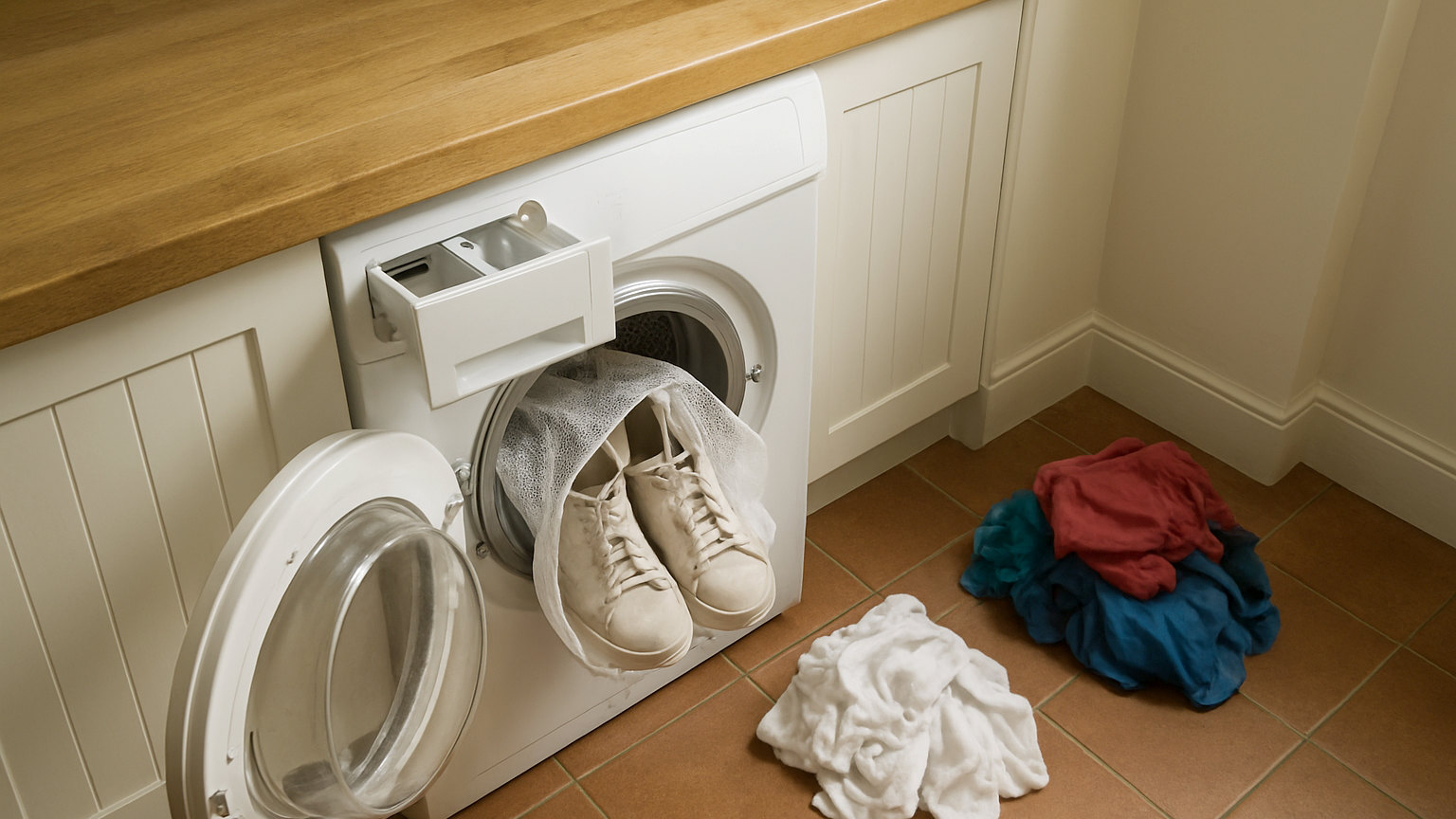
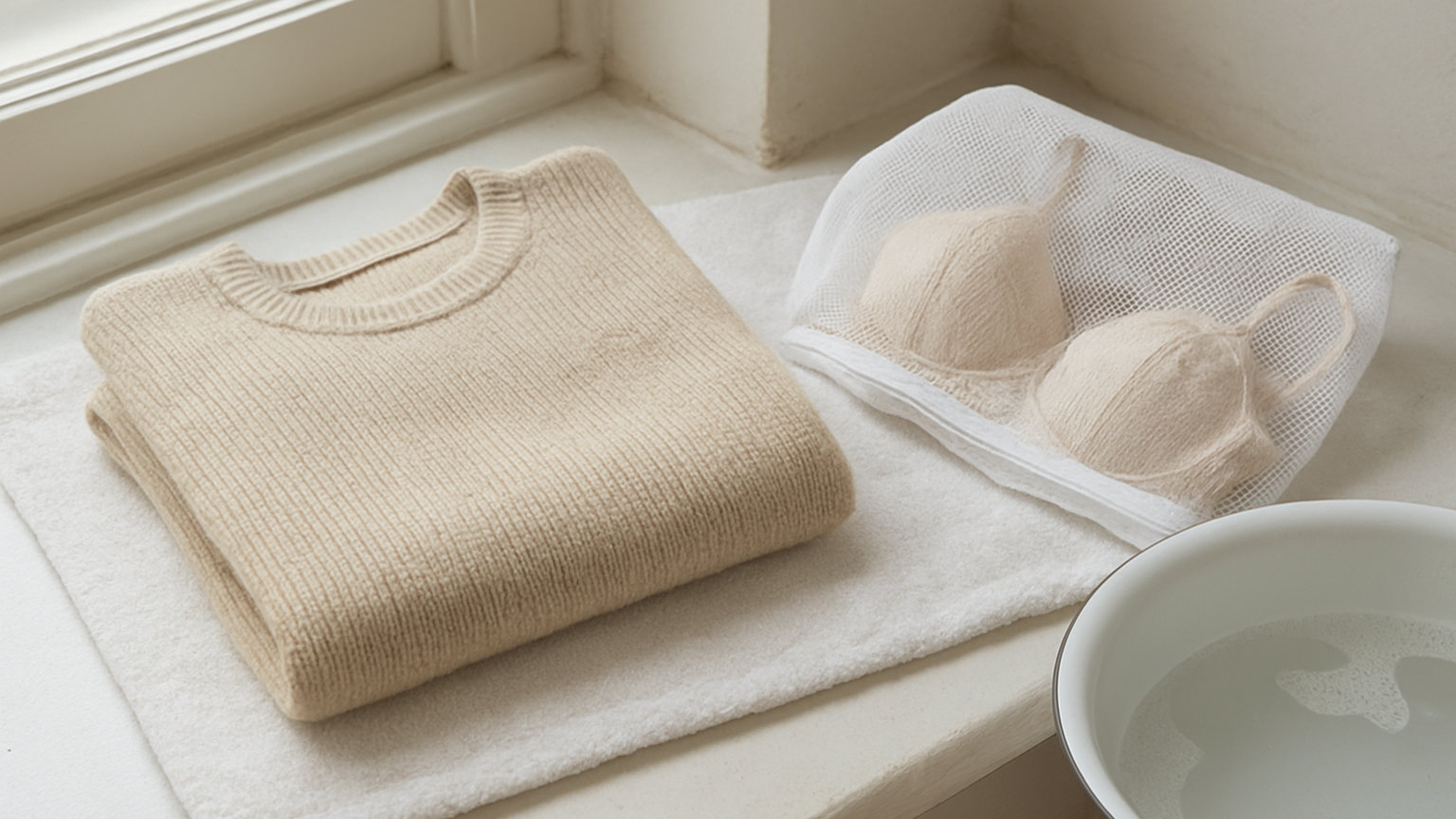
- Use a mesh bag so the garment is not rubbing against zips and denim.
- Do not overload the drum. Crowded loads increase friction considerably.
- Use a low spin, since the spin presses fabric hard against the drum.
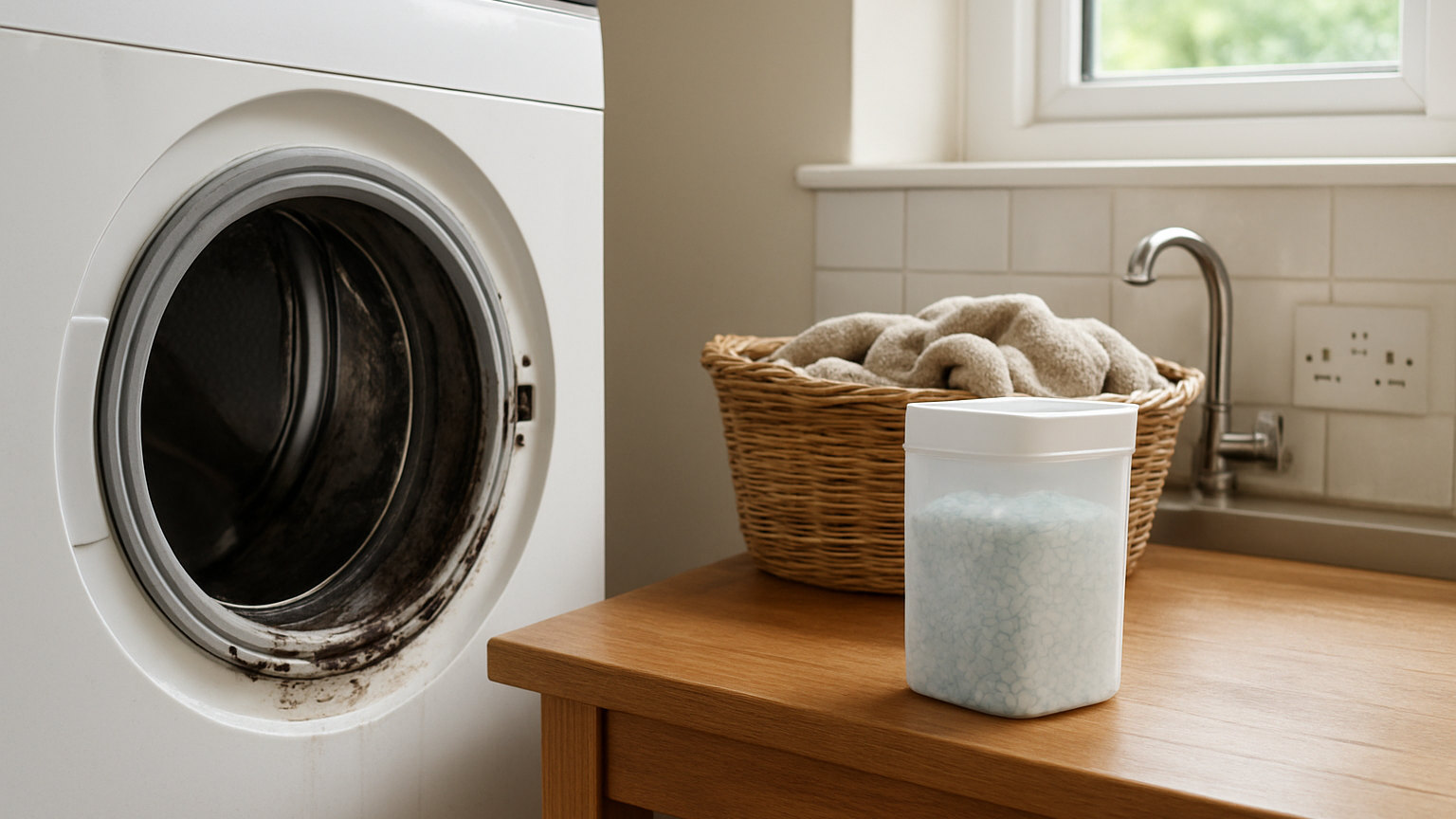
- Skip fabric conditioner on knitwear, which coats and softens the surface and makes fibres more likely to work loose.
- Wash less often, airing between wears instead.
- Dry flat rather than tumble drying, since tumbling is pure friction.
How should pills be removed?
With a proper tool rather than by picking, which pulls the yarn and eventually makes holes. A battery powered fabric shaver is the quickest and safest option for most knitwear. Lay the garment flat on a hard surface, keep it taut, and move the shaver in small circles without pressing.
A fabric comb or a pumice style sweater stone works well on chunkier knits and gives more control. A disposable razor can be used carefully on a flat surface, and it is the method most likely to cut the fabric if you rush.
Does removing them make it worse?
No, and this is a common misconception. The pills are made of fibres that were already loose and were going to come out regardless. Removing them neatly leaves a smoother surface, and most garments pill progressively less after the first few rounds because the surplus short fibres have gone.
A cashmere jumper usually looks better in its second year than its first, provided it has been de-pilled a few times.
When is the fabric actually damaged?
When shaving leaves thin patches or when holes appear, which means too much has been taken off or the tool was pressed too hard. Work in one direction, keep the fabric flat and taut, and stop before the surface looks sparse.
Can pilling be prevented entirely?
No. Any yarn with fibre ends on the surface will pill where it is rubbed, and that includes the most expensive knitwear available. Tightly spun, long staple yarns and worsted wool pill least, and if pilling genuinely bothers you it is worth looking for those when buying rather than trying to manage it afterwards.
What about non-wool fabrics?
Polyester fleece, cotton jersey and bedding all pill by the same mechanism. The same tools and the same washing precautions apply. Cotton bed sheets that pill are usually low thread count or a cotton blend, and no amount of careful washing will stop it.