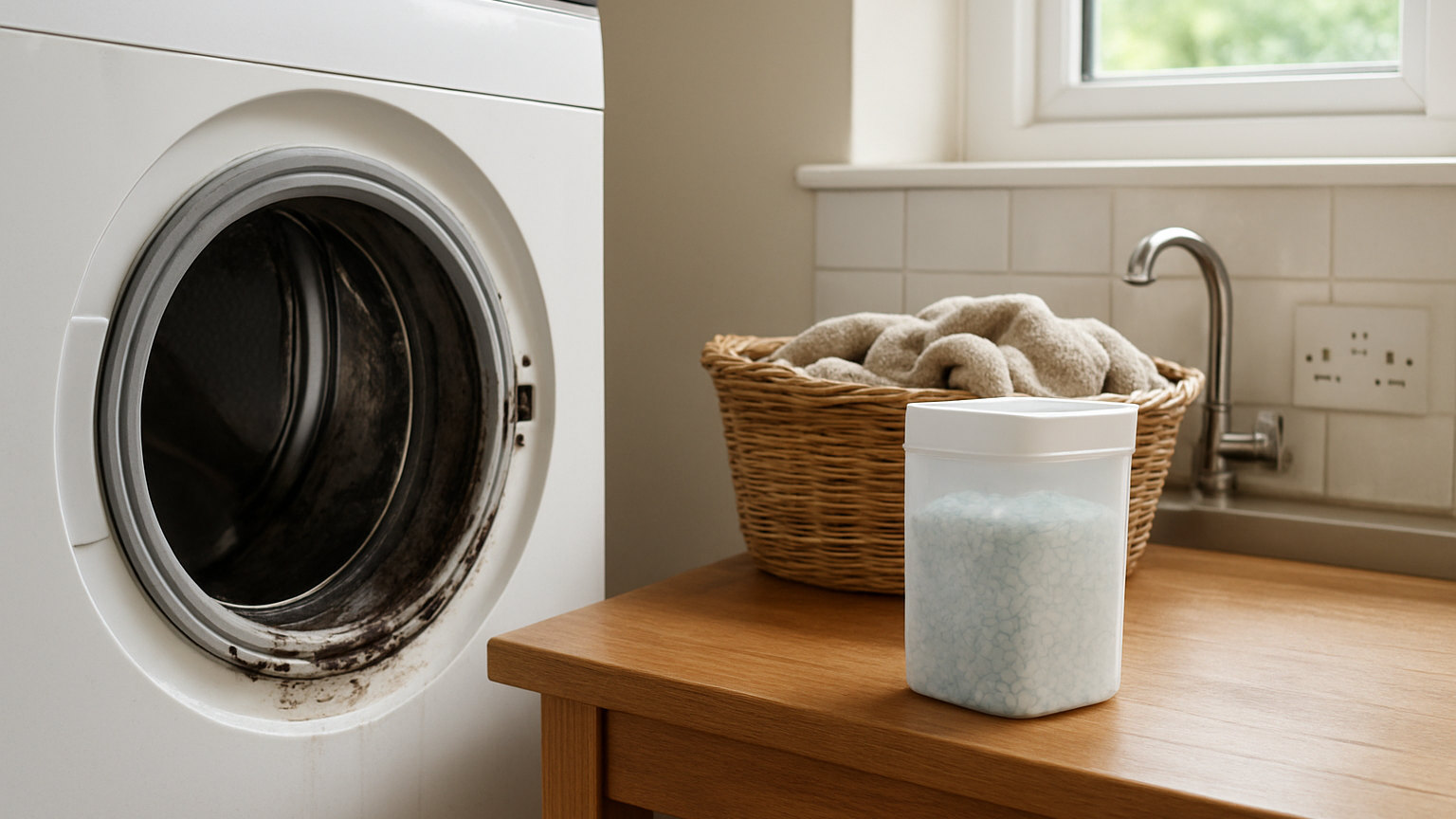
Scent boosters are small beads added to the drum that dissolve during the wash and deposit fragrance onto the fabric, where it releases slowly over days. They do exactly that and nothing else. They contain no detergent, no cleaning agents and no deodorising chemistry, which is the key thing to understand before deciding whether to use them.
Do they clean anything?
No. They are a fragrance product, and they are used alongside detergent rather than instead of part of it. Any impression that clothes are cleaner is the smell doing the work of persuasion.
That matters because the most common way they are used is to cover a laundry smell, which means the actual cause goes unaddressed.
Why is masking a problem?
Because a persistent laundry smell has a cause, and the cause keeps working. A machine with biofilm behind the seal, detergent residue in the fabric, or washing that takes two days to dry will keep producing odour, and adding fragrance simply layers one smell over another.
The combination of a stale smell and a strong fragrance is generally less pleasant than either alone, and people become accustomed to it without noticing.
When are they reasonable to use?
On laundry that is already genuinely clean, in a household that likes a strong scent and has nobody sensitive to fragrance. On bedding, towels and everyday clothing, where the fragrance is the point rather than a cover.
They are also useful for anything stored for a season, where a light scent is preferable to the flat smell of a cupboard, though airing achieves that too.
What are the drawbacks?
- Cost, which is significant per wash relative to what they deliver.
- Skin sensitivity, since fragrance is among the most common causes of contact irritation and the product is designed to remain on the fabric.
- Residue, which adds to the film that builds in the machine and behind the door seal.
- Technical fabrics, where any coating interferes with wicking.
- Masking, as above.
Should they be used on everything?
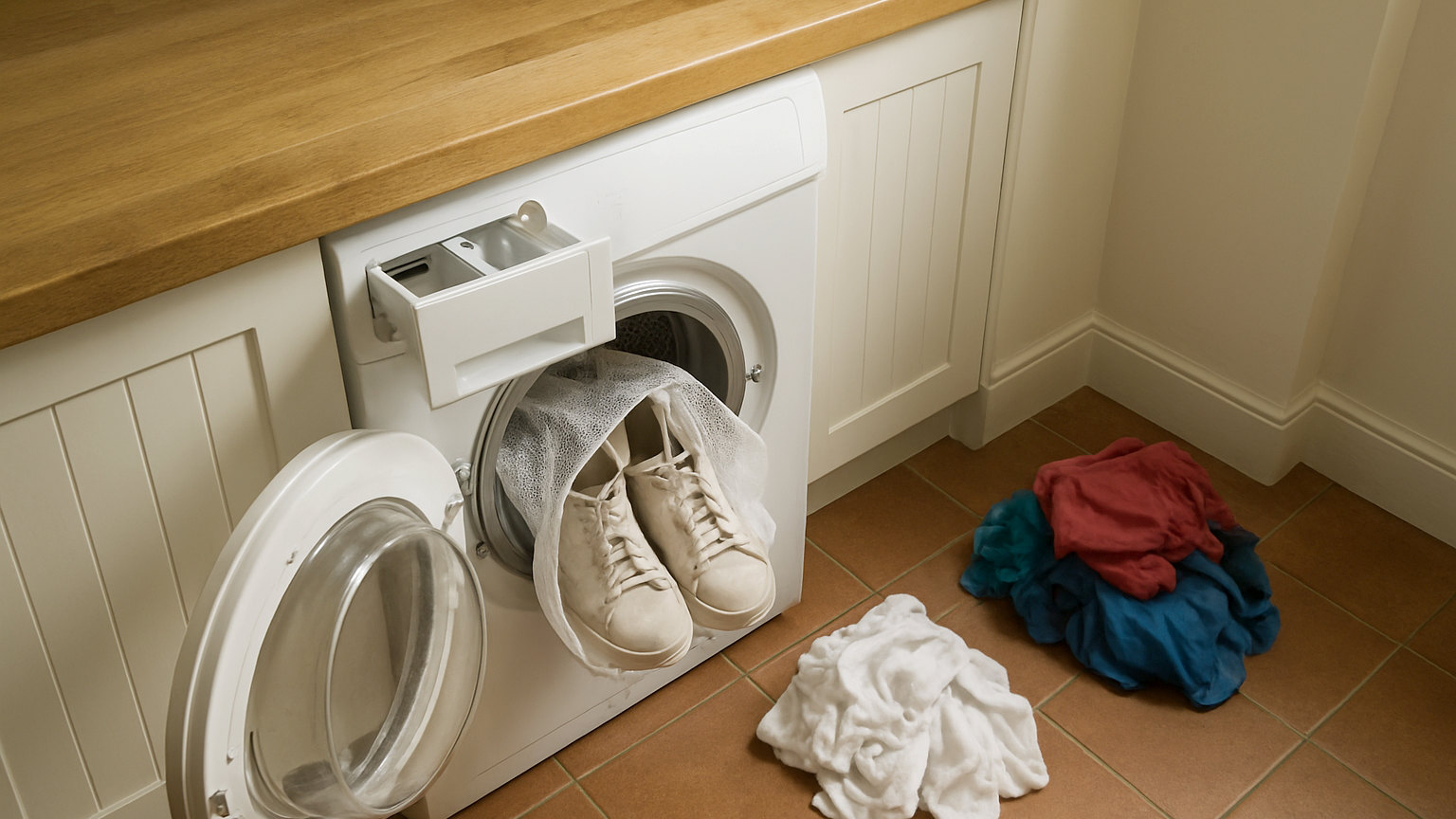
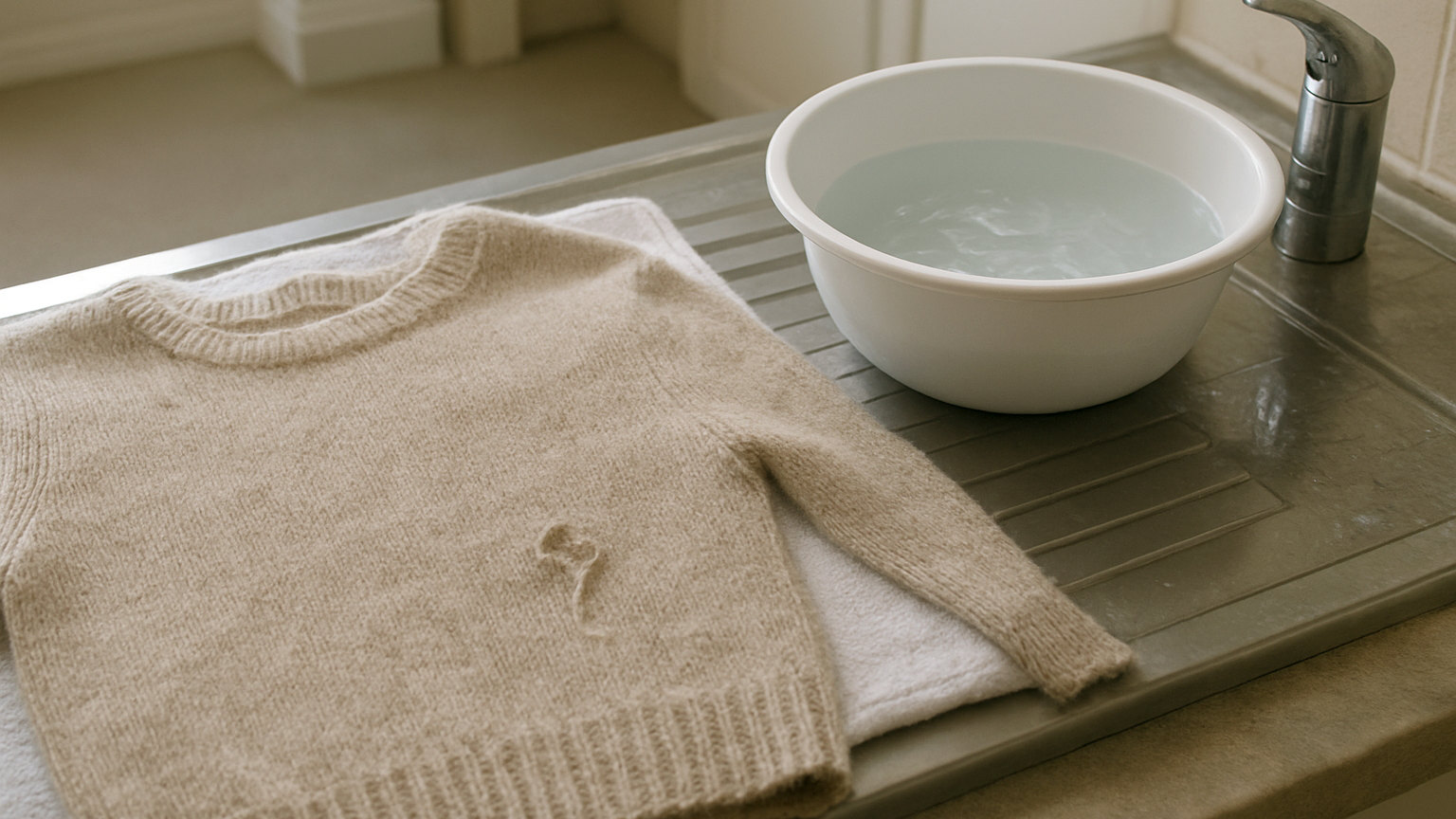
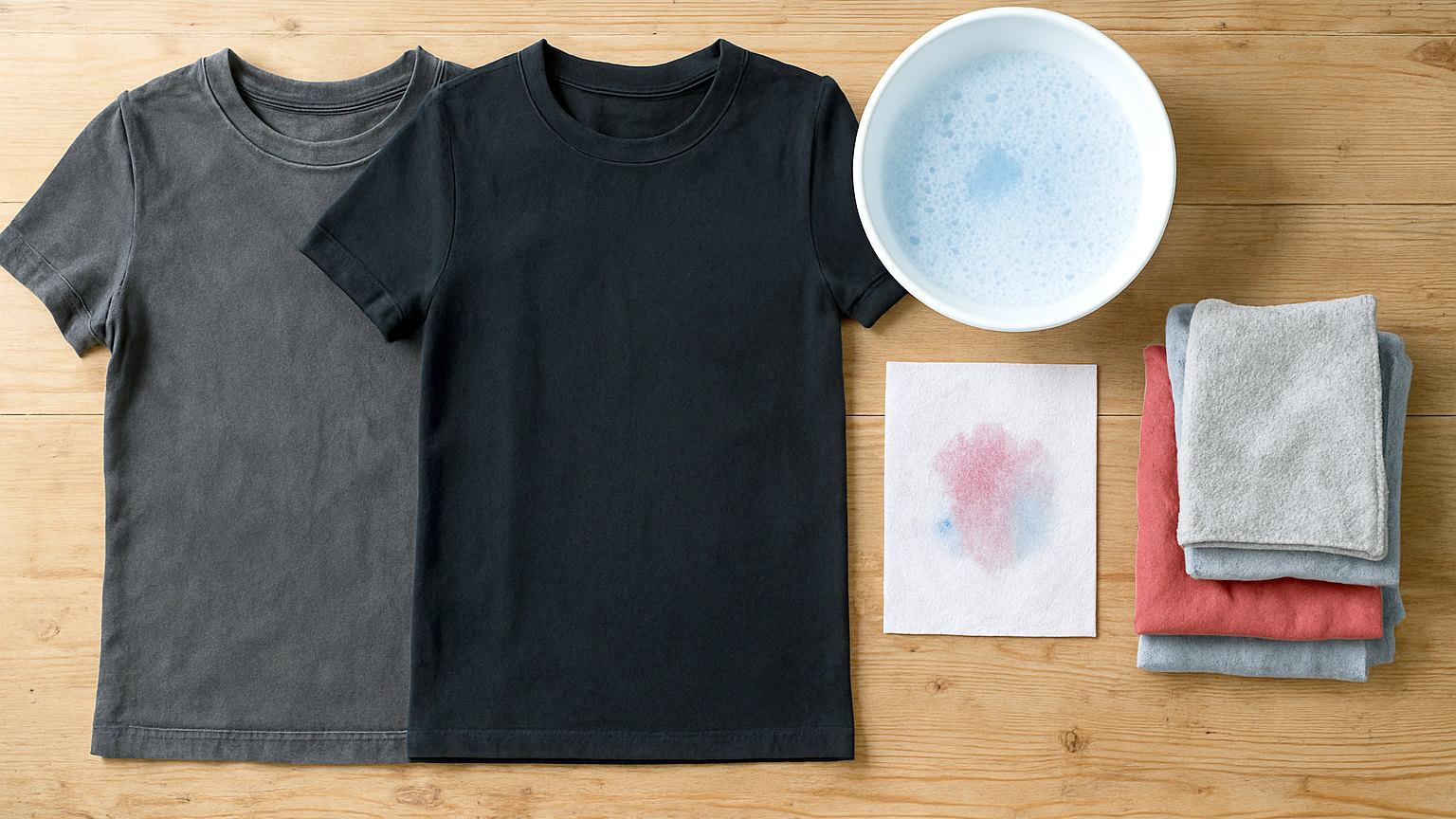
No. Keep them away from towels, where any coating reduces absorbency, and away from sportswear and technical fabrics, where they seal odour in rather than letting it wash out. Avoid them on babywear and on anything worn by someone with eczema or sensitive skin.
Microfibre cloths and cleaning textiles should never see them, for the same reason they should never see fabric conditioner.
How do they differ from fabric conditioner?
Conditioner softens by coating the fibres and carries fragrance as a secondary feature. Scent boosters carry fragrance only and do not soften. Using both means two fragrance sources and two lots of residue, which is a common combination and rarely necessary.
If the aim is scent, a booster alone is the more targeted choice. If the aim is softness without residue, vinegar in the rinse does it better than either.
What is the alternative if you want fresh smelling laundry?
Dry it outdoors. Line dried washing has a distinctive fresh smell produced by the interaction of sunlight and air with the fabric, and it costs nothing. Beyond that, a clean machine, the correct detergent dose and fast drying produce laundry that smells of nothing at all, which many people find preferable.
Laundry that genuinely has no smell is a better outcome than laundry with a strong one, and it is the sign that everything upstream is working.
What is the honest verdict?
They do what they claim, they are not necessary, and they are best used deliberately rather than by default. If laundry smells wrong without them, the booster is the wrong solution and something else needs attention first.
Do they affect resale or borrowed items?
Worth thinking about. Strongly scented laundry transfers its fragrance to anything stored next to it, and secondhand clothing sold with a heavy scent is a common complaint from buyers who are sensitive to it. If you sell or pass on clothing regularly, washing it once in an unscented detergent before it leaves is a small courtesy.