Lace and fine knits fail in two specific ways. The open structure catches on anything with a hook, a zip or a rough edge, and once a thread pulls the damage spreads. And when saturated they become heavy relative to their own strength, so lifting one by a corner stretches it permanently.
What is the safest washing method?
Hand washing for anything valuable, and a mesh bag on a delicates cycle for everything else.
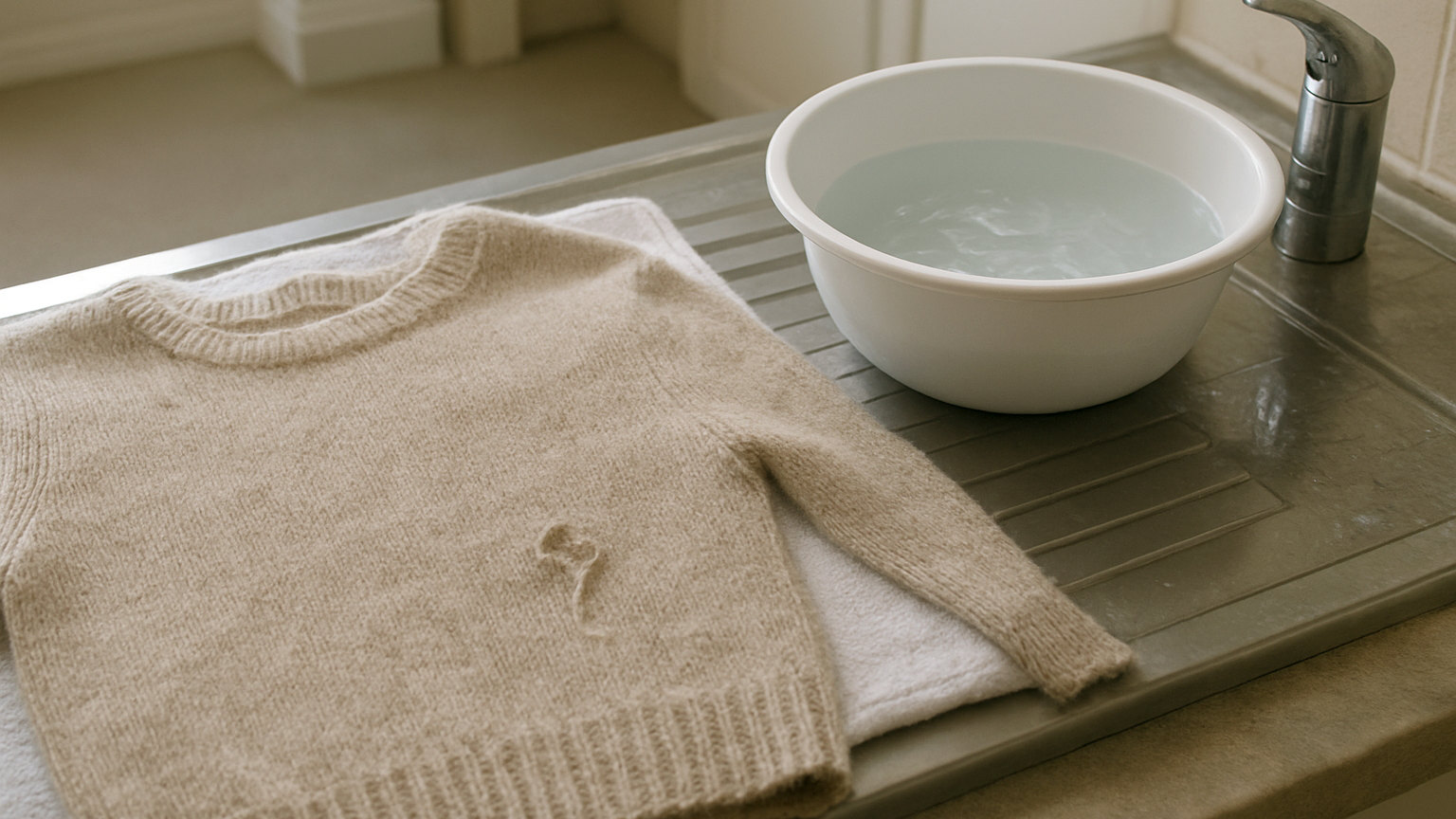
- Fill a basin with cool water and dissolve a small amount of delicates detergent completely.
- Submerge the item and let it soak for five to ten minutes.
- Squeeze the water gently through the fabric. Do not rub, scrub or agitate.
- Rinse in water at the same temperature until no suds remain.
- Support the whole item with both hands as you lift it out.
- Press the water out against the basin, then roll in a towel and press.
Why does support matter so much?
Because an open structure has very little to hold it together, and water is heavy. A lace top lifted by one shoulder while soaking wet will stretch at that point and stay stretched. Always gather the garment into both hands before lifting, so the weight is spread rather than hanging from a single place.
The same applies when moving it between towels during drying.
Can they go in a machine?
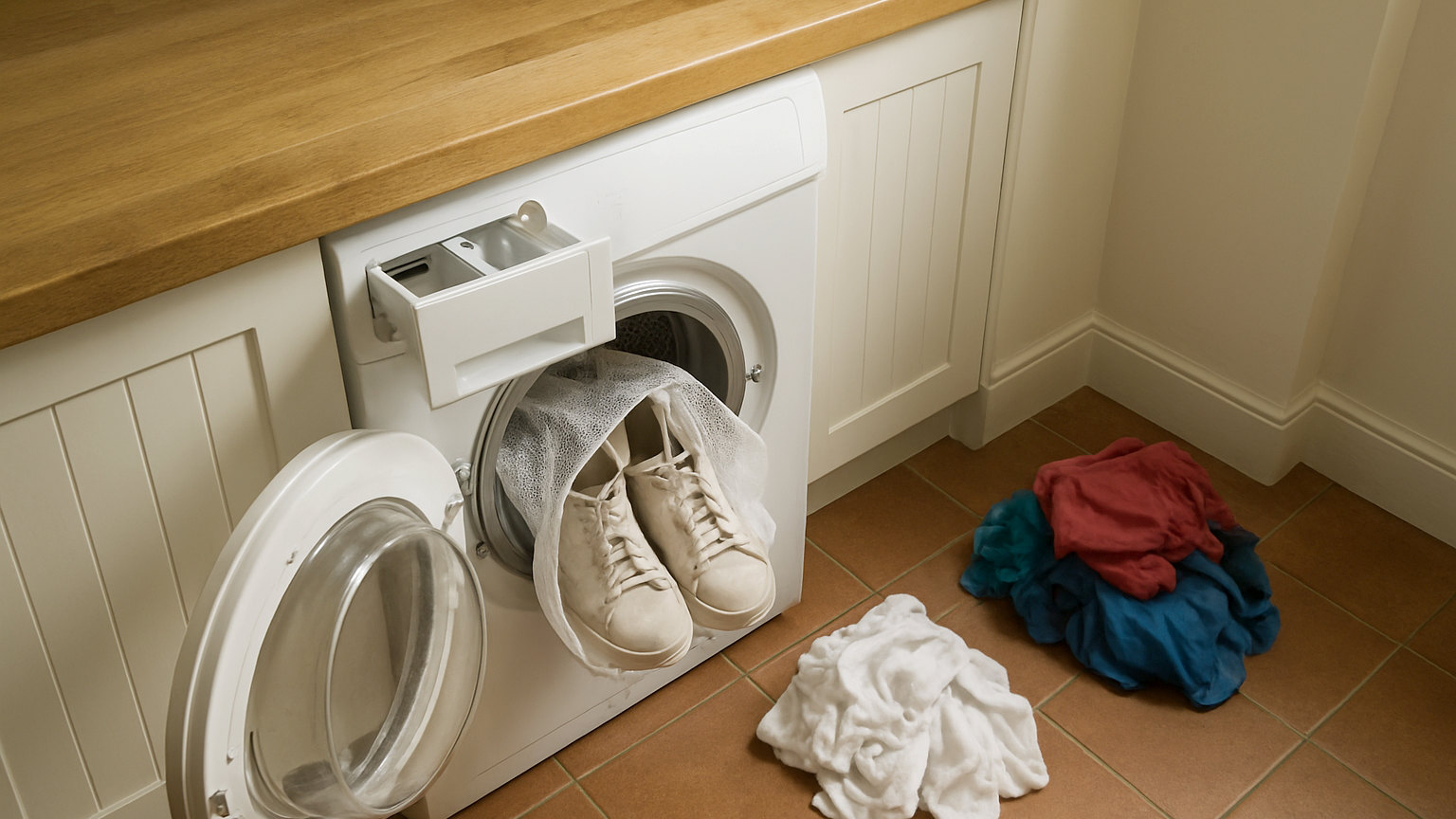
Many can, inside a mesh bag, on a delicates or hand wash cycle at 30 degrees or cooler, with a low spin or none at all. The bag is essential rather than optional here, since lace will catch on the drum paddles and on anything else in the load.
Wash them with other delicates only. A single pair of jeans in the same load can destroy a lace garment through abrasion alone.
How should they be dried?
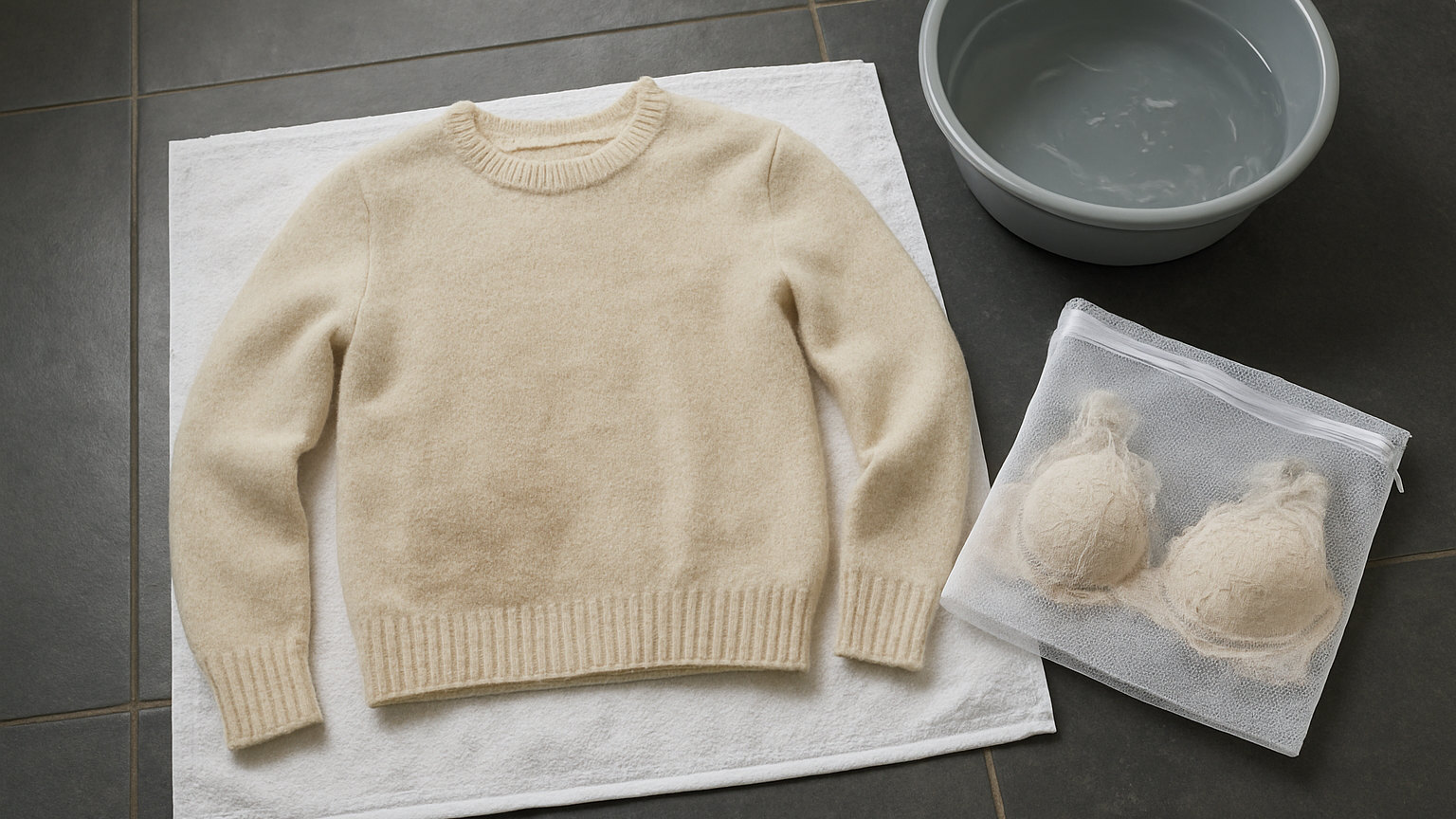
Flat, on a towel or a mesh rack, reshaped by hand while damp. Hanging a wet fine knit stretches the shoulders and lengthens the body, and the distortion is often permanent.
Keep them away from direct sunlight and heat. Turn the item over halfway through drying and replace the towel underneath if it has become damp. Expect a day for anything substantial.
How do you deal with a snag?
Never cut it. A cut thread will unravel and the hole grows. Instead, work the pulled loop back into the fabric from the reverse side using a blunt needle or a crochet hook, easing the surrounding stitches to redistribute the slack.
For a pull that will not go back, pass the loop through to the inside of the garment with a needle and secure it there with a small stitch. It will be invisible from the outside.
What causes most of the snags?
Rings, watches, bracelets and long nails when dressing. Velcro on other garments in the wash. Zips and hooks in a mixed load. Rough wooden hangers and splintered drawer edges. And handbag straps, which abrade a fine knit at the shoulder over time.
Taking rings off before putting on a fine knit sounds fussy and prevents a good proportion of the damage.
How should they be stored?
Folded flat in a drawer, never on a hanger. A fine knit hung for months stretches under its own weight, particularly at the shoulders, and develops hanger bumps that will not press out.
Keep them away from anything with hooks or rough edges, and use tissue between layers for anything particularly fine. A closed drawer or box also protects against moths, which favour natural fibres.
How often do they need washing?
Less often than they usually get washed. A fine knit worn over another layer can go several wears without any trouble, and airing it overnight near an open window deals with most of the reason anyone would wash it. Since every wash is a small risk for a fragile garment, spot cleaning a single mark is usually the better choice.