Chlorine bleach whitens cotton quickly and effectively, which is why it has been a laundry staple for generations. It also weakens the fibres with every use, cannot be used on most modern fabrics, and reacts with sweat and some detergents to produce the yellowing it is supposed to prevent. For most household laundry there is a better option.
What does chlorine bleach do to fabric?
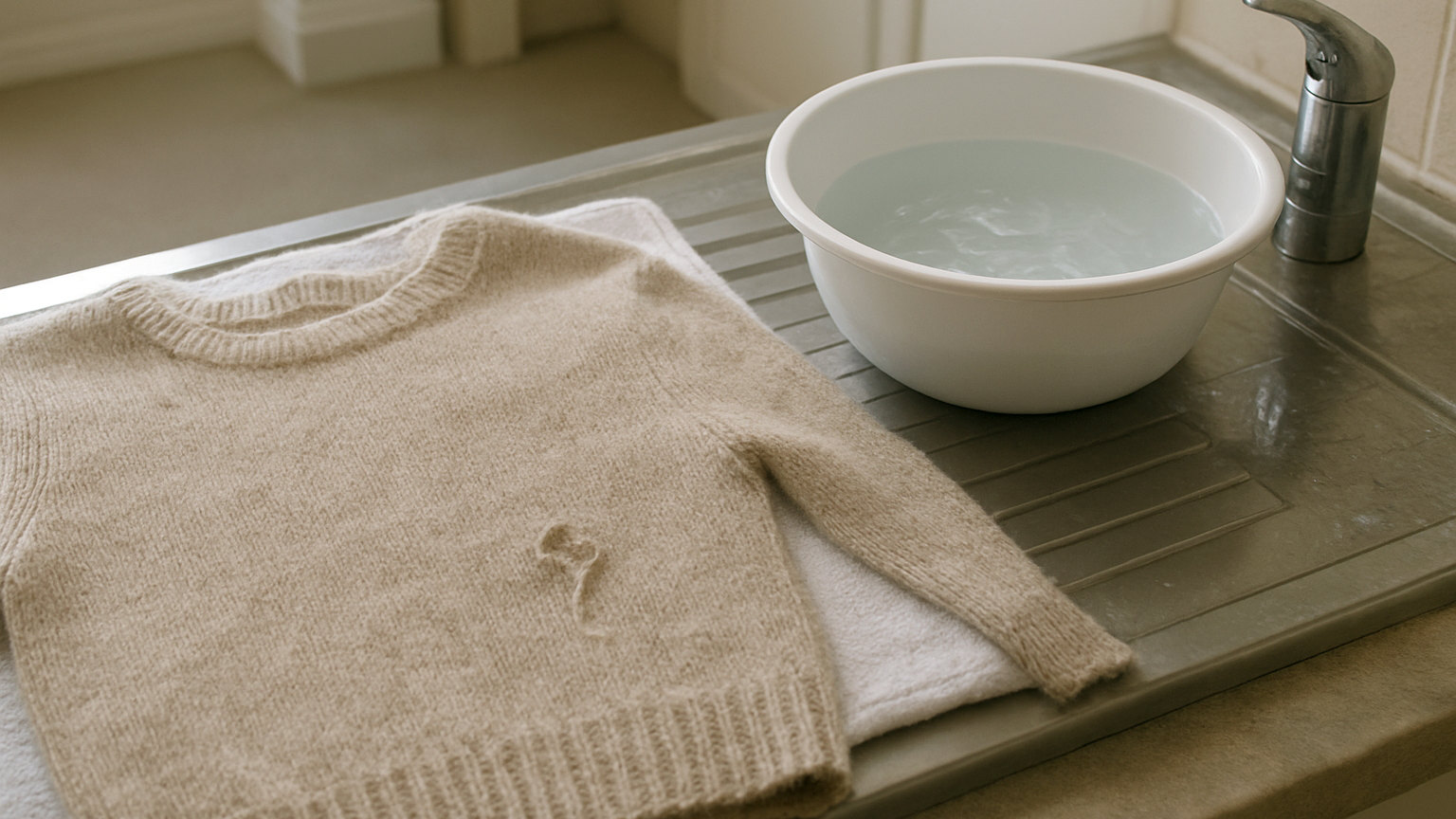
It oxidises the compounds that cause discolouration, which removes the stain. It also oxidises the cellulose in cotton itself, breaking down the fibre structure. The damage is cumulative and invisible at first, showing up eventually as thinning fabric, weak points at collars and cuffs, and holes that appear seemingly without cause.
A white shirt bleached with every wash will have a noticeably shorter life than an identical one washed with an oxygen based product.
Why does it sometimes cause yellowing?
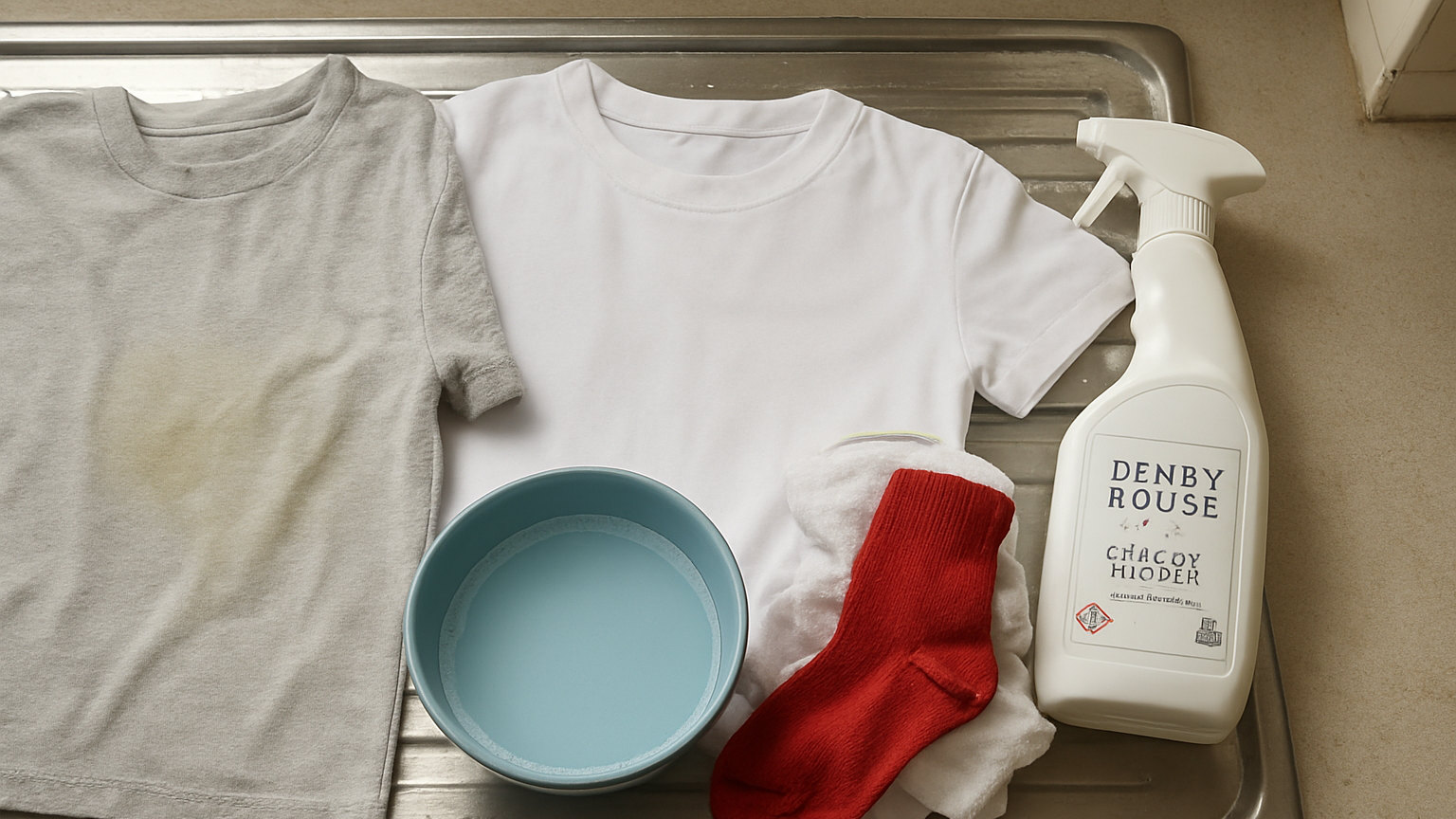
Because it reacts with the proteins in sweat and with the residues from antiperspirant to form yellow compounds. Applied to an underarm area that already has a build up, bleach frequently makes the mark darker and stiffer rather than lighter.
It can also react with certain optical brighteners in detergent, producing a yellow cast across a whole garment.
What should never be bleached?
- Anything containing elastane or spandex, which is most modern fitted clothing.
- Wool and silk, both protein fibres that bleach destroys.
- Coloured fabric of any kind, including whites with coloured trim or stitching.
- Anything flame resistant, where bleach removes the treatment.
- Most synthetic blends, which yellow rather than whiten.
- Anything already yellowed at the underarms.
What is the safer alternative?
Oxygen bleach, sold as a laundry booster or included in most powder detergents. It releases oxygen rather than chlorine, works more slowly, and is safe on coloured fabric and on most fibres. It does not weaken cotton in the way chlorine bleach does.
Used as an overnight soak in warm water, it lifts general greying and yellowing effectively. Used in every wash as part of a powder detergent, it prevents that dulling from developing in the first place.
When is chlorine bleach genuinely the right tool?
For disinfecting rather than whitening: cleaning cloths and tea towels, items used during illness, and pure white cotton that needs sanitising. Even then a 60 degree wash achieves much of the same result without the damage.
It is also occasionally the only thing that will shift a specific stain on pure white cotton, as a one off rather than a routine.
How should it be used if you do?
- Dilute it properly. Never pour it directly onto fabric, which causes holes.
- Add it to the water before the clothes go in, or use the bleach compartment of the drawer.
- Keep the contact time short rather than soaking for hours.
- Rinse thoroughly, with an extra rinse cycle.
- Ventilate the room.
- Never mix it with any other cleaning product, particularly anything acidic or containing ammonia.
What about the smell?
Residual chlorine smell on clothing means it has not been rinsed out properly, and that residue continues to damage the fibres while the garment sits in a wardrobe. An extra rinse deals with it, and a small amount of white vinegar in the rinse water neutralises what remains.
What is the sensible overall position?
Use a powder detergent containing oxygen bleach for routine white washing, an oxygen soak for anything that has dulled, sunlight for drying, and keep chlorine bleach for disinfection and genuine emergencies. That combination keeps whites white for years without the thinning fabric and yellow underarms that heavy bleach use produces.
How should it be stored?
Sealed, upright, out of direct sunlight and well away from anything acidic. Household bleach degrades over months and an old bottle is considerably weaker than a fresh one, which is why it sometimes appears to have stopped working. It must never be stored next to limescale remover or toilet cleaner, since an accidental spill of one into the other releases chlorine gas.