Homemade cleaning recipes range from genuinely excellent to entirely pointless, and the difference is not a matter of opinion. Cleaning is chemistry, and a recipe either contains something that acts on the soil or it does not.
Which homemade cleaners genuinely work?
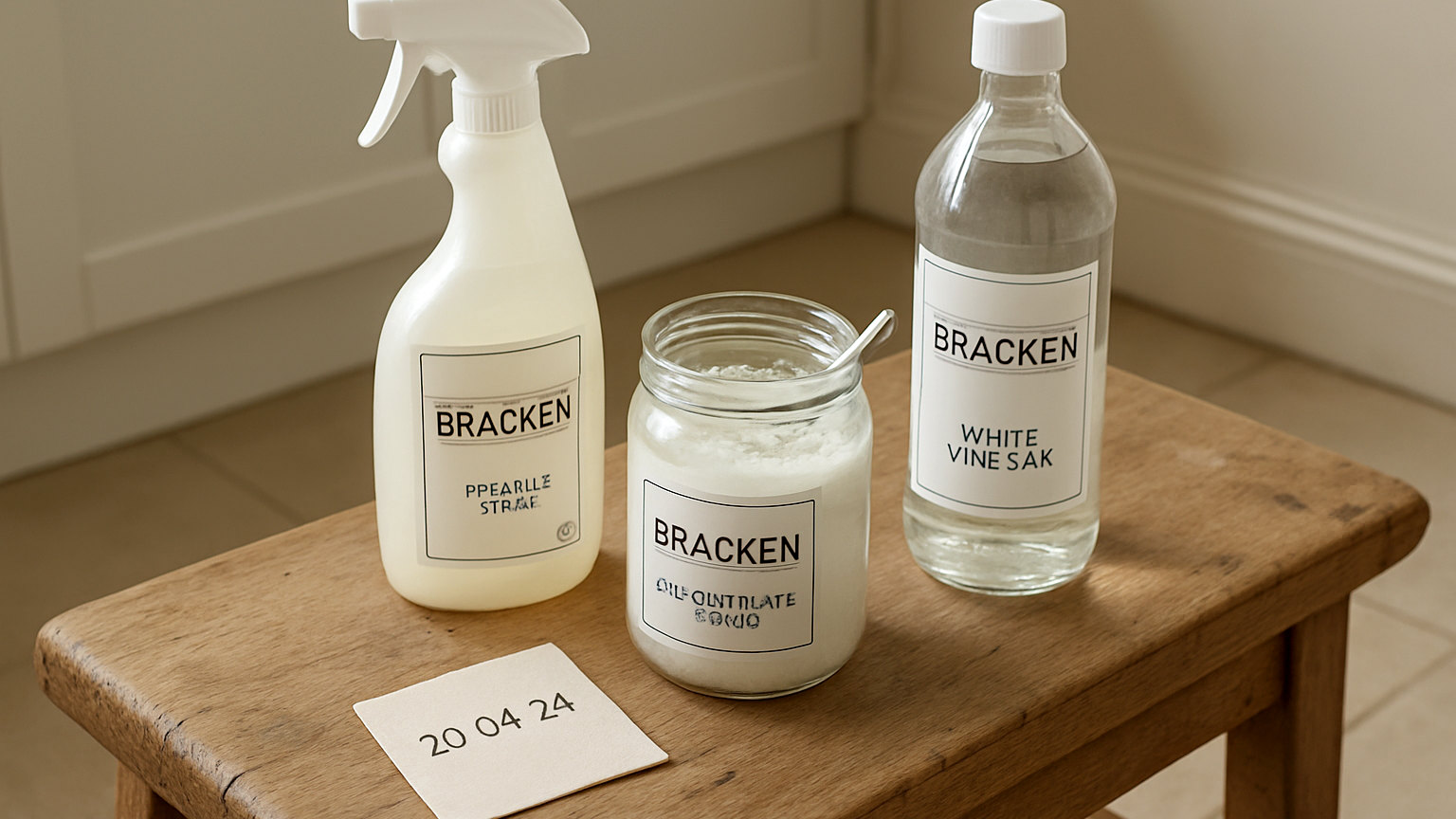
- Diluted washing up liquid as an all purpose spray, which is a surfactant doing exactly what a bought spray does.
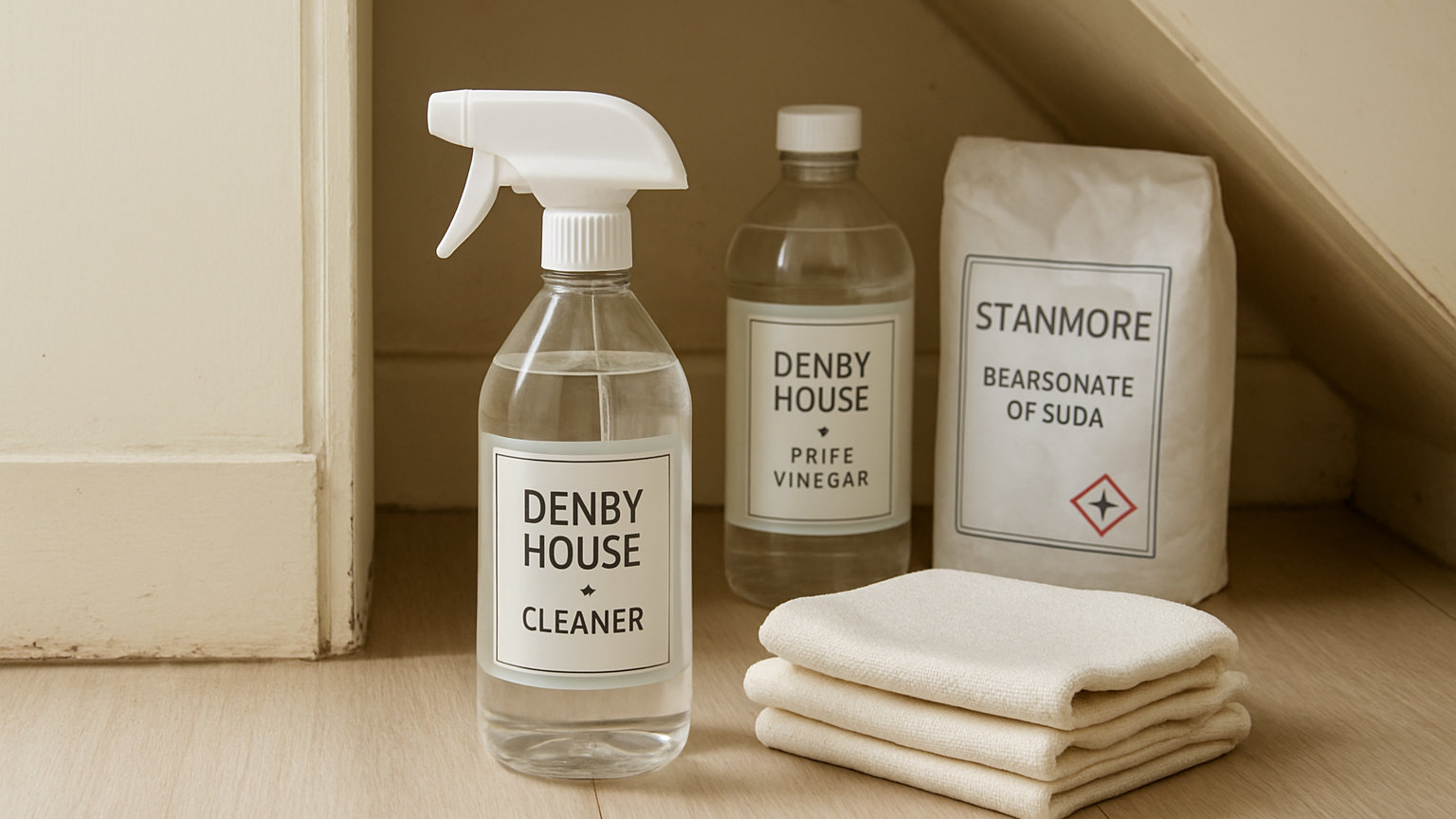
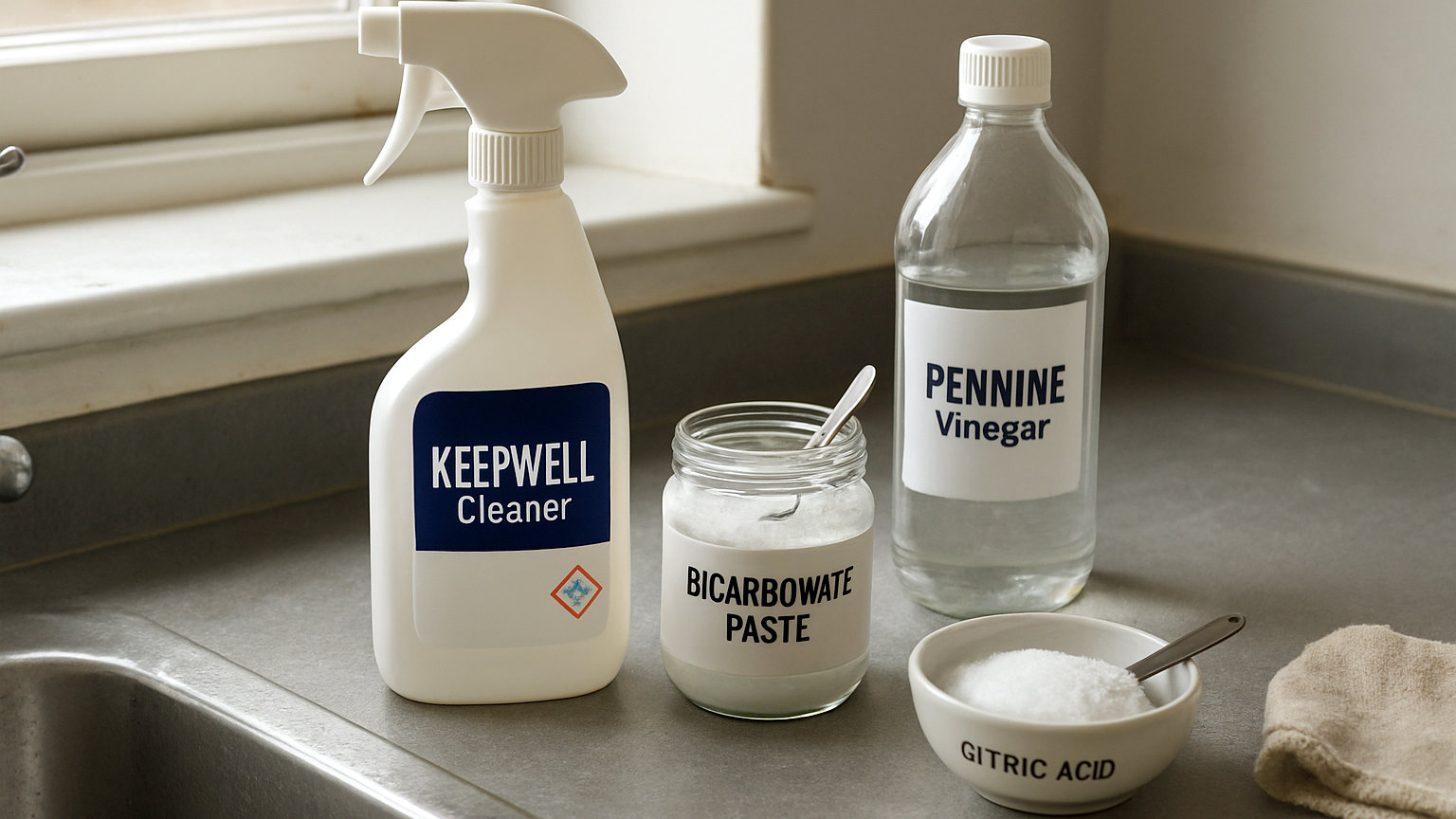
- White vinegar solution for limescale, soap scum and glass.
- Bicarbonate of soda paste as a gentle scouring cream.
- Soda crystals in hot water for grease and drains.
- Oxygen bleach solution for stains, laundry and grout.
- Citric acid for descaling kettles, machines and bathrooms.
Every one of these is the same active chemistry found in the equivalent branded product, which is why they perform comparably.
Which do very little?
Vinegar mixed with bicarbonate of soda in a bottle, which neutralise each other and leave salty water. Vinegar as a disinfectant, which is far weaker than the claims suggest. Lemon juice as a general cleaner, where it is a weak acid at a high price compared with vinegar.
Also anything relying on essential oils as the active ingredient, where the quantities used in domestic recipes are far too low to do meaningful cleaning.
How do you judge a recipe?
Ask what the active ingredient is and what category it falls into. Household soil comes in four main kinds and each needs a matching chemistry.
- Grease needs a surfactant or an alkali.
- Protein needs enzymes and cool water.
- Mineral deposits need an acid.
- Coloured stains need an oxidiser.
A recipe that contains none of those, or that combines an acid and an alkali, is unlikely to do much.
Are they cheaper?
Considerably, mostly because you are buying ingredients rather than water in a plastic bottle. Bicarbonate, soda crystals, vinegar, citric acid and oxygen bleach bought in bulk each cost a few pounds and last months.
A spray bottle of warm water with a few drops of washing up liquid costs almost nothing and handles the majority of everyday wiping.
Are they safer?
Generally, and not automatically. Homemade does not mean harmless: soda crystals irritate skin, vinegar damages stone and grout, and any acid mixed with any bleach product produces chlorine gas.
The genuine safety advantage is knowing exactly what is in the bottle, which matters in a house with children and pets.
What can they not replace?
- Enzyme cleaners for pet urine, which cannot be made at home.
- Biological laundry detergent, for the same reason.
- A tested disinfectant with a stated contact time.
- Specialist products for stone, leather and delicate surfaces.
- Solvents for ink, adhesive and paint.
Do they keep?
Less well than commercial products, which contain preservatives. A water based homemade spray has no preservative and will grow bacteria within weeks, particularly if made with warm water and stored in a warm cupboard.
Make small quantities, use them within a few weeks, and start fresh rather than topping up an old bottle.
What is the realistic position?
A household can cover most of its cleaning with five or six ingredients made up as needed, at a fraction of the cost of branded products and with no loss of performance on everyday jobs.
Keep a few bought products for the things that genuinely need them: an enzyme cleaner, a biological detergent, a disinfectant and any surface specific product your home requires.
What is the most common mistake?
Combining ingredients that cancel each other out, usually vinegar and bicarbonate, because the fizzing looks like something is happening. Used separately with a rinse in between, both are useful. Mixed in a bowl, neither is.
What should you make and what should you buy?
Make the everyday sprays, the scouring paste, the descaler and the stain soaks, since all four are simple and match the bought equivalents. Buy the biological detergent, the enzyme cleaner for pet accidents, a tested disinfectant and anything for a specialist surface. That division gives most of the saving with none of the compromise.