Decanting a cleaning product into a different container is one of those habits that seems harmless and underlies a large share of serious domestic accidents. The label is not decoration: it identifies the contents, states the hazards and tells medical staff what to treat.
What is the biggest risk?
A cleaning product in a drinks bottle. A water bottle, squash bottle or milk container holding something else is a recognised route to accidental poisoning, particularly with children, elderly relatives and anyone visually impaired or confused.
It also catches out adults, since a bottle of clear liquid in a kitchen is assumed to be what it looks like.
What else goes wrong?
- The hazard information is lost, so nobody knows the product is corrosive.
- The first aid advice is lost, which matters in exactly the moment it is needed.
- The dilution instructions are lost, leading to overuse.
- The contents become unidentifiable over time, even to the person who decanted them.
- Products get mixed accidentally when an unidentified liquid is combined with something else.
- The container may not be suitable, since some plastics degrade with certain chemicals.
Why does container suitability matter?
Because bottles are designed for their contents. A thin plastic bottle may soften or split with a solvent or a strong acid, and some products degrade certain plastics over weeks rather than immediately.
Child resistant caps and vented closures are also specified for a reason, and a screw top jam jar provides neither.
Is refilling a spray bottle the same thing?
No, provided it is done properly, and refilling is genuinely worth doing for environmental reasons. The difference is labelling and using an appropriate container.
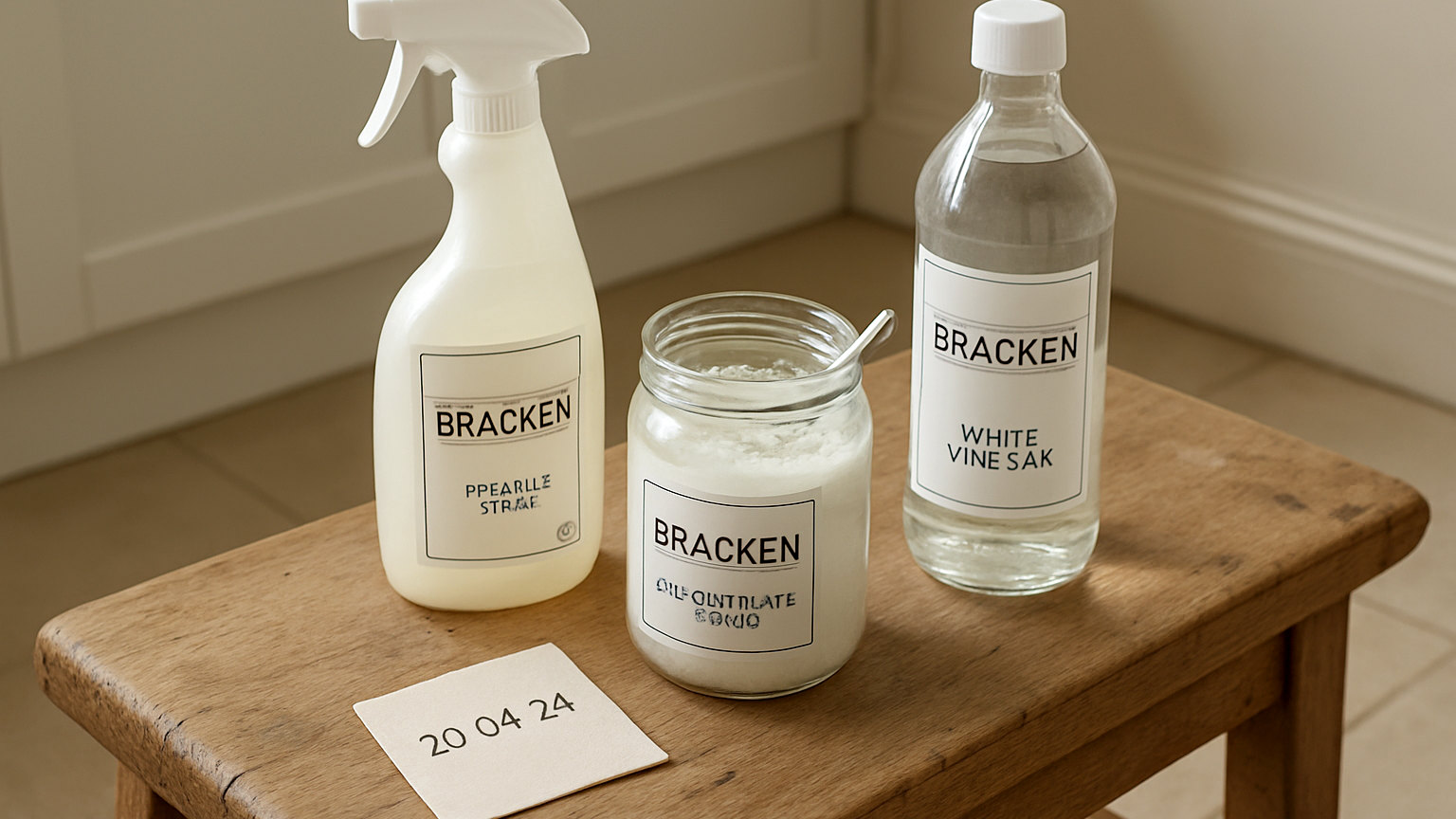
Reuse a cleaning product trigger bottle, rinse it thoroughly, fill it with the same category of product, and relabel it clearly with the contents and the date.
How should a refilled bottle be labelled?
- Write the full product name, not an abbreviation.
- Note the dilution if it has been diluted.
- Add the date it was filled.
- Note any surfaces it must not be used on.
- Use waterproof marker or a label with clear tape over it.
- Relabel whenever the contents change.
What about bulk refills and concentrates?
These are designed to be decanted and come with instructions for doing so. Use the dilution stated, fill a bottle intended for the purpose, and label it.
The problem is never refilling as such; it is refilling into something unmarked or unsuitable.
What if a label has come off?
If you are certain of the contents, relabel it immediately. If there is any doubt, do not use it and do not mix it with anything. Take it to a household waste recycling centre and tell the staff the contents are unknown.
Trying to identify a product by smell is a bad idea, particularly with anything that may produce fumes.
What about reusing bottles for a different product?
Rinse thoroughly several times first, since residue of the previous product mixing with a new one is the accidental version of the combinations that should be avoided. Run clean water through the trigger mechanism as well, which holds liquid in the tube.
Never put an acidic product into a bottle that held bleach, or the reverse.
What about homemade mixtures?
The same rules apply and more strictly, since nobody else in the house will recognise what is in the bottle. Label the contents, the date and the intended use.
What is the rule?
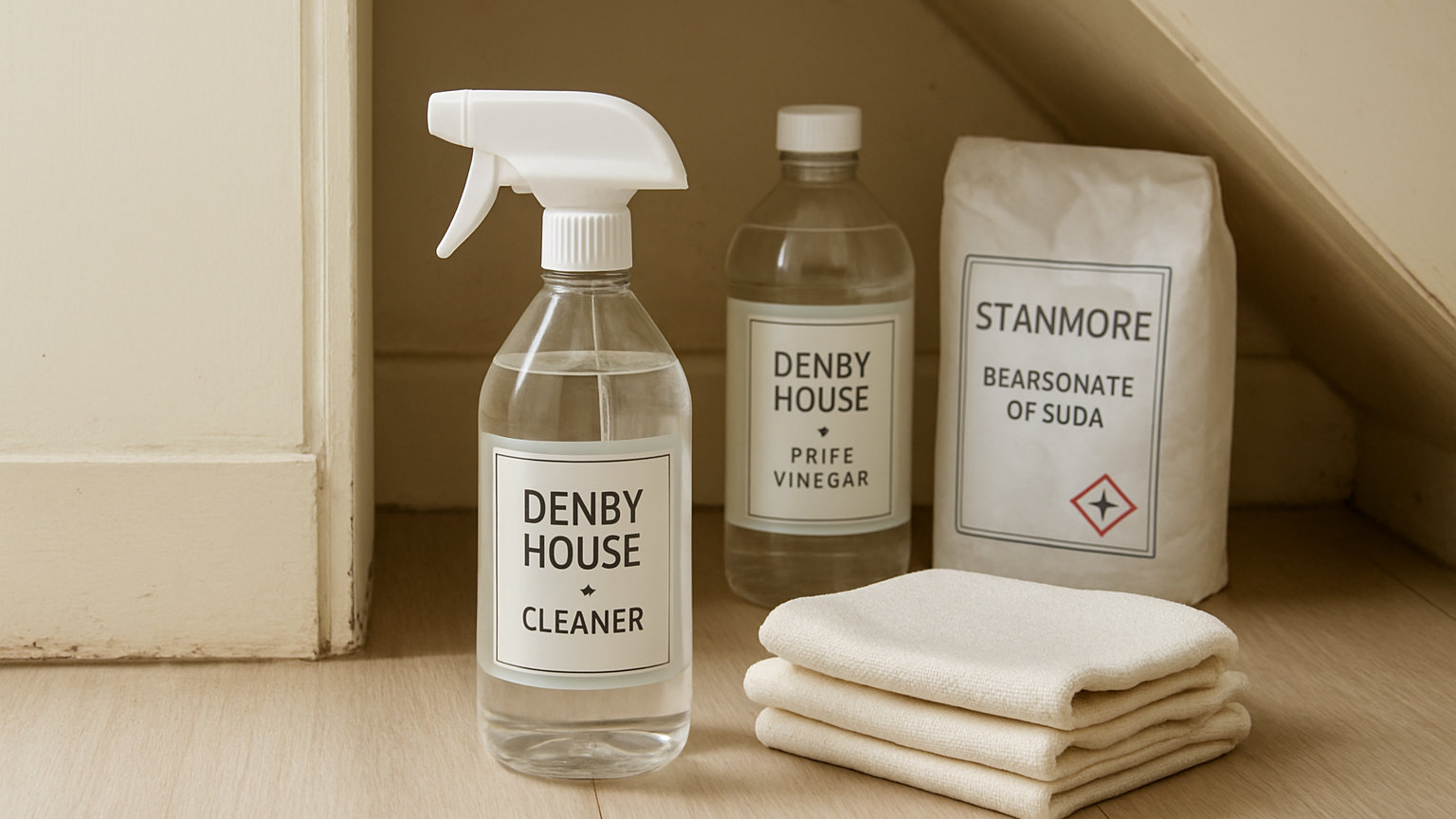
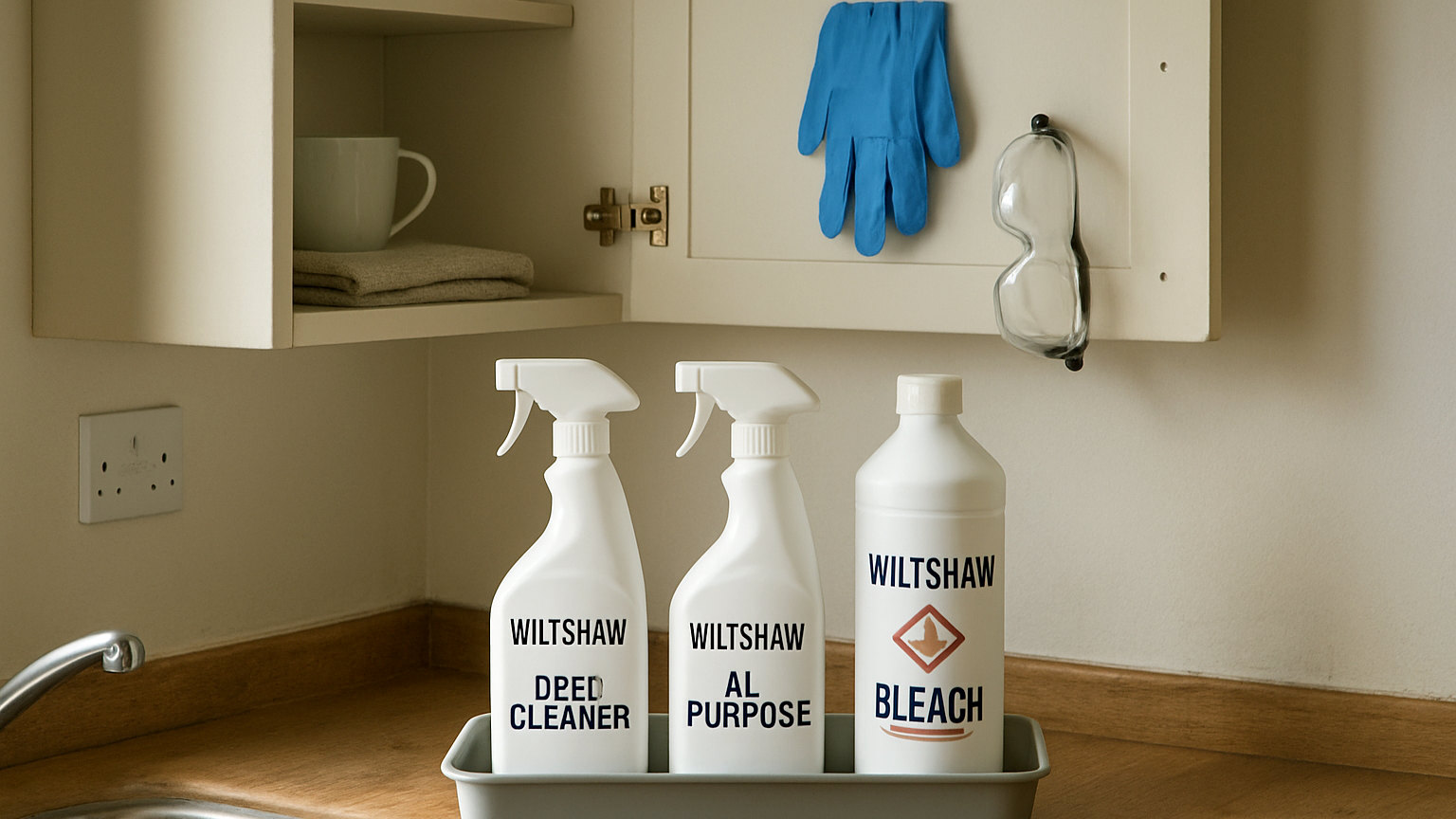
Original container wherever possible. Where a bottle is refilled, use a proper cleaning bottle, never anything that held food or drink, and label it fully. Anything unlabelled gets disposed of rather than guessed at.
What about the bottles supplied with refill systems?
These are designed for the purpose, usually with a printed label and a matching cap, which is exactly the right arrangement. Keep the original bottle for the original product rather than swapping contents between them, and if the printed label wears off, add a written one.