Swallowing a cleaning product is a medical situation where the instinctive responses are frequently the wrong ones. Knowing the few key points in advance matters, because these incidents happen quickly and usually involve a distressed child.
What should you do immediately?
- Stay calm and remove the product from reach.
- Remove anything remaining in the mouth gently.
- Do not make the person sick.
- Have the container to hand so the contents are known.
- Call for medical advice straight away.
When should you call 999?
Immediately, if the person is drowsy or unconscious, having difficulty breathing, having a fit, has burns or blistering around the mouth, is in severe pain, or has swallowed something corrosive such as oven cleaner, drain unblocker or a strong descaler.
Also call 999 if you are unsure how serious it is. It is better to call and be reassured.
What if it seems minor?
Contact NHS 111 or your GP urgently for advice rather than waiting to see what happens. Some effects develop over hours, and advice is free and immediate.
Have the product container with you when you call, since the specific ingredients determine the advice.
Why should you not induce vomiting?
Because with a corrosive substance it brings the product back up through the throat and mouth, causing a second set of burns. With a foaming product it risks the foam entering the lungs.
It is an instinctive reaction and is specifically advised against for chemical ingestion.
Should you give them something to drink?
Do not give anything unless advised to by a medical professional. Milk and water are commonly suggested by well meaning people and are not universally appropriate, and drinking can trigger vomiting.
Follow the advice given on the call rather than acting first.
What if they have inhaled fumes?
Get them into fresh air immediately. Open windows and doors from outside the room if you can do so safely without breathing the fumes yourself.
Call 999 if they are struggling to breathe, wheezing, very short of breath or drowsy. Otherwise seek medical advice, since some respiratory effects develop over several hours.
What information will be asked for?
- The exact product name and brand.
- Roughly how much was swallowed and when.
- The age and weight of the person.
- Any symptoms so far.
- Any relevant medical conditions.
The container gives most of this, which is why keeping products in their original packaging matters.
What about capsules and tablets?
Laundry and dishwasher capsules are a frequent cause of incidents involving young children, since they burst easily and the contents are concentrated. Treat any burst capsule in the mouth or eyes as needing urgent advice.
The same applies to dishwasher powder and salt, which are strongly alkaline and cause mouth and throat burns.
What should you do afterwards?
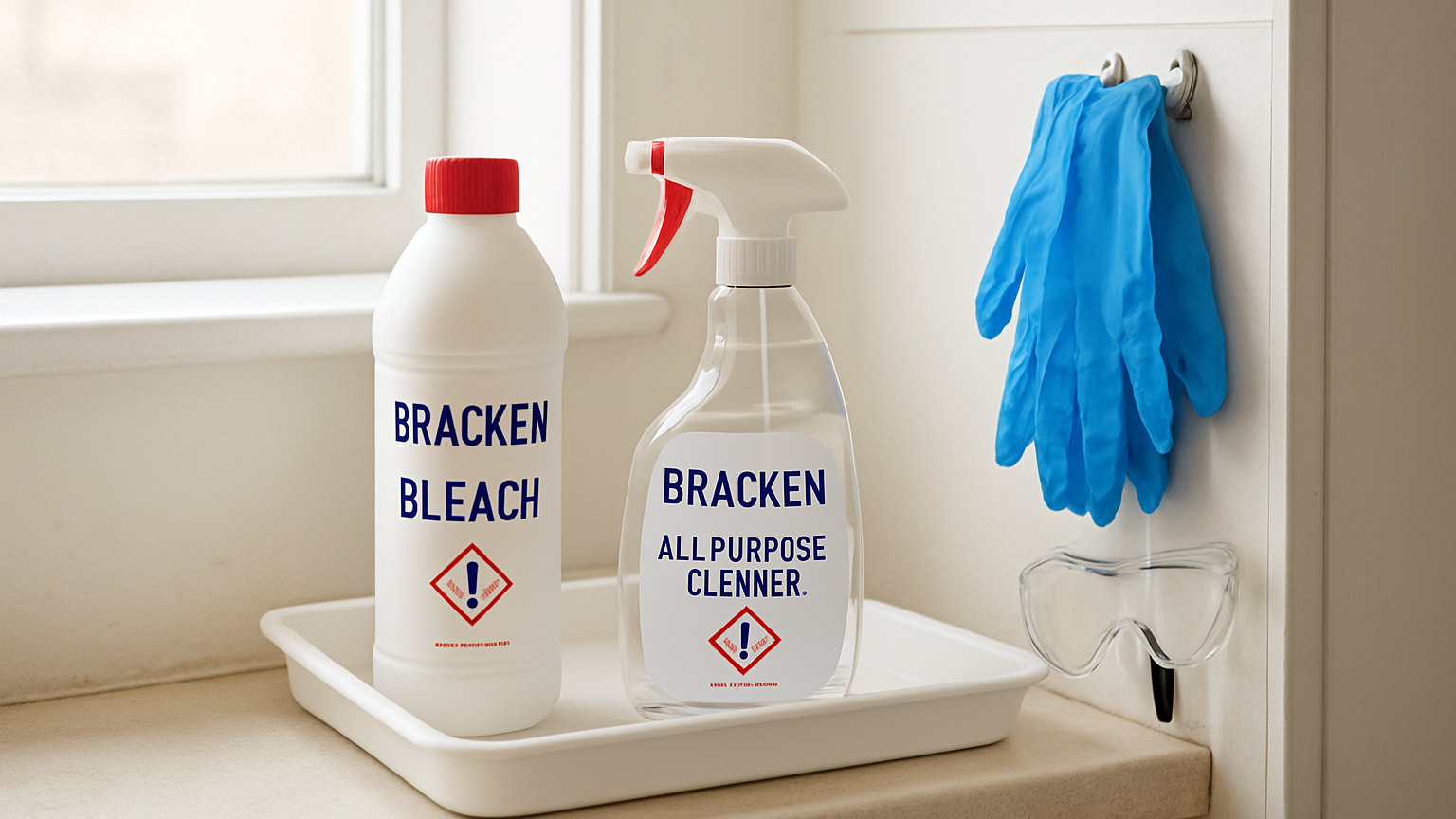
Review where the product was stored and how it was accessed. Almost every incident traces to a product being out during cleaning, stored within reach, or decanted into an unlabelled container.
What if it happened to a pet?
Contact a vet immediately, do not induce vomiting, and take the container with you. The same principles apply.
What is worth doing in advance?
Keep products in original containers so the contents are always identifiable. Store them high. And know that 999 is for serious symptoms and NHS 111 for advice, so there is no hesitation about which to call.
What if they are not sure whether anything was swallowed?
Treat it as though something was. A spilled container, a wet mouth or a discarded capsule is enough to warrant advice, and a young child cannot reliably report what happened. Ring NHS 111, describe what you found, and let them decide.
Should you keep anything for emergencies?
Nothing specific, and knowing where the phone and the product labels are matters. Old advice about keeping syrup of ipecac or similar at home is long superseded and such products should not be used.