A vacuum works by moving air, and anything that restricts that airflow reduces its performance. When suction drops, the cause is almost always a restriction somewhere along the path rather than a failing motor, and checking in order finds it quickly.
What is the order to check?
- The dust container or bag, which restricts airflow well before it looks full.
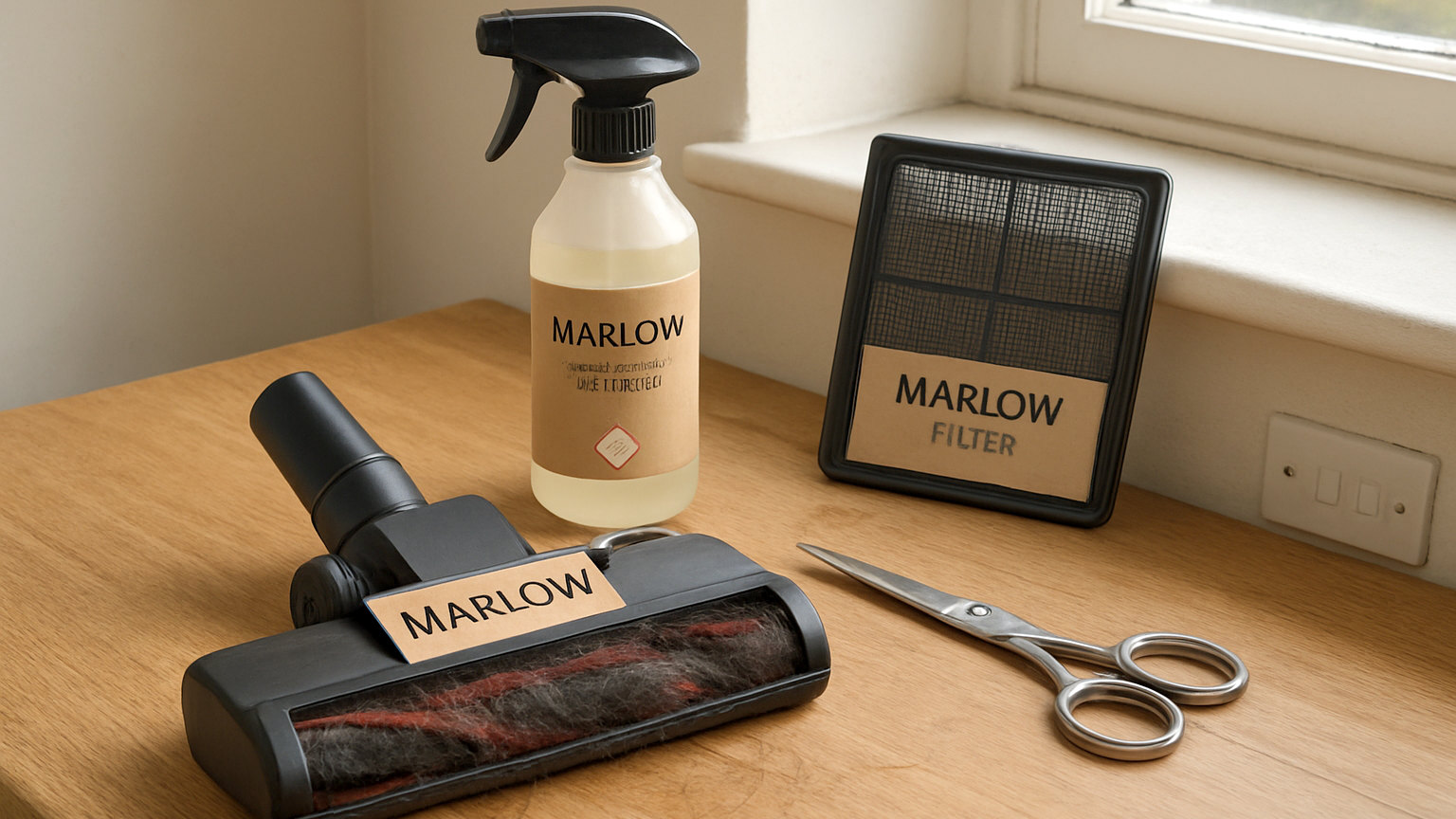
- The filters, which is the most common cause by a wide margin.
- The floor head opening, where something is frequently lodged.
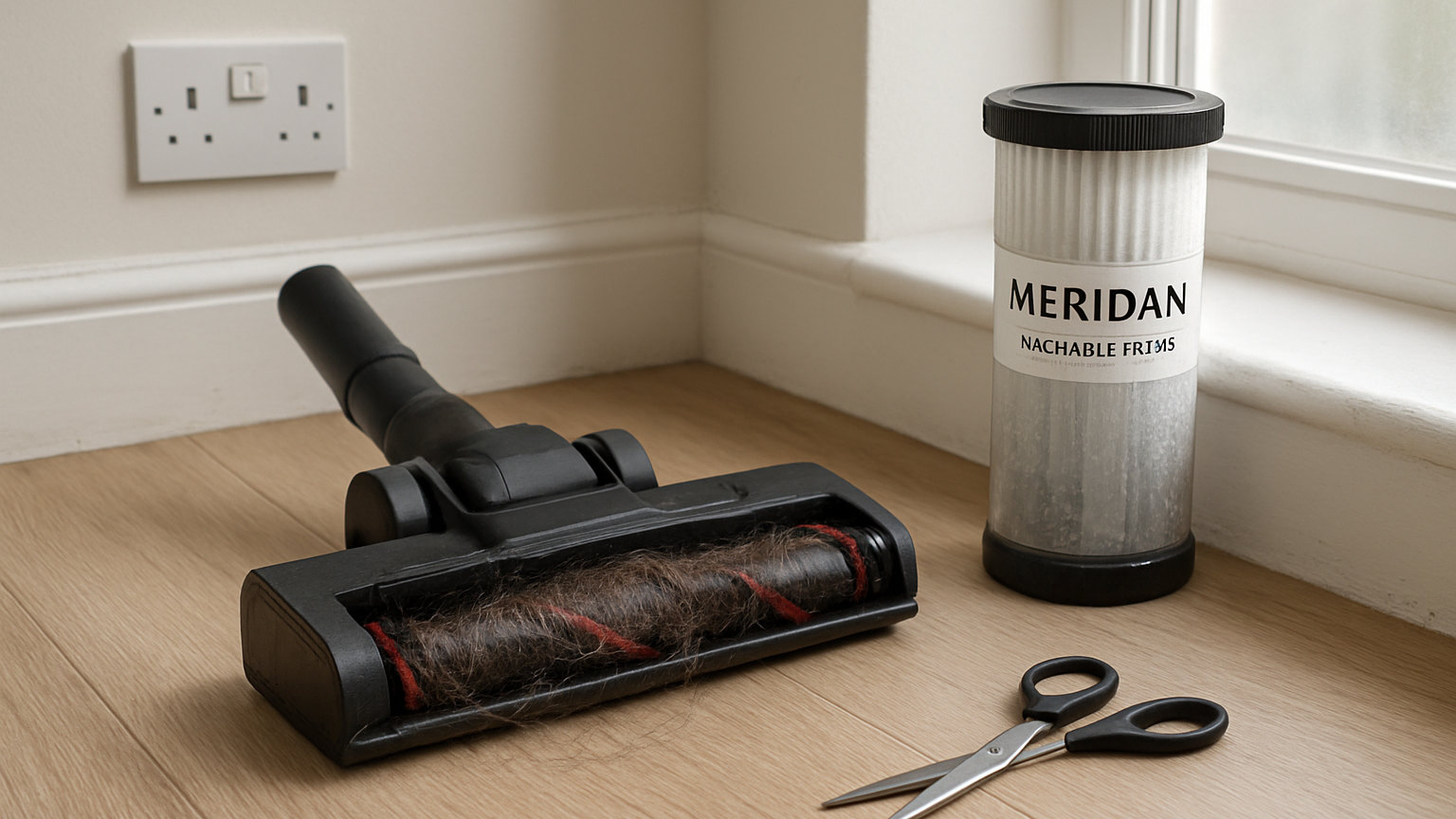
- The brush bar, which stops turning when wrapped with hair.
- The wand and the hose, for a partial blockage.
- The seals and connections, for air leaking in.
- The belt, on an upright, which perishes or breaks.
Why are filters the usual answer?
Because they capture fine dust continuously and clog gradually, so the decline is slow enough that people adjust to it without noticing. A filter that has never been washed can halve the airflow.
Remove them and hold them up to the light. If you cannot see light through the material, that is the problem.
Wash washable filters under cold water until it runs clear, then dry them completely for at least twenty four hours before refitting.
How do you find a blockage?
Work backwards. Switch the machine on and put your hand over the end of the hose with the wand removed. If suction there is strong, the blockage is in the wand or the head. If it is weak, the problem is in the hose, the container or the filters.
Detach the hose and hold it up to the light, or feed something flexible through it gently. Check the wand the same way.
What about air leaks?
Less obvious and just as damaging. A cracked hose, a poorly seated dust container, a perished seal or a lid that is not clicked home all let air in where it should not be, and the machine loses its vacuum without any blockage.
Check the hose along its whole length by flexing it, and make sure every component is seated properly. Seals are cheap replacement parts.
Why does a brush bar matter for suction?
It does not directly, and a bar wrapped solid with hair sits hard against the carpet and blocks the airflow through the head. It also stops agitating the carpet, so pick up falls even where suction is fine.
Cut the hair free with scissors and check the end caps, where hair works into the bearings.
What about the belt on an upright?
A stretched or broken belt means the brush bar stops turning. The usual signs are a burning rubber smell, a bar that will not turn by hand under power, or a sudden drop in carpet performance with normal suction.
Belts are inexpensive wear items and replacing one is a straightforward job on most machines.
What if a cordless has lost power?
Check the filters and the bin first, as with any machine. Then consider the battery, which degrades over a few years and shows as reduced run time and weaker performance at the end of a charge.
Batteries are replaceable on most models and are a common reason a cordless is discarded unnecessarily.
When is it actually the motor?
Rarely, and the signs are distinctive: an unusual noise, a burning smell that is not the belt, the machine cutting out and needing to cool before restarting, or sparks visible at the vents.
Repeated cutting out is usually a thermal cut-out doing its job because the airflow is restricted, which brings you back to the filters.
What is the maintenance that prevents it?
Empty before the container is full, wash the filters monthly, clear the brush bar regularly and check the hose occasionally. Those four habits keep a vacuum performing as it did when new for years.
Does the surface make it seem worse?
It can. A machine that seems to have lost suction on carpet but works on hard floors usually has a brush bar or a height adjustment problem rather than an airflow one. Test it by holding your hand over the hose end, which tells you whether the suction itself is fine and the head is the issue.