A bedroom is the least demanding room in a house to keep clean, because nothing is cooked in it and very little gets spilled. What it does need is a weekly pass, a bedding change on a reliable schedule, and a short list of jobs that come round monthly or yearly and are almost universally forgotten.
What does the weekly clean involve?
Fifteen to twenty minutes in a typical room, covering:
- Changing the bed linen, or every two weeks at the outside.
- Dusting the surfaces, working from high to low so nothing has to be done twice.
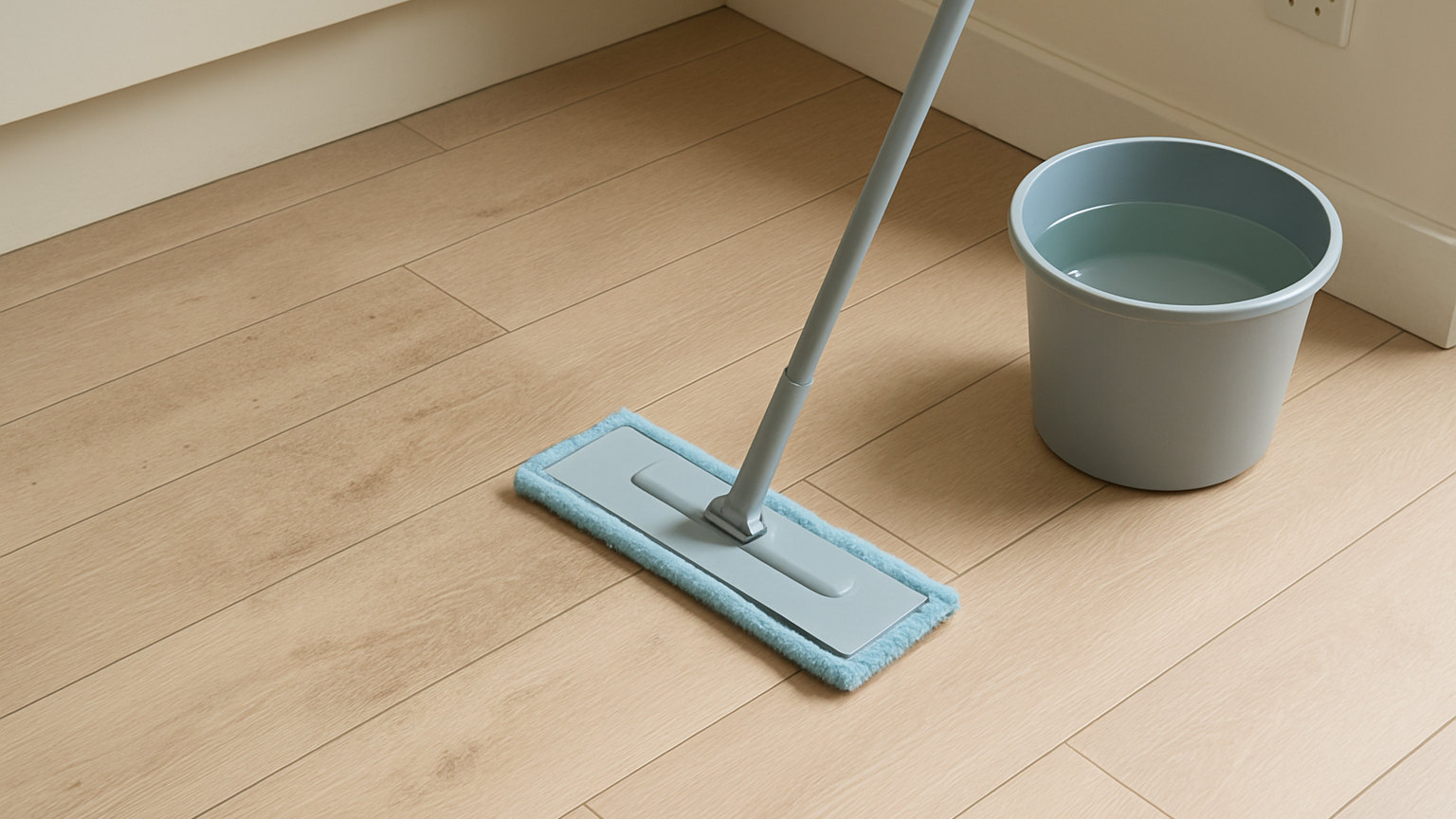
- Vacuuming the floor, including under the bed and along the skirting, not just the open middle of the room.
- Clearing the surfaces of glasses, mugs, laundry and anything else that has migrated in during the week.
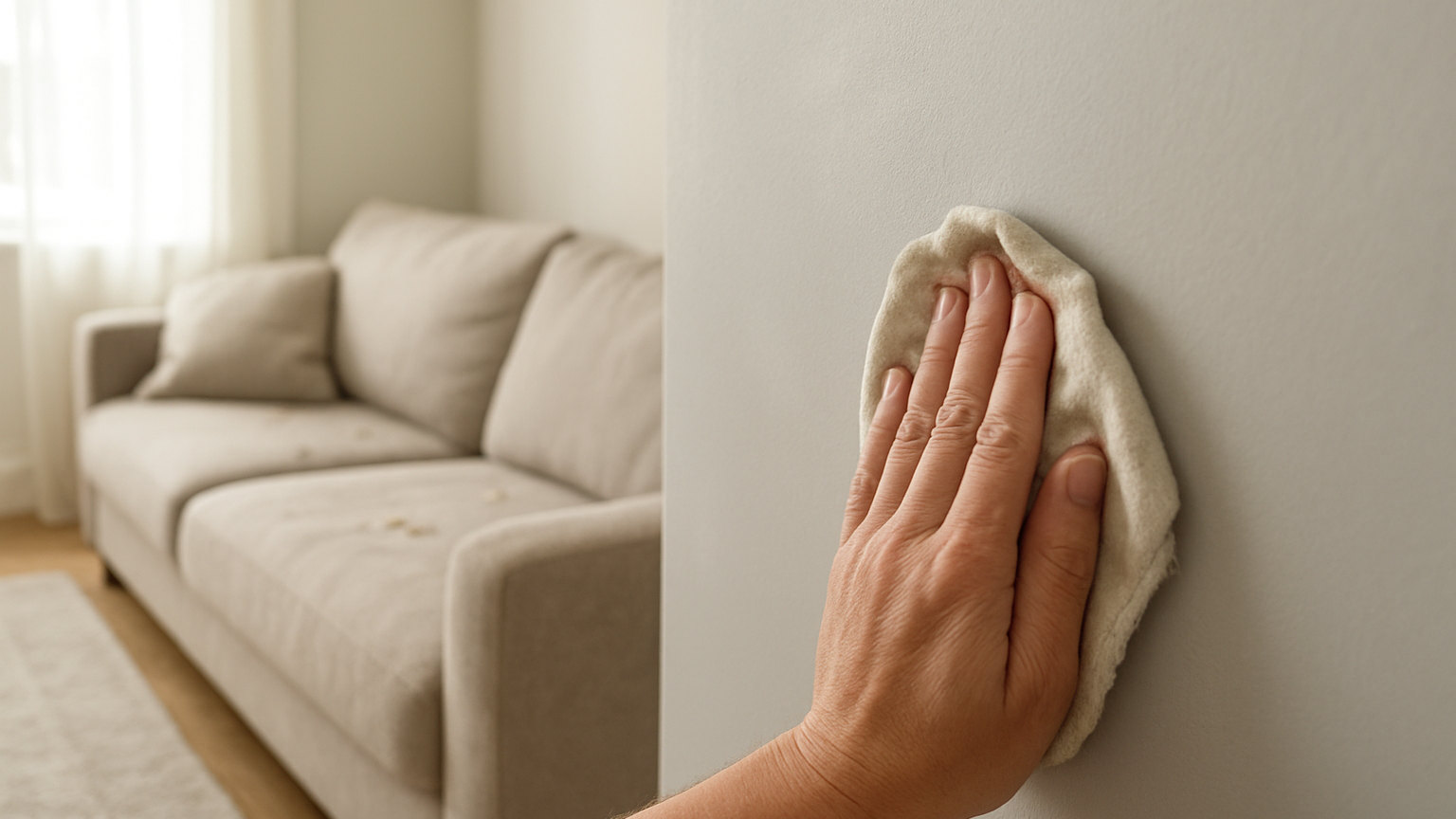
- Wiping door handles, light switches and the phone charging area.
- Airing the room with the window open while you work.
Which jobs come round monthly?
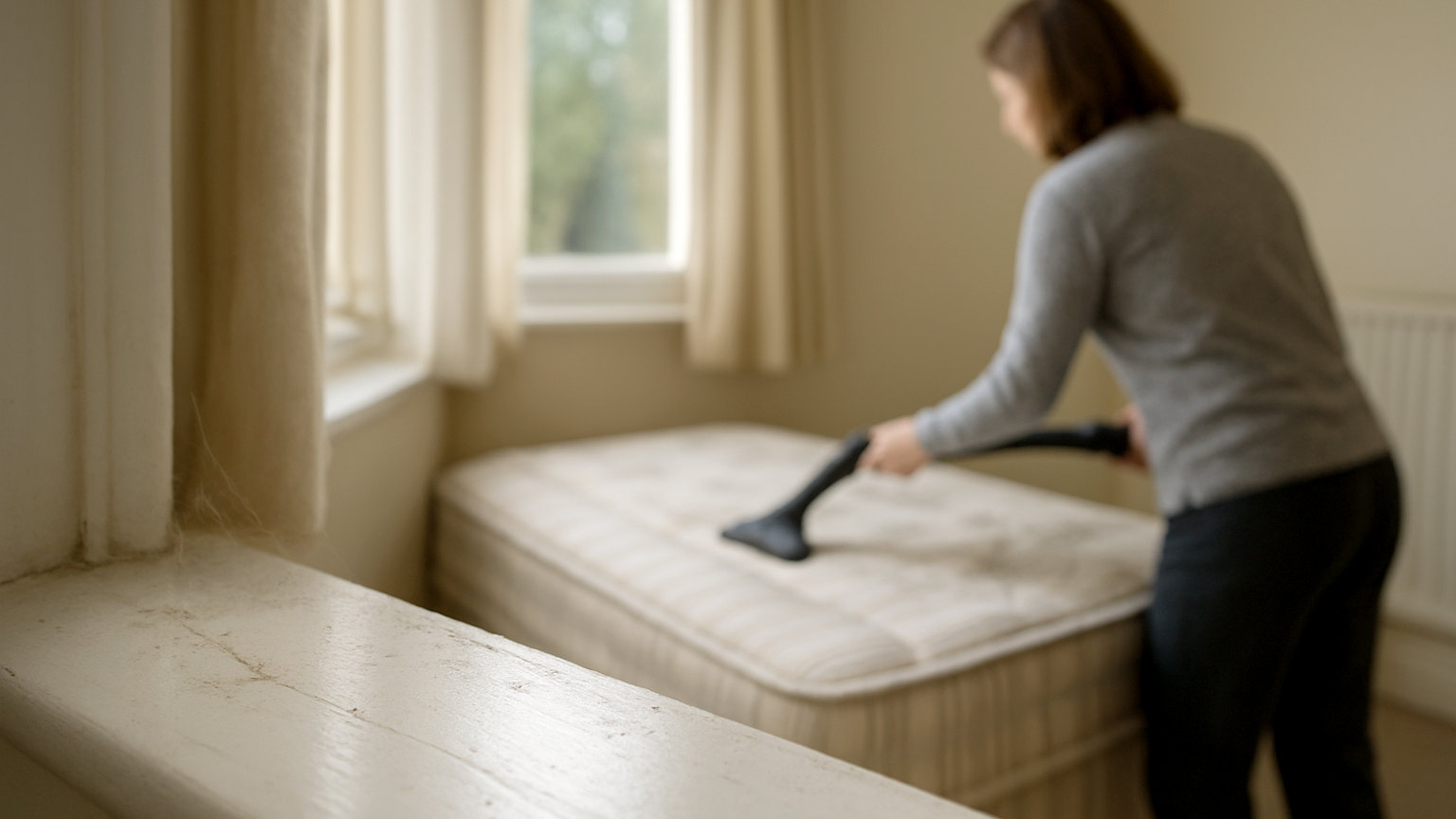
Vacuuming the mattress and the divan base, wiping down the headboard, cleaning the tops of the wardrobe and door frames, washing pillow protectors, vacuuming the curtains or dusting the blinds, and moving furniture that can be moved to get behind it.
Rotating the mattress belongs here too, at least for the first year of a new mattress. After that, every three months is sufficient for most.
What only needs doing once or twice a year?
Washing pillows and duvets, cleaning inside the wardrobe and under the bed properly rather than just running a vacuum head through, washing curtains, cleaning the windows and their frames, and turning out the drawers.
These are the jobs that feel like a project, which is exactly why booking them into a specific weekend works better than intending to get to them.
Why does the mattress matter more than the surfaces?
Because that is where the material actually accumulates. A person sheds skin cells continuously and loses a meaningful amount of moisture overnight, and most of both ends up in the bedding and the mattress rather than on the shelves. Dust in a bedroom is largely skin and textile fibre, which is why bedrooms get dusty faster than rooms nobody sleeps in.
Vacuuming the mattress monthly and using a washable protector deals with most of it, and takes about three minutes.
Does a bedroom need more cleaning if someone has allergies?
The schedule changes rather than intensifies. Hot washing of bedding weekly, a vacuum with a good filter used more often, mattress and pillow protectors, keeping soft furnishings and clutter to a minimum, and drying the room out through ventilation all target dust mites, which need humidity to thrive. General surface cleaning makes far less difference than any of these.
Anyone with significant symptoms should discuss the practicalities with a GP or pharmacist rather than relying on cleaning alone.
How often should a child bedroom be done?
More often, and for different reasons. Children sleep hotter, spill more and bring more into the room, and the floor is used as a work surface. A weekly clean plus a nightly five minute tidy tends to be the workable pattern, with soft toys washed every month or two and the under-bed space cleared properly each term rather than each year.
What happens if it slips?
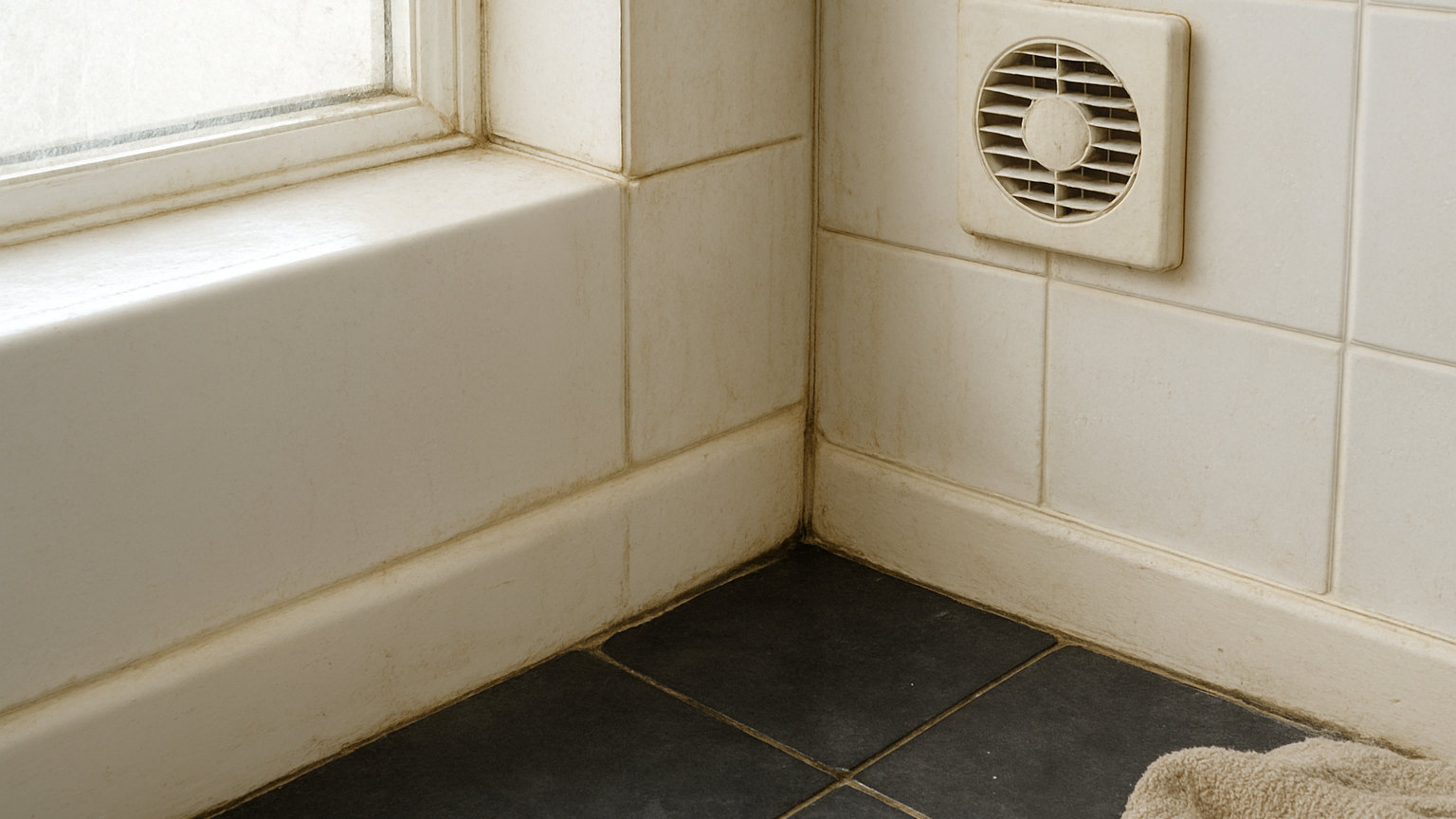
Less than in a kitchen, which is why bedrooms slide so easily. Nothing rots and nothing smells within a week. What happens over months is a gradual build up of dust in places that are hard to reach, a mattress that has never been vacuumed, and a stuffiness that people stop noticing because they are asleep for most of the time they spend in the room.
The single most useful habit is opening the window for ten minutes every morning with the bedding pulled back. It costs nothing, dries out the mattress and bedding, and does more for how a bedroom feels than an hour of dusting.