The space under a bed collects more dust than the rest of the bedroom put together. It is sheltered from air movement, it is directly beneath the largest textile item in the house, and it is the one part of the floor nobody walks on, so nothing gets disturbed and everything settles. It is also the hardest place in the room to reach.
Why does so much collect there?
Because dust needs still air to settle, and under a bed the air barely moves at all. Every time the bed is made or someone gets in and out, fibres and skin cells are released into the air and drift slowly downwards. With no footfall above to stir them up again and no draught to move them along, they accumulate undisturbed into the grey fluff that everyone recognises.
In a room with a carpet, the fluff binds with carpet fibre and forms mats that a vacuum head skims straight over.
Which tools actually reach?
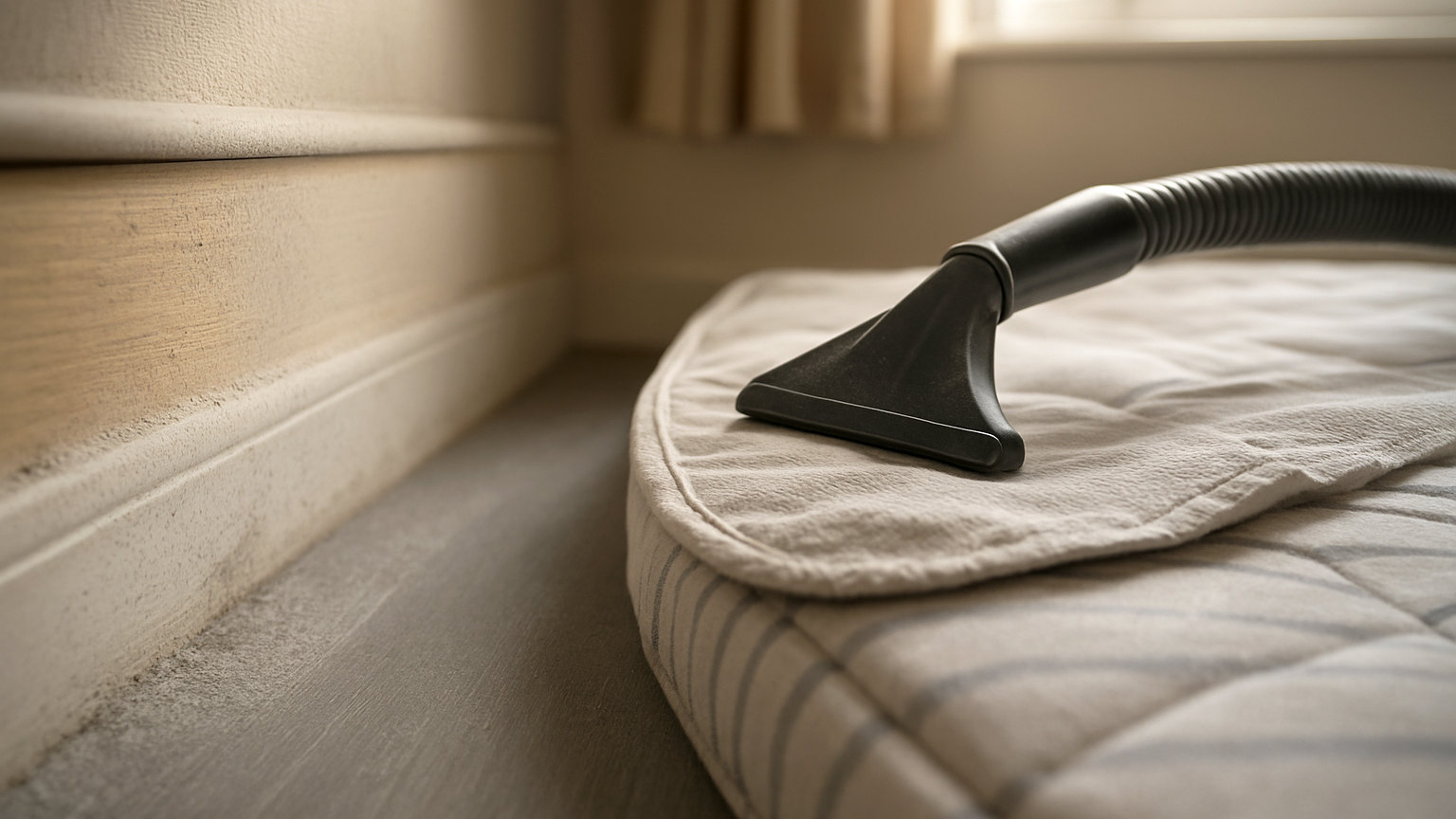
- A crevice tool on a long wand, which reaches further than a floor head and fits under a lower frame.
- A flexible hose with a slim attachment on a cylinder vacuum.
- A flat-headed cordless vacuum, many of which are designed specifically to lie flat and slide under furniture.
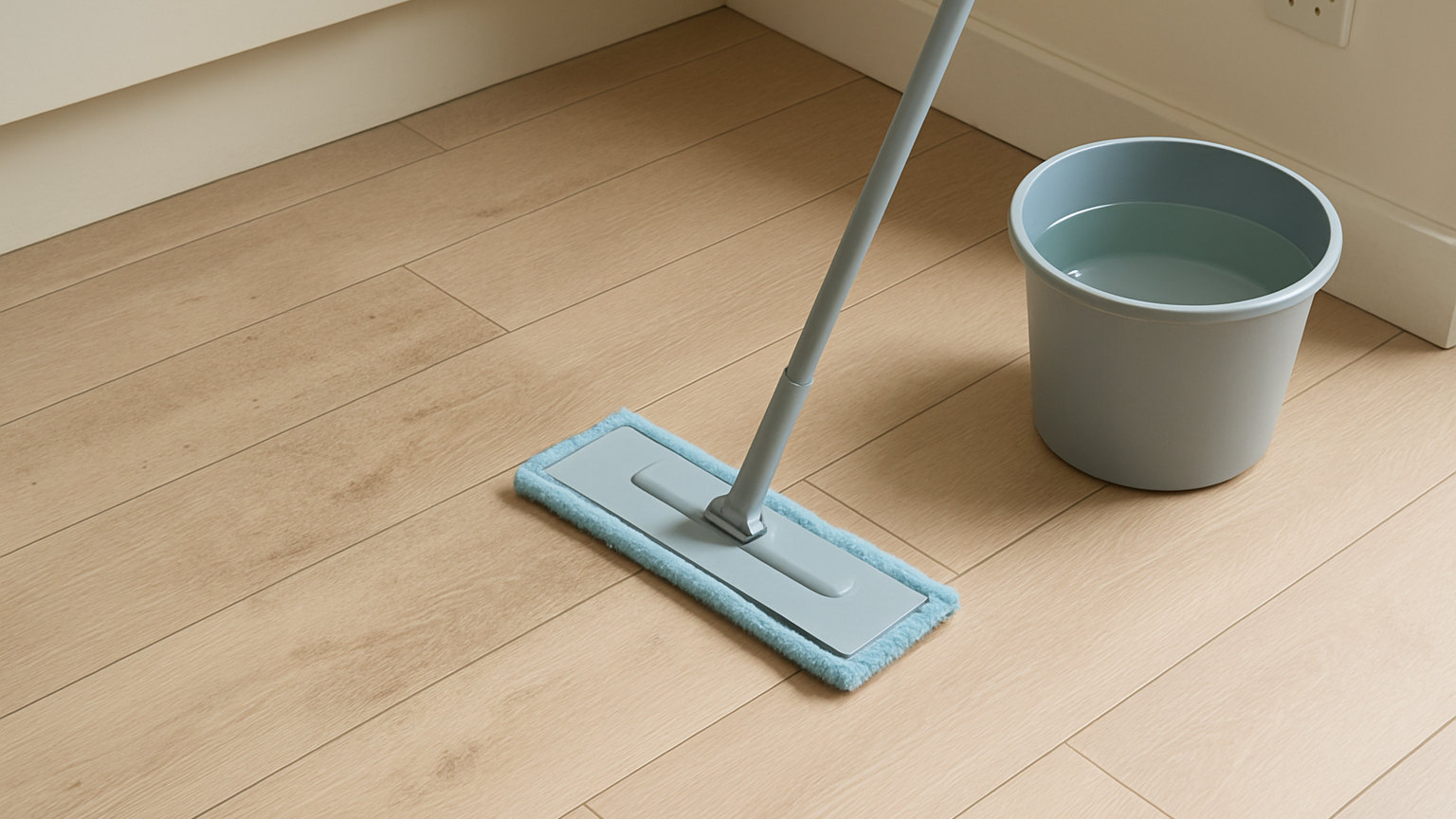
- A long handled microfibre duster or a flat mop with a dry pad, used to sweep debris out to where the vacuum can get it.
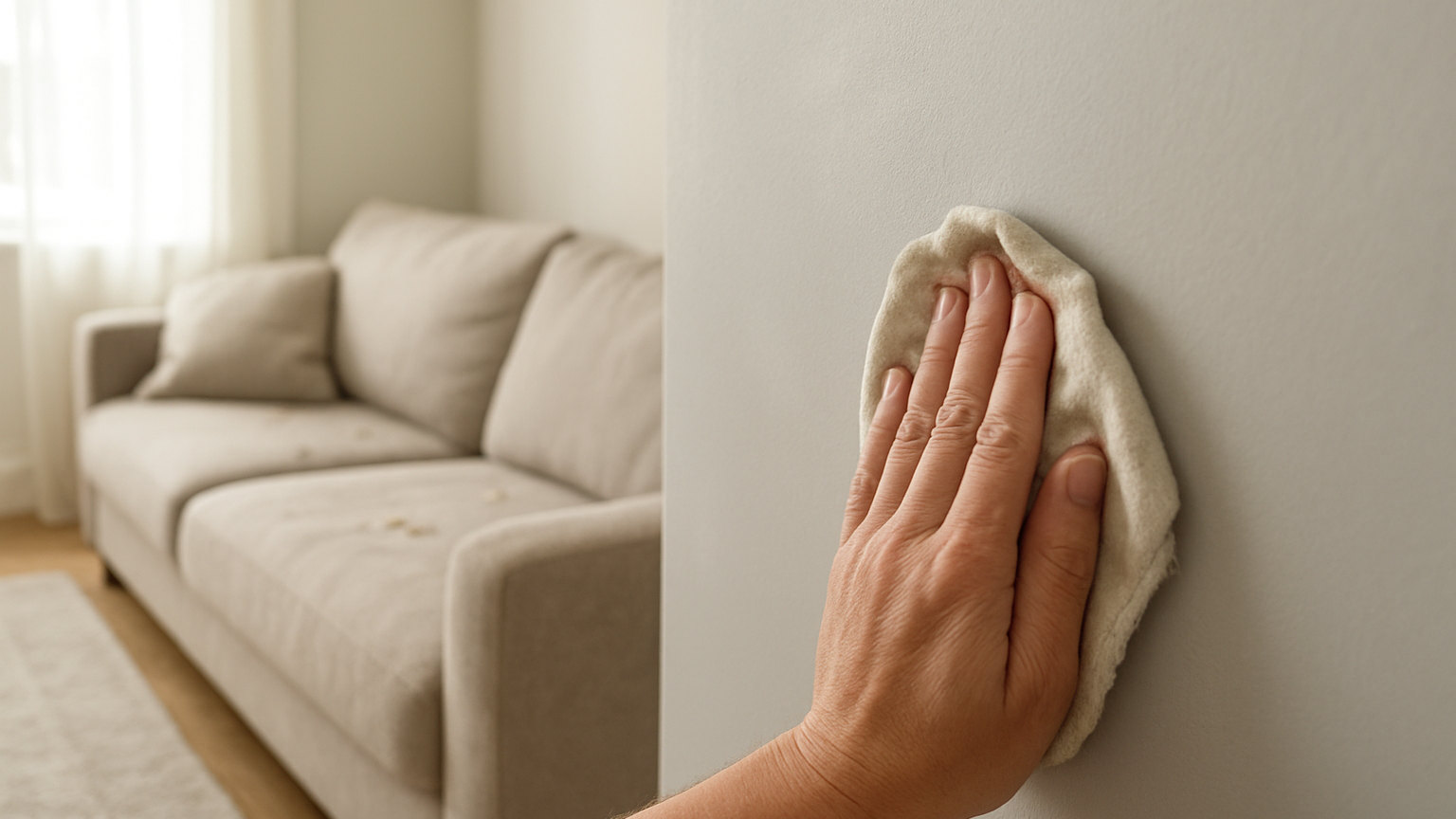
- A dust sheet or an old towel on a broom handle, which works surprisingly well in the middle of a large bed.
The practical approach in most rooms is to drag everything out into the open with a flat tool first and then vacuum it up properly.
Is it better to move the bed?
Yes, once or twice a year, and it takes less effort than expected on most frames. Strip the bed first, lift the mattress off if you can, and slide the frame away from the wall. This gives access to the middle of the floor, the skirting behind the bed and the back of the headboard, which is usually furred with dust.
For a heavy divan, furniture sliders under the corners make it possible to move alone without damaging the floor.
What about a divan base with drawers?
Divans sit flat on the floor, so nothing collects underneath them, but the drawers themselves need emptying and vacuuming out. Dust gets into them every time they are opened, and drawer runners collect fluff that eventually makes them stiff.
Vacuum the top of the base too, before the mattress goes back on, and wipe the sides, which pick up marks at ankle height.
Should you store things under a bed?
It is useful storage and there is nothing wrong with it, provided two conditions are met. Use closed boxes rather than open piles, because open storage collects dust that cannot be cleaned off easily. And pull everything out when you clean rather than vacuuming around it, since boxes create still corners where dust builds unchecked.
Avoid storing anything that holds moisture, such as damp shoes or laundry, in a space with almost no airflow.
How often does it need doing?
Vacuum under the bed as part of the weekly clean, using a tool that genuinely reaches the middle rather than just doing the visible edge where the floor head can get to. Move the bed away from the wall properly twice a year, ideally when the mattress is being rotated anyway, and check the wall and the skirting behind it at the same time.
What should you look for while the bed is moved?
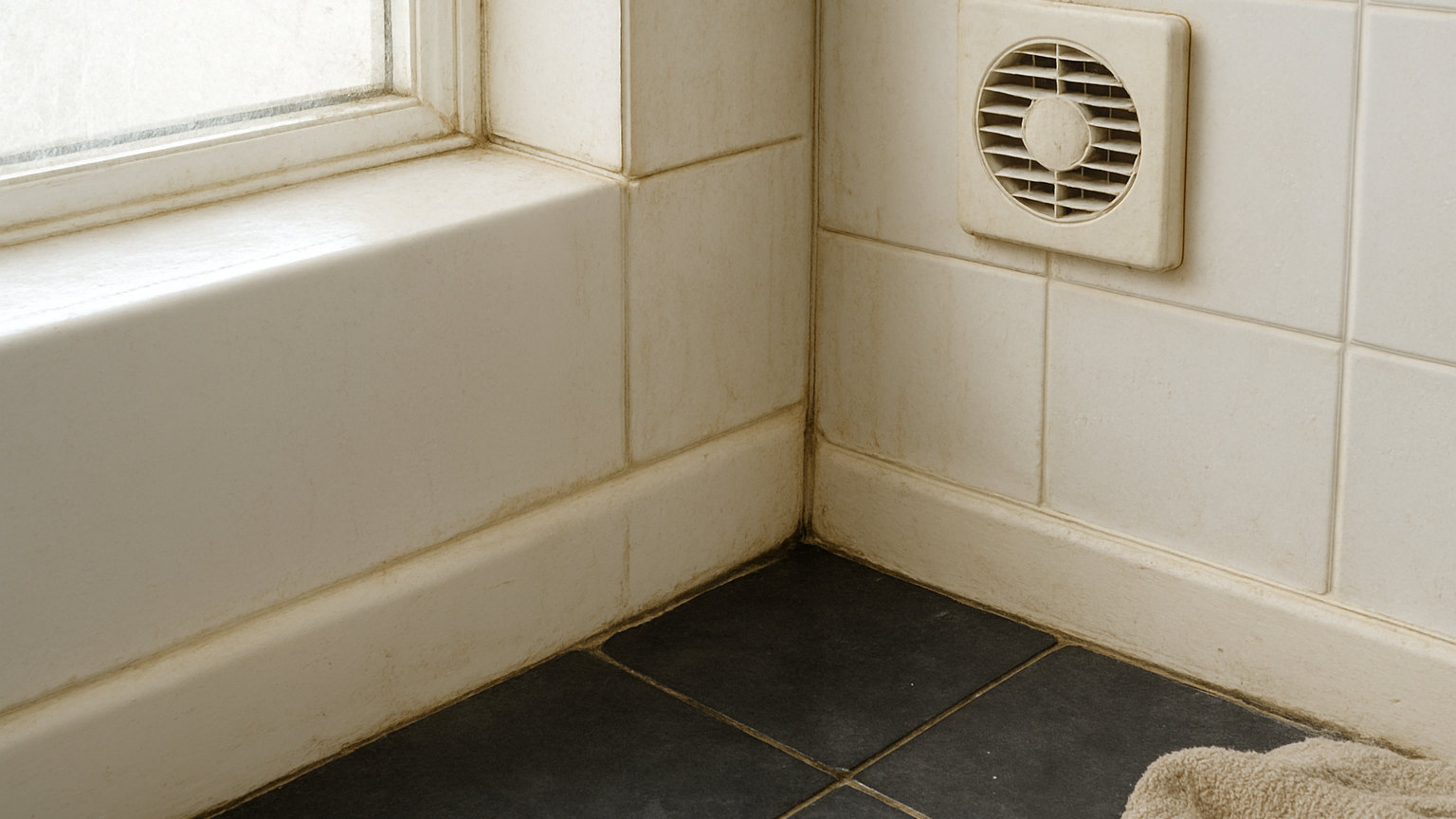
Damp or mould on an external wall behind the headboard, which is common in bedrooms where furniture blocks air movement. Marks on the skirting. Cables running under the bed, which are both a dust trap and a hazard. And anything that has been lost under there long enough to be forgotten, which in most households is a reasonable proportion of the missing socks.