A bedroom that smells stuffy in the morning is almost never dirty. It is a ventilation problem. A closed room with a sleeping person in it accumulates moisture, carbon dioxide and the compounds that make up body odour for seven or eight hours with nowhere for any of it to go, and the result is exactly what you notice on opening the door.
How much moisture is actually involved?
An adult loses a substantial amount of water overnight through breathing and perspiration, even without feeling warm. Two people in a closed double bedroom can release close to a litre between them. That water goes into the air, into the bedding and into the mattress, and if the room is not ventilated it stays there and raises the humidity of everything in it.
High humidity is also why the room feels close as well as smelling stale, and why bedrooms are a common place for condensation and mould on the coldest wall.
What makes the smell itself?
A mixture. Compounds from skin and sweat, which are perfectly normal and only become noticeable when they concentrate. Volatile compounds released by furniture, carpet and bedding. Carbon dioxide, which has no smell but contributes to the sense of stale air. And in some rooms, damp textiles that never fully dry out between nights.
Anyone who has been asleep in the room cannot smell it, because the nose adapts within minutes. That is why it is obvious to a visitor and invisible to the occupant.
What fixes it?
- Open the window wide for ten to fifteen minutes on waking, which exchanges the air in the room almost completely and loses very little heat from the walls and furniture.
- Pull the bedding back rather than making the bed immediately, so overnight moisture can leave the sheets and mattress rather than being sealed under a duvet.
- Leave the bedroom door open during the day, which lets air move through rather than sitting still.
- Use trickle vents if the windows have them. They exist precisely for this and are often painted or slid shut.
- Keep a small gap behind wardrobes and headboards on external walls so air can circulate.
Is sleeping with the window open better?
It works, and many people prefer it. The drawbacks are noise, security on a ground floor, pollen in season and cold in winter. A partly open window or an open trickle vent gives most of the benefit with fewer of the problems, and a wide open window for a short burst in the morning is nearly as effective as leaving it open all night.
Does drying laundry in the bedroom matter?
Considerably, and it is one of the most common causes of a bedroom that is stuffy and damp. A load of washing releases a litre or more of water as it dries, and putting an airer in a bedroom effectively doubles the moisture load of the room. If there is no alternative, keep the window open or run a dehumidifier in the same room.
What if it still smells after ventilating?
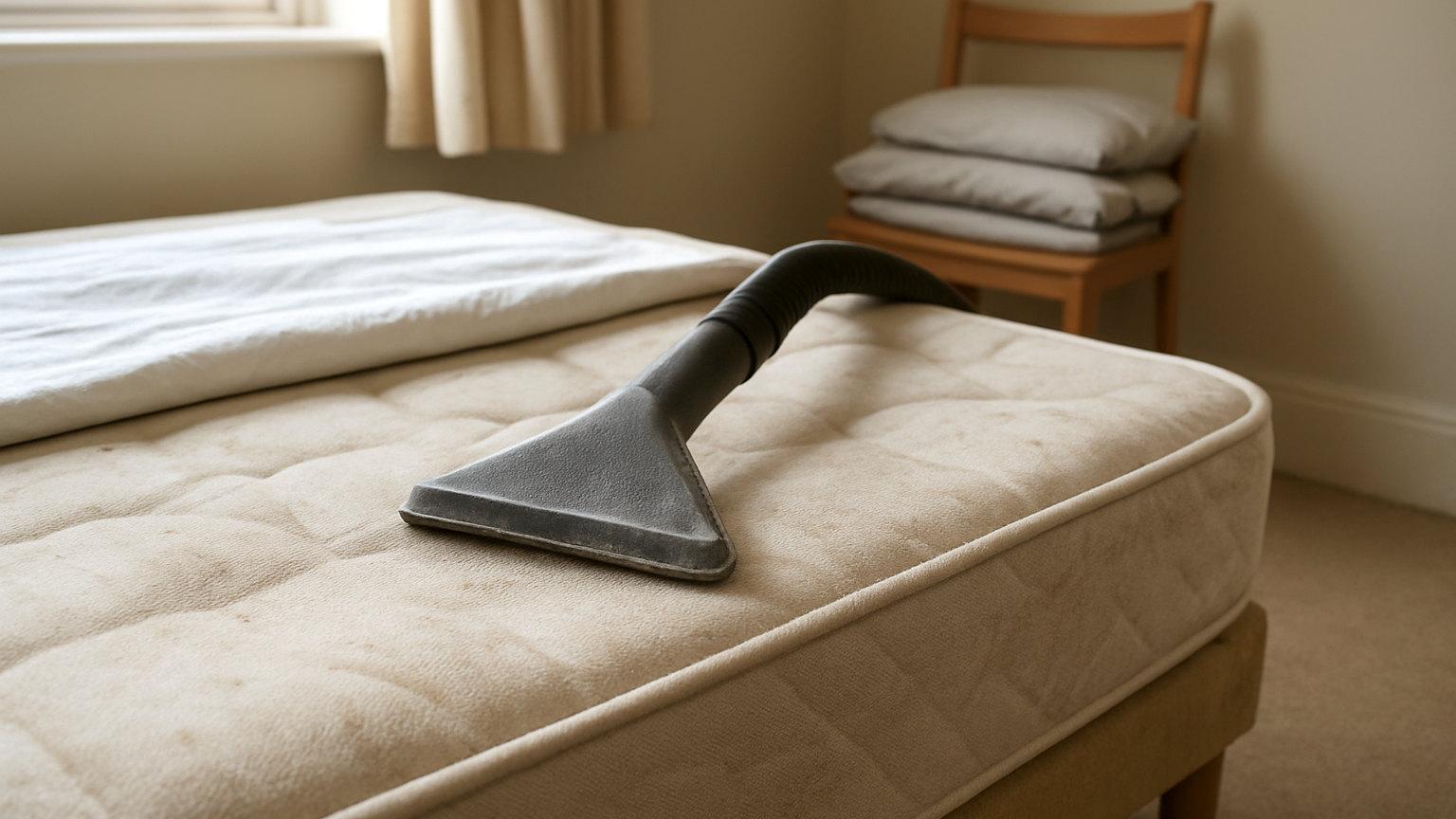
Look for a source that is holding moisture. Damp towels or gym kit in a laundry basket. A carpet that was cleaned and never fully dried. Bedding that has been in the airing cupboard slightly damp. An en suite door left open. A mattress that has never been aired or vacuumed. Any of these will re-release a smell into a room that has otherwise been aired.
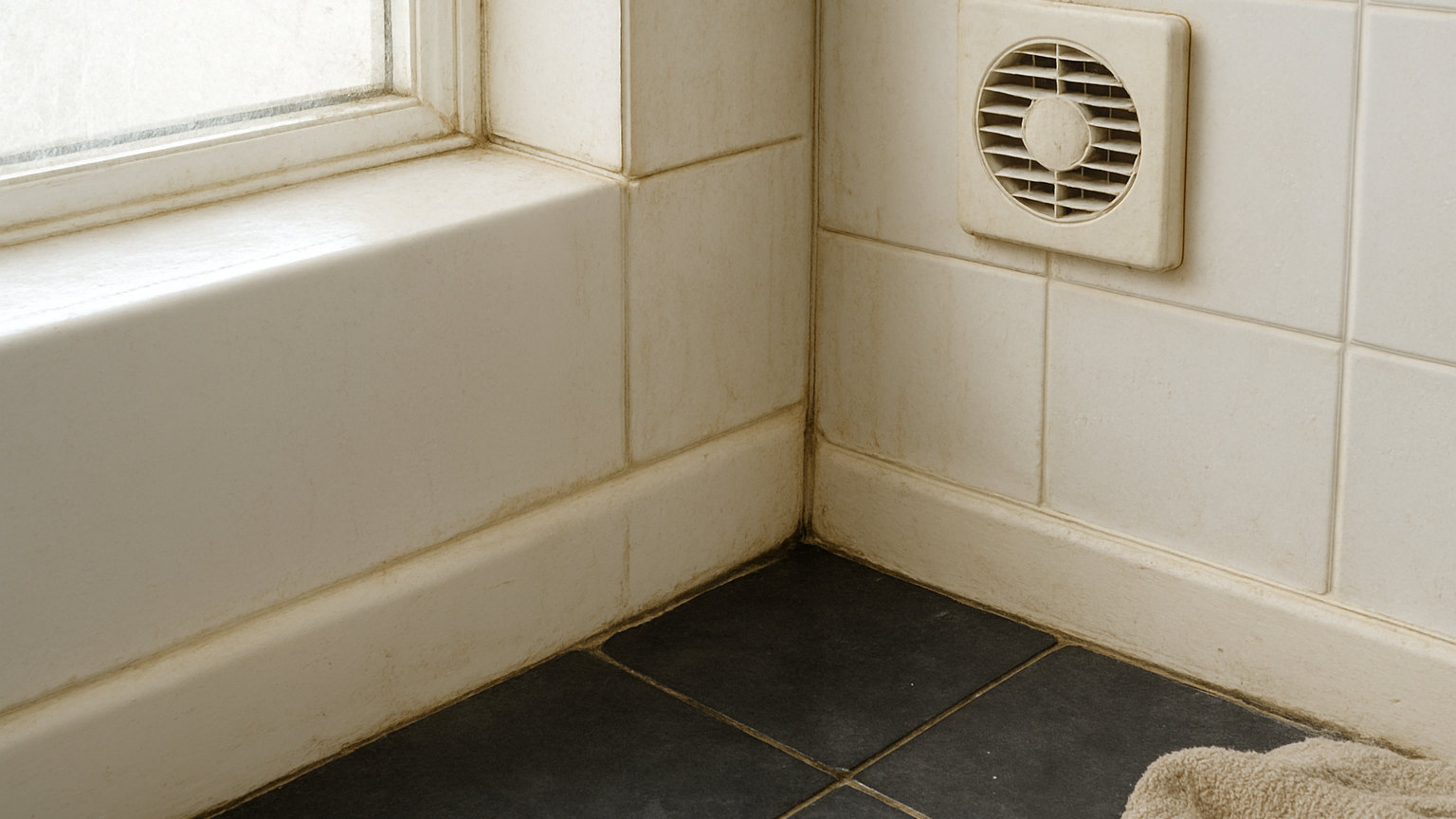
Persistent mustiness with black spotting on walls or window reveals points to condensation and mould rather than to anything the occupant is doing overnight, and needs the damp addressed rather than the smell.
Do air fresheners help?
They add a second smell on top of the first without removing any of the moisture or the stale air. Ten minutes of open window costs nothing and actually solves the problem, which is unusual among cleaning questions.