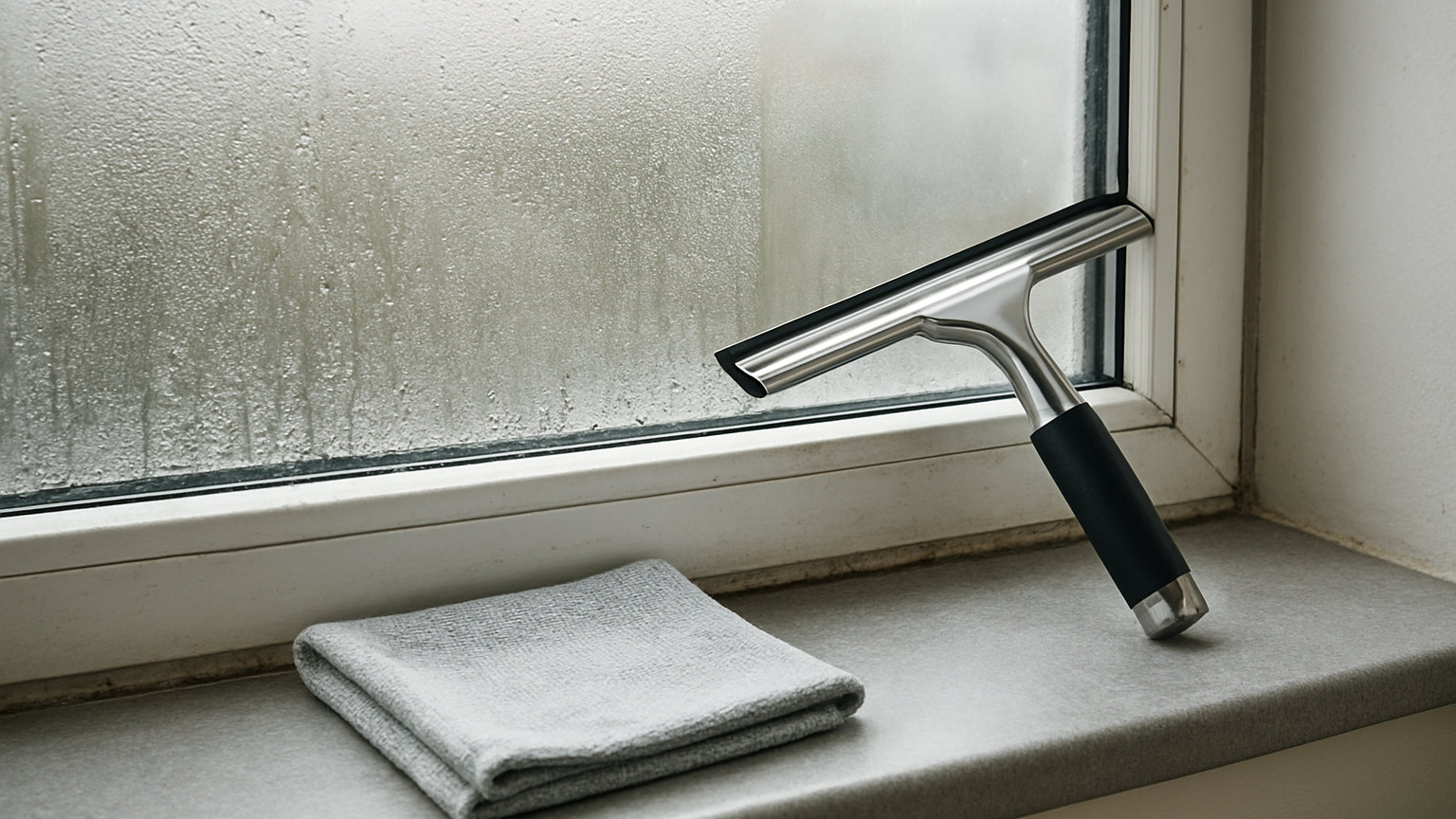
Condensation on a window is water vapour turning back into liquid on a surface cold enough to bring it below the dew point. Where it forms is the useful diagnostic, because condensation on the inside, on the outside and between the panes have completely different causes and completely different remedies.
Condensation on the inside of the glass
The most common, and it means the air in the room is more humid than the glass temperature will support. The window is not at fault; it is simply the coldest surface in the room and therefore the first place the moisture shows.
It is worst in bedrooms and bathrooms, worst in winter, and worst first thing in the morning after a room has been closed up overnight with people breathing in it.
What actually reduces it?
- Ventilate every morning, with windows wide open for ten to fifteen minutes rather than ajar all day.
- Open trickle vents and leave them open. They exist for this and are usually found closed.
- Run extractors properly, for fifteen to twenty minutes after a shower and while cooking, with the door shut.
- Do not dry laundry indoors without ventilation, since a single load releases a litre or more of water.
- Heat the house to a steady low background temperature rather than in short bursts, which keeps surfaces above the dew point.
- Keep furniture off external walls so air can move behind it.
- Use a dehumidifier in a persistently damp room, aiming to keep relative humidity below about 60 per cent.
Condensation on the outside of the glass
This looks alarming and is actually a good sign. It happens on clear, still nights when the outer pane radiates heat to the sky and cools below the dew point of the outside air, and it means the glazing unit is insulating well enough that almost no heat is escaping through it to warm the outer pane.
Nothing is wrong and nothing needs doing. It clears as the sun comes up and is most common in spring and autumn.
Condensation between the panes
This one is a fault. A sealed double glazed unit contains dry air or an inert gas, and the perimeter seal keeps moisture out. When that seal fails, damp air gets in and condenses between the panes, showing as misting that cannot be wiped away and often as a permanent cloudy or streaky film.
The unit can no longer insulate properly, and the only remedy is replacement of the glazed unit. The frame usually does not need replacing, which makes it a far smaller job than people expect. Various services claim to drill and dry a failed unit, and the results are generally short lived.
Why do some windows suffer more than others?
Bedrooms, because of overnight breathing in a closed room. North facing rooms, which stay colder. Rooms with drying laundry or an unvented tumble dryer. Windows behind heavy curtains, where the curtain traps cold air against the glass and stops room heat reaching it. And older windows with poorly insulating frames, where the frame itself is the coldest point.
Leaving curtains slightly open at the bottom, or tucking them behind a radiator shelf, often reduces the morning puddle noticeably.
Does condensation cause damage?
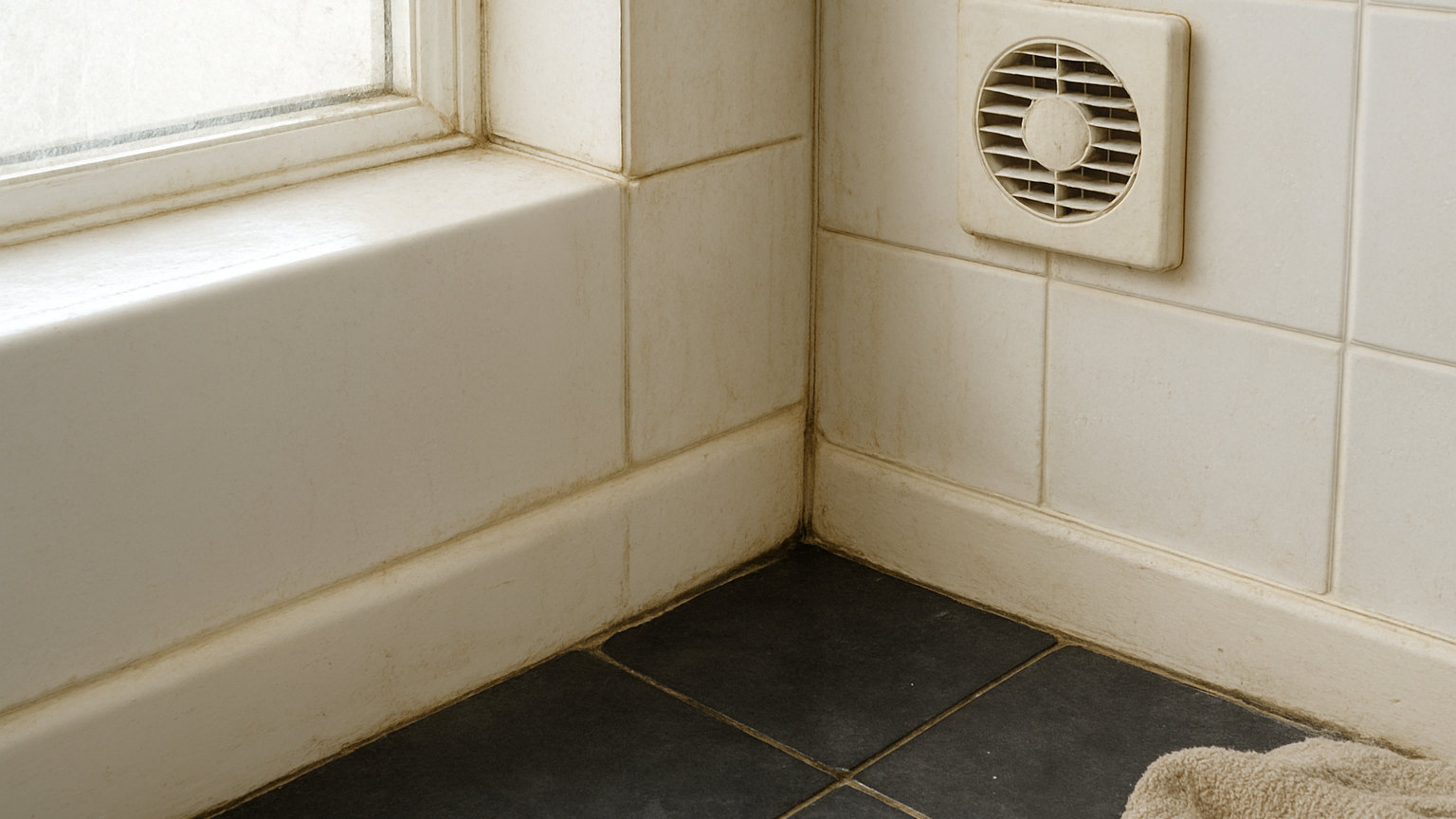
Left to run, yes. Water pooling on a sill soaks into timber and causes rot, lifts paint, and feeds the black mould that grows on the sealant and the reveal. Wiping the glass and the sill each morning is a two minute job that prevents all of it, and a window vacuum makes it quicker still.
Persistent mould around windows is a sign the humidity problem needs addressing rather than the mould.
Is new double glazing to blame?
Not directly, though households often notice condensation getting worse after windows are replaced. Older draughty windows ventilated a house continuously and wastefully, and sealing them up removes that airflow without removing the moisture the household produces. The remedy is deliberate ventilation rather than regret about the windows.