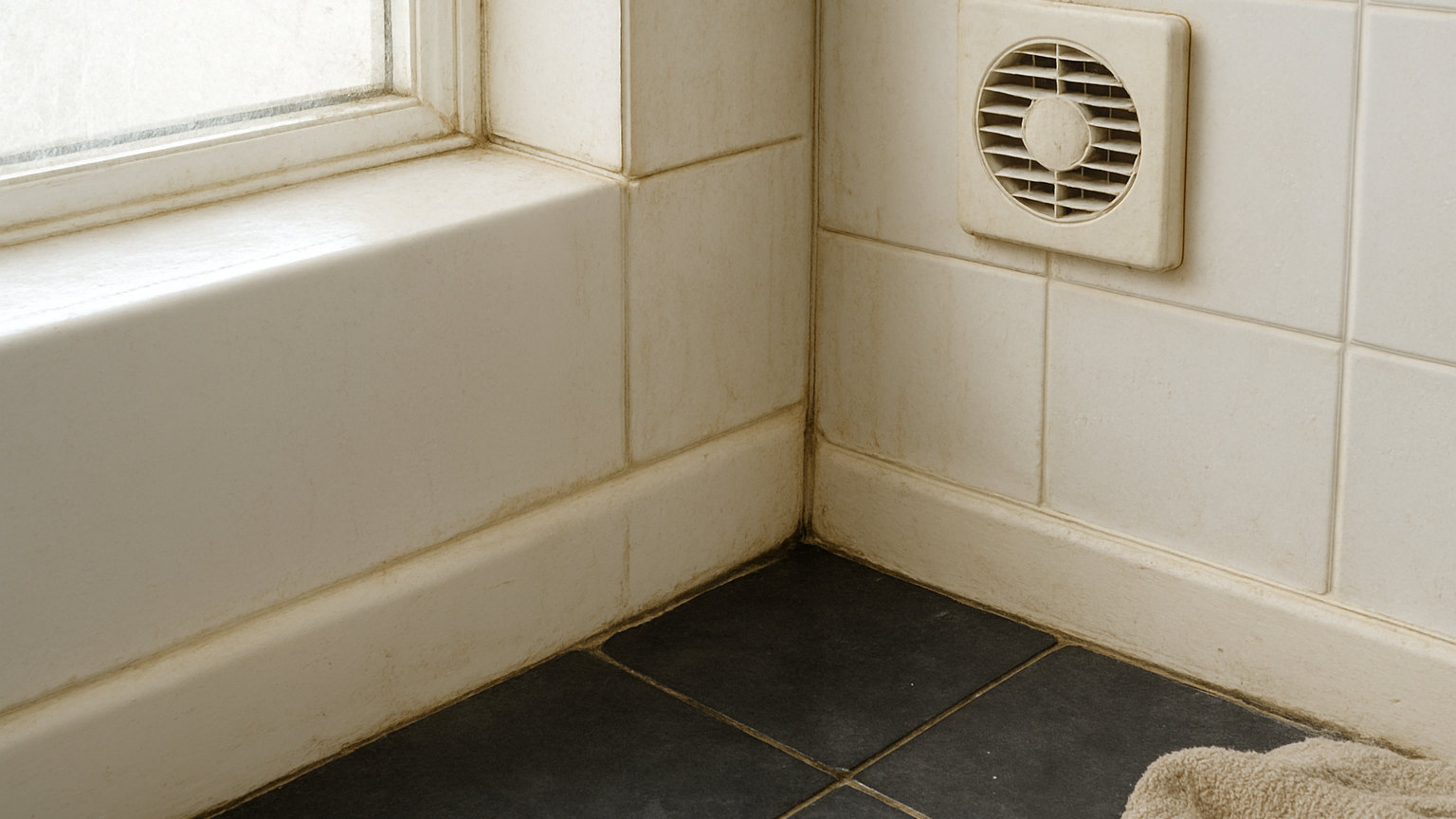
The perimeter of a room collects more fine dust than the middle, and it is the one area that a vacuum floor head and a mop cannot properly reach. That is why a dark line along the skirting is such a reliable indicator of how thoroughly a house is being cleaned, and why rooms that look clean can still feel dusty.
Why does dust collect at the edges?
Because of how air moves in a room. Currents from doorways, radiators and open windows carry fine particles across the floor and deposit them where the air slows, which is at the junction with the wall. Nobody walks there to disturb it, so it accumulates undisturbed and gradually compacts.
In rooms with a carpet, the join between carpet and gripper rod holds a particularly dense line of it.
Which tools actually reach?
- A crevice tool is the single most useful attachment for this, run along the whole perimeter in one continuous pull.
- A brush attachment for the skirting itself and the top edge of the board.
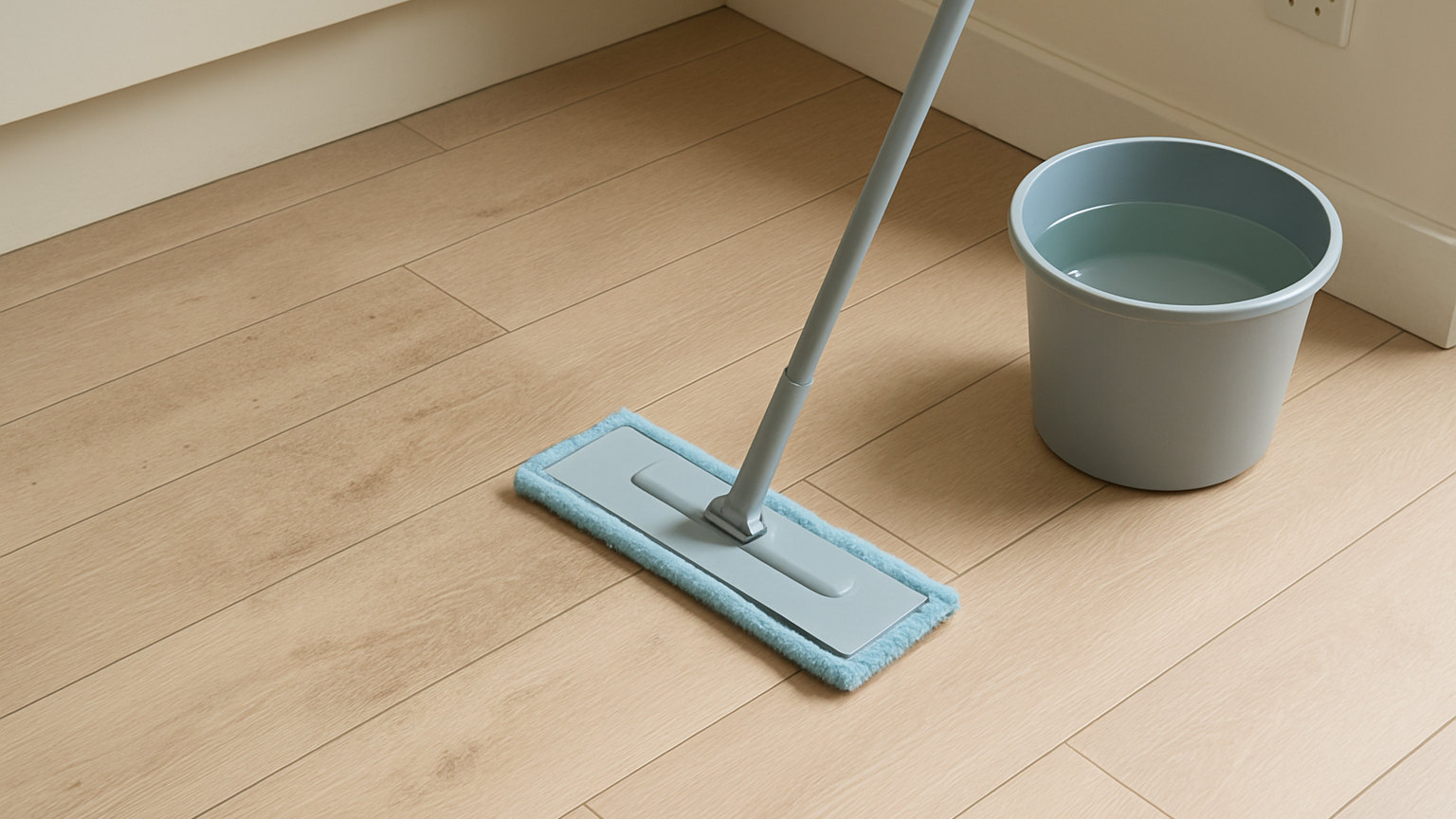
- A flat mop turned on its side for hard floor edges.
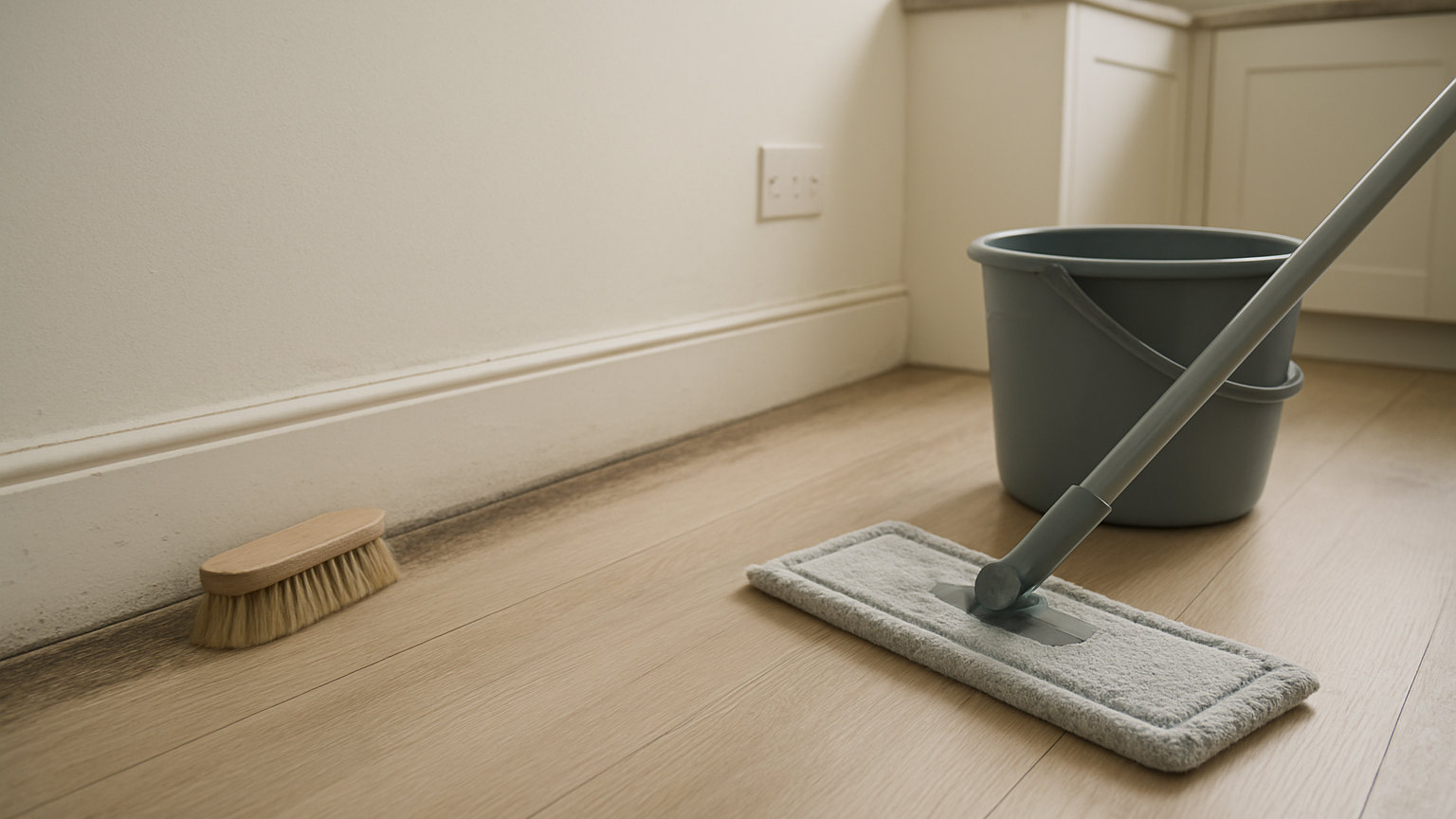
- An old paintbrush or a dry toothbrush for internal corners, where nothing else fits.
- A cloth over a thin blunt tool such as a ruler for the join between floor and skirting.
Most vacuum kits already include the two that matter, and they sit unused in a cupboard in most houses.
How often does the perimeter need doing?
Every three or four normal cleans is enough in most rooms, and monthly is a reasonable default. It takes a few minutes per room once the tool is on the machine, and doing the whole house perimeter in one session is more efficient than swapping tools repeatedly in each room.
Hallways and rooms with hard floors need it more often, since fine dust shows more clearly and there is no pile to hold it.
What about corners specifically?
Internal corners collect the most and are the hardest to reach, particularly where two runs of skirting meet with a mitred joint that leaves a small gap. A stiff brush loosens what is compacted there, and the crevice tool takes it away. Do the loosening first and the vacuuming second, or you simply push it further in.
Cobwebs also form in corners at floor level as well as ceiling level, and spiders tend to favour the corner furthest from the door.
How do you clean the edges on a hard floor?
Vacuum first with a crevice tool, then wipe with a damp microfibre cloth along the junction. A mop head, even a flat one, leaves a strip of a centimetre or two untouched against the skirting, which is where residue builds and eventually shows as a dark line on the floor rather than on the board.
Dry the edge afterwards on wood and laminate, since water sitting in that junction is a common cause of lifting and swelling at the perimeter.
What gets missed besides the edges?
The threshold strips in doorways, which collect grit in the channel. The area directly under a radiator. The gap between a kitchen kickboard and the floor. Behind doors that are usually left open. And the floor beneath furniture that is never moved, which can go years without being touched.
Adding two or three of these to each monthly clean gets through them all over a year without any one session feeling like a project.
Is a robot vacuum any help here?
Not particularly, and this is where they are weakest. Most cannot reach into a square corner or tight against a skirting board, and over time they leave exactly the perimeter line described above while keeping the middle of the room spotless. They are genuinely useful for maintaining the open floor between proper cleans, but they shift the edge work onto you rather than removing it, and a house cleaned only by a robot develops a visible frame of dust within a few months.