The first question with a wood floor is not what to clean it with but how it is finished, because lacquered and oiled floors need almost opposite treatment. A lacquered floor has a film sitting on top of the timber and is cleaned. An oiled floor has oil absorbed into the timber and is maintained. Using the wrong approach on either produces disappointing results.
How do you tell which finish you have?
Put a small drop of water on the floor in an inconspicuous spot. On a lacquered floor it will bead and sit on the surface. On an oiled floor it will begin to darken the wood within a few minutes as it soaks in.
Lacquered floors have a slight uniform sheen and feel like a sealed surface. Oiled floors feel more like timber, with the grain slightly perceptible, and have a matt, natural appearance.
What is the routine for a lacquered floor?
- Vacuum or sweep two or three times a week with a soft brush head, never a rotating brush bar.
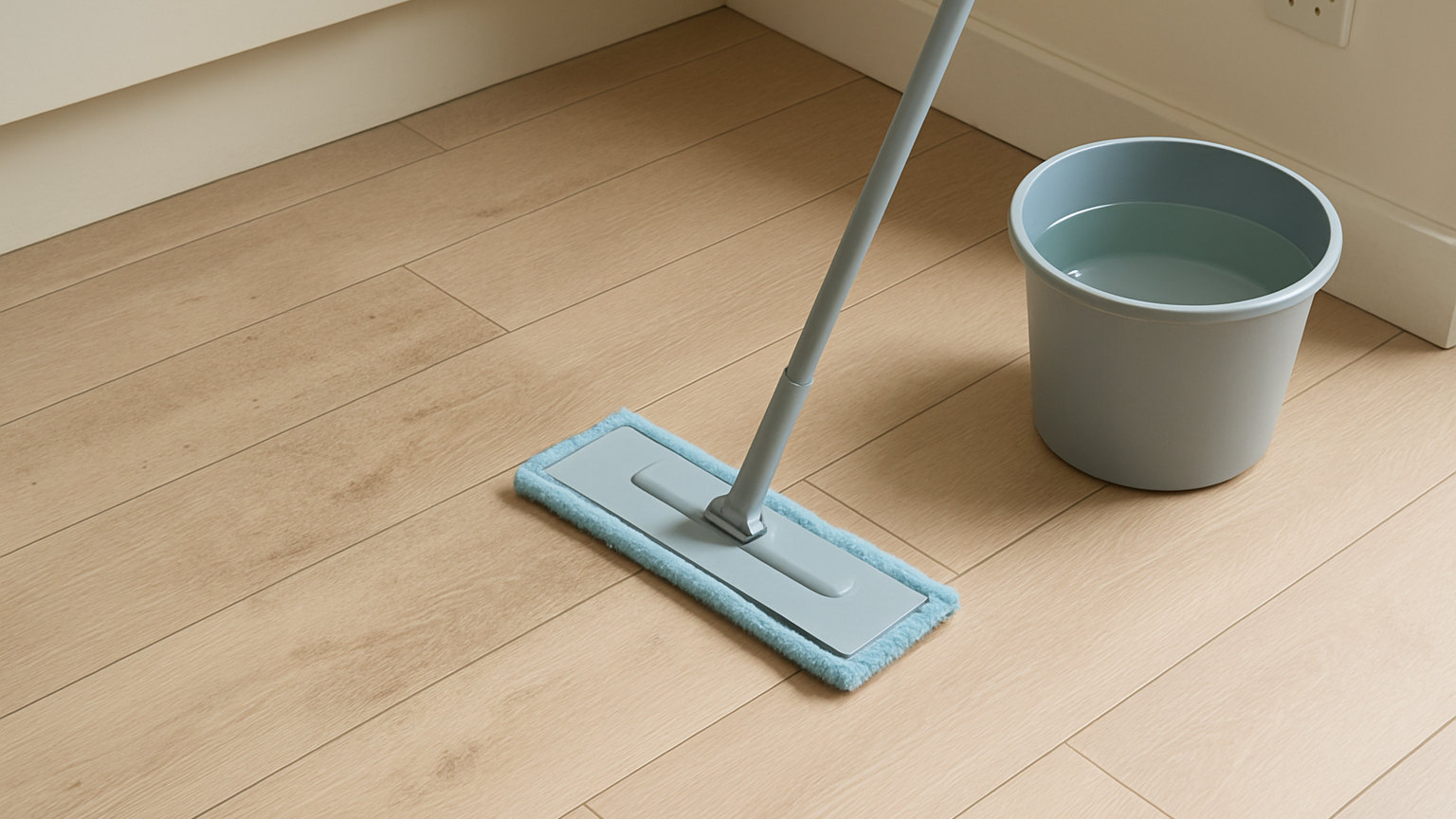
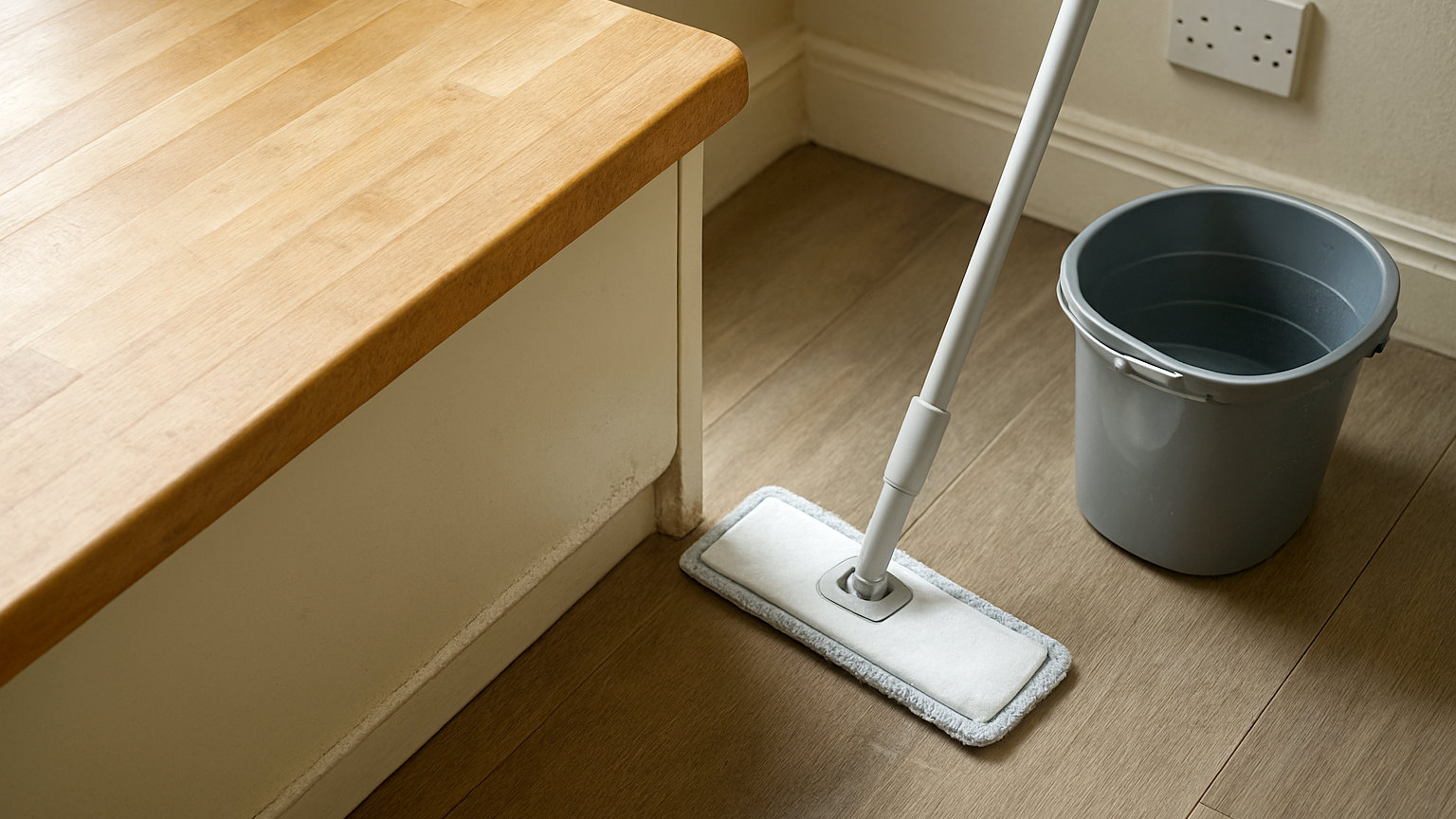
- Damp mop every one to two weeks with a wood floor cleaner at the stated dilution.
- Wring the mop until it is barely damp, and work along the grain.
- Dry any remaining moisture immediately.
Avoid oil based products, wax and anything described as a polish. They do not bond to a lacquer and leave a slippery film that has to be stripped off later.
What is different about an oiled floor?
Oiled floors need a specific oil soap or maintenance cleaner, which cleans while replenishing a small amount of oil. Ordinary detergent strips the oil out of the timber and leaves it looking dry and patchy, and water sitting on an unsealed area will stain.
Every six to twelve months, depending on traffic, an oiled floor needs re-oiling, either across the whole floor or in the high traffic areas. The great advantage of an oiled floor is that this can be done in patches and blends invisibly, which is not true of lacquer.
How much water is safe?
Very little on either finish. Wood absorbs moisture and expands, and repeated wetting causes cupping, where board edges rise higher than the centres, and gaps when it dries again. A damp mop that leaves the floor dry within a minute is the target.
Never use a steam mop on a wood floor. The combination of heat and moisture damages lacquer, drives water into the joints and can loosen the bond between boards and subfloor.
What should never go on a wood floor?
- Bleach and ammonia, which damage the finish and can lighten the timber.
- Vinegar and other acids, which etch lacquer and dull it over time.
- Abrasive pads and scouring cream.
- Silicone based polishes, which build up, attract dust and make refinishing difficult.
- Excess water in any form.
How do you protect it day to day?
Felt pads under every leg of every piece of furniture, checked twice a year because they wear and fall off. A doormat at each entrance and ideally a shoes off habit, since grit and stiletto heels do more damage than anything else. Rugs in the highest traffic runs, with a breathable underlay rather than solid rubber, which can mark the finish.
Keep indoor humidity reasonably stable, because wood moves with the seasons. Very dry heated air in winter causes gaps to open, and high humidity causes boards to swell.
How do you know when it needs refinishing?
When the lacquer has worn through in traffic lanes, so the timber underneath is exposed and marks readily. At that point cleaning cannot help, and the floor needs sanding and recoating, or a screen and recoat if the wear is only in the top layer.
An oiled floor rarely needs full sanding at all, since re-oiling restores the worn areas and blends them in. That difference in long term maintenance is worth understanding before choosing a finish rather than discovering it a decade later, and it is the main practical argument for oil over lacquer in a busy household.