Cooking smells linger because the compounds causing them do not simply float away. They condense onto cool surfaces, soak into soft furnishings and settle in the grease film on cupboard doors, which means the smell has a physical home in the room and keeps releasing for days. Removing it is a matter of ventilation and washing rather than covering it with something stronger.
Why do some smells hang around so much longer than others?
Because of what carries them. Frying, in particular, sends fat into the air, and fat is an excellent solvent for aroma compounds. The airborne droplets land on walls, curtains, cupboard doors and the ceiling and then hold their smell for as long as the film stays there. Fish, curry, bacon and anything deep fried are the usual offenders for exactly this reason, while boiling and steaming produce almost nothing that persists.
What matters most during cooking?
Extraction, and starting it early. Switch the hood on before the pan gets hot rather than when it starts to smoke, use the back burners where the hood covers them properly, and leave the extractor running for ten to fifteen minutes after you finish. Lids on pans cut airborne fat dramatically, and so does keeping the heat under a frying pan slightly lower than it wants to be.
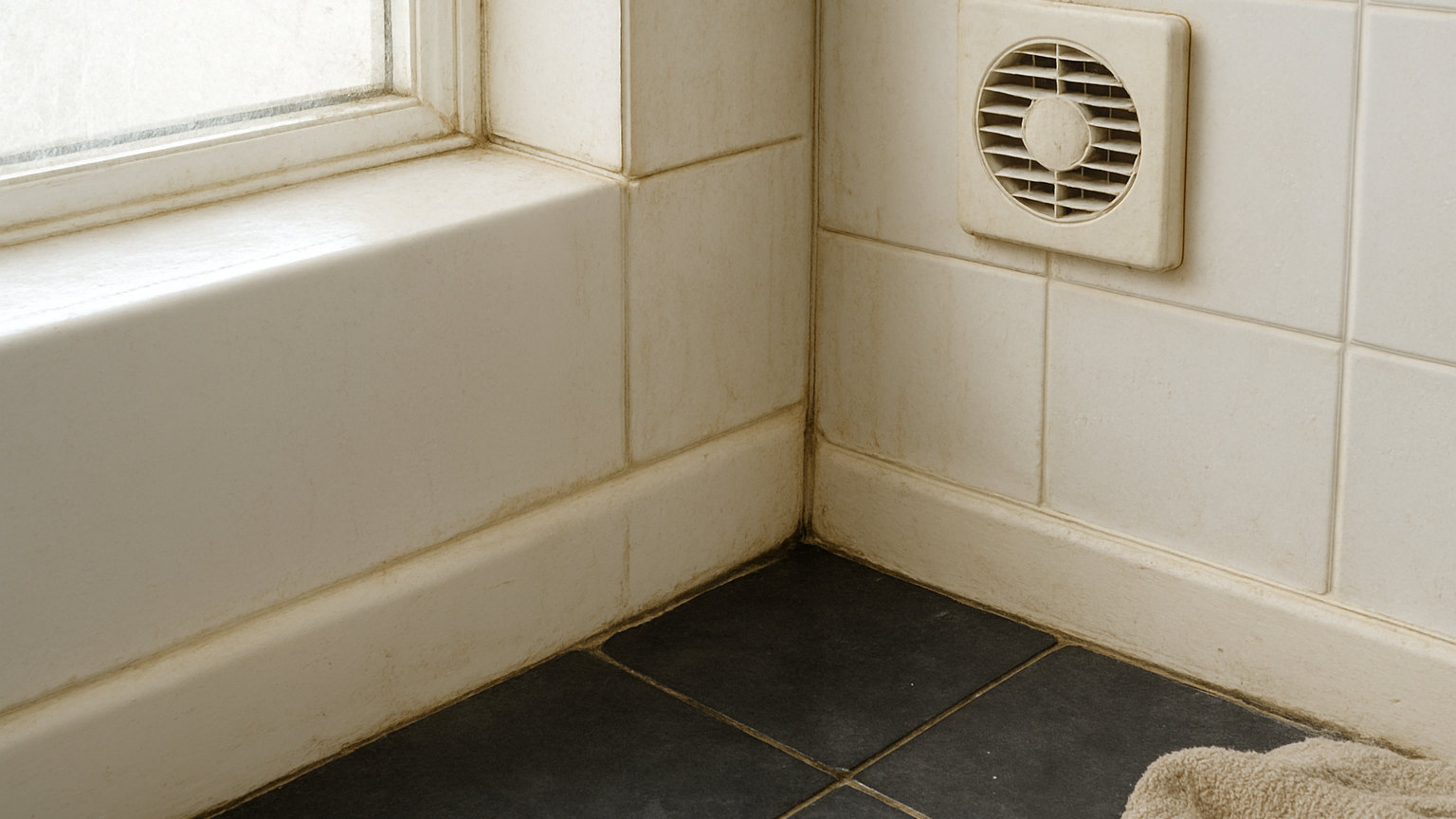
If the kitchen has no extractor, or has a recirculating hood with a saturated carbon filter, open a window and put a fan in the doorway blowing outwards. Creating a draught out of the room works far better than opening two windows and hoping.
What do you do about a smell that has already settled?
Ventilate hard first, then wash the surfaces the smell is sitting on.
- Open windows on two sides of the house for half an hour to get real air movement rather than a trickle.
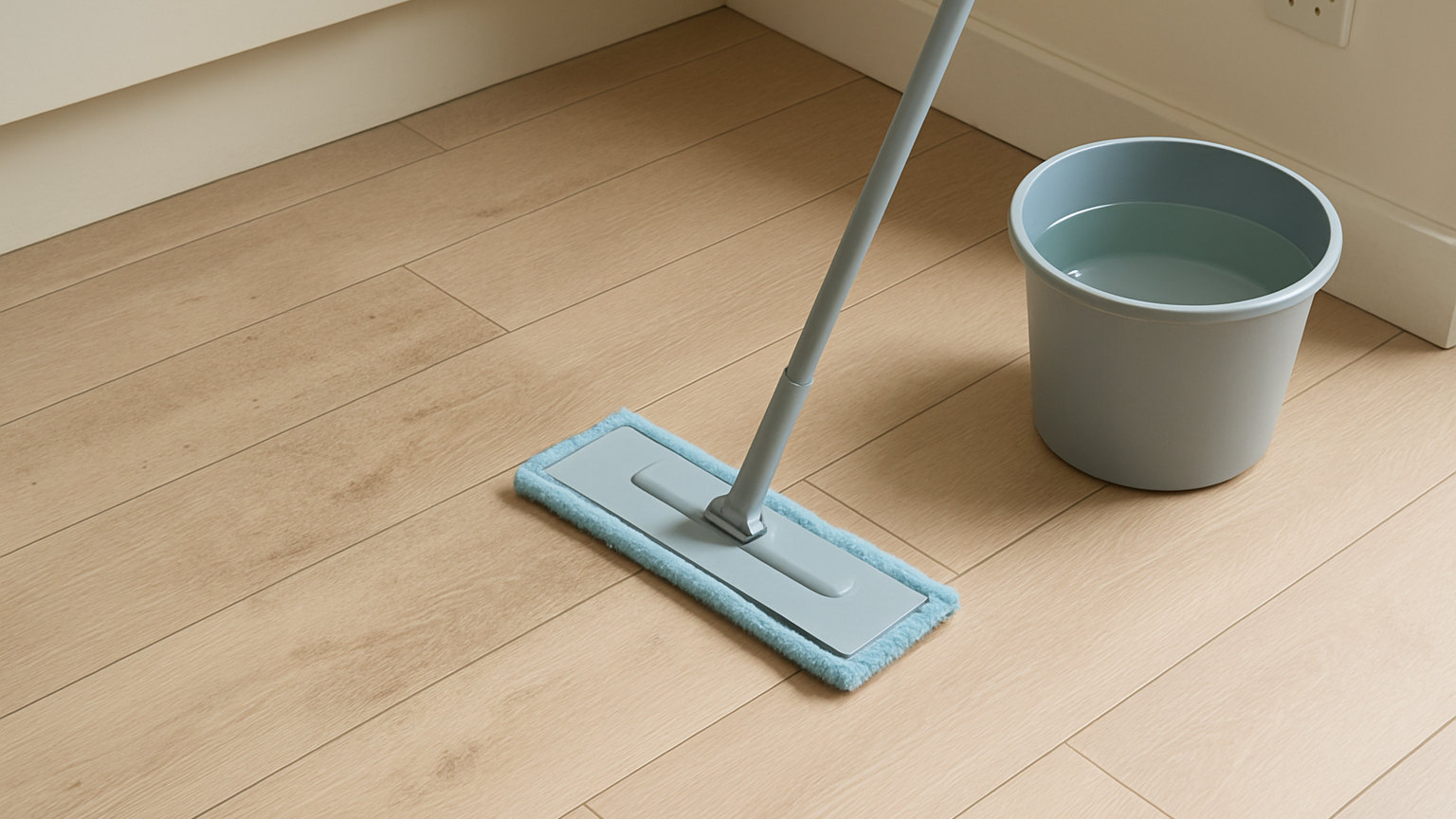
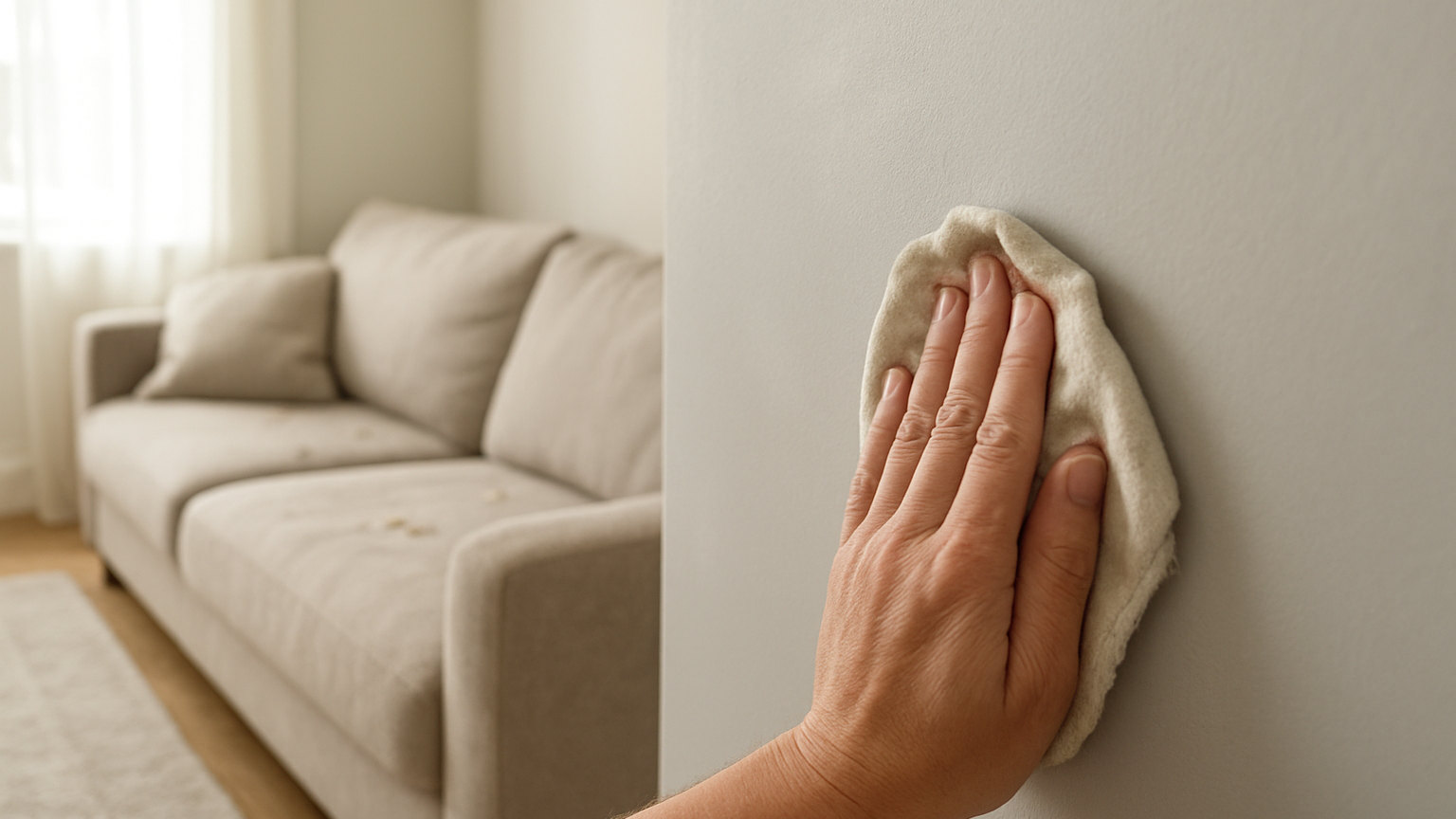
- Wash the hard surfaces with hot water and washing up liquid: cupboard doors, splashback, worktops, the hood and the wall behind the hob. This is where most of the residue is.
- Wash the fabric. Tea towels, oven gloves, aprons, blinds, cushion covers in an open plan space, and anything else that has been in the room.
- Deal with the bin, which will be holding the packaging and trimmings from whatever was cooked.
- Run the extractor for an hour with the window open once the surfaces are washed.
Which household remedies genuinely work?
Simmering a pan of water with sliced lemon, a few cloves or a stick of cinnamon does help, though not for the reason usually given: the steam raises humidity and helps carry odour compounds out of the room when the window is open, and the new smell is more pleasant. Do it with ventilation, not instead of it.
A bowl of white vinegar left out overnight absorbs a reasonable amount, and so does bicarbonate of soda spread in a shallow dish, though bicarbonate is slow and needs a large surface area to do much. Coffee grounds are popular and mostly just add coffee to the mix.
What does not work?
Air freshener, scented candles and plug-ins add a second smell on top of the first, and the combination is usually worse than the original. They also do nothing about the residue, so the smell returns as soon as the fragrance fades. The same applies to spraying fabric freshener onto curtains that need washing.
Why does a smell come back a day later?
Because it was never removed, only diluted. Warm damp air from the next cooking session re-releases odour compounds held in the grease film, which is why the smell of Friday night fish reappears on Sunday afternoon. If a smell keeps returning, the answer is almost always a wash of the hard surfaces and a check of the extractor filter rather than more ventilation.
How do you stop it happening in an open plan kitchen?
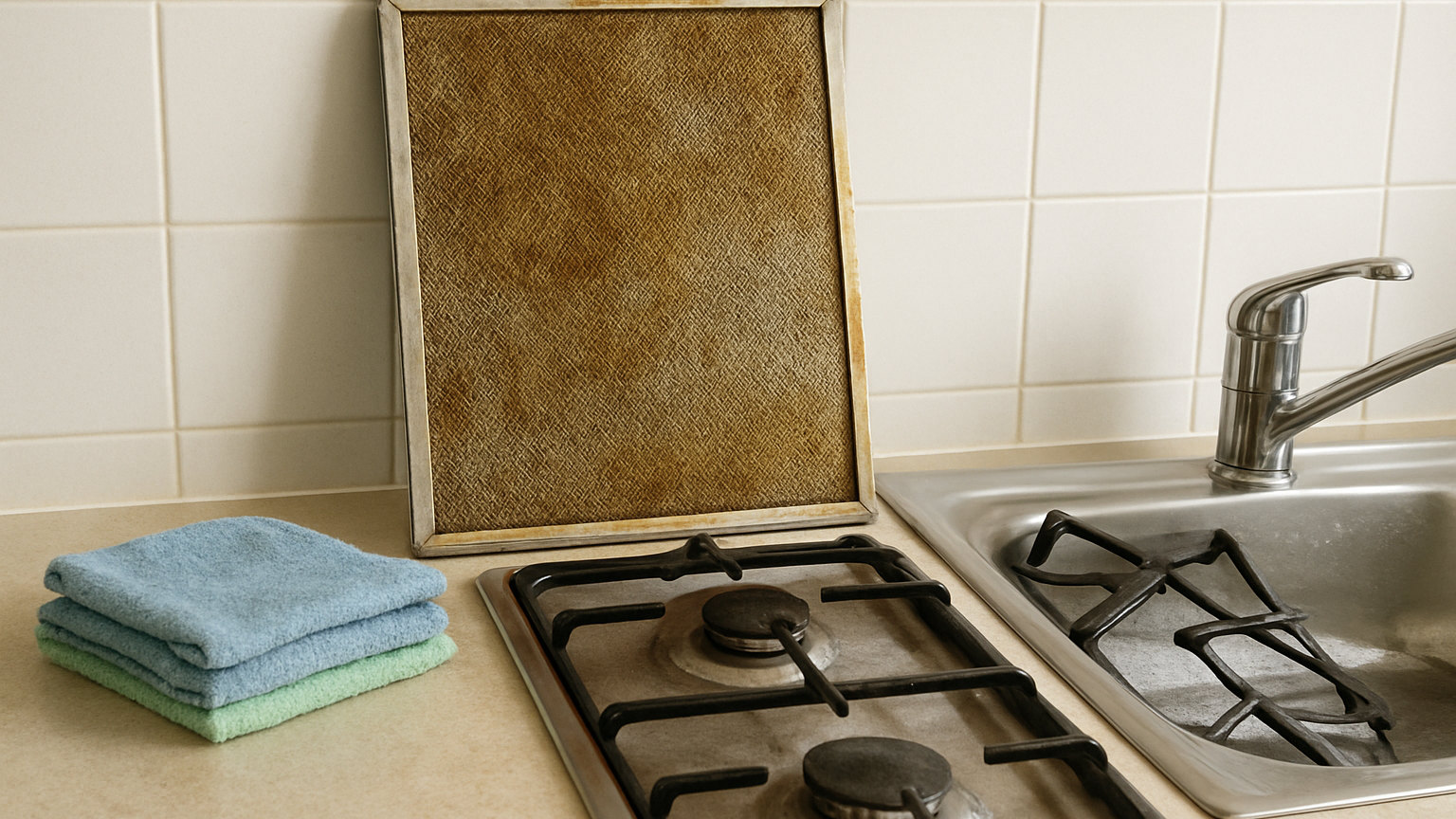
Open plan makes everything harder because the smell has soft furnishings to settle into. A ducted extractor rather than a recirculating one is the biggest single improvement. Beyond that, close doors to bedrooms before cooking anything strong, run the extractor for longer than feels necessary, and keep the hood filter clean, since a saturated filter turns an extractor into an expensive fan.