A wood burning stove needs less frequent cleaning than most people assume, and some of what gets cleaned away is actually useful. A thin bed of ash in the base insulates the fire and helps it burn better, and the glass can be cleaned with the ash itself. What does matter is the annual work, and that is the part most often neglected.
How much ash should you remove?
Leave a layer of about two to three centimetres in the bottom of a wood burner. Wood burns better on a bed of ash, which retains heat and helps the fire establish. Remove the excess above that, and empty the pan completely on a multi-fuel stove burning coal, which needs the airflow from underneath.
Let the ash cool for at least 24 hours before removing it. Ash retains heat for far longer than it appears to, and ash pans are a common cause of house fires when emptied into a plastic bin.
What is the safe way to remove it?
Use a metal bucket with a lid and a metal shovel, never a plastic dustpan. Work slowly, since ash is extremely fine and lifts into the room with any sudden movement. A dedicated ash vacuum with a metal canister and a fine filter is the cleanest option; a household vacuum should never be used, as fine ash passes straight through the filter and hot embers can damage the machine.
Store the bucket outside on a non-combustible surface until you are certain the contents are cold.
How do you clean blackened stove glass?
With ash, which is mildly abrasive and alkaline and works remarkably well.
- Wait until the stove is completely cold.
- Dampen a piece of crumpled newspaper or a cloth.
- Dip it into the cold white ash in the base.
- Rub the glass in circles, and the black deposit lifts away.
- Wipe with a clean damp cloth, then dry with newspaper.
For heavy tar deposits, a proprietary stove glass cleaner works faster. Avoid ordinary abrasives and scourers, which scratch the glass, and never use anything on hot glass, which can crack it.
Why does the glass blacken quickly?
Because of how the stove is being run rather than because it needs cleaning more often. The usual causes are wet wood, burning at too low a temperature, and closing the air controls down too far. Wood should be seasoned to below 20 per cent moisture, and a stove run hot enough for the airwash system to work will keep its own glass largely clear.
If the glass blackens within one burn, the moisture content of the fuel is the first thing to check.
What needs doing to the stove itself?
Check the rope seal around the door annually by closing the door on a sheet of paper and pulling: if it slides out easily, the seal needs replacing. Inspect the fire bricks for cracks, and the baffle plate for warping or soot build up. Wipe the body with a dry brush rather than a damp cloth, since cast iron and steel will rust.
How do you clean the hearth and surround?
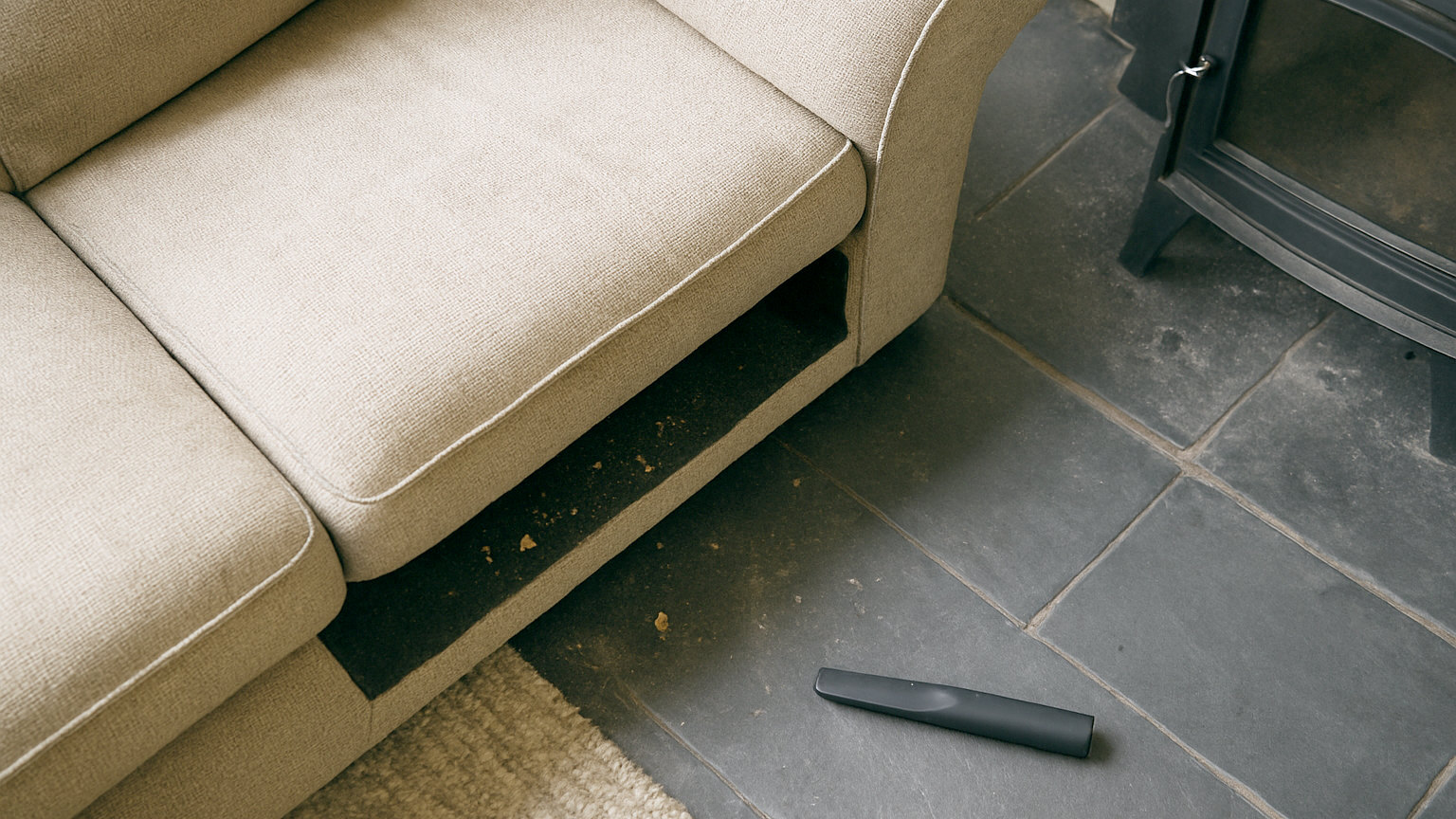
Vacuum or brush the loose ash first, gently. For a stone or slate hearth, warm soapy water and a cloth, dried afterwards, and never an acidic cleaner on limestone or marble. For soot marks on a painted surround, a dry chemical sponge lifts soot far better than anything wet, which tends to smear it into the paint.
What should be left to a professional?
The chimney. A flue burning wood should be swept at least once a year, and twice if it is in heavy use or burning unseasoned wood. A sweep will also check the flue condition, the register plate and the stove installation, and issue a certificate that many home insurers ask for. This is not a job to attempt with a brush from a hardware shop, since a blocked or damaged flue is both a fire risk and a carbon monoxide risk.
A working carbon monoxide alarm in the same room is a legal requirement in many circumstances and a sensible one in all of them.