A living room that was dusted at the weekend can look dusty again by Wednesday, and the reason is that most of the dust is made in the room rather than carried into it. Carpet, upholstery, curtains and cushions shed fibres constantly, people shed skin cells, and every time someone sits down on a sofa a small cloud of both is released into the air.
What is household dust made of?
Mostly fibres from textiles and carpet, skin cells, soil and grit carried in on shoes, pollen and outdoor particles blown through open windows, pet dander in homes with animals, and soot or fine ash where there is an open fire or a wood burner. In a living room the textile and skin fraction dominates, because the room is full of fabric and full of people sitting on it. That is also why the composition differs from a kitchen, where grease and food particles make up a far larger share.
Why does it settle again so quickly?
Because dusting disturbs as much as it removes, unless the method is right. A dry cotton rag or a feather duster pushes particles into the air, where they stay suspended for a few hours and then settle back onto the surfaces you have just cleaned. That is why a room can genuinely look worse an hour after being dusted.
Air movement matters too. Opening a door, a warm radiator creating a convection current, and a fan or air conditioning unit all keep fine particles circulating rather than letting them settle where a vacuum can reach.
What should you dust with?
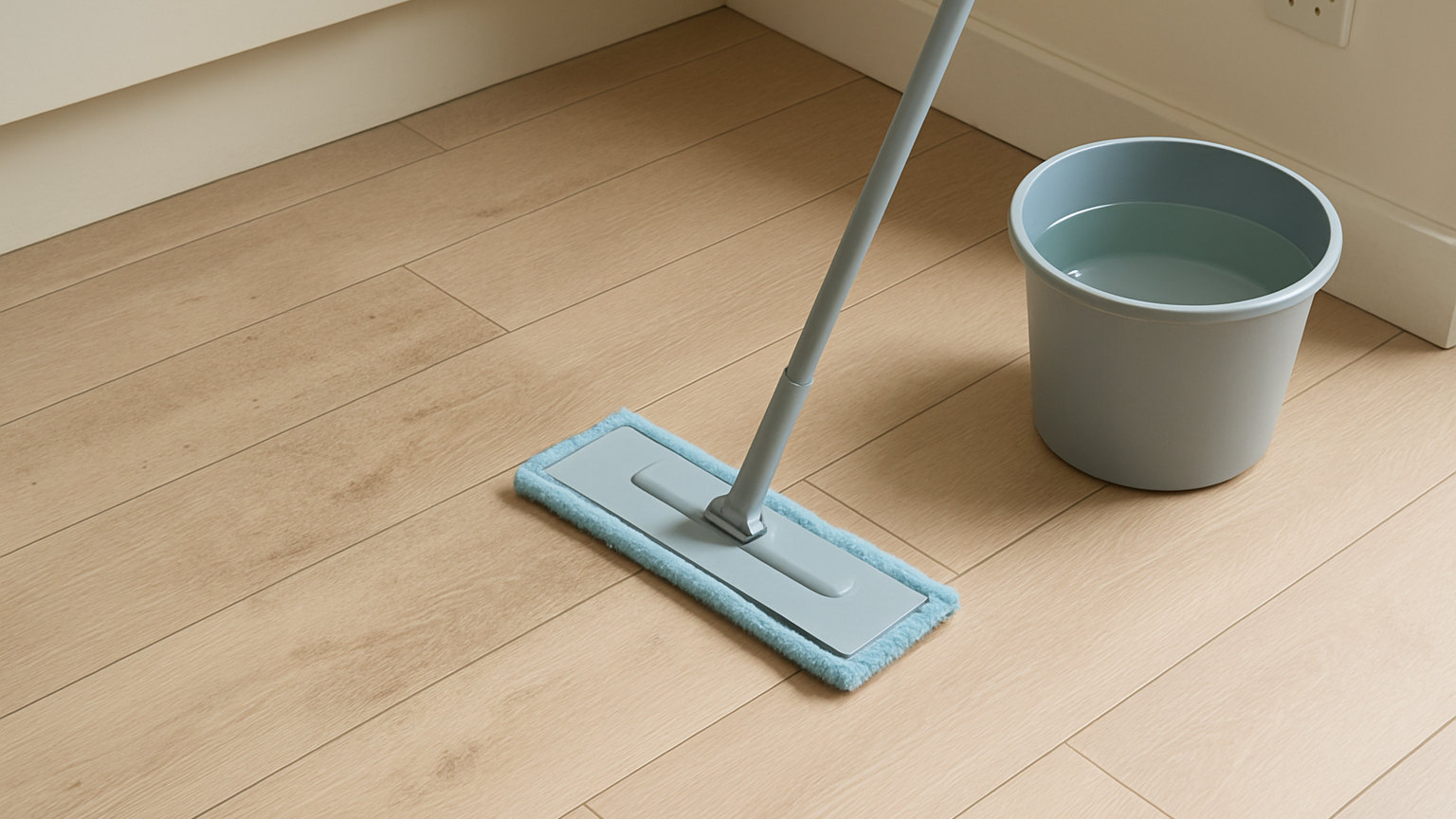
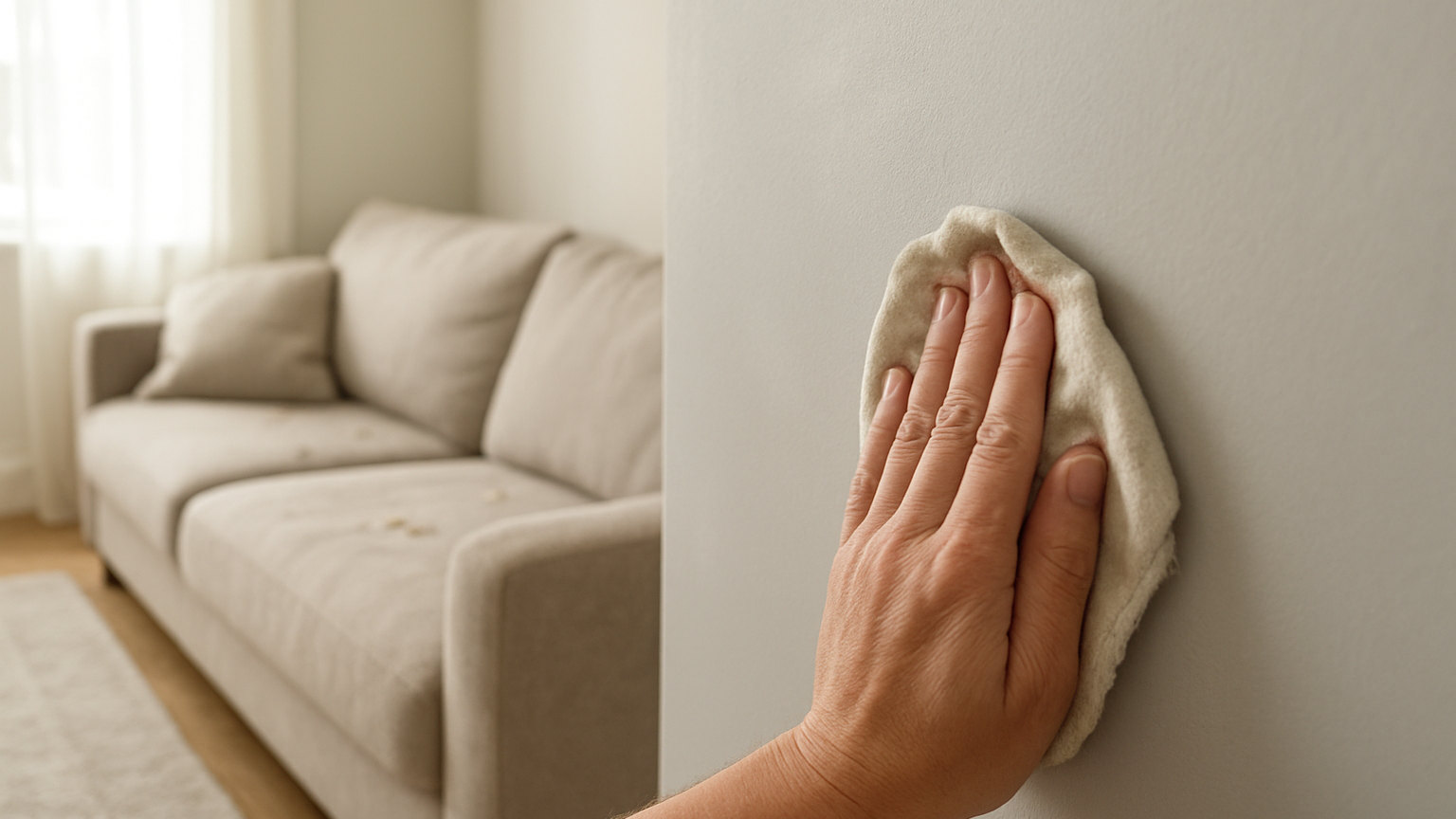
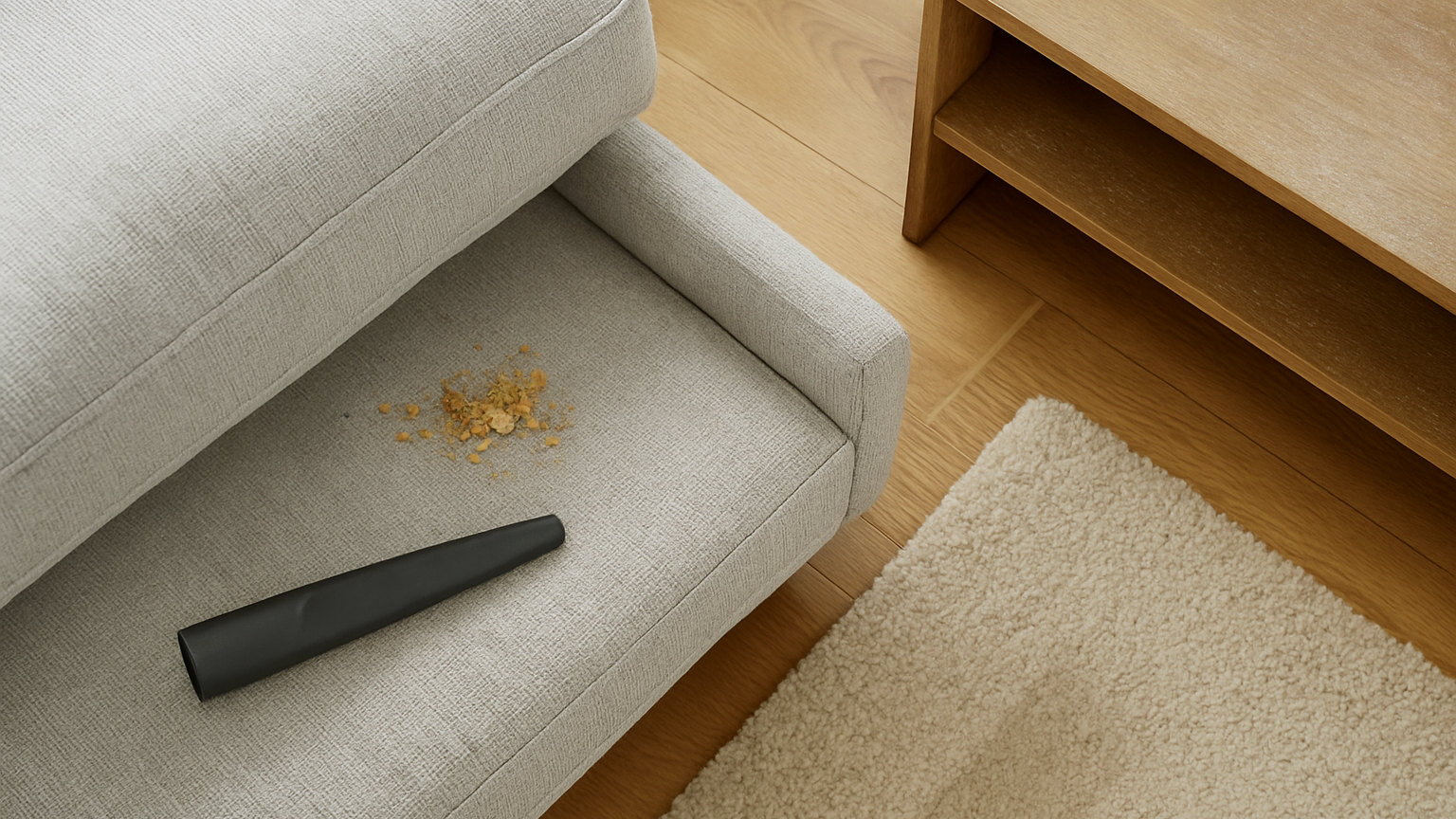
Something that traps rather than moves. A dry microfibre cloth holds particles in the fibre structure, and a slightly damp one holds more still. Electrostatic disposable dusters work well on awkward shapes. A vacuum with a soft brush attachment is the most thorough option of all for skirting, radiators and shelves.
Whatever you use, shake it out over a bin or wash it rather than reusing a loaded cloth, which simply spreads what it has already collected.
Which changes actually reduce the amount?
- Shoes off at the door, which cuts the soil and grit fraction substantially.
- A doormat inside and out, which catches a surprising proportion of what would otherwise reach the carpet.
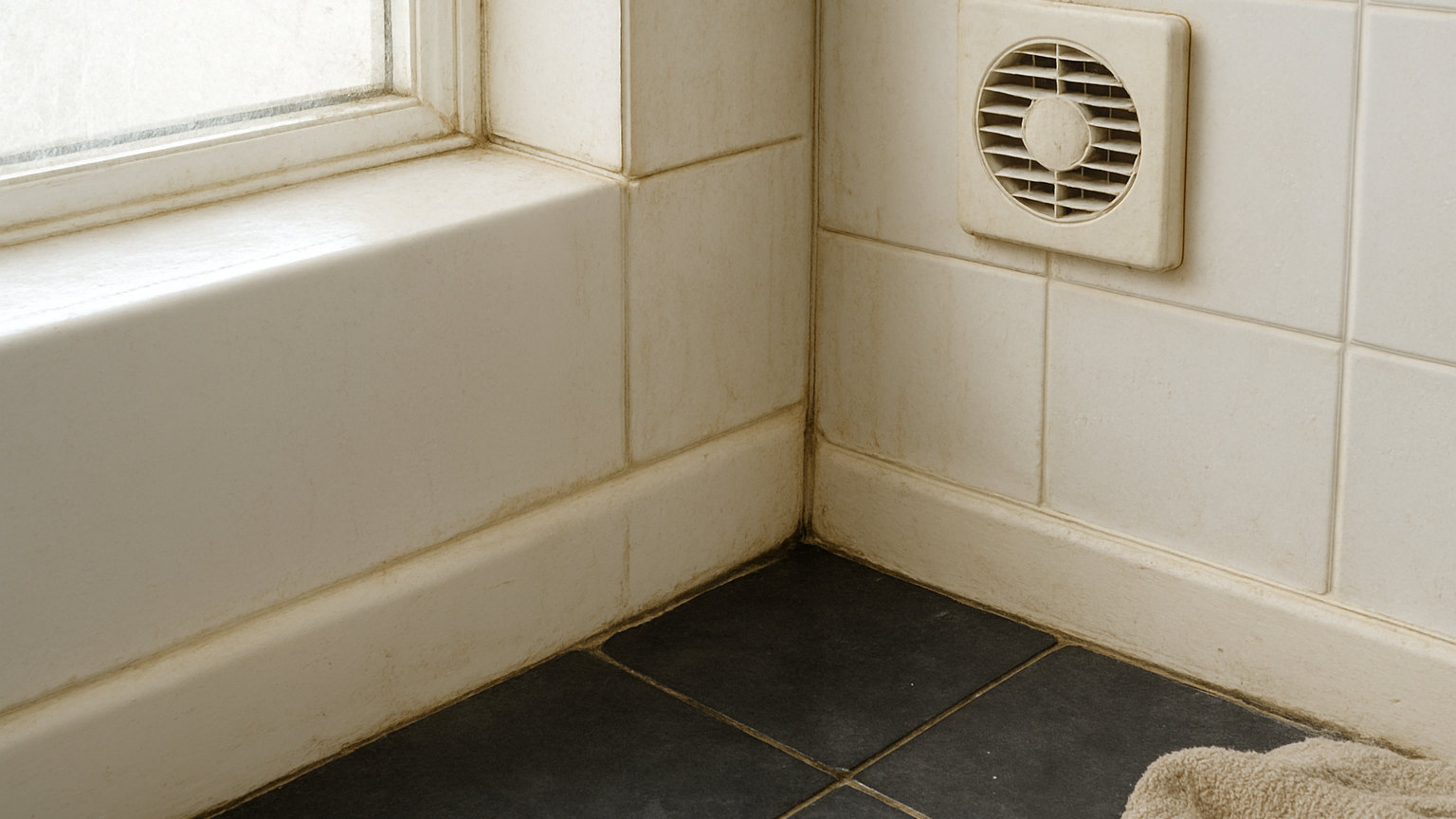
- Fewer open surfaces and less clutter, so there are fewer places for dust to sit and shelves can be wiped in one pass.
- Vacuuming twice a week with a sealed vacuum and a good filter, so fine dust is retained rather than blown out of the exhaust.
- Washing throws and cushion covers regularly, which removes the fibres before they circulate.
- Closed storage rather than open shelving for books and media, which are significant dust collectors.
Does an air purifier help?
It reduces the fine airborne fraction and can make a noticeable difference for anyone with allergies. What it will not do is stop surfaces getting dusty, because the larger particles that make a shelf look grey settle out of the air within minutes and never reach the filter. Expect cleaner air rather than less dusting.
Do candles and open fires make it worse?
Yes, both. Candles produce soot, particularly if the wick is left long or they are burned in a draught, and that soot settles as a fine dark film that shows on light surfaces. Wood burners and open fires release fine ash into the room every time they are opened or riddled.
Trimming wicks to about 5mm, burning candles away from draughts and opening a stove slowly rather than sharply all reduce the amount.
Is there any point dusting weekly if it comes back?
Yes, because the alternative is accumulation rather than equilibrium. A room dusted weekly stays at a low level; a room dusted occasionally builds up a layer that binds with moisture and becomes much harder to remove. It is the same argument as for any maintenance job: frequent and quick beats occasional and difficult.